The Heritage
The Story of Florascent
Florascent is a German fragrance house that quietly curates a collection of natural‑focused perfumes for scent explorers who value subtlety over flash. Since its launch in 1991, the brand has built a library of more than sixty distinct compositions, ranging from the citrus‑bright Yuzu to the moss‑laden Shibui. Each bottle invites the wearer to pause, breathe, and discover a moment of quiet elegance that feels both personal and timeless.
Heritage
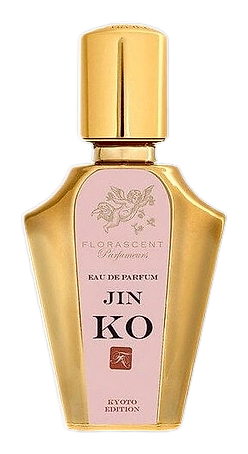
Florascent opened its doors in 1991 in the town of Bad Soden, Germany, founded by a small group of perfumery enthusiasts who wanted to preserve traditional art while embracing modern extraction techniques. Early on the house focused on natural ingredients, sourcing botanicals from the Alpine foothills and the Mediterranean coast. By 1995 the brand had introduced its first line of eau de parfums, gaining modest attention in niche fragrance circles for the clarity of its compositions. The release of Les Lilas in 2009 marked a turning point; the lilac‑centered scent earned praise in independent fragrance forums for its authentic floral heart without synthetic boosters. Building on that momentum, Florascent expanded its portfolio with a series of seasonal launches: Jinko (2013) captured the crispness of early spring, while Chypre (2014) re‑interpreted the classic chypre structure with sustainably harvested oakmoss. In 2016 the house opened a small laboratory in Cologne, allowing perfumers to experiment with cold‑press extraction and CO₂ supercritical methods, reinforcing its commitment to green chemistry. A partnership with a cooperative of organic citrus growers in Sicily began in 2018, ensuring that every drop of Yuzu and Thé Blanc carries a traceable provenance. The brand celebrated its 30th anniversary in 2021 with a limited‑edition anthology that compiled its most celebrated scents, accompanied by a printed booklet detailing the botanical origins of each fragrance. Throughout three decades, Florascent has remained independent, avoiding large corporate acquisition, and continues to operate from its original German workshop, where each new perfume is still blended by hand.
Craftsmanship
Every Florascent perfume begins with a field trip. The house’s sourcing team travels to orchards, meadows, and forests to assess the quality of raw materials before contracts are signed. Once harvested, botanicals undergo gentle processing; for citrus oils, the brand employs cold‑press extraction, preserving the bright top notes while minimizing heat‑induced degradation. Floral absolutes are obtained through solvent‑free enfleurage, a method that dates back to the 18th century but remains rare in modern perfumery. In the Cologne laboratory, master perfumers blend the ingredients in stainless‑steel vessels, measuring each component with a precision scale to the nearest milligram. The blending process follows a strict timeline: the mixture rests for 48 hours, then undergoes a low‑temperature maceration for up to three months, allowing the notes to harmonise naturally. Quality control includes gas‑chromatography analysis to verify the purity of each ingredient and blind scent panels that evaluate balance, longevity, and projection. Bottles are filled by hand in a climate‑controlled room, ensuring that temperature and humidity remain constant to prevent premature oxidation. The final product is sealed with a recyclable aluminum cap, placed in a minimalist frosted glass bottle, and boxed in recycled paper with soy‑based ink. Throughout production, Florascent tracks its carbon footprint, offsetting emissions through reforestation projects in the Black Forest region.
Design Language
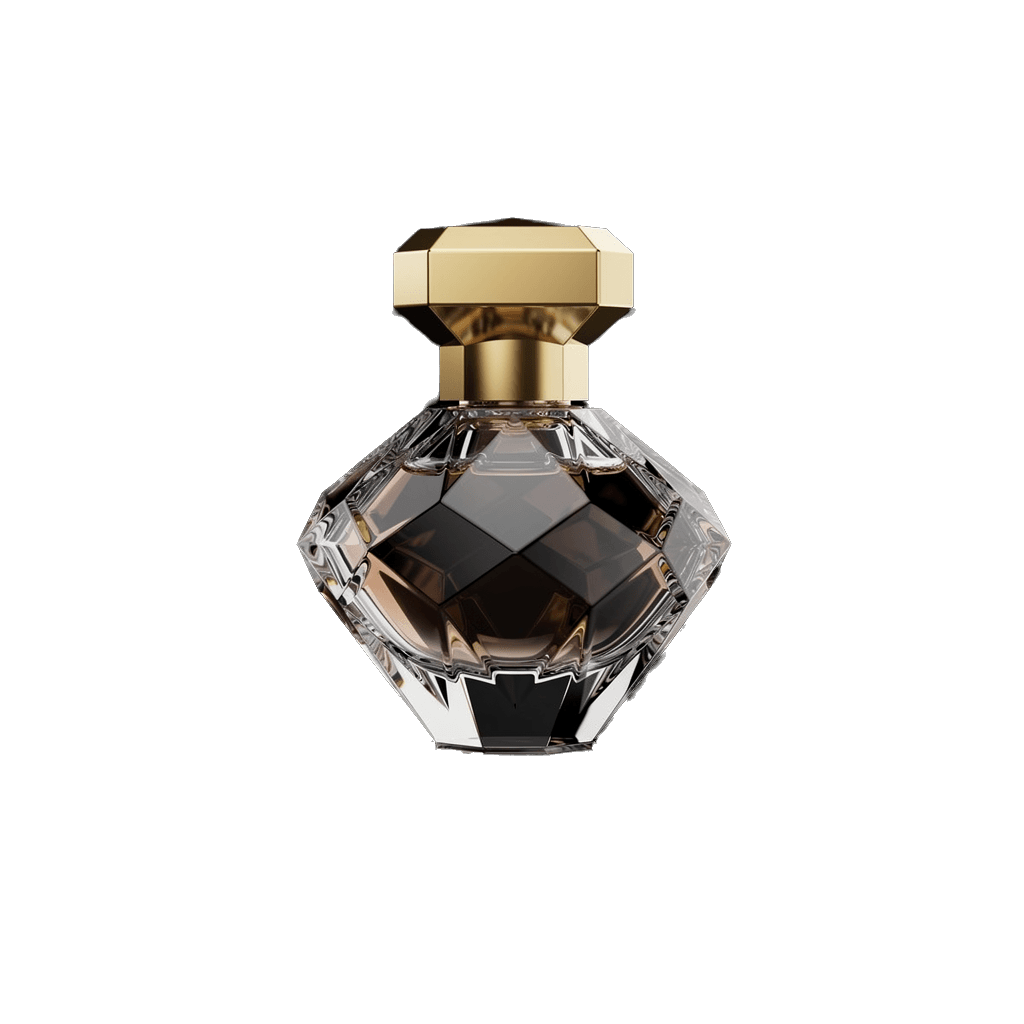
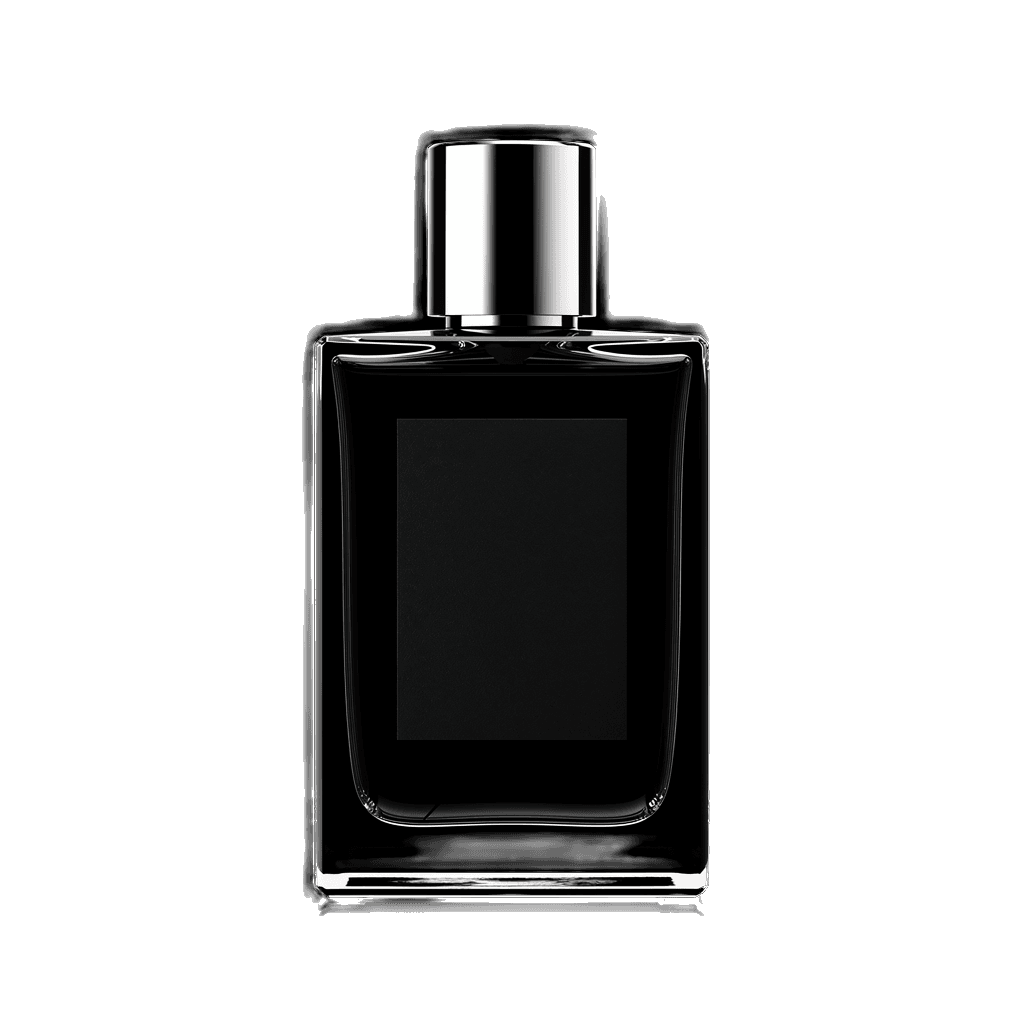
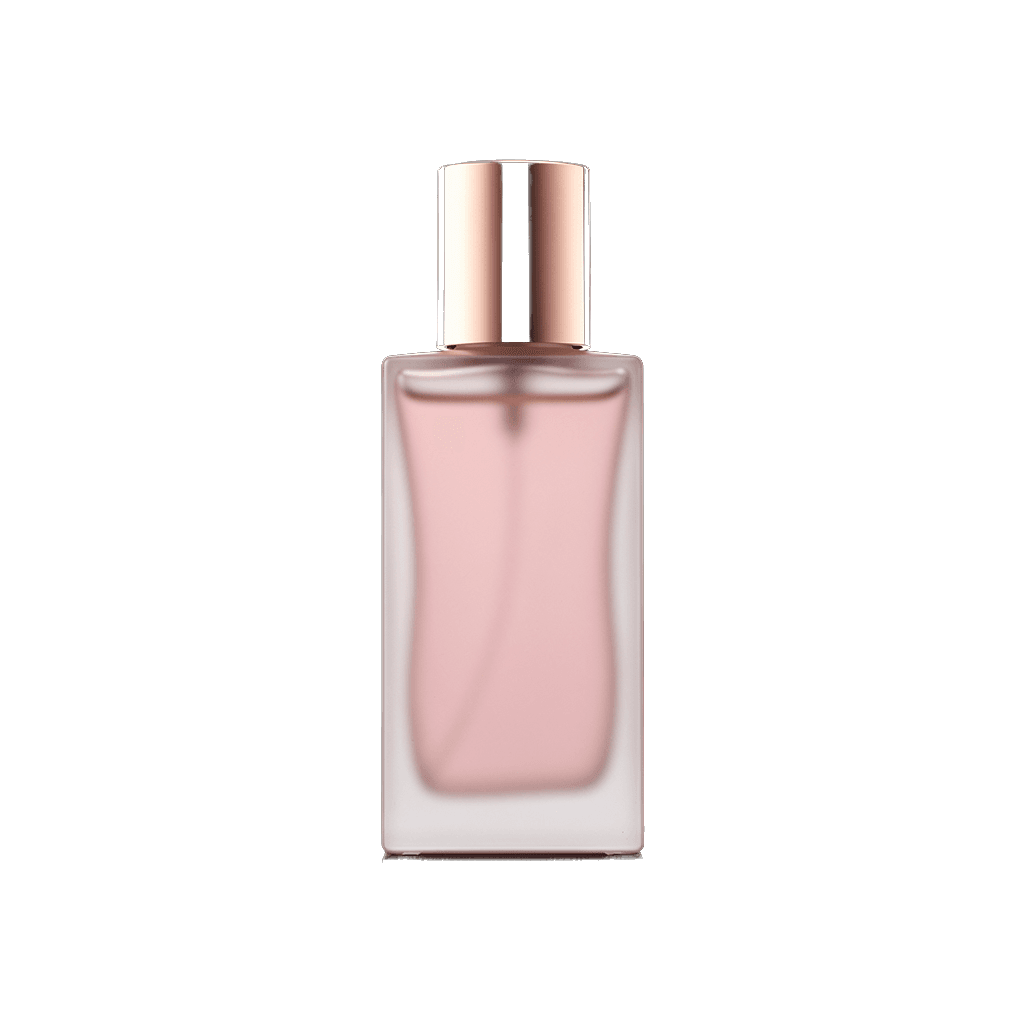
Visually, Florascent embraces a restrained elegance that mirrors its olfactory philosophy. The brand’s bottles feature a smooth, frosted glass silhouette with clean lines and a subtle curvature that feels comfortable in the hand. A thin aluminum cap, brushed to a matte finish, adds a tactile contrast without drawing attention away from the perfume itself. Labels are printed in a muted charcoal typeface on uncoated paper, allowing the natural colour of the glass to remain the focal point. The colour palette for each fragrance draws from its key ingredient: a soft green for Yuzu, a muted lilac for Les Lilas, and a warm amber for Chypre. Marketing imagery often depicts the source material in its natural setting—a sun‑kissed citrus grove, a dewy meadow of peonies, or a misty Alpine forest—reinforcing the brand’s commitment to authenticity. Store displays are minimal, using reclaimed wood shelves and soft, indirect lighting that encourages close inspection rather than impulse purchase. This understated visual language positions Florascent as a quiet connoisseur’s choice, appealing to collectors who appreciate design that serves the scent rather than competes with it.
Philosophy
Florascent approaches perfumery as a dialogue between nature and the senses. The house believes that a fragrance should act as a quiet companion, not a loud statement, and therefore prioritises balance over intensity. Its creative vision rests on three pillars: authenticity, sustainability, and intimacy. Authenticity drives the selection of raw materials; the brand prefers ingredients that retain their native character, such as hand‑picked peony petals from the Rhine valley or wild rosemary harvested at dawn. Sustainability informs every step, from using recyclable aluminum caps to partnering with farms that practice biodynamic agriculture. Intimacy shapes the olfactory narrative – each scent is designed to evolve on the skin, revealing secondary notes only after the initial impression fades. Florascent also values transparency, providing consumers with detailed ingredient lists and origin stories on its website. This openness reflects a broader belief that fragrance education empowers wearers to make informed choices, turning the act of wearing perfume into a mindful ritual rather than a fleeting trend.
Key Milestones
1991
Florascent founded in Bad Soden, Germany, with a focus on natural‑ingredient perfumery.
2009
Launch of Les Lilas, the house’s first widely recognized fragrance, praised for its authentic lilac heart.
2014
Introduction of Chypre and Macabah, showcasing the brand’s ability to reinterpret classic structures with sustainable ingredients.
2016
Opening of a dedicated laboratory in Cologne, enabling in‑house extraction methods such as CO₂ supercritical processing.
2018
Partnership established with an organic citrus cooperative in Sicily, securing traceable Yuzu and Thé Blanc sources.
2021
30th‑anniversary anthology released, compiling the most celebrated scents and providing a printed botanical dossier.
At a Glance
Brand profile snapshot
Origin
Germany
Founded
1991
Heritage
35
Years active
Collection
1
Fragrances released
Avg Rating
4.7
Community sentiment
Release Rhythm