The Heritage
The Story of FRAMA
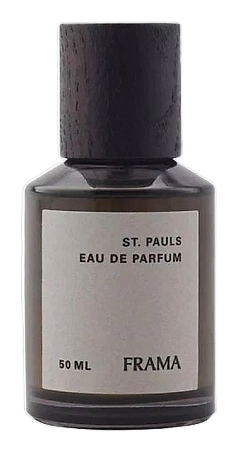
FRAMA began as a modest neighbourhood pharmacy in Copenhagen’s Nyboder district in 1878. Today the brand translates that heritage into a line of niche fragrances that reference distinct landscapes, from the painted hues of the American desert to the moss‑laden quiet of a deep forest. Developed in Denmark and blended in Italy, each scent is presented in a minimalist bottle that reflects the brand’s Scandinavian roots and Italian craftsmanship. Notable releases include St. Pauls (2016), 1917 (2017), Beratan (2019), Deep Forest (2019) and Komorebi (2021).
Heritage
The story of FRAMA starts in 1878 when a small pharmacy opened its doors to the residents of Nyboder, a historic quarter of Copenhagen. The apothecary, known locally as the Apotek, served the community for decades before the building was repurposed as a creative studio in the early 2000s. The transition from medicine to perfume reflects a broader Scandinavian tradition of treating scent as a form of well‑being. In 2015 the brand’s founder and creative director, Niels Stroyer Christensen, launched the first fragrance under the FRAMA name, positioning the studio as a laboratory for olfactory experiments. The following year, St. Pauls Apothecary arrived, drawing on the aromatic heritage of historic European apothecaries while interpreting a modern urban landscape. 2017 saw the release of 1917, a tribute to a pivotal year in Danish history, followed by a pair of 2019 launches – Beratan, inspired by the Indonesian lake, and Deep Forest, an ode to woodland ecosystems. The 2021 addition, Komorebi, references the Japanese term for sunlight filtering through trees, underscoring the brand’s global geographic curiosity. Throughout its evolution, FRAMA has retained the original pharmacy’s address, allowing visitors to experience the continuity between the past and the present. The studio’s open‑plan layout invites collaborators, perfumers and designers to work side by side, echoing the communal spirit of the original neighbourhood shop. Each milestone has been documented in independent fragrance publications, confirming the brand’s steady growth from a local apothecary to an internationally recognised niche perfume house.
Craftsmanship
Development of FRAMA fragrances occurs in a Copenhagen studio where perfumers experiment with accords that mirror natural topographies. Once a formula reaches a stable stage, it is sent to an Italian blending facility that follows the country’s long‑standing standards for quality control. The production process combines natural extracts – such as cedarwood from the Balkans or citrus from Sicily – with synthetics that replicate fleeting notes like rain‑kissed stone. Ingredient sourcing is documented through supplier certificates, ensuring that raw materials meet both safety and ecological criteria. In Italy, master blenders weigh each component on calibrated scales, then age the mixtures in stainless‑steel vats to allow the layers to integrate fully. After aging, the perfume is filtered and transferred into the brand’s signature glass bottles, which are sealed with aluminum caps to preserve integrity. Final quality checks include organoleptic testing by a panel of trained noses, as well as stability assessments under varying temperature and light conditions. The brand’s commitment to a cross‑border production chain reflects a belief that Danish design precision and Italian artisanal expertise together create a scent that is both conceptually rigorous and sensorially refined.
Design Language
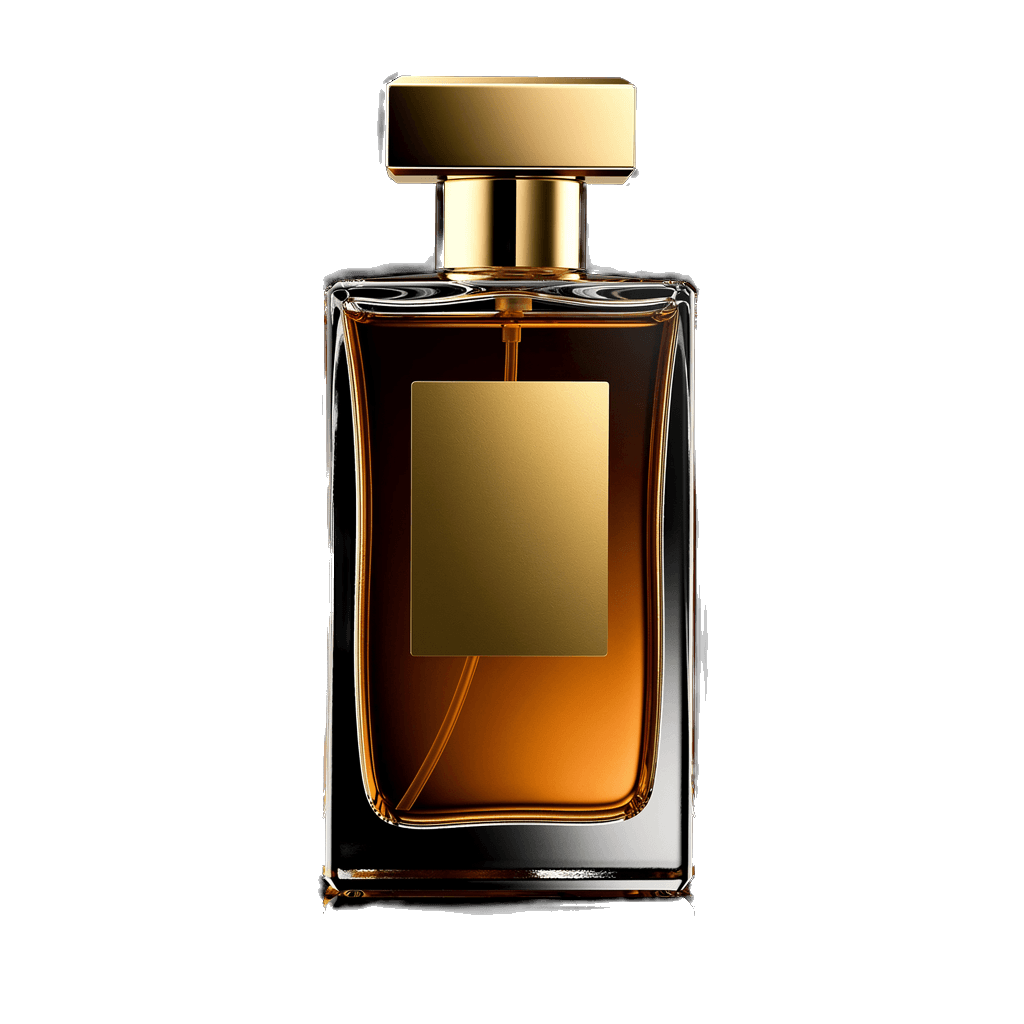
Visually, FRAMA embraces a minimalist aesthetic that mirrors the clean lines of Danish modern design. Bottles are cut from clear glass, allowing the colour of the fragrance to become the focal point, while the caps are brushed aluminium, echoing the industrial heritage of the original pharmacy. Labels feature a simple sans‑serif typeface and a muted palette of greys and earth tones, reinforcing the connection to natural landscapes. The studio space itself retains many original architectural elements – exposed brick walls, wooden shelving and vintage pharmacy cabinets – creating a backdrop that feels both historic and contemporary. Marketing imagery often places the bottles against textured backdrops that suggest the terrain that inspired each scent, such as desert sand or forest moss, rather than relying on abstract graphics. This visual strategy aligns the brand’s identity with its olfactory narrative, presenting each perfume as a tangible map of place. The overall look is understated yet purposeful, inviting consumers to focus on the scent rather than on ornamental excess.
Philosophy
FRAMA’s creative vision centers on the idea that scent can map a place as precisely as a photograph. The brand’s statements, echoed in interviews with founder Niels Stroyer Christensen, describe each fragrance as a response to a specific landscape, whether it be the arid expanse of the Painted Desert or the quiet hush of a deep forest. This spatial approach treats perfume as a three‑dimensional experience, encouraging wearers to imagine themselves within the environment the scent evokes. The brand values authenticity, opting for transparent ingredient lists and clear sourcing narratives. Sustainability appears in the choice to develop formulas in Denmark, where environmental regulations are stringent, and to produce them in Italy, where traditional perfumery methods minimise waste. FRAMA also emphasizes education, offering scent workshops that explore how geography influences olfactory perception. By grounding its creations in real places and measurable sensory cues, the brand seeks to move beyond fleeting trends toward a lasting dialogue between scent, memory and environment.
Key Milestones
1878
Neighbourhood pharmacy opens in Nyboder, Copenhagen
2015
Founder Niels Stroyer Christensen establishes FRAMA as a fragrance studio
2016
Launch of St. Pauls Apothecary, first FRAMA fragrance
2017
Release of 1917, a scent referencing a historic Danish year
2019
Beratan and Deep Forest fragrances debut, expanding the landscape series
2021
Komorebi launches, inspired by Japanese light through trees
At a Glance
Brand profile snapshot
Origin
Denmark
Founded
1878
Heritage
148
Years active
Collection
1
Fragrances released
Avg Rating
4.0
Community sentiment
Release Rhythm