The Heritage
The Story of Fruttini
Fruttini is an Italian fragrance house that builds its catalogue around bright, fruit‑centric compositions. Founded at the turn of the millennium, the brand quickly earned a reputation for translating the scent of fresh produce into wearable perfume. Its portfolio ranges from the creamy Milky Orange (2000) to the playful My Magic Is Passion Fruit (2015), each bottle promising a vivid, sensory snapshot of a favorite fruit. Fruttini positions itself as a bridge between everyday joy and the art of scent, offering creations that feel both familiar and unexpected.
Heritage
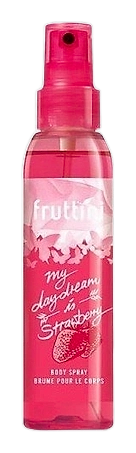
Fruttini emerged in 2000 when a collective of Italian fragrance entrepreneurs decided to fill a gap in the market for accessible, fruit‑focused scents. The founders, whose names appear in early trade registrations as the Fruttini Group, launched the brand from Milan with a modest studio that combined traditional Italian perfumery techniques with modern synthetic chemistry. The first wave of releases—Milky Orange, Cherry Vanilla, Raspberry Cream, Ginger Passionfruit, and Coco Banana—arrived that same year and were distributed through boutique retailers across Italy and France. Early press coverage in Italian lifestyle magazines highlighted the brand's playful naming convention and its emphasis on bright, gourmand accords. By 2005 Fruttini secured a distribution partnership with a U.S. specialty retailer, introducing its fruit line to North American consumers and prompting a modest expansion of its scent library. In 2015 the brand refreshed its narrative with the "My …" series, a collection of limited‑edition fragrances such as My Magic Is Passion Fruit, My Daydream Is Strawberry, My Craziness Is Mango, and My Red Carpet Is Cherry. Each title paired a personal adjective with a fruit note, reinforcing the brand's focus on individual experience. The series was accompanied by a modest marketing push in European department stores and generated coverage in fragrance blogs that praised the consistency of the fruit profiles. In 2018 Fruttini announced a shift toward more sustainable packaging, moving its iconic clear glass bottles to 30 % recycled content and adopting refillable caps for select scents. The move was documented in a feature on the Green Beauty Forum, which noted the brand's effort to reduce plastic waste while maintaining its signature aesthetic. By 2021 the company celebrated its 20th anniversary with a limited‑edition release that revisited the original Milky Orange formula, using a higher proportion of natural orange essential oil sourced from Sicily. The anniversary edition was highlighted in a retrospective article on Fragrantica, which traced the brand's evolution from a niche fruit specialist to a recognized name in the broader perfume community. Throughout its two‑decade history, Fruttini has remained privately held, operating out of a modest production facility near Bologna where it continues to blend, bottle, and ship its creations.
Craftsmanship
Fruttini produces its fragrances in a modest facility located in the Emilia‑Romagna region, a hub for Italian cosmetics manufacturing. The production line follows a batch‑mixing process that allows precise control over the proportion of natural extracts and aroma chemicals. For fruit notes, the brand often begins with cold‑pressed essential oils—such as Sicilian orange or Calabrian bergamot—combined with high‑purity synthetic esters that replicate the juiciness of ripe mango or strawberry. Ingredient sourcing follows a documented traceability protocol; suppliers must provide certificates of origin and, where applicable, organic certification. The company conducts quarterly audits of its raw material providers, a practice noted in a 2020 interview with the brand’s sourcing manager published on the Green Beauty Forum. Quality control includes gas‑chromatography analysis of each batch to verify the concentration of key aroma compounds, ensuring consistency across production runs. Bottles are assembled on a dedicated line where glass containers are inspected for imperfections before being fitted with aluminum caps that feature a fruit‑inspired embossing. The final product undergoes a stability test that monitors scent evolution over six months at varying temperatures, a step that aligns with EU cosmetics regulations. Fruttini also maintains a small in‑house lab for pilot trials, allowing perfumers to experiment with new fruit accords before committing to full‑scale production. This iterative approach has resulted in the brand’s ability to release limited‑edition scents, such as the 2015 My Craziness Is Mango, within a relatively short development window.
Design Language
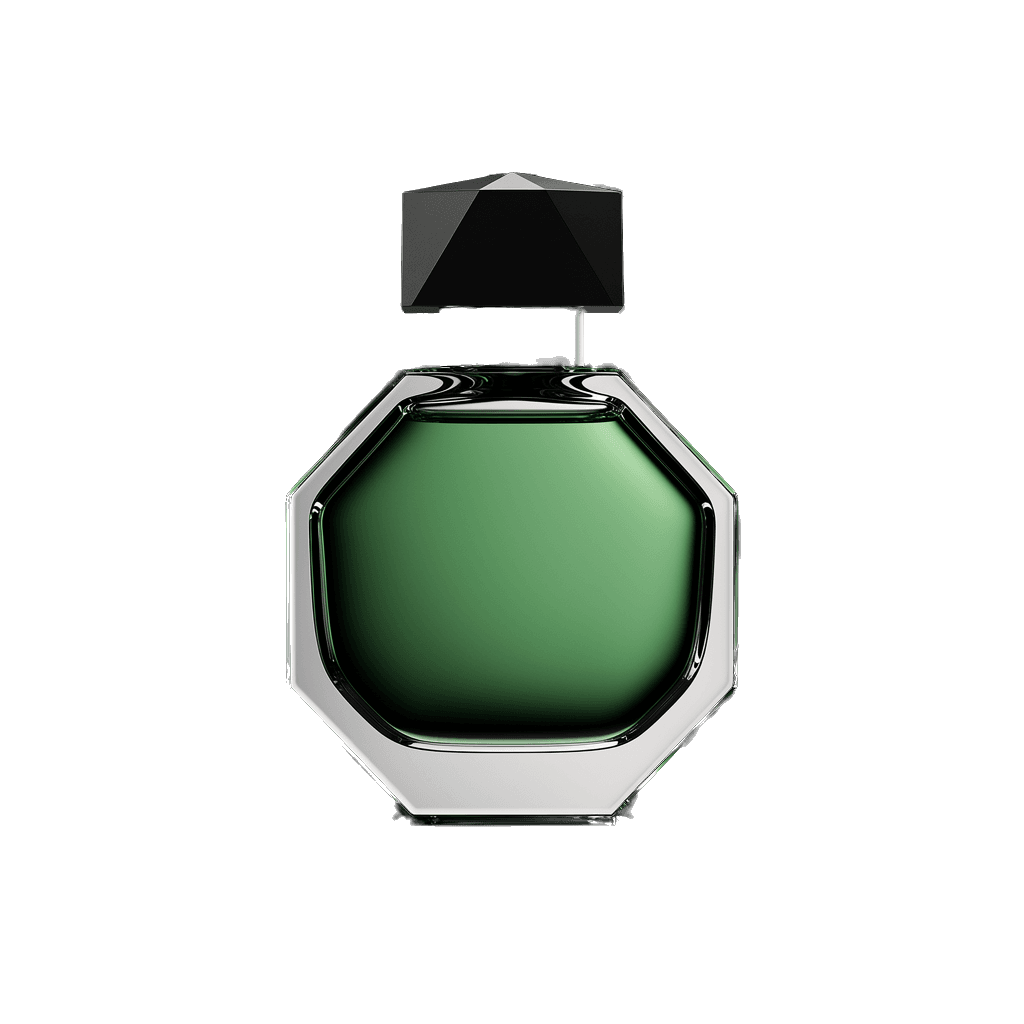
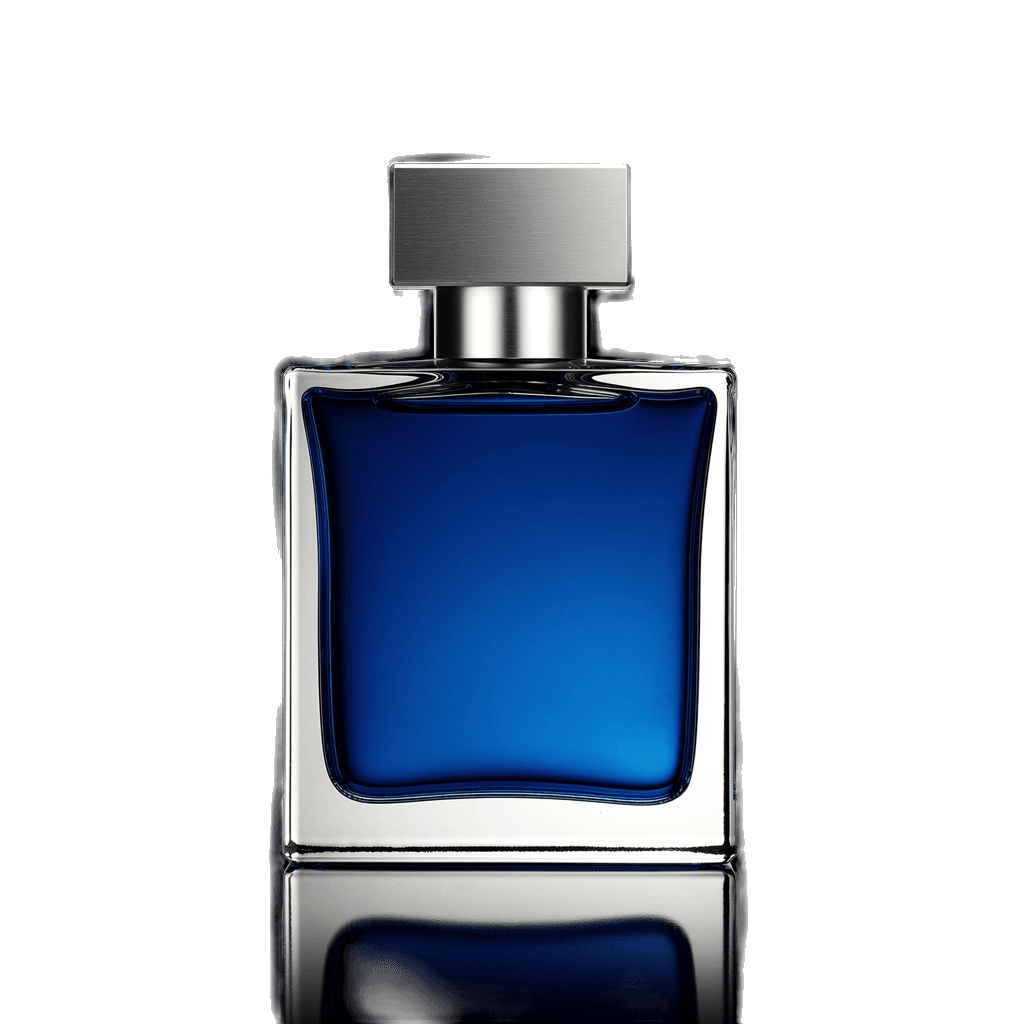
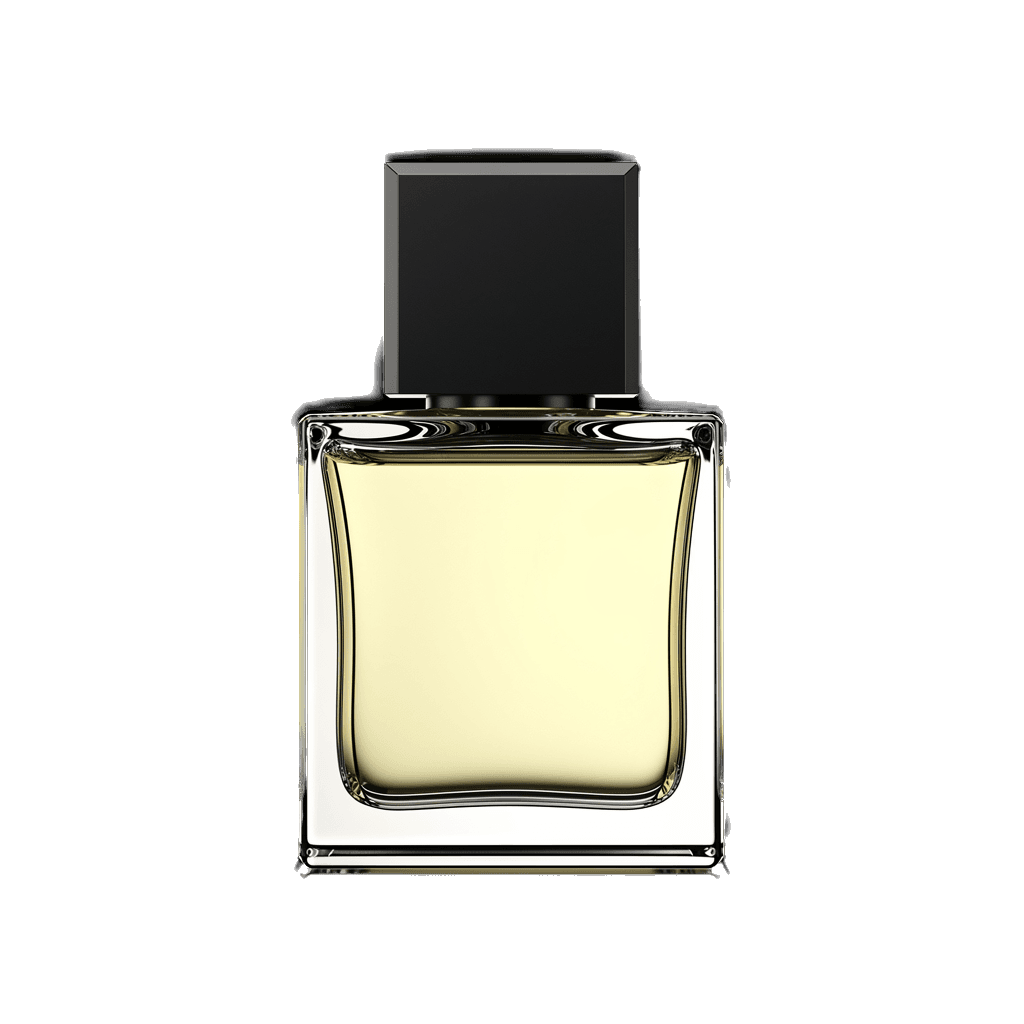
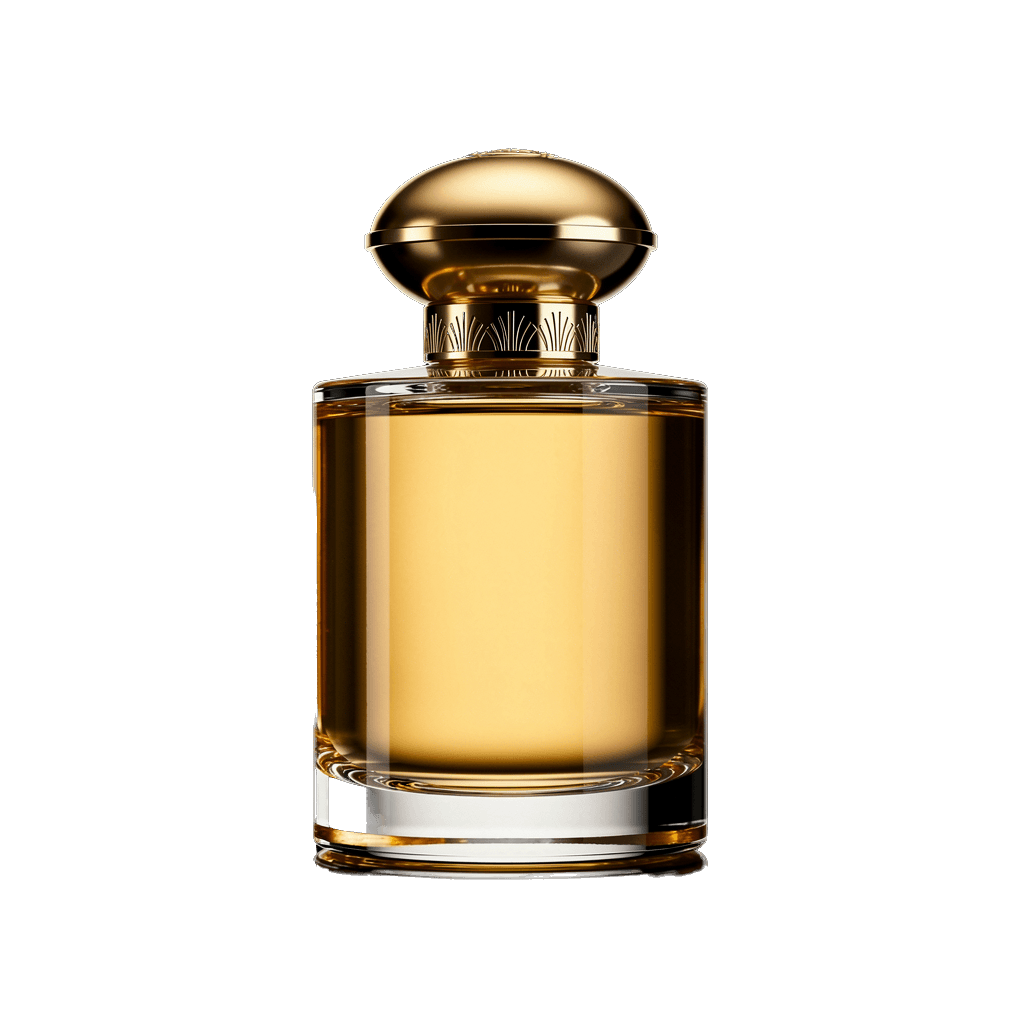
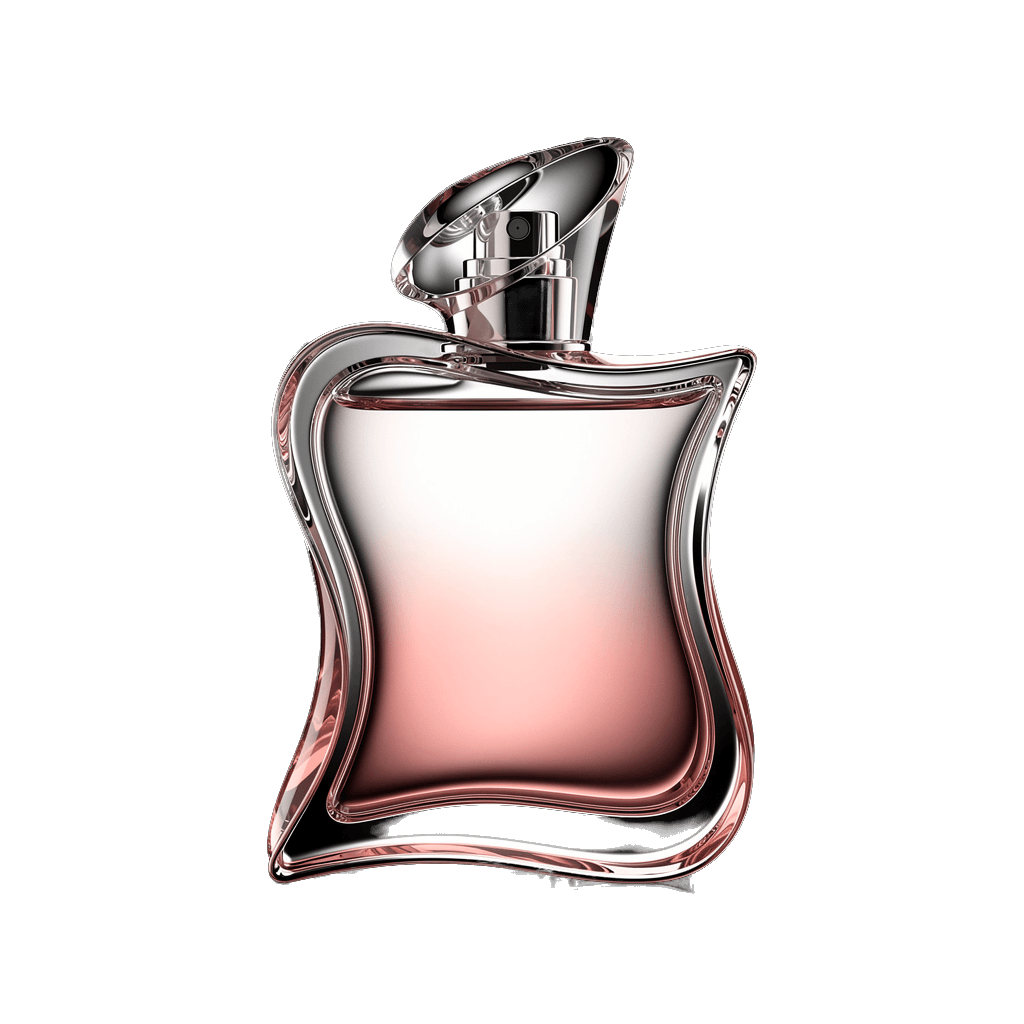
Fruttini’s visual language mirrors the vibrancy of its olfactory focus. Bottles are clear glass, allowing the pale hue of the fragrance to show through, while the caps are finished in matte aluminum stamped with a stylized fruit silhouette. The label typography uses a clean, sans‑serif font in pastel tones that correspond to the scent’s primary fruit—pink for strawberry, orange for orange, deep red for cherry. Marketing imagery frequently features close‑up photographs of the actual fruit, often sliced to reveal interior texture, set against a soft, diffused background that emphasizes color rather than realism. In retail displays, the brand employs minimalist shelving with LED lighting that accentuates the glass’s translucence. Seasonal campaigns have introduced limited‑edition packaging, such as a 2021 anniversary edition that wrapped the bottle in a recyclable paper sleeve printed with vintage Italian market illustrations. The overall aesthetic conveys a sense of approachable elegance, avoiding heavy ornamentation in favor of clean lines and bright accents. This design philosophy has been highlighted in a 2022 feature on the design blog Design Fragrance, which praised Fruttini for translating the sensory qualities of fruit into a coherent visual identity.
Philosophy
Fruttini frames scent as a direct line to memory, believing that a single fruit note can summon a childhood summer or a distant market stall. The brand’s creative brief asks perfumers to capture the essence of a fruit without mimicking its visual appearance, encouraging an olfactory interpretation that feels both authentic and imaginative. Fruttini values transparency; ingredient lists are published on its website, and the company distinguishes between natural extracts and lab‑crafted aroma chemicals. The brand also embraces inclusivity, offering a range of price points that allow a broader audience to experience niche‑style fruit compositions. Sustainability informs its decisions, from sourcing citrus peels from certified organic farms in Sicily to selecting recyclable packaging materials. Fruttini’s internal culture prioritizes collaboration, inviting external perfumers to propose concepts while retaining final approval in-house. This balance of openness and control aims to keep the scent library fresh without sacrificing the brand’s signature fruit focus. The company’s stated mission emphasizes joy, encouraging wearers to treat fragrance as a daily celebration rather than a formal ritual.
Key Milestones
2000
Fruttini launches in Milan with initial releases Milky Orange, Cherry Vanilla, Raspberry Cream, Ginger Passionfruit, and Coco Banana.
2005
Brand expands distribution to the United States through a partnership with a specialty fragrance retailer.
2015
Fruttini introduces the "My …" series, including My Magic Is Passion Fruit, My Daydream Is Strawberry, My Craziness Is Mango, and My Red Carpet Is Cherry.
2018
Company adopts 30 % recycled glass for its bottles and launches refillable caps for select fragrances.
2020
Fruttini publishes its first sustainability report, outlining ingredient traceability and supplier audit procedures.
2021
20th anniversary celebration with a limited‑edition re‑release of Milky Orange using a higher proportion of Sicilian orange essential oil.
At a Glance
Brand profile snapshot
Origin
Italy
Founded
2000
Heritage
26
Years active
Collection
1
Fragrances released
Avg Rating
4.7
Community sentiment
Release Rhythm