
The Heritage
The Story of FUMparFUM
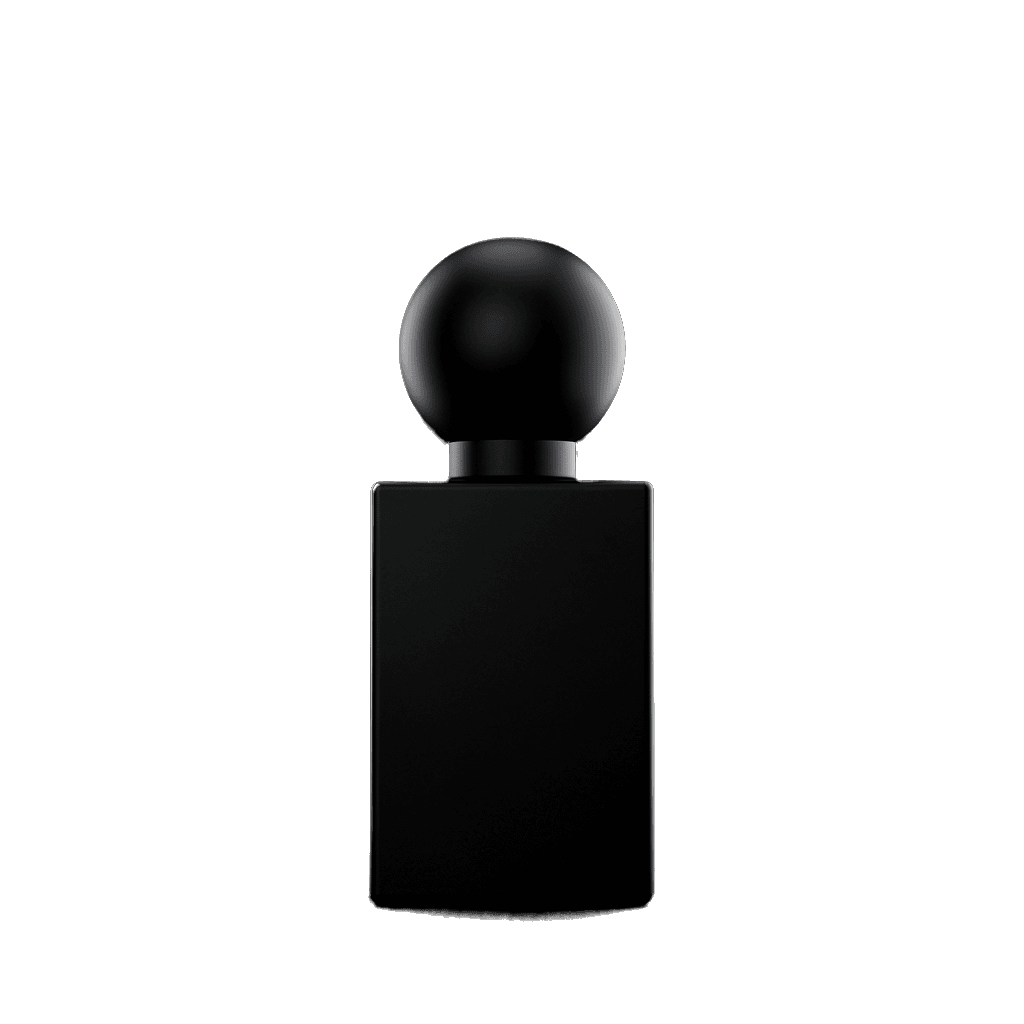
FUMparFUM is a micro‑brand that lives at the intersection of performance art and olfactory craft. Founded in Vilnius, Lithuania in 2011 by actor‑turned‑perfumer Aistis Mickevičius, the house produces a handful of hand‑blended scents each year. Its catalogue reads like a personal diary, with titles such as Theatre Scent No 4 (2014), Blur (2016) and Thyme (2024). Each bottle arrives in a simple, matte‑finished container that lets the fragrance speak for itself. Though the studio now operates out of Los Angeles, the brand retains its Baltic roots, offering collectors a glimpse into a sensibility that values narrative over hype.
Heritage
The story of FUMparFUM begins in 2011 when Aistis Mickevičius, a Lithuanian stage actor, decided to translate his love of character work into scent. Mickevičius grew up in Vilnius, a city known for its quiet cafés and historic architecture, and he often described his early experiments as “smelling the script.” The first public release, Theatre Scent No 2, appeared in 2014 and was followed closely by Theatre Scent No 4 the same year, both referencing his theatrical background. In 2016 the brand introduced Blur, a composition that mixed citrus and green notes to capture the feeling of a spotlight fading. Golden Sawdust arrived in 2019, a warm amber that referenced the wooden stages of old theatres. Angelica (2020) marked a shift toward botanical storytelling, while Pear Gurlz (2022) and Spring Poetry (2022) explored playful fruit and seasonal imagery. 2024 saw the launch of two new fragrances, Thyme and Blackcurrant Bud, each built around a single, vivid ingredient. Throughout its evolution, FUMparFUM has remained a one‑person operation, with Mickevičius handling formulation, testing and packaging decisions. The brand’s modest scale allowed it to participate in niche gatherings such as the 2023 Nagoya perfume showcase, where a pop‑up studio highlighted its Los Angeles‑based laboratory. Over more than a decade, the house has cultivated a loyal following among collectors who appreciate the personal narrative that each scent carries.
Craftsmanship
Every FUMparFUM fragrance is assembled by hand in a modest Los Angeles studio that Mickevičius set up after relocating from Lithuania in 2018. The production line consists of a single mixing table, a set of glass beakers and a small scale that measures each component to the nearest milligram. Raw materials are sourced from established European and Asian suppliers; for example, the amber used in Golden Sawdust comes from a refinery in Grasse, while the thyme oil in the 2024 Thyme is pressed in a small cooperative in Provence. Mickevičius insists on natural extracts whenever possible, but he also incorporates a few synthetics to achieve stability and longevity. After blending, each batch rests for a minimum of four weeks, allowing the notes to harmonize. The aging period is monitored in a temperature‑controlled cabinet, and the final perfume is filtered through a stainless‑steel mesh before being decanted into its bottle. Quality control is personal: Mickevičius tests every batch on his own skin, noting projection, evolution and any potential irritants. Bottles are hand‑filled using a syringe to avoid air bubbles, then sealed with a simple aluminum cap that matches the minimalist aesthetic. The entire workflow reflects a commitment to tactile involvement, ensuring that each scent retains the creator’s touch from conception to delivery.
Design Language
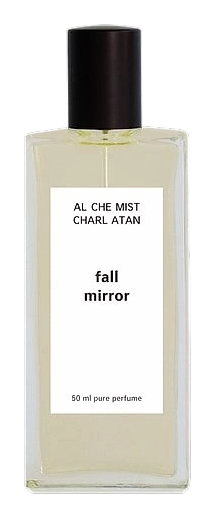
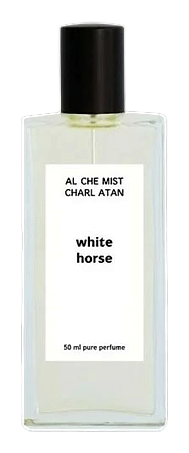
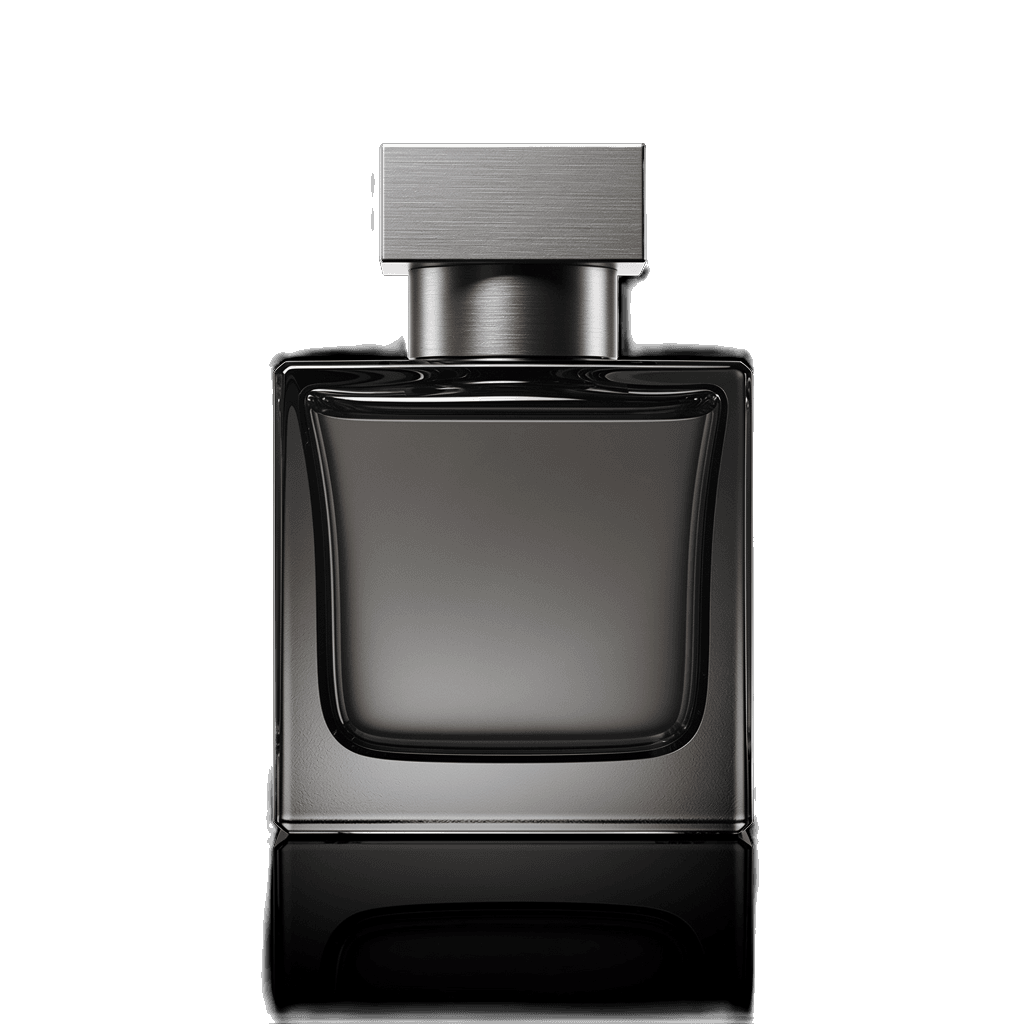
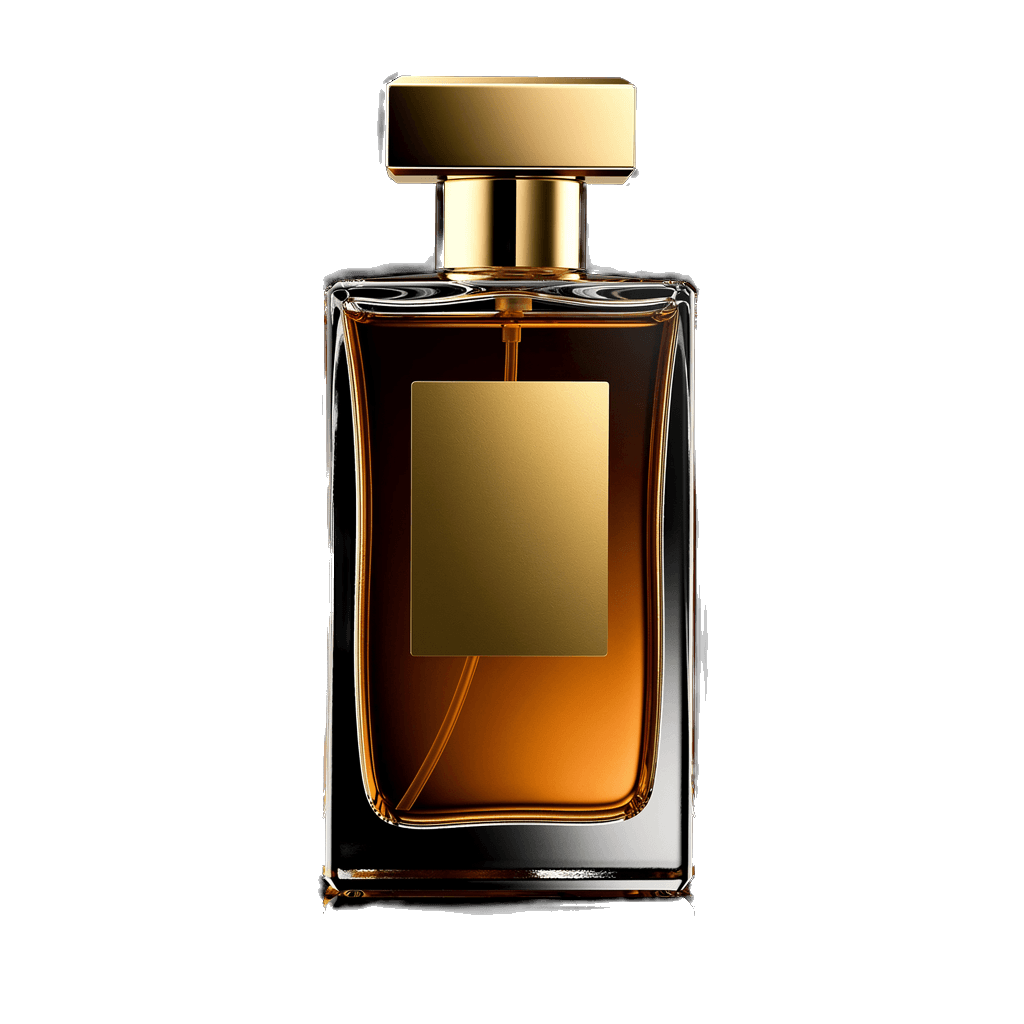
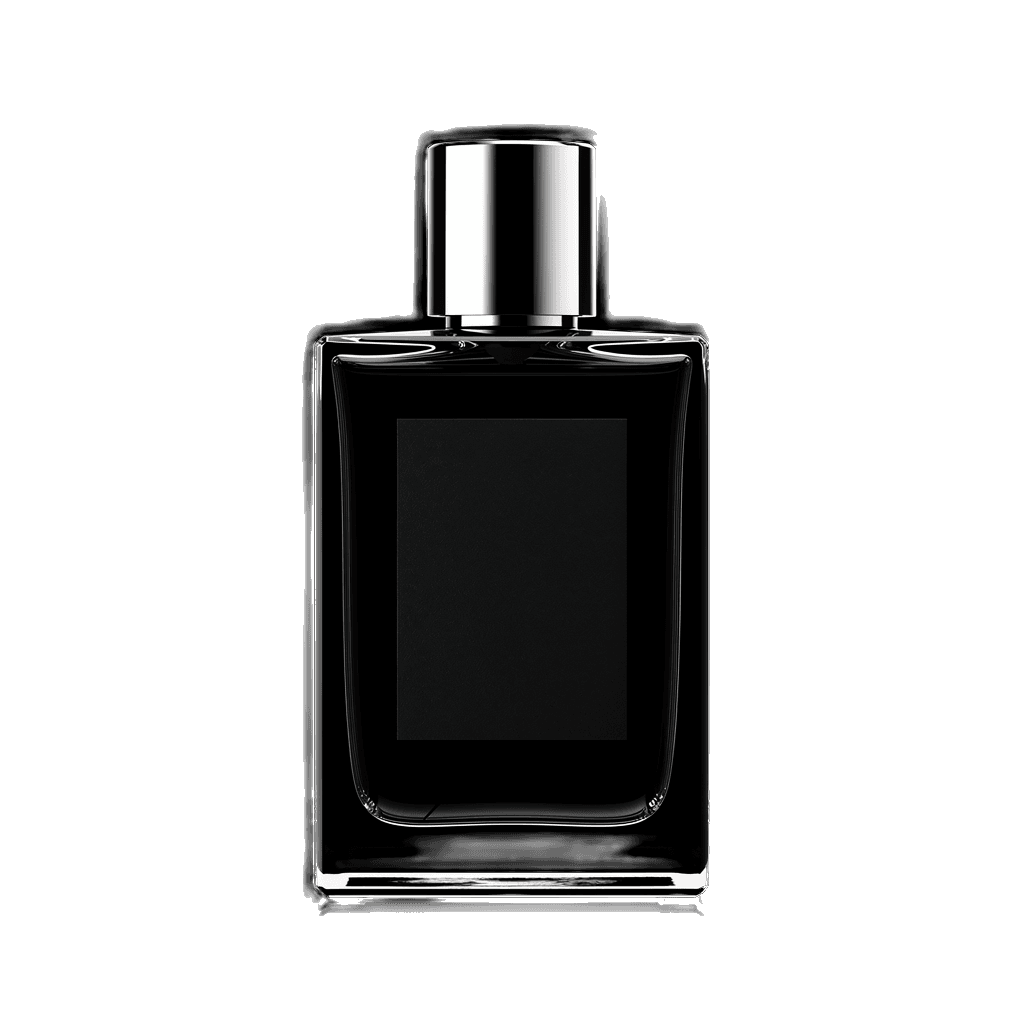
Visually, FUMparFUM favors restraint. Bottles are clear glass with a matte black or brushed aluminum cap, allowing the liquid’s hue to become the focal point. Labels consist of a thin black strip printed with the fragrance name in a clean sans‑serif typeface, often accompanied by a single line of text that hints at the scent’s inspiration. The packaging design echoes the brand’s theatrical roots; for instance, Theatre Scent No 4 features a subtle embossed script on the back, reminiscent of a playbill. Marketing materials avoid glossy photography, opting instead for soft‑lit studio shots that capture the perfume beside everyday objects—a vintage microphone, a wooden stage plank, or a sprig of fresh herb. The website mirrors this minimalism, using ample white space, monochrome palettes and concise copy that reads like a personal note rather than a sales pitch. This visual language reinforces the idea that the fragrance itself, not the surrounding hype, is the true star of the experience.
Philosophy
FUMparFUM treats perfume as a form of storytelling rather than a commercial product. Mickevičius draws on his acting training, viewing each fragrance as a character that must be rehearsed, refined and finally performed on the skin. The brand’s statements emphasize honesty, intimacy and a willingness to experiment with unconventional pairings. Rather than chasing trends, the house follows a seasonal rhythm that mirrors the cadence of a theatrical season: a new act appears, runs its course, then bows out. Sustainability is approached pragmatically; small batch production reduces waste, and ingredients are sourced from suppliers who can provide traceability reports. The creative process often starts with a memory or a line from a play, which then guides the selection of accords. This method keeps the work grounded in personal experience, allowing the scents to feel like extensions of the creator’s own narrative voice.
Key Milestones
2011
FUMparFUM founded in Vilnius by Aistis Mickevičius
2014
Release of Theatre Scent No 2 and Theatre Scent No 4
2016
Launch of Blur, a citrus‑green composition
2019
Golden Sawdust introduced, highlighting amber accords
2020
Angelica released, marking a shift toward botanical focus
2022
Pear Gurlz and Spring Poetry expand the fruit‑floral line
At a Glance
Brand profile snapshot
Origin
Lithuania
Founded
2011
Heritage
15
Years active
Collection
2
Fragrances released
Avg Rating
3.5
Community sentiment
Release Rhythm