


The Heritage
The Story of Gerini
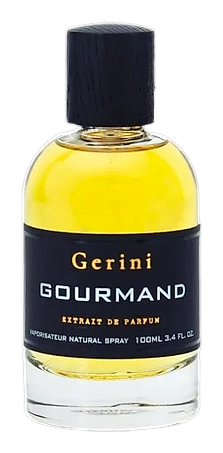
Gerini is an Italian niche fragrance house that blends contemporary sensibility with classic craftsmanship. Founded in the mid‑2000s, the brand offers a curated portfolio that includes Velvet Rose (2019), D'Oro (2017) and Vetiver (2022). Each scent arrives in a minimalist amber bottle, inviting collectors to explore nuanced olfactory narratives without the clutter of mass‑market hype.
Heritage
Alessandro Gerini launched the label in 2005 after years of work as a development chemist for larger perfume houses in Milan. He wanted a platform where he could oversee every step, from ingredient selection to final packaging. The first public release, a unisex citrus‑green composition, appeared in 2015 and earned modest praise in specialist blogs. Building on that momentum, Gerini introduced D'Oro in 2017, a warm amber piece that signaled the brand’s willingness to experiment with rare resins. Velvet Rose followed in 2019, quickly becoming a reference point for modern rose interpretations among niche enthusiasts. 2020 marked the brand’s entry into the United States through a partnership with a boutique distributor in New York, expanding its reach beyond Europe. In 2022 the house launched a quartet of fragrances—Vetiver, Mineral, Guaiac and Suede—demonstrating a commitment to both vegetal and mineral accords. Throughout its evolution, Gerini has remained a small‑batch operation, producing limited quantities each year to preserve quality and exclusivity. The brand’s story is documented in independent fragrance databases such as Fragrantica and Basenotes, which note its consistent output and growing collector base.
Craftsmanship
Gerini’s production process begins with a detailed brief that outlines the desired mood, target audience and olfactory structure. Alessandro Gerini collaborates with both independent perfumers and in‑house chemists to draft a formula, testing each iteration on blotter strips before moving to skin trials. The house sources natural extracts from regions known for quality—Italian bergamot from Calabria, Guatemalan vetiver roots and French oakmoss—while also employing high‑purity synthetics that replicate rare notes such as ambergris or oud without ecological impact. Ingredient batches are inspected for consistency; any variation triggers a repeat of the extraction or synthesis step. Once a formula is locked, Gerini contracts a boutique lab in Milan that handles small‑scale batch mixing under strict temperature control. The mixture rests for several weeks to allow the accords to meld, a practice known as maturation. After aging, the perfume is filtered and transferred into hand‑blown amber glass bottles, which protect the fragrance from light and oxidation. Each bottle receives a hand‑applied label, and a batch number is printed on the back for traceability. Quality checks include gas chromatography analysis to confirm that the final product matches the original GC‑MS profile. The entire workflow reflects a blend of artisanal attention and modern analytical rigor, ensuring that every Gerini scent delivers the intended experience from the first spray to the lingering dry‑down.
Design Language
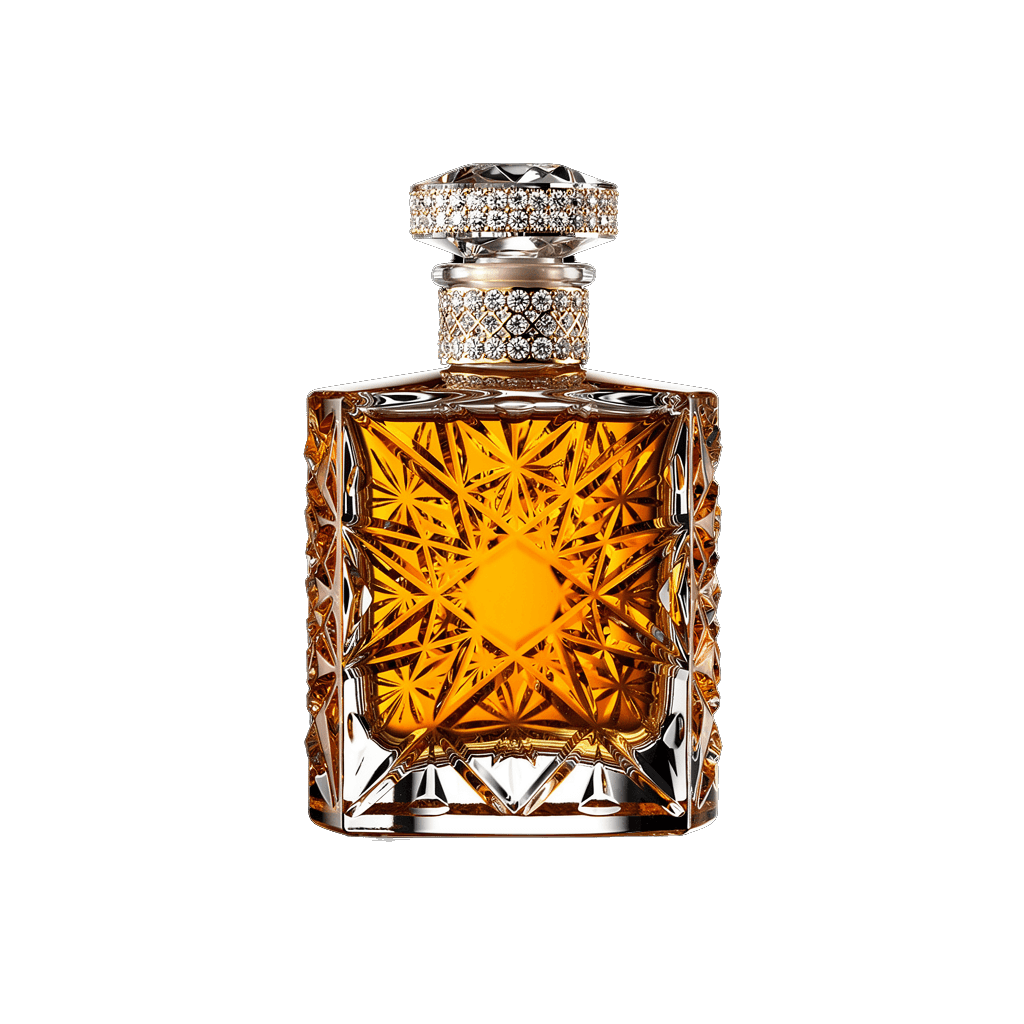
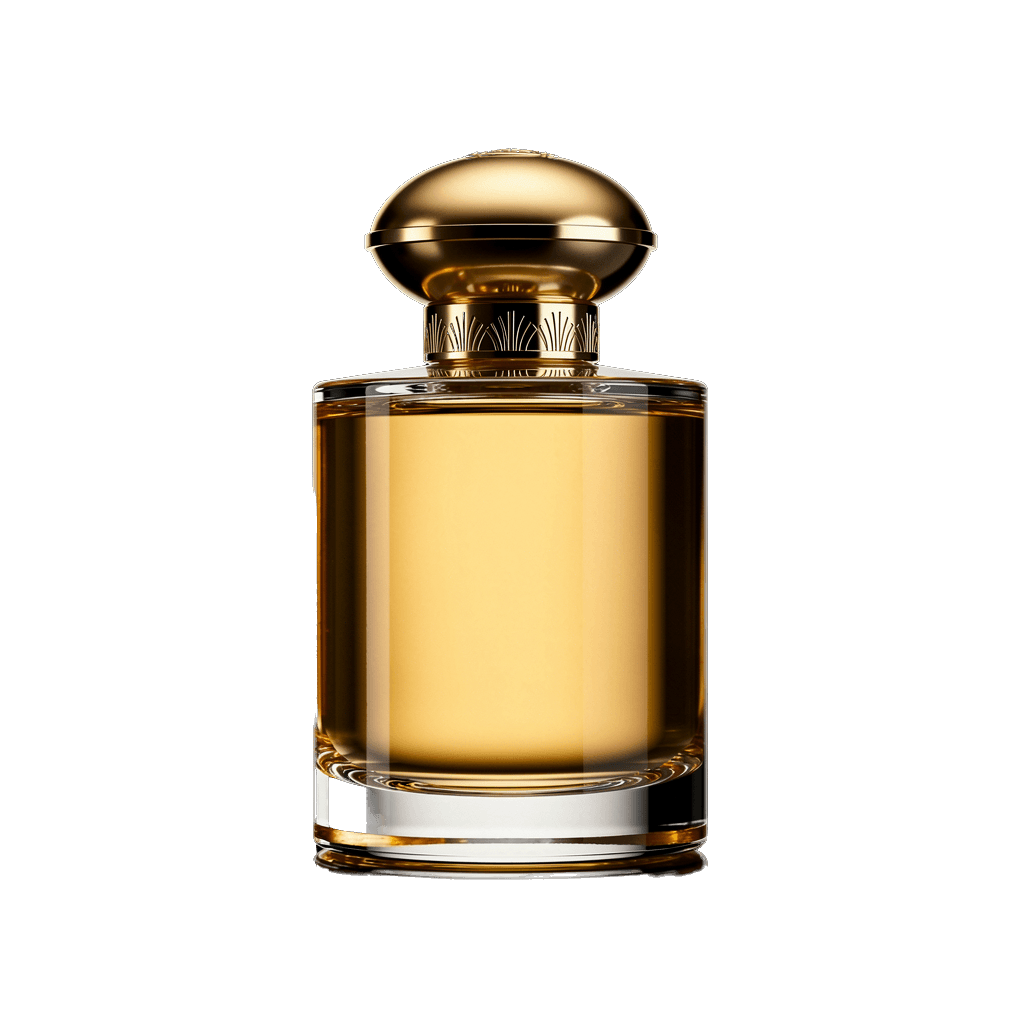
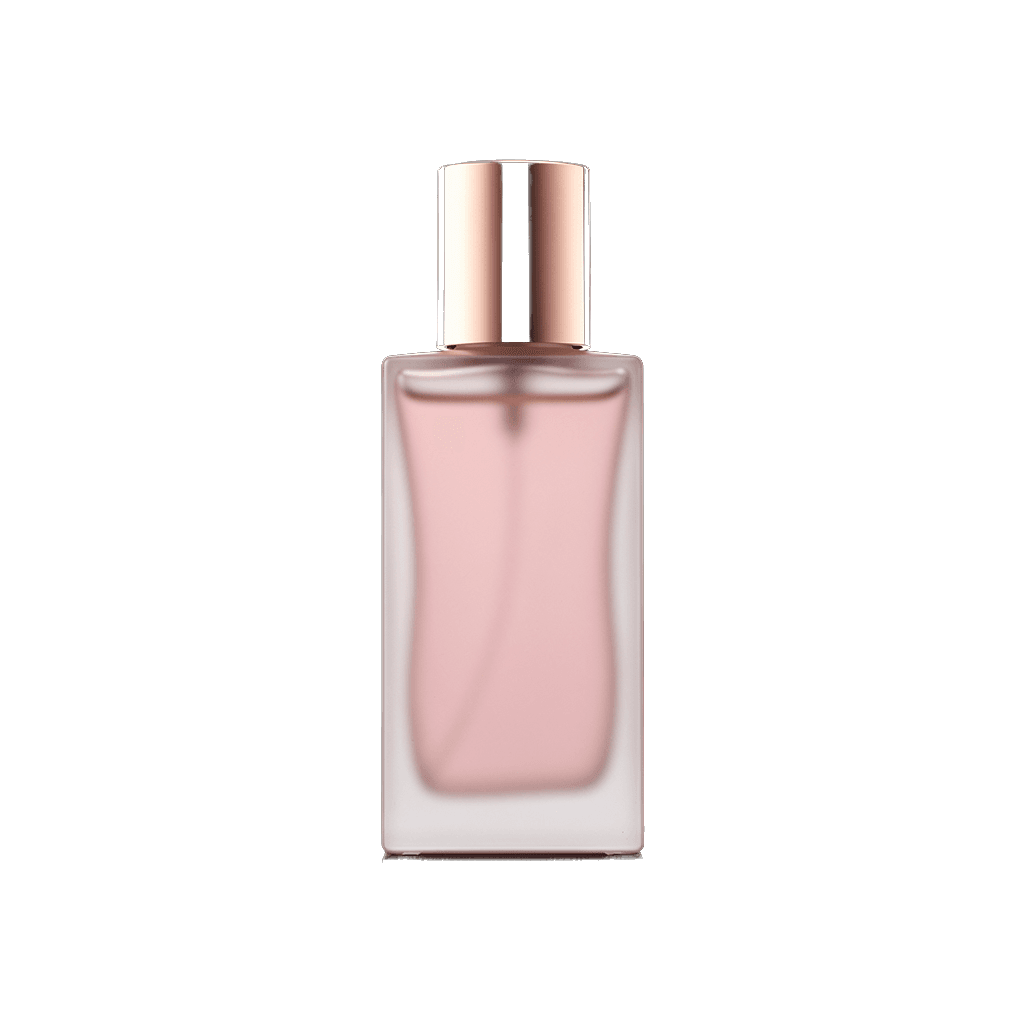
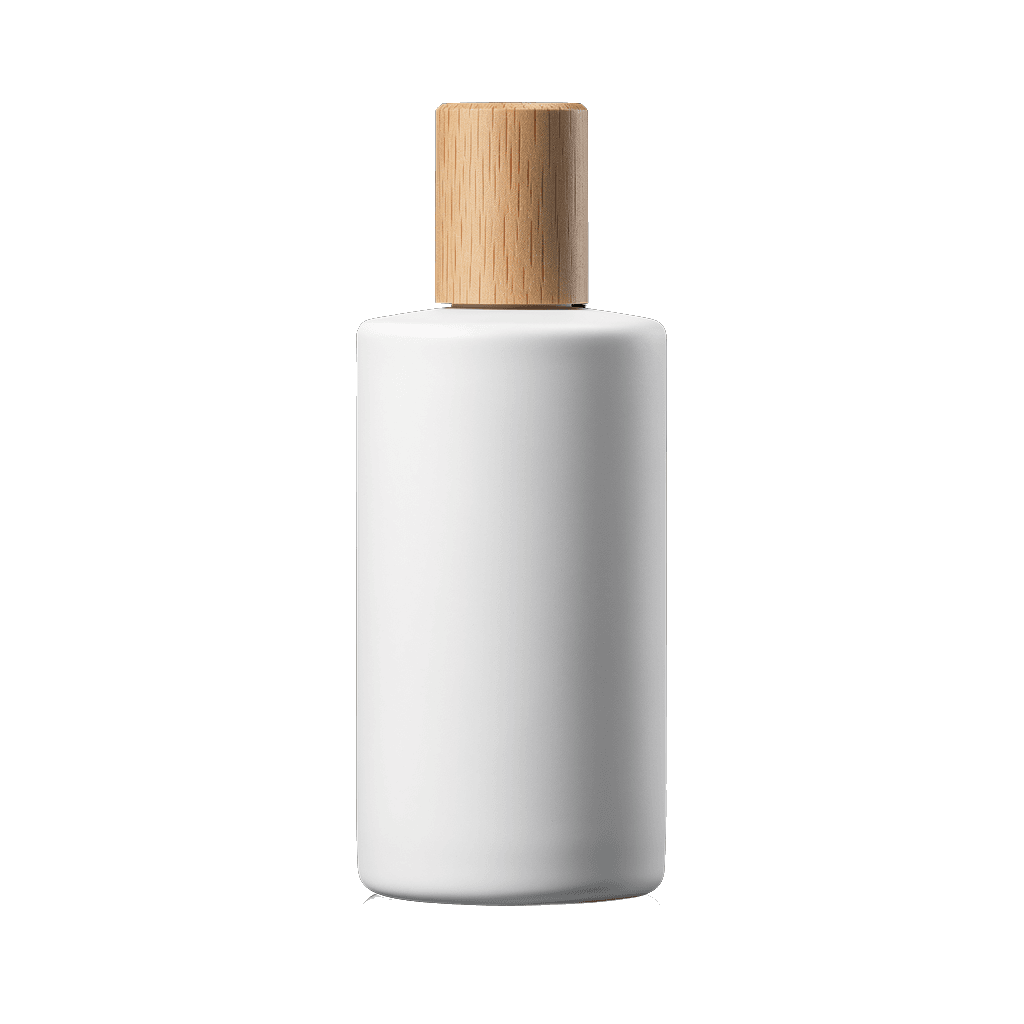
Gerini’s visual language mirrors its olfactory restraint. Bottles are crafted from clear or amber glass with clean lines, often topped by a simple metal cap that bears the brand’s name in a sans‑serif font. The label design uses a muted palette—soft greys, ivory or deep navy—allowing the perfume’s color to become the focal point. Packaging boxes feature textured paper with subtle embossing, evoking the tactile quality of the ingredients inside. Marketing imagery favors natural settings: close‑up shots of rose petals for Velvet Rose, sun‑lit citrus groves for Fresh Bergamout, or weathered stone for Mineral. This approach reinforces the brand’s narrative of authenticity and understated elegance. Retail displays in boutique stores typically showcase the bottles on reclaimed wood shelves, reinforcing the connection between the product and its artisanal roots. The overall aesthetic avoids flashy graphics, instead offering a calm, refined presentation that appeals to collectors who appreciate quiet sophistication.
Philosophy
Gerini approaches perfumery as a dialogue between tradition and invention. The house believes that a scent should tell a clear story without relying on overt marketing slogans. It prioritises ingredient integrity, choosing raw materials that can be traced to their source whenever possible. The brand also values transparency; each launch is accompanied by a brief note that explains the inspiration, the key accords and the intended wearer. Sustainability informs the philosophy as well; Gerini works with suppliers who practice responsible harvesting and seeks to minimize waste in its production cycle. Rather than chasing trends, the creative team selects themes that resonate on a personal level, such as the quiet elegance of a garden at dusk or the mineral coolness of a mountain stream. This focus on authentic expression aims to create fragrances that age gracefully in the wearer’s skin, encouraging a long‑term relationship rather than a fleeting impulse purchase.
Key Milestones
2005
Alessandro Gerini establishes the brand in Milan after a career in perfume development.
2015
First public fragrance release, a citrus‑green unisex scent, gains attention in niche fragrance blogs.
2017
Launch of D'Oro, an amber‑rich composition that expands the house’s palette.
2019
Velvet Rose debuts, quickly becoming a reference point for modern rose fragrances.
2020
Gerini enters the United States market through a boutique distributor in New York.
2022
Four new scents—Vetiver, Mineral, Guaiac and Suede—are released, highlighting vegetal and mineral accords.
At a Glance
Brand profile snapshot
Origin
Italy
Founded
2005
Heritage
21
Years active
Collection
1
Fragrances released
Avg Rating
4.3
Community sentiment
Release Rhythm