The Heritage
The Story of Gianfranco Ferre
Gianfranco Ferre translates the architect’s eye for structure into scent, offering a line of fragrances that echo the clean lines and measured proportions of his runway collections. The house balances Italian craftsmanship with a modernist sensibility, delivering scents that feel both timeless and immediate. From the 1984 debut eau de Cologne to the 2006 reinterpretation of the original Ferre for Men, each fragrance invites the wearer to experience a quiet confidence rooted in design.
Heritage
Gianfranco Ferré founded his eponymous fashion house in 1978, quickly gaining a reputation for architectural tailoring that blended Italian tradition with a stark, almost Bauhaus aesthetic. The brand expanded beyond clothing in the early 1980s, launching its first perfume in 1984 under the distribution of Diana de Silva, an Italian firm known for introducing fashion houses to the fragrance market. The debut scent, simply titled Gianfranco Ferre, carried the same structural clarity as his garments, using a restrained palette of citrus, aromatic herbs, and a subtle woody base. Throughout the 1990s the house released a series of gender‑specific fragrances, including Ferre by Ferre (1991) and GFF Uomo (1998), each reflecting the evolving runway silhouettes of the time. In 2005 the brand introduced Pontaccio 21, a cologne that married marine accords with the brand’s signature minimalism, followed a year later by Ferre for Men, a modern reinterpretation crafted by celebrated perfumer Pierre Bourdon. While the fashion side of Gianfranco Ferré closed its doors in 2009, the fragrance line continued under the stewardship of the original perfume partners, preserving the founder’s design philosophy in olfactory form. The house’s perfume portfolio now spans more than two dozen releases, each anchored in the same architectural rigor that defined Ferré’s clothing archives.
Craftsmanship
Production of Gianfranco Ferre fragrances follows a disciplined process that begins with a brief rooted in the brand’s architectural language. Perfumers are asked to imagine a structure before they begin blending, resulting in compositions that often feature a central “pillar” note surrounded by supporting accords. Ingredients are sourced from regions known for their quality: citrus from the Amalfi Coast, jasmine from Grasse, and sandalwood from Indian plantations that meet the International Organization for Standardization’s sustainable harvesting guidelines. The house works with established French and Italian laboratories that employ traditional maceration techniques, allowing natural extracts to mature for several months before being combined with synthetics that enhance stability. Each batch undergoes rigorous quality control, including gas chromatography analysis to verify concentration levels and sensory panels that assess balance and longevity. Bottles are filled in climate‑controlled facilities to preserve the integrity of volatile top notes. The final product is sealed with a minimalist cap that echoes the clean lines of Ferré’s tailoring, reinforcing the brand’s commitment to a seamless marriage of form and function.
Design Language
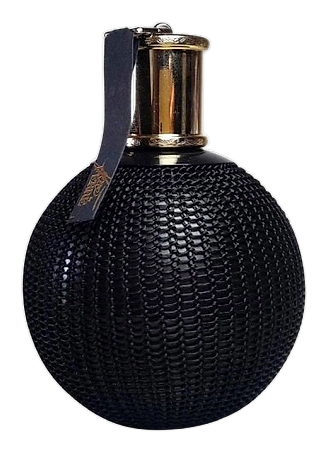
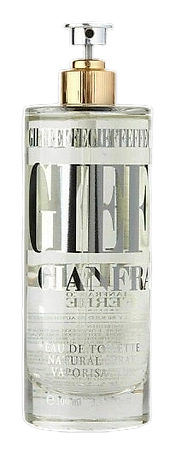
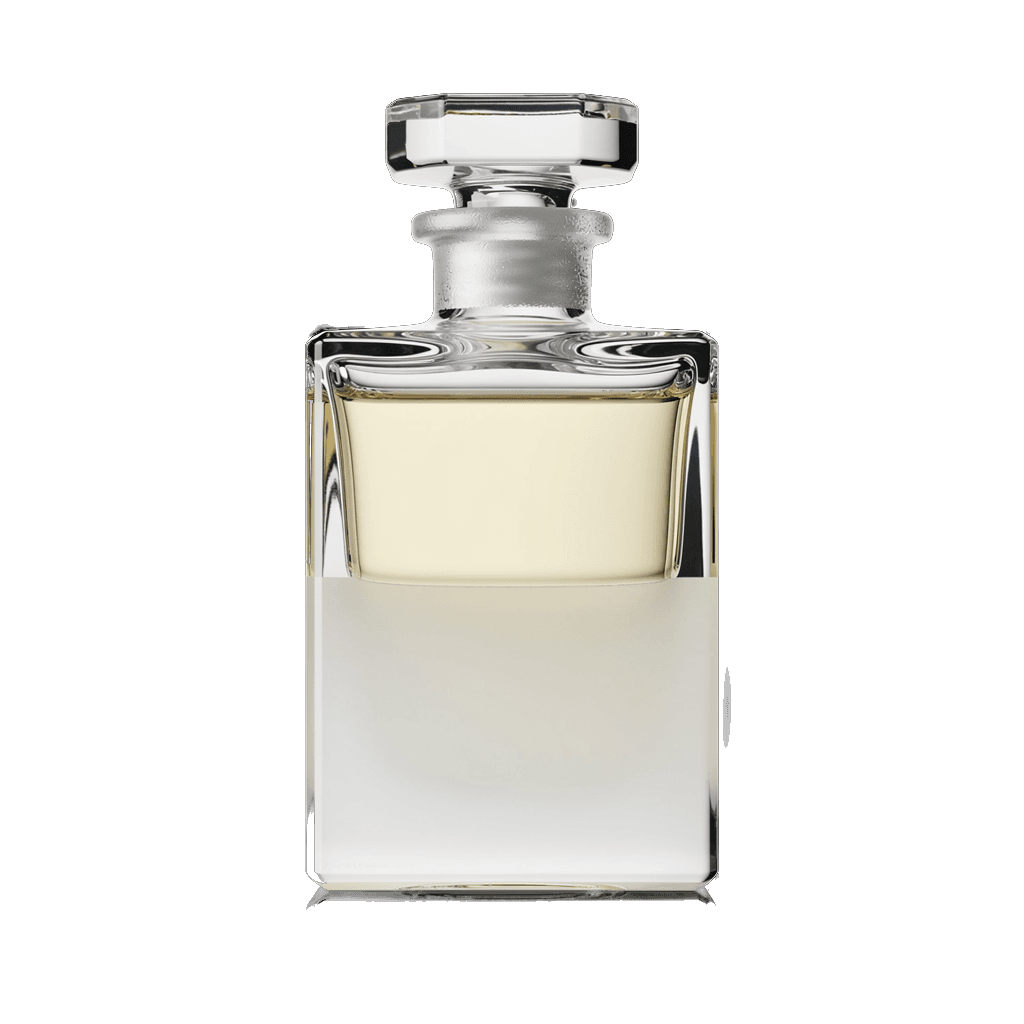
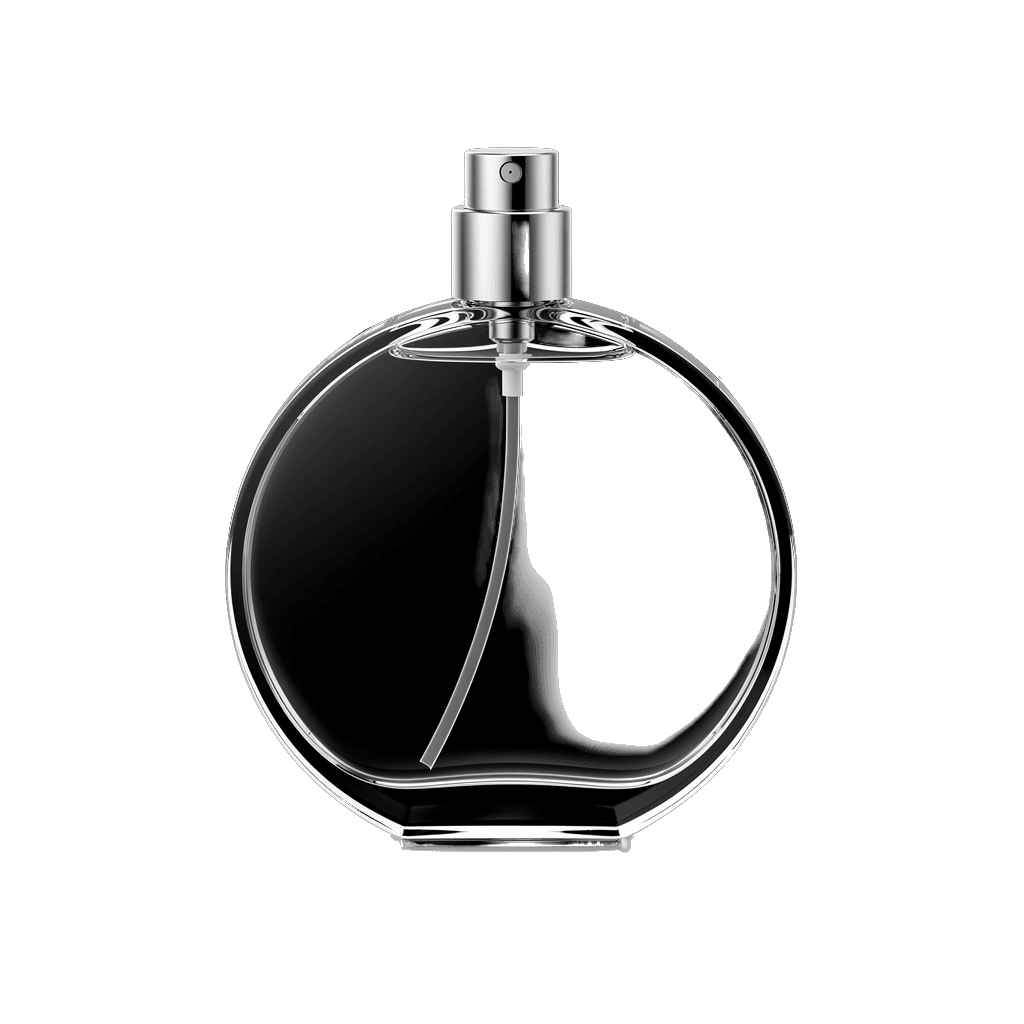
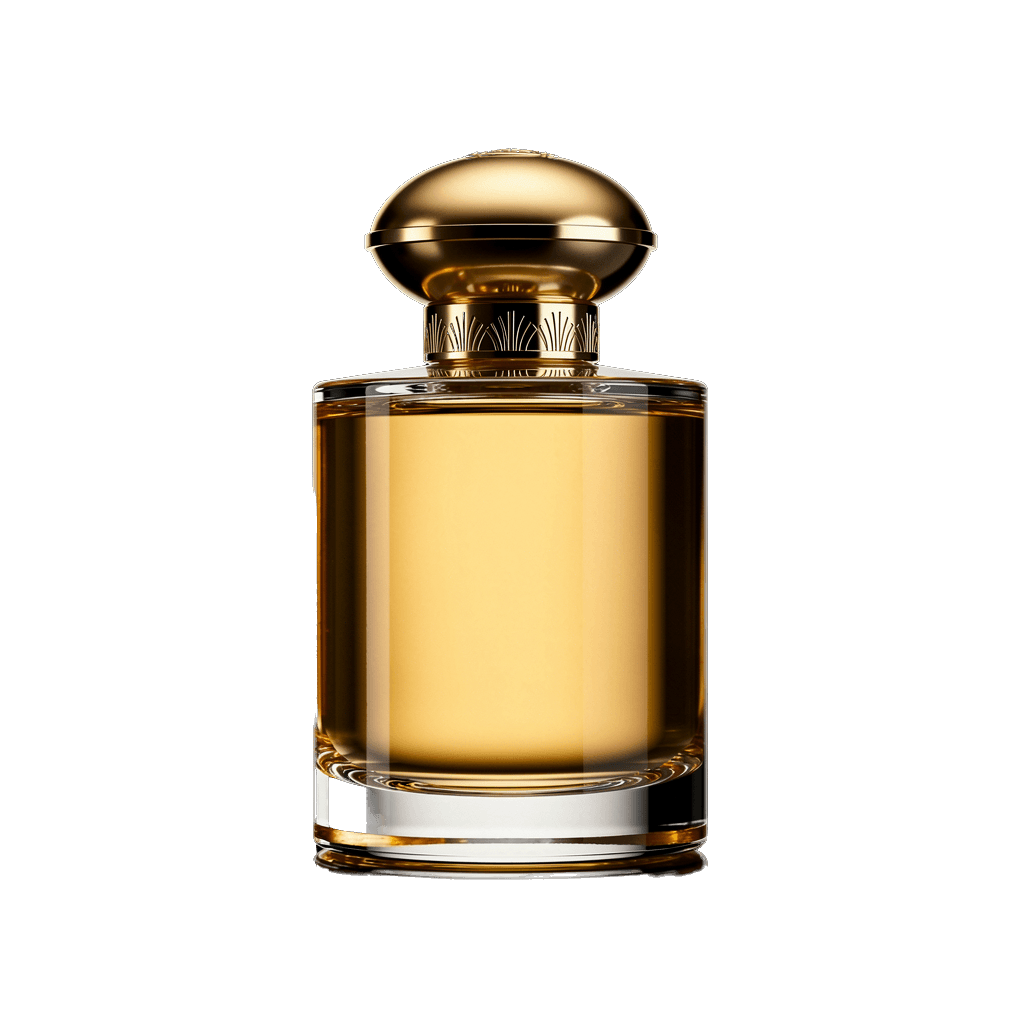
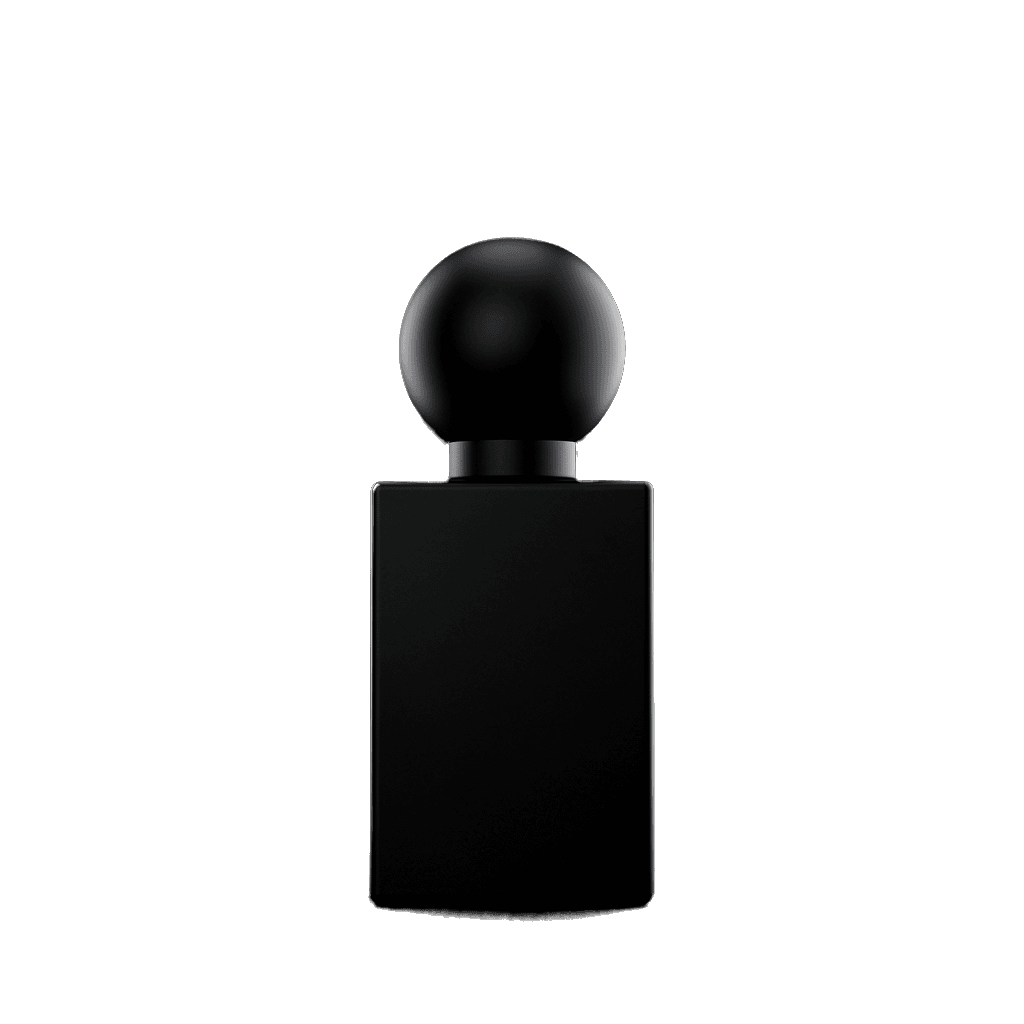
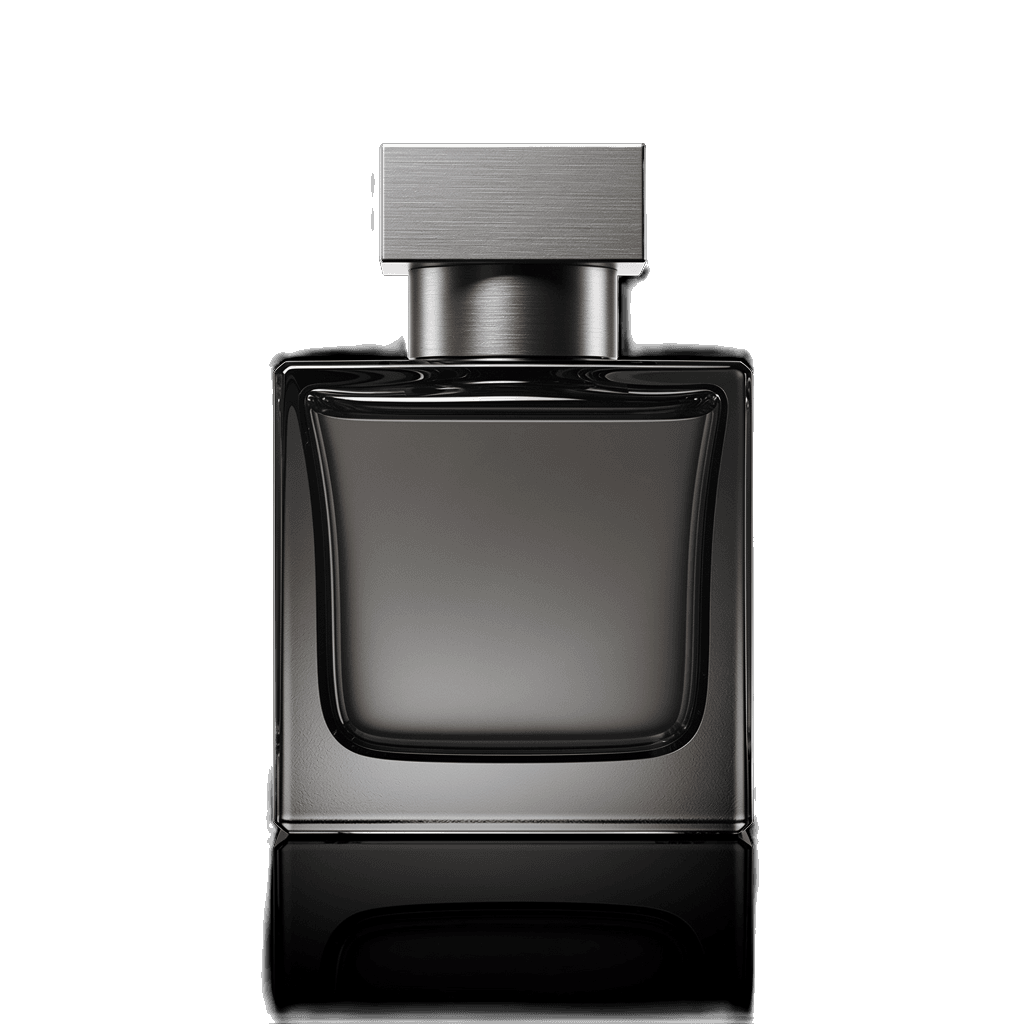
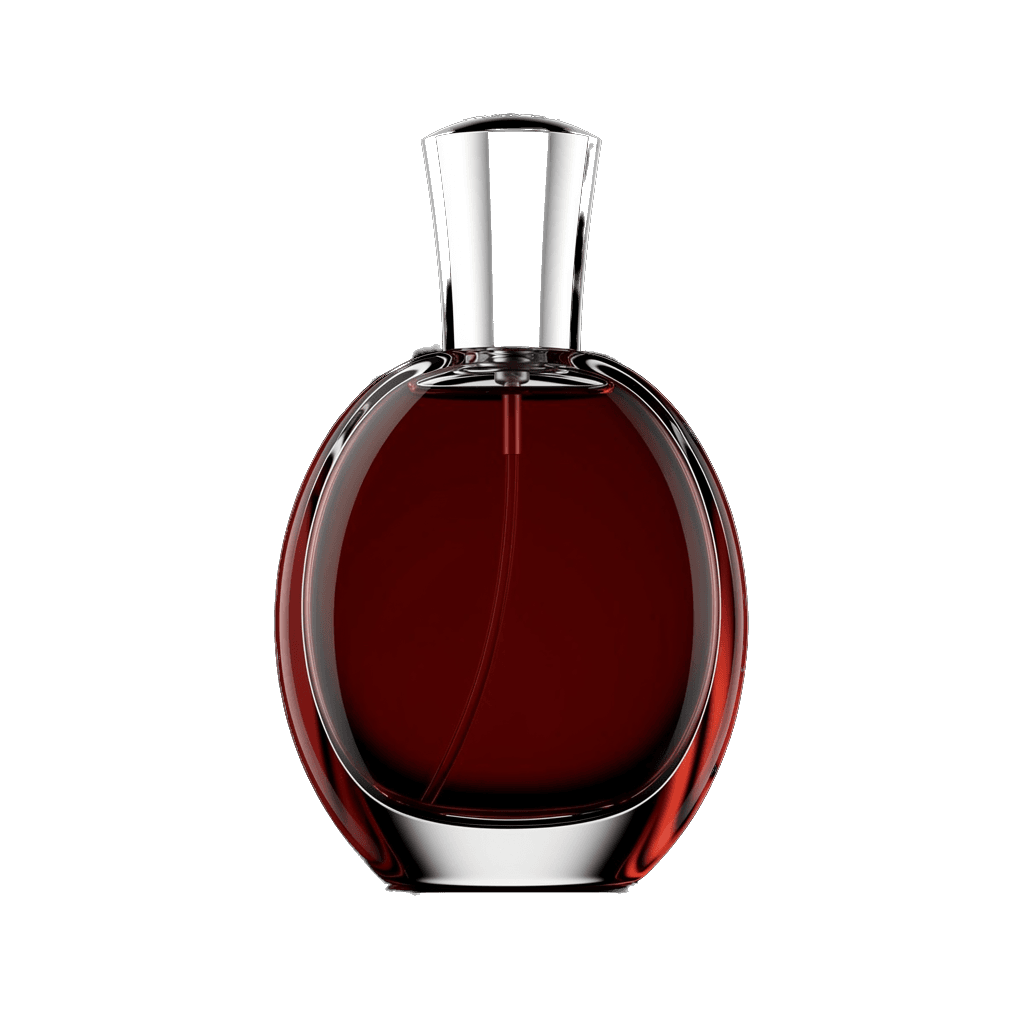
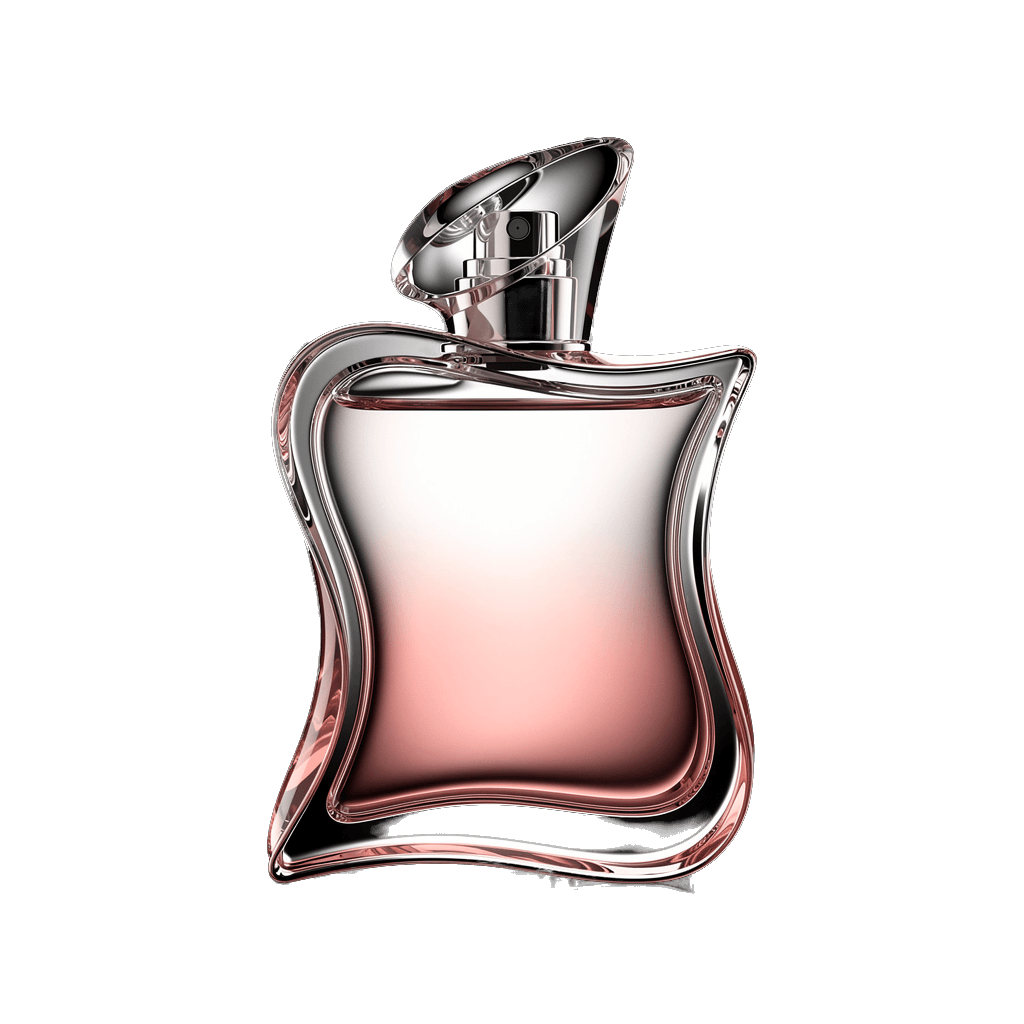
Visually, Gianfranco Ferre presents a restrained palette of monochrome and muted metallics, echoing the architect‑designer’s preference for structural clarity. Early bottles featured simple rectangular flasks with thin, brushed‑aluminum caps, a nod to the steel frameworks that appeared in his runway shows. Later releases, such as Pontaccio 21, introduced a subtle wave pattern on the glass to suggest the marine inspiration behind the scent, while retaining the brand’s signature straight‑edge silhouette. Typography across packaging uses a sans‑serif typeface that mirrors the clean cuts of his clothing, and the label placement is deliberately off‑center, creating a visual tension that feels intentional rather than decorative. Advertising imagery often showcases the fragrance beside architectural sketches or minimalist interiors, reinforcing the idea that scent, like space, can be both functional and beautiful. The overall visual identity avoids overt ornamentation, instead relying on proportion, balance, and a muted color scheme that conveys quiet confidence.
Philosophy
The creative vision behind Gianfranco Ferre’s fragrances mirrors the founder’s belief that clothing and scent are parallel expressions of space. Ferré once described his work as constructing “architectural lines” that guide the eye; the perfume team translates that language into olfactory architecture, layering notes as if they were structural beams. The brand values restraint over excess, preferring a clear silhouette of scent that reveals itself gradually, much like a well‑cut suit unfolds on the body. Sustainability entered the conversation in the 2010s, prompting the house to prioritize responsibly sourced raw materials and to work with suppliers who adhere to fair‑trade standards. Transparency about ingredient origins is now a core tenet, allowing consumers to understand the provenance of ingredients such as Sicilian bergamot or Tuscan lavender. By treating fragrance as a built environment, Gianfranco Ferre seeks to create experiences that feel both personal and universally resonant, inviting wearers to inhabit a scent‑filled space that reflects their own inner architecture.
Key Milestones
1978
Gianfranco Ferré launches his eponymous fashion house in Italy, establishing a reputation for architectural tailoring.
1984
The first Gianfranco Ferre fragrance debuts, distributed by Diana de Silva, introducing the brand’s minimalist scent language.
1991
Ferre by Ferre is released, expanding the line with a more polished, fully‑developed composition that references the earlier Iris Poudre inspiration.
1998
GFF Uomo arrives, offering a masculine counterpart that reflects the house’s evolving runway silhouettes.
2005
Pontaccio 21 Eau de Cologne launches, combining marine accords with citrus to celebrate the brand’s Italian heritage.
2006
Ferre for Men is introduced, created by renowned perfumer Pierre Bourdon, reinterpreting the original 1984 scent for a modern audience.
At a Glance
Brand profile snapshot
Origin
Italy
Founded
1978
Heritage
48
Years active
Collection
2
Fragrances released
Avg Rating
3.9
Community sentiment
Release Rhythm