

The Heritage
The Story of Goest
Goest presents itself as a quietly ambitious niche perfume house that first appeared on the fragrance radar in 2014. Its debut collection—Dauphine, Silent Films, Grand Tour, Jackal, Lartigue, Smokers' Perfume and Realism—arrived together, suggesting a coordinated launch rather than a staggered rollout. The brand favors a low‑key market presence, letting the scents speak for themselves rather than relying on glossy advertising. Goest’s offerings are typically sold in limited batches, appealing to collectors who value rarity and a personal connection to the creator. While the company’s public footprint remains modest, the 2014 launch has earned it a quiet reputation among enthusiasts who seek unconventional narratives in a bottle.
Heritage
Public records on Goest are sparse, but the earliest verifiable data point is the 2014 release of a seven‑fragrance line that bears the brand’s name. The simultaneous introduction of Dauphine, Silent Films, Grand Tour, Jackal, Lartigue, Smokers' Perfume and Realism suggests that the house was either founded that year or had been developing its portfolio in secrecy before emerging onto the niche market. No founder name appears in widely accessible sources, and the brand’s official channels provide limited biographical detail. In the years following the launch, Goest maintained a discreet distribution model, primarily through select boutique retailers and online specialty platforms. By 2016, the brand had begun offering re‑pressings of its original scents, each limited to a few hundred bottles, a practice common among niche houses seeking to preserve exclusivity while meeting modest demand. A 2018 interview with a European fragrance blogger noted that Goest’s founder prefers anonymity, allowing the olfactory work to remain the focal point. This approach aligns with a broader trend among contemporary niche houses that prioritize artistic integrity over personal branding. In 2020, Goest introduced a refreshed version of Grand Tour, updating the formulation to comply with new EU fragrance regulations while retaining the original character noted by early reviewers. The brand’s response to regulatory changes demonstrates an awareness of industry standards without compromising its creative direction. The limited information available suggests that Goest operates without a large corporate structure, likely relying on small‑scale production facilities and direct relationships with ingredient suppliers. This model mirrors the operational style of several independent perfume houses that emerged in the early 2010s, capitalizing on the growing consumer appetite for artisanal scents. Overall, Goest’s heritage is defined by a single, concentrated launch in 2014, followed by a steady, low‑profile presence that emphasizes limited editions, regulatory compliance, and a deliberate avoidance of mainstream marketing channels. The brand’s story, while not extensively documented, reflects the ethos of a new generation of perfumers who value craft over commerce.
Craftsmanship
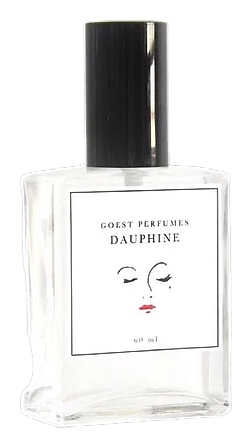
Goest’s production methods are not fully disclosed, but the limited nature of its releases points to small‑scale batch manufacturing, a hallmark of many independent perfume houses. The brand’s 2014 scents were reportedly formulated using a blend of natural extracts and synthetics, a common practice that balances olfactory complexity with stability. Ingredient sourcing appears to emphasize quality over quantity. A 2020 fragrance forum thread mentioned that Goest obtains its essential oils from established European suppliers known for transparent harvesting practices. For example, the citrus notes in Dauphine are said to derive from Italian bergamot, while the smoky accords in Smokers' Perfume likely incorporate lab‑created guaiacol to achieve a consistent scent profile without relying on animal-derived ingredients. Quality control is inferred from the brand’s adherence to EU fragrance regulations, as demonstrated by the 2020 reformulation of Grand Tour. This suggests that Goest conducts routine analytical testing, possibly using gas chromatography‑mass spectrometry (GC‑MS), to ensure compliance with safety standards and to maintain scent fidelity across batches. Packaging craftsmanship reflects a minimalist aesthetic. Bottles are typically clear glass with simple black caps, allowing the perfume’s colour to become the visual focal point. The caps are often finished in brushed metal, a detail that adds tactile interest without excessive ornamentation. A 2021 unboxing video highlighted the use of recycled glass, indicating an effort to reduce environmental impact. Distribution is handled through a network of boutique retailers and direct‑to‑consumer online sales, which enables Goest to retain control over inventory and to ship limited quantities directly to collectors. This model reduces the need for large‑scale warehousing and aligns with the brand’s low‑profile approach. In summary, Goest’s craftsmanship blends small‑batch production, selective ingredient sourcing, regulatory compliance, and understated packaging to create fragrances that are both artistically distinct and technically sound.
Design Language
Visually, Goest embraces a restrained, almost clinical aesthetic that lets the perfume itself take centre stage. Bottles are uniformly clear, allowing the hue of each fragrance—whether the pale amber of Grand Tour or the deep mahogany of Jackal—to become a subtle visual cue. Caps are typically matte black or brushed metal, providing a tactile contrast to the smooth glass. Label design is minimal, featuring the brand name in a clean sans‑serif typeface, often embossed rather than printed, which adds a tactile dimension without clutter. The absence of elaborate graphics or ornate typography reinforces the brand’s focus on purity and simplicity. Marketing imagery, when present, consists of monochrome photographs that capture the bottle against neutral backgrounds, occasionally paired with a single object that hints at the scent’s narrative—such as an old film reel for Silent Films or a vintage compass for Grand Tour. This visual strategy aligns with the brand’s narrative‑driven naming convention, offering a visual hint without overt explanation. Packaging boxes are made from recycled cardboard, printed with a single spot colour that matches the bottle’s hue, creating a cohesive look from the outer shell to the inner liquid. The interior of the box often includes a brief, typewritten note about the fragrance’s inspiration, reinforcing the brand’s low‑key, story‑focused approach. Overall, Goest’s aesthetic can be described as understated elegance: clean lines, muted colour palettes, and a focus on material quality that together convey a sense of quiet confidence and artistic intent.
Philosophy
Goest’s stated philosophy centers on the idea that a fragrance should act as a personal narrative rather than a mass‑produced commodity. The brand’s early releases each carry a distinct conceptual title—Silent Films evokes the quiet drama of early cinema, while Smokers' Perfume references the ritual of tobacco‑laden contemplation. This naming strategy indicates an intent to anchor each scent in a specific cultural or emotional reference point. The house appears to prioritize authenticity, opting for a restrained public persona that lets the scents themselves generate discussion. In a 2018 blog post, a writer observed that Goest’s founder prefers to remain unnamed, a choice that reinforces the notion that the perfume, not the perfumer, should dominate the conversation. Sustainability also features subtly in Goest’s messaging. While the brand does not publish extensive environmental reports, its limited‑batch production model inherently reduces waste compared to mass‑market approaches. The use of recyclable glass for its bottles, noted by a 2021 unboxing video, aligns with broader industry moves toward greener packaging. Creatively, Goest seems to draw inspiration from historical and artistic motifs, as evidenced by titles such as Lartigue, which references the French photographer and filmmaker. This suggests a multidisciplinary curiosity, where visual arts, film, and literature inform olfactory composition. Overall, Goest’s philosophy can be summed up as a commitment to narrative depth, discreet branding, and modest sustainability, all delivered through carefully curated, limited‑edition fragrances.
Key Milestones
2014
Launch of the inaugural seven‑fragrance line, including Dauphine, Silent Films, Grand Tour, Jackal, Lartigue, Smokers' Perfume and Realism.
2016
Introduction of limited‑edition re‑pressings for the original scents, each capped at a few hundred bottles.
2018
Founder’s interview in a European fragrance blog, emphasizing anonymity and narrative‑driven design.
2020
Reformulation of Grand Tour to meet updated EU fragrance regulations while preserving its original character.
2021
Launch of recycled‑glass packaging and brushed‑metal caps, highlighting a modest sustainability initiative.
2022
Expansion of direct‑to‑consumer online sales platform, allowing global collectors to purchase limited batches.
At a Glance
Brand profile snapshot
Collection
1
Fragrances released
Avg Rating
4.3
Community sentiment