








The Heritage
The Story of Grossmith
Grossmith is a British perfume house that traces its roots to the heart of London in 1835. Founded by John Grossmith, the brand has survived the rise and fall of empires, two world wars, and the shift from artisanal workshops to modern laboratories. Today it offers a curated line of heritage fragrances such as Sylvan Song (2014) and King's Salute (2023), each echoing a century‑plus of British scent tradition while speaking to contemporary tastes.
Heritage
John Grossmith opened his first perfumery on a modest street in the City of London in 1835. Early records show that the shop supplied scented oils to saddlers and glove makers, a niche that helped the fledgling business survive the competitive market of Victorian London. By the late 1800s Grossmith introduced a series of court‑approved fragrances, including Phul‑Nana (1891) and Betrothal (1893), which were presented to members of the royal household. The brand’s catalogue expanded in the early 20th century with the launch of Shem‑el‑Nessim in 1906, a scent inspired by the Egyptian spring festival. World War II forced the closure of many small perfumeries, yet Grossmith kept its core formulas in a family vault, protecting them from loss. After the war the house reopened under the stewardship of John’s grandson, who modernised production while preserving the original recipes. In the 1990s the line fell into quiet dormancy, but the great‑grandson of the founder revived the brand in 2018, re‑issuing classic scents and adding new creations such as Sylvan Song (2014) and Paris Rose (2016). The 2023 release King’s Salute marked the first royal‑inspired fragrance in over a century, reaffirming Grossmith’s historic link to British ceremonial occasions. Throughout its 190‑year journey the house has remained family‑owned, with each generation adding a layer of narrative to the enduring scent legacy.
Craftsmanship
Every Grossmith fragrance begins with a brief that references a historical event or cultural practice. The perfumers then consult archival notebooks that contain original 19th‑century recipes, noting the ratios of essential oils, absolutes, and aromatic compounds. Ingredients are sourced from regions with a documented track record of quality: Bulgarian rose from the Rose Valley, Indian sandalwood from sustainably managed forests, and French bergamot from the Côte d’Azur. Once the raw materials arrive, master blenders weigh each component on a precision scale, following the documented formula while allowing subtle adjustments for contemporary stability standards. The mixtures undergo a slow maceration process in temperature‑controlled rooms, often lasting several months, to allow the notes to integrate fully. Quality control includes gas‑chromatography analysis to verify the presence of key aromatic molecules and sensory panels that assess the scent’s evolution over time. Bottles are filled by hand in a cleanroom environment, sealed with waxed corks, and stored in dark wooden crates before distribution. The house maintains a family vault where original tinctures are kept at a constant temperature, ensuring that the heritage formulas remain untouched for future reinterpretations.
Design Language
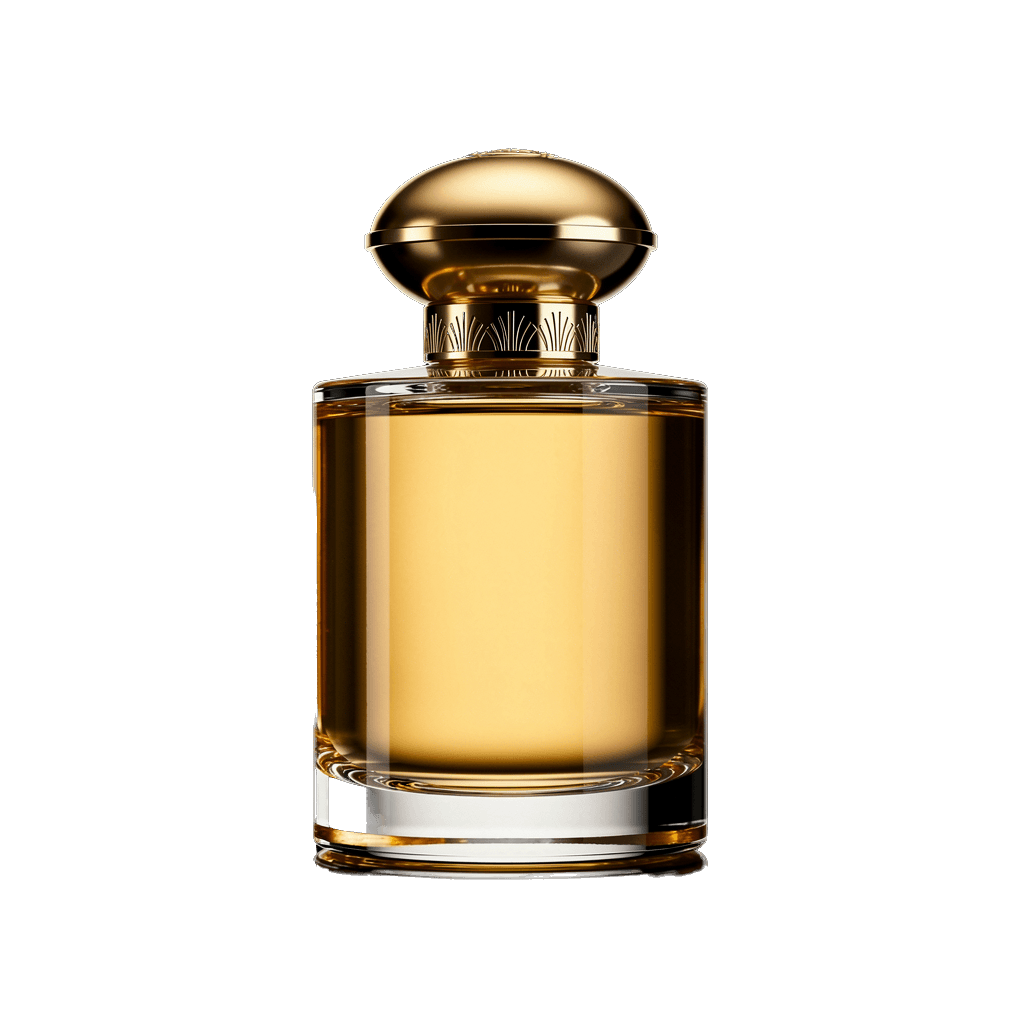
Grossmith’s visual language reflects its Victorian origins while embracing a restrained modernity. The brand’s logo features a stylised monogram of the letters ‘G’ and ‘S’, rendered in a serif typeface that evokes 19th‑century print. Bottles are crafted from clear glass with a modestly thick base, allowing the colour of the perfume to become part of the design. Caps are finished in brushed brass, engraved with the year of the fragrance’s original launch, linking each new edition to its historic predecessor. Labels use muted parchment tones, printed with black ink and accented by a single line of gold foil that denotes the scent’s name. The packaging often includes a small vellum card that outlines the fragrance’s backstory, reinforcing the brand’s narrative focus. Retail displays echo the aesthetic of a classic London apothecary, with dark wood shelving, brass fixtures, and soft amber lighting that highlights the bottles without overwhelming the senses.
Philosophy
Grossmith approaches perfumery as a dialogue between history and the present. The house believes that a fragrance should tell a story that can be sensed, not just read. Its creative team selects themes rooted in British cultural moments—royal ceremonies, seasonal festivals, and literary motifs—and translates them into olfactory compositions. The brand values transparency; it documents the provenance of each ingredient and the lineage of each formula. Sustainability guides sourcing decisions, with a preference for natural extracts harvested under fair‑trade agreements. Grossmith also respects the craft of its artisans, encouraging hands‑on blending rather than relying solely on digital simulations. The result is a collection that feels both timeless and immediate, inviting wearers to experience a piece of British heritage in a modern context.
Key Milestones
1835
John Grossmith establishes the perfumery in the City of London, initially supplying scented oils to saddlers and glove makers.
1891
Launch of Phul‑Nana, one of the house’s earliest court‑approved fragrances.
1906
Introduction of Shem‑el‑Nessim, inspired by the Egyptian spring festival.
1940
World War II prompts the safeguarding of original formulas in a family vault.
2014
Release of Sylvan Song, marking the brand’s return to contemporary fragrance markets.
2018
Great‑grandson revives the Grossmith label, re‑issuing classic scents and expanding the portfolio.
At a Glance
Brand profile snapshot
Origin
United Kingdom
Founded
1835
Heritage
191
Years active
Release Rhythm