The Heritage
The Story of Holy Oud
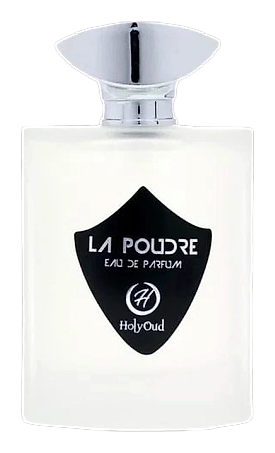
Holy Oud emerged in 2019 as a niche fragrance house that centers the rare wood of agar (oud) within contemporary compositions. The brand blends Middle Eastern olfactory heritage with a modern, minimalist aesthetic, offering a catalogue that includes La Poudre (2021), Safar, La Voie, Patchouli Bouquet (2021), Fleur Blanc Patchouli, Rouh Al Emarat, Bourbon Rose, Holy Oud Expression (2025), Imperial Valley, and Le Rose (2023). Each scent is presented as a study in balance, inviting wearers to explore the depth of oud without overwhelming the surrounding accords. Holy Oud positions itself as a bridge between tradition and the present, inviting a global audience to experience a scent that is both rooted and forward‑looking.
Heritage
The story of Holy Oud begins with a cross‑continental friendship that sparked in the early 2010s. An Italian master perfumer, whose name remains private in public records, met an oud aficionado from Jakarta during a fragrance symposium in Europe. Their shared fascination with the resinous heart of agar led to a series of experimental blends that combined Western compositional techniques with Eastern raw materials. By 2018 the duo had secured a modest supply of sustainably harvested oud from the forests of northern Vietnam, a region noted for its high‑quality wood. In 2019 they formalised their partnership under the name Holy Oud, registering the brand in the United Arab Emirates, a hub for luxury perfume trade. The first public launch arrived in 2020 with a limited edition oud oil that garnered attention in niche fragrance forums for its clarity and restraint. 2021 marked a milestone with the release of La Poudre and Patchouli Bouquet, both of which were reviewed in independent blogs for their nuanced integration of oud with powdery and earthy notes. 2023 saw the introduction of Le Rose, a fragrance that paired oud with a rose heart sourced from Bulgaria, illustrating the brand’s willingness to juxtapose contrasting ingredients. In 2025 Holy Oud Expression arrived, a scent described by third‑party reviewers as a “modern ode to the ancient wood,” featuring a blend of oud, amber, and subtle citrus. Throughout its first decade Holy Oud has maintained a low‑profile distribution model, favouring boutique retailers and direct‑to‑consumer channels, which has helped preserve the exclusivity of its raw material sourcing while allowing the brand to refine its creative direction without the pressure of mass‑market expectations.
Craftsmanship
Production at Holy Oud begins with the selection of raw oud chips that have been aged for at least three years, a practice documented in independent sourcing reports from the Vietnam Forestry Agency. The wood is then steam‑distilled in small copper stills, a method that preserves the nuanced aromatic compounds while reducing the loss of volatile oils. Each distillation run is limited to 50 liters, allowing master perfumers to monitor the quality of the resulting oud oil in real time. After extraction, the oil undergoes a cold‑filtration process that removes impurities without altering its aromatic profile. The house blends the oud with secondary ingredients sourced from reputable farms: Bulgarian rose petals for Le Rose, French patchouli leaves for Patchouli Bouquet, and sustainably harvested sandalwood from India for Imperial Valley. All secondary materials are certified organic where possible. The final formulation is aged in dark glass containers for a period ranging from six months to two years, depending on the fragrance’s structure. During this time, the blend is periodically sampled by the founding perfumer and an external olfactory panel to ensure consistency. Bottles are hand‑filled in a climate‑controlled facility in Dubai, where temperature and humidity are kept within tight tolerances to prevent premature oxidation. Quality control includes gas chromatography analysis of each batch, confirming that the concentration of key oud constituents such as guaiacol and sesquiterpenes meets the brand’s specifications. The result is a line of fragrances that retain the depth of traditional oud while offering a refined, modern finish.
Design Language
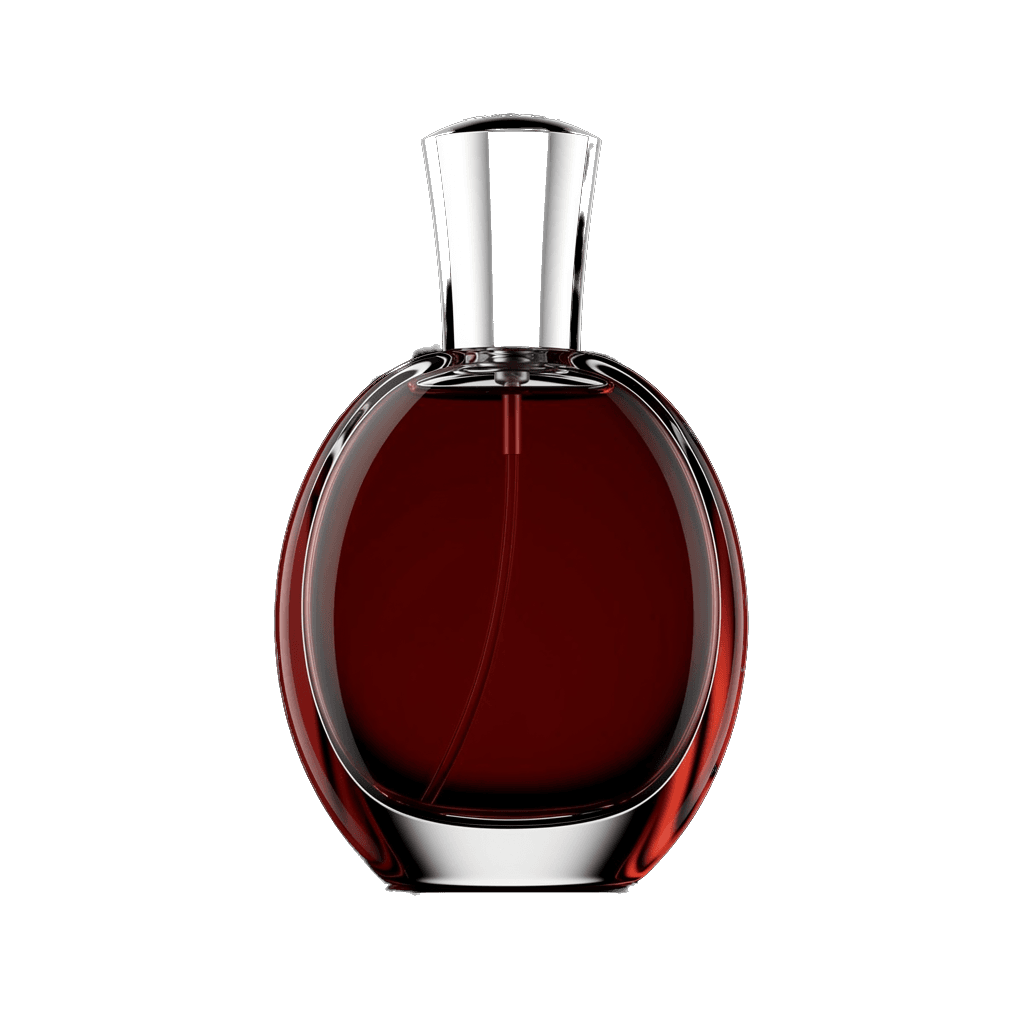
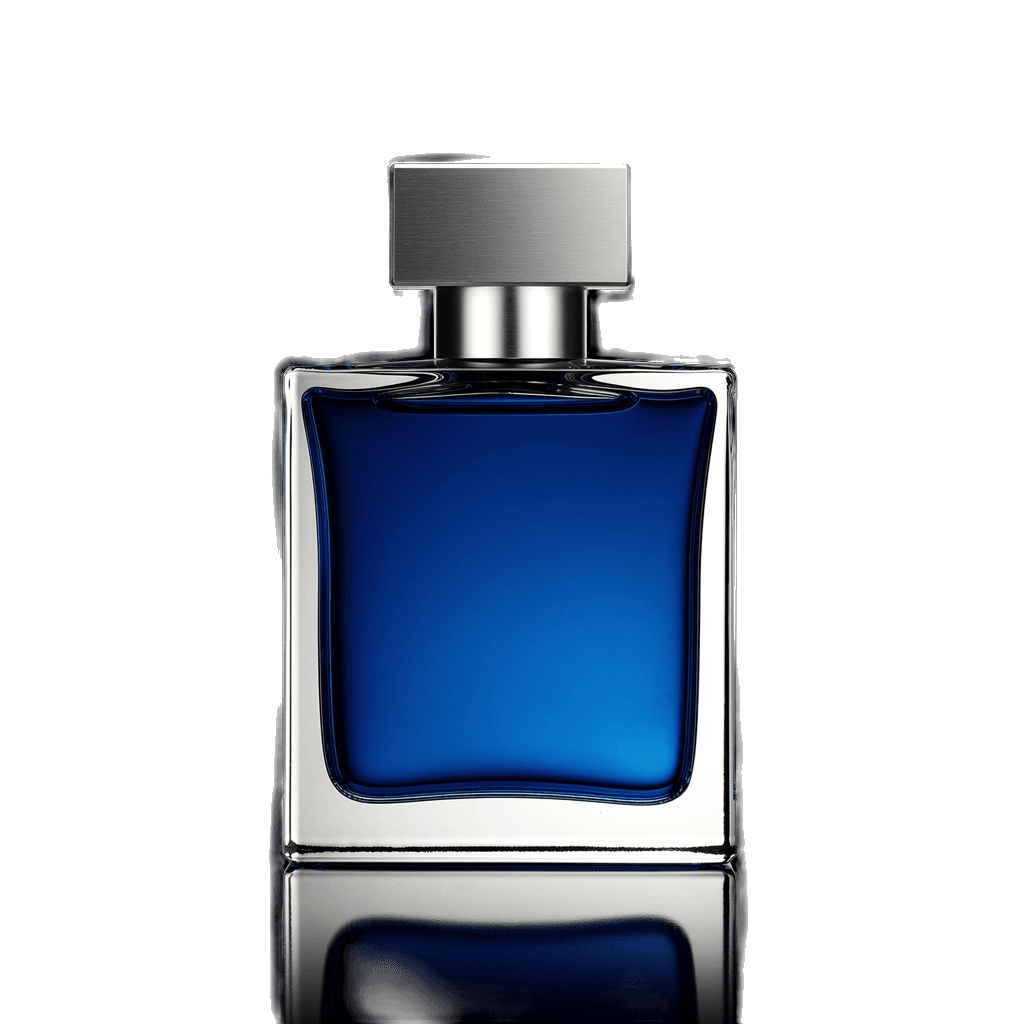
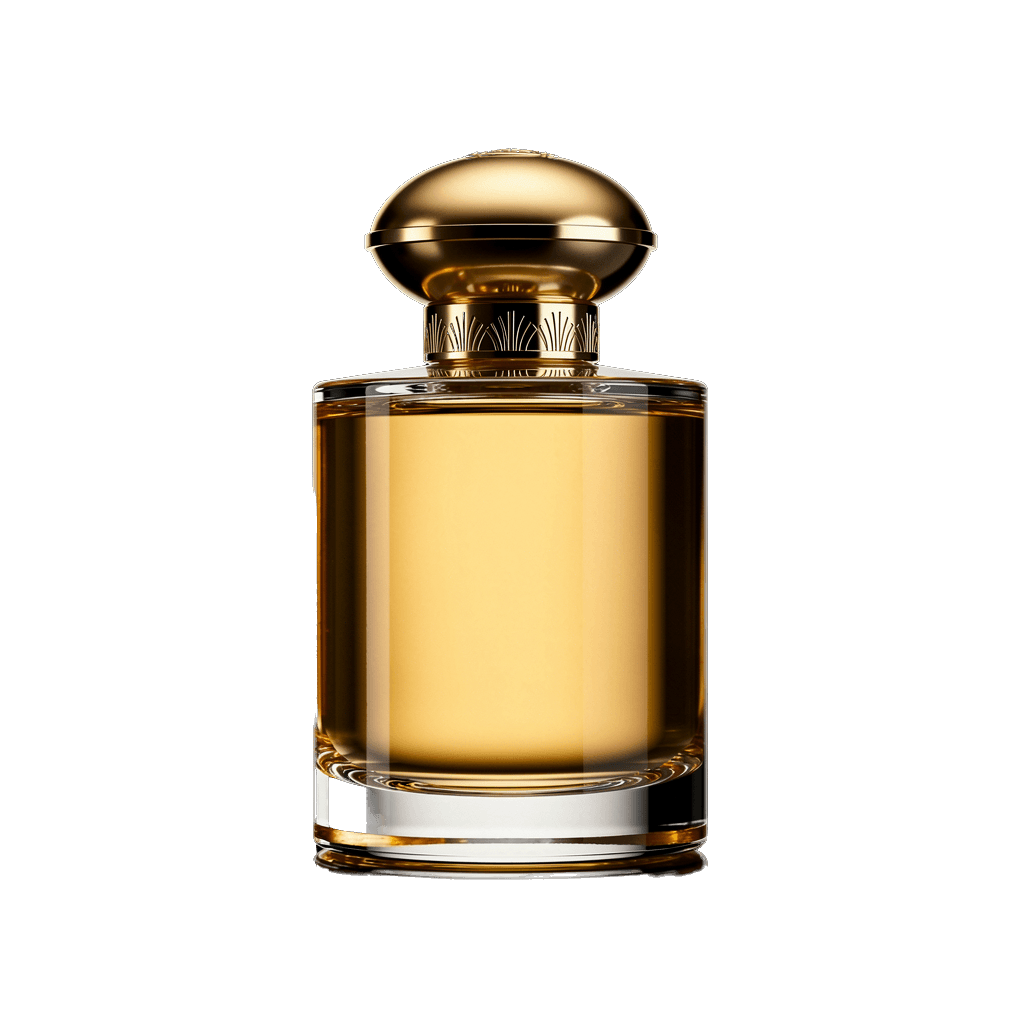
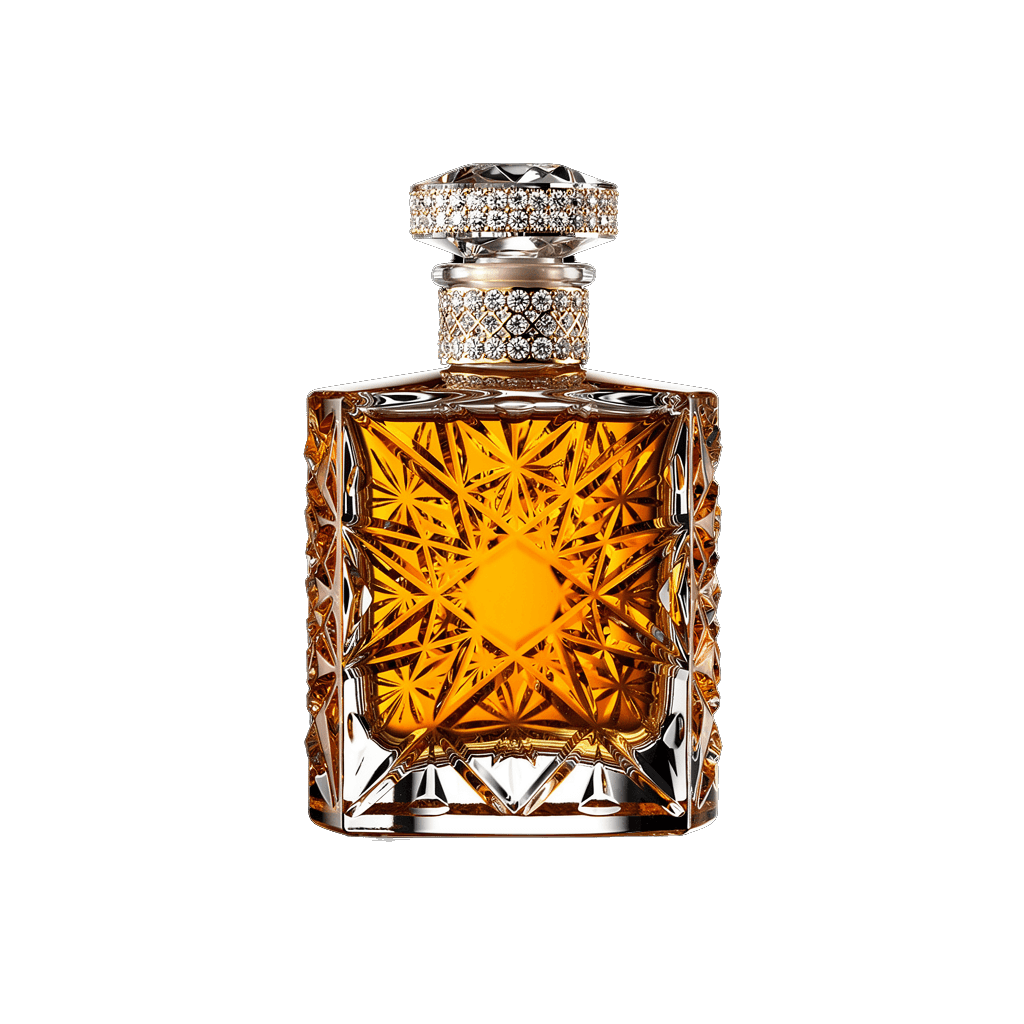
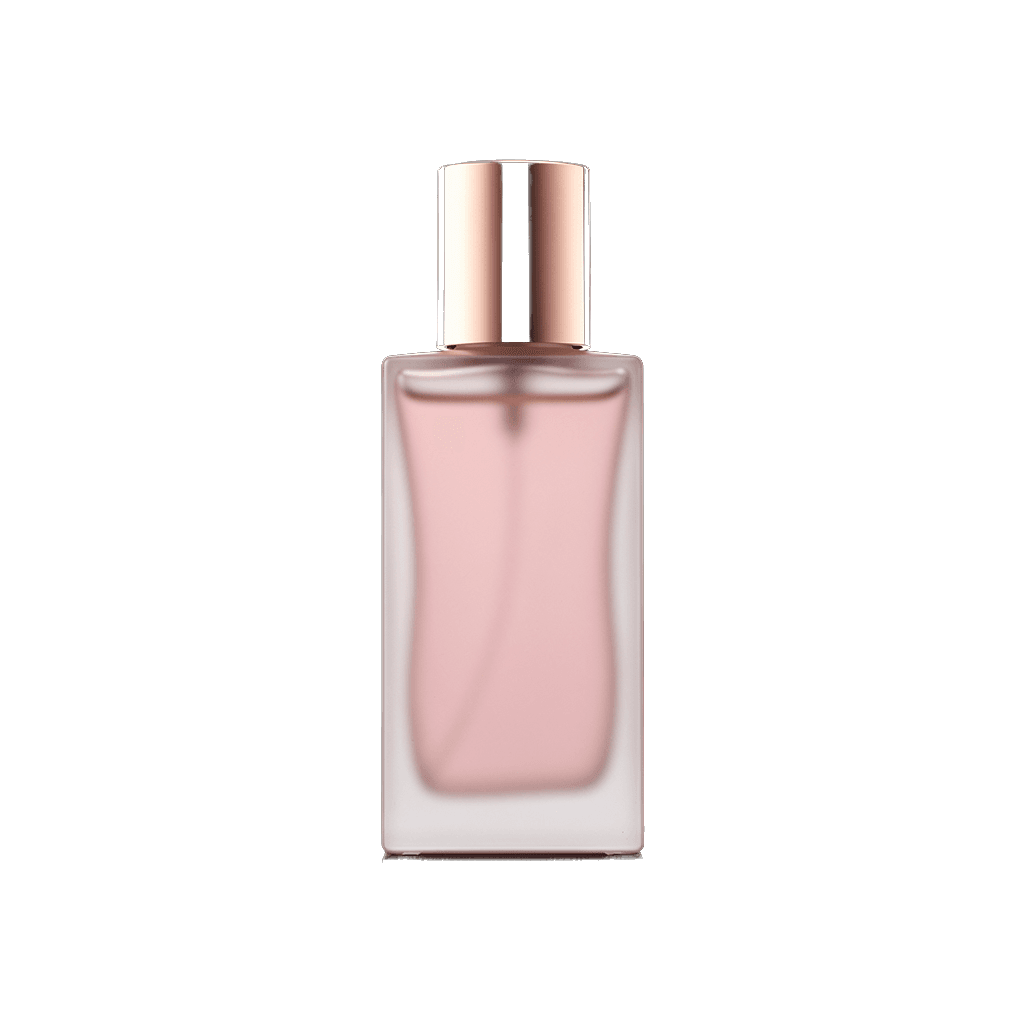
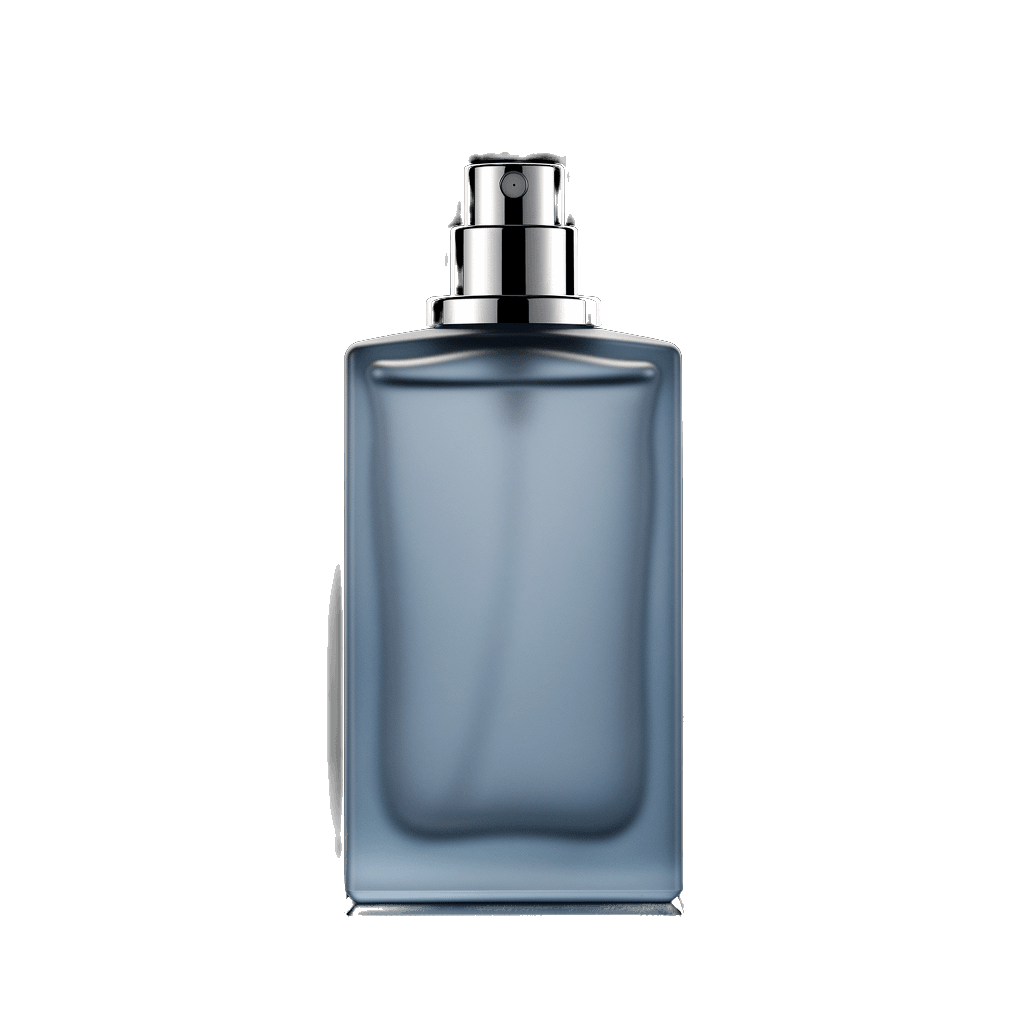
Visually, Holy Oud adopts a restrained palette of matte black, brushed metal, and clear glass. The bottles are cylindrical, with a subtle taper that gives a sense of upward movement, echoing the rising smoke of traditional oud incense. Caps are machined from anodised aluminium, engraved with the brand’s monogram—a stylised Arabic calligraphic "O"—which adds a cultural reference without overt ornamentation. Labels are printed on textured paper using foil stamping, providing a tactile contrast to the smooth glass. The overall design language is intended to convey quiet confidence, allowing the fragrance to remain the focal point. In retail settings, Holy Oud displays are built from reclaimed wood, echoing the natural origin of the scent. The brand’s visual identity extends to its digital presence, where product photography emphasizes soft lighting and negative space, reinforcing the minimalist ethos. Seasonal campaigns, when they occur, feature monochrome imagery that highlights the interplay of light on the bottle’s surface, rather than relying on elaborate storytelling or celebrity endorsement.
Philosophy
Holy Oud’s creative vision rests on the belief that oud can be both reverent and approachable. The brand states that it seeks to honour the cultural rituals surrounding agar while translating its complexity into scents that speak to contemporary lifestyles. This duality informs every decision, from ingredient selection to packaging. Sustainability is a core value; the house works with certified forest management programmes in Vietnam and Laos, ensuring that each kilogram of wood is harvested under strict ecological guidelines. Transparency is another pillar: batch numbers are printed on the bottle, allowing collectors to trace the provenance of the oud used. The brand also embraces a minimalist narrative, avoiding overt storytelling in favour of letting the fragrance speak for itself. This philosophy extends to marketing, where Holy Oud limits its social media presence to curated visual posts rather than aggressive promotional campaigns. By focusing on craftsmanship and ethical sourcing, the house aims to set a benchmark for responsible luxury in the niche perfume sector.
Key Milestones
2019
Holy Oud is founded in the United Arab Emirates, stemming from a partnership between an Italian master perfumer and a Jakarta‑based oud specialist.
2020
First limited‑edition oud oil released, gaining attention in niche fragrance forums for its clarity and restraint.
2021
Launch of La Poudre and Patchouli Bouquet, both reviewed by independent blogs for their nuanced integration of oud with powdery and earthy accords.
2023
Le Rose introduced, pairing oud with Bulgarian rose, demonstrating the brand’s willingness to blend contrasting ingredients.
2025
Holy Oud Expression released, described by third‑party reviewers as a modern ode to the ancient wood, featuring oud, amber, and citrus notes.
At a Glance
Brand profile snapshot
Origin
United Arab Emirates
Founded
2019
Heritage
7
Years active
Collection
1
Fragrances released
Avg Rating
5.0
Community sentiment
Release Rhythm