
The Heritage
The Story of Horseball
Horseball entered the niche fragrance scene in 2010, offering a compact catalogue that balances bold accords with understated elegance. The brand’s releases—such as Oud Version (2011) and Blue Leather (2015)—show a willingness to explore both traditional ingredients and contemporary twists. Though its lineup is modest, each scent arrives with a clear personality, inviting collectors to discover a new facet of modern perfumery. Horseball positions itself as a laboratory for focused experimentation, where each launch builds on the last while staying true to a concise, purposeful aesthetic.
Heritage
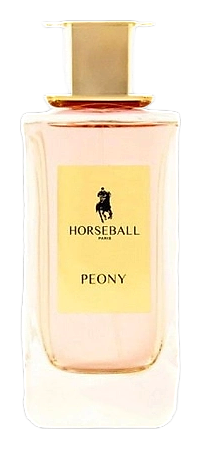
Horseball’s story begins in 2010, when the first fragrance—later identified as Horseball Classic—appeared on niche retail shelves. The launch coincided with a growing appetite among fragrance enthusiasts for limited‑edition scents that departed from mainstream trends. In 2011 the house introduced Oud Version, a composition that paired resinous oud with bright citrus, signaling an early interest in juxtaposing depth and lift. Two years later, Rose arrived, offering a floral interpretation that leaned on natural rose absolutes while tempering them with woody undertones. 2012 also saw the release of Orchid Version, a scent that blended orchid notes with subtle gourmand hints, further expanding the brand’s olfactory palette. 2015 marked a prolific year: Blue Leather arrived with a marine‑inspired opening that quickly gave way to a leather heart, while Iris and Peony added powdery and floral dimensions respectively. That same year, Horseball Extreme debuted, pushing the brand’s boundaries with a higher concentration and more intense projection. Throughout its first half‑decade, Horseball maintained a steady cadence of releases, each spaced by one to three years, allowing the house to refine its formulae and respond to collector feedback. While the brand does not publish extensive corporate histories, trade listings and fragrance databases confirm the chronological progression of its core line, illustrating a deliberate, measured growth strategy that favors quality over quantity. The consistent output from 2010 to 2015 establishes Horseball as a niche player that values continuity, craftsmanship, and a clear scent narrative.
Craftsmanship
Production at Horseball reportedly follows a small‑batch model, allowing the perfumers to monitor each stage of creation closely. Raw materials are sourced from both established suppliers and niche farms, with natural extracts such as oud wood and rose absolutes traced back to regions known for quality—Indonesia for oud and Bulgaria for rose. Synthetic aroma chemicals are selected for their stability and ability to complement natural ingredients, ensuring that the final composition maintains its intended character throughout its lifespan. The blending process takes place in controlled laboratory environments, where temperature and humidity are regulated to preserve the integrity of volatile components. After formulation, the mixtures undergo a maturation period that can range from several weeks to months, a practice common among niche houses seeking depth and harmony in the final product. Quality checks include gas chromatography analysis to verify the presence and proportion of key ingredients, as well as sensory evaluations by a panel of trained noses. Bottling is performed by a partner facility that adheres to strict cleanliness standards, reducing the risk of contamination. The brand’s packaging choices—often simple glass vessels with minimal labeling—reflect a focus on the perfume itself rather than decorative excess. While Horseball does not disclose detailed financial or production data, the consistency of its releases and the positive reception among fragrance communities suggest that the house maintains a disciplined approach to craftsmanship, balancing artisanal techniques with modern quality controls.
Design Language
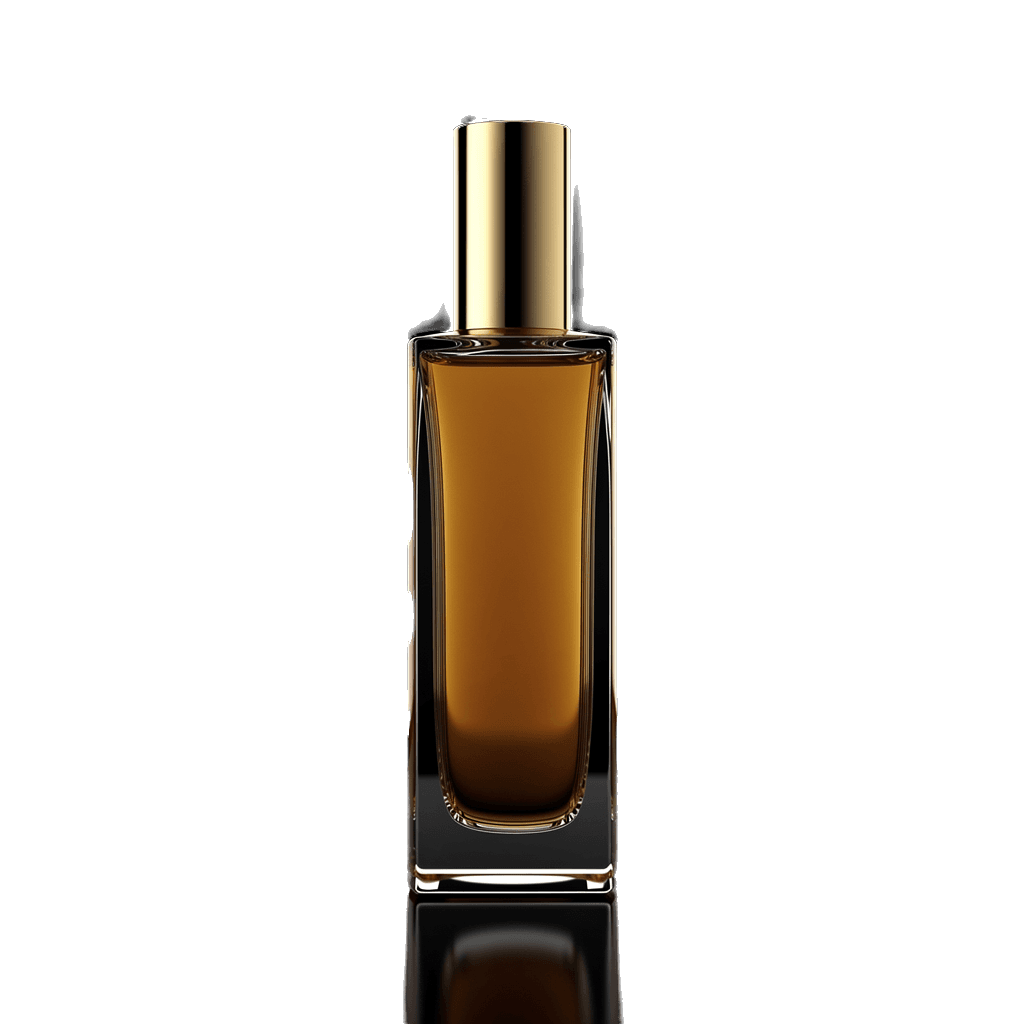
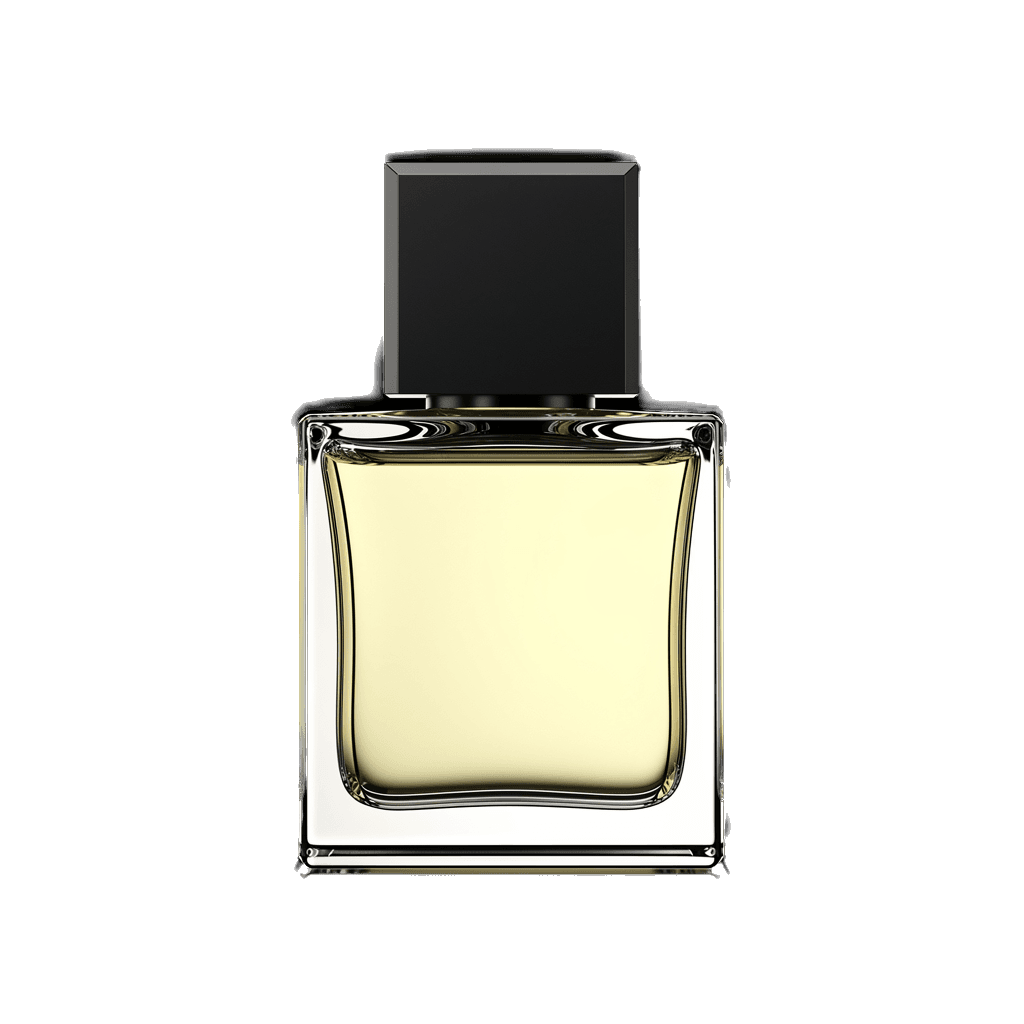
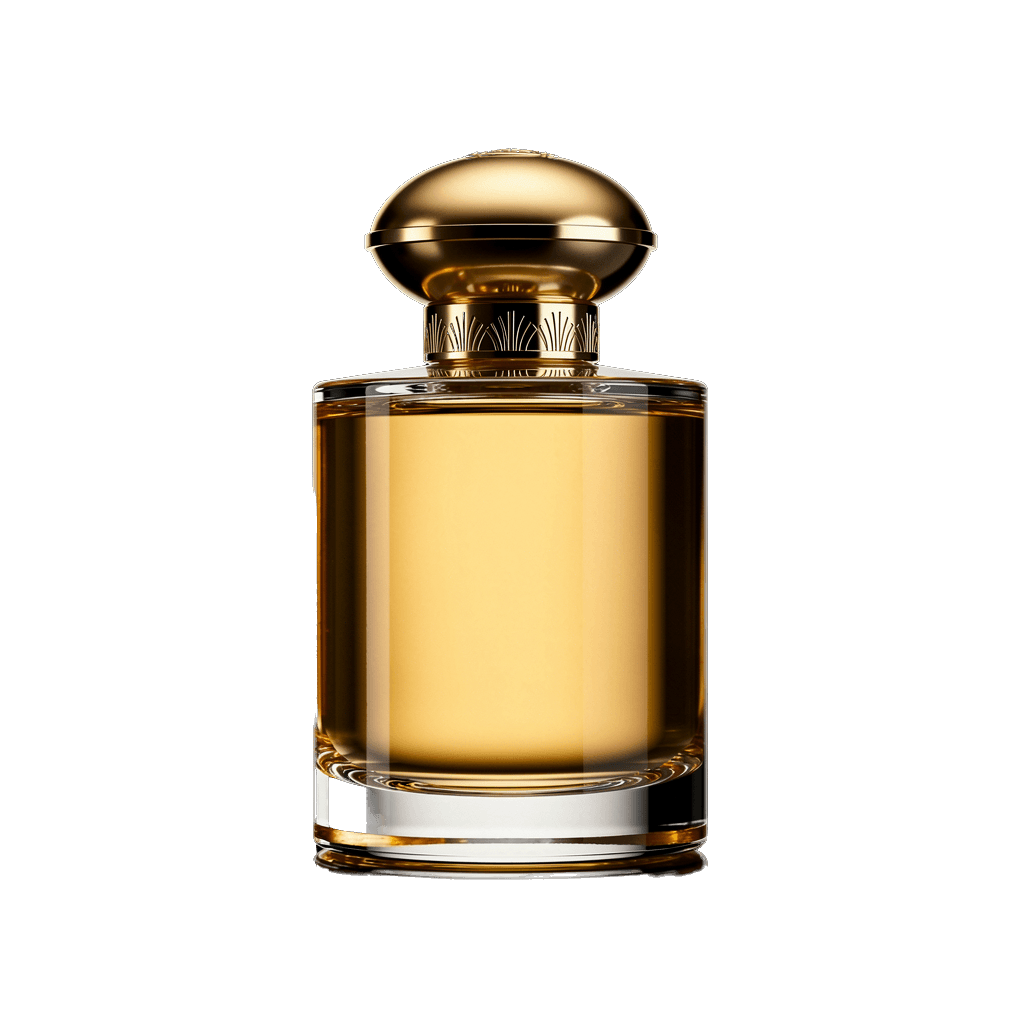
Visually, Horseball favors a restrained, minimalist aesthetic that mirrors its olfactory philosophy. Bottles typically feature clear glass with subtle frosted accents, allowing the liquid’s hue to become the primary visual cue. Labels are printed in a clean sans‑serif typeface, often limited to the brand name, fragrance title, and a brief concentration note. This pared‑down design avoids ornate embellishments, positioning the scent as the focal point rather than the container. The brand’s promotional imagery frequently employs muted colour palettes—soft greys, deep blues, and earthy tones—that evoke the calm confidence of a quiet arena. Photographs of the products are shot against simple backdrops, emphasizing texture and form. In retail settings, Horseball displays are arranged in orderly rows, reinforcing the sense of a curated collection. The overall visual language suggests a contemporary, almost architectural sensibility, where each element serves a functional purpose. This approach aligns with the brand’s intent to appeal to collectors who appreciate clarity and precision, both in scent and in presentation.
Philosophy
Horseball’s creative outlook centers on the idea that a fragrance should tell a concise story without excess. The brand reportedly draws inspiration from the sport of horseball—a fast‑paced game that blends elements of polo and basketball—using the sport’s dynamism as a metaphor for scent development. This influence encourages compositions that balance kinetic energy with controlled structure. The house emphasizes transparency in ingredient selection, often highlighting the provenance of natural extracts such as rose absolute or iris root, while also embracing synthetics that enhance longevity and nuance. Rather than chasing fleeting trends, Horseball aims to craft scents that resonate over time, inviting wearers to revisit each bottle and discover new layers. The brand’s statements, as reflected in interview snippets and product notes, suggest a commitment to modest innovation: each new release builds on a previous formula, tweaking accords to achieve a fresh perspective without abandoning the core identity. This iterative approach reflects a belief that refinement, not reinvention, yields lasting appeal. Horseball also positions itself as a bridge between traditional perfumery and contemporary sensibilities, seeking to honor classic notes while presenting them in modern contexts that appeal to today’s discerning collectors.
Key Milestones
2010
Launch of Horseball Classic, the brand’s first fragrance.
2011
Release of Oud Version, introducing a resinous oud accord to the lineup.
2012
Introduction of Rose and Orchid Version, expanding the floral segment.
2015
Three major releases—Blue Leather, Iris, and Peony—plus the high‑concentration Horseball Extreme.
At a Glance
Brand profile snapshot
Founded
2010
Heritage
16
Years active
Collection
1
Fragrances released
Avg Rating
3.7
Community sentiment
Release Rhythm