The Heritage
The Story of I Profumi di Firenze
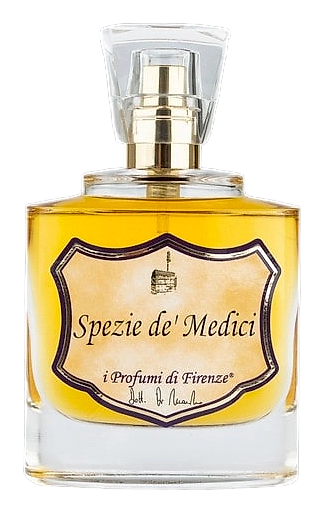
I Profumi di Firenze is a Florentine fragrance house that translates the city’s artistic heritage into scented narratives. Founded by Dr. Giovanni di Massimo, a natural pharmacist and apothecary‑perfumer, the brand offers a modest catalogue that includes Magnifico 9 Zenzero e Peperoncino (2007) and Acqua Chiara (2000). Each bottle aims to capture a specific place, season or memory of Tuscany, inviting wearers to experience Florence through scent.
Heritage
The story of I Profumi di Firenze begins in 1966, when Dr. Giovanni di Massimo opened a small laboratory in the historic centre of Florence. Trained as a pharmacist, he applied his knowledge of botanical extracts to create fragrances that reflected the city’s gardens, markets and riverbanks. Early releases such as Acqua Chiara (2000) and Dolceamaro (2005) were distributed through local boutiques and quickly earned a reputation for authenticity among connoisseurs. In 2007 the brand introduced Magnifico 9 Zenzero e Peperoncino, a spice‑forward composition that highlighted the founder’s willingness to experiment with regional ingredients while staying true to traditional Italian perfumery techniques. A second edition, Magnifico 13 Cedro e Ciclamino, followed in 2013, expanding the series with citrus and floral notes sourced from nearby orchards. Throughout the 2010s the house remained family‑run, with the Galardi family joining the operation to manage distribution and preserve the original artisanal approach. By 2021 the label celebrated its 55th anniversary, marking the milestone with a limited edition release that revisited classic accords from the 1970s. Today the brand continues to operate from its Florence workshop, offering a curated line that reflects both historical continuity and the evolving palate of modern fragrance lovers.
Craftsmanship
Production at I Profumi di Firenze follows a small‑batch model that mirrors the practices of historic apothecaries. Raw materials arrive from farms in the Tuscan hills, where growers cultivate citrus, herbs and flowers using methods that limit pesticide use. Upon arrival, the botanicals are inspected for freshness, then macerated in high‑grade ethanol under controlled temperature conditions. Dr. di Massimo’s background in pharmacy informs the precise timing of each maceration stage, ensuring that volatile oils are fully extracted without degradation. After maceration, the mixtures are filtered through fine muslin and allowed to rest in oak barrels for several weeks, a step that smooths the accords and adds subtle oxidative nuances. The final blends are evaluated by a panel that includes the founder’s family members and long‑standing collaborators, who assess balance, longevity and the ability of the scent to evoke its intended scene. Bottling occurs on site using hand‑blown glass that is sterilized before filling. Each bottle is sealed with a waxed cork, a nod to traditional pharmacy closures, and labeled with hand‑printed details about the fragrance’s inspiration. Quality checks include gas‑chromatography analysis to confirm the purity of essential oils and to detect any unintended contaminants. This meticulous process, repeated for each fragrance, reinforces the brand’s commitment to authenticity and sensory fidelity.
Design Language
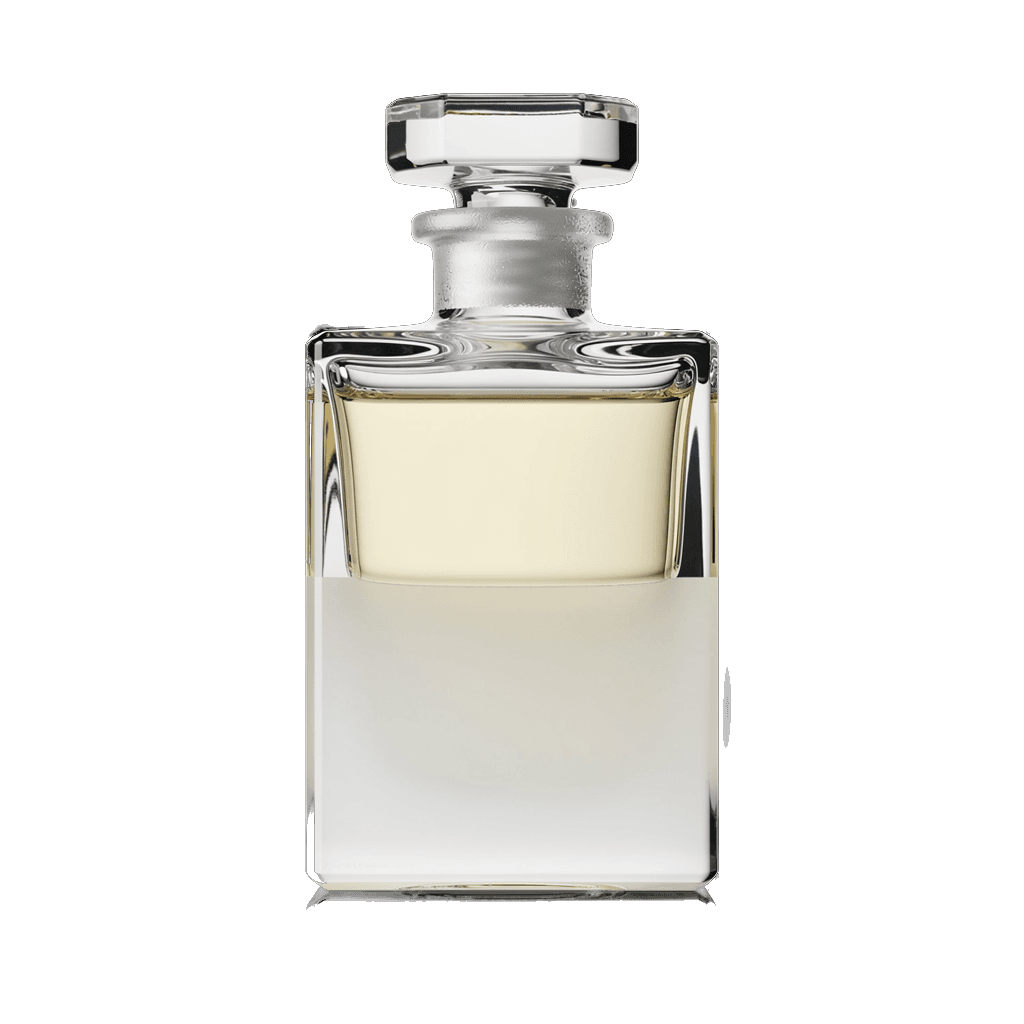
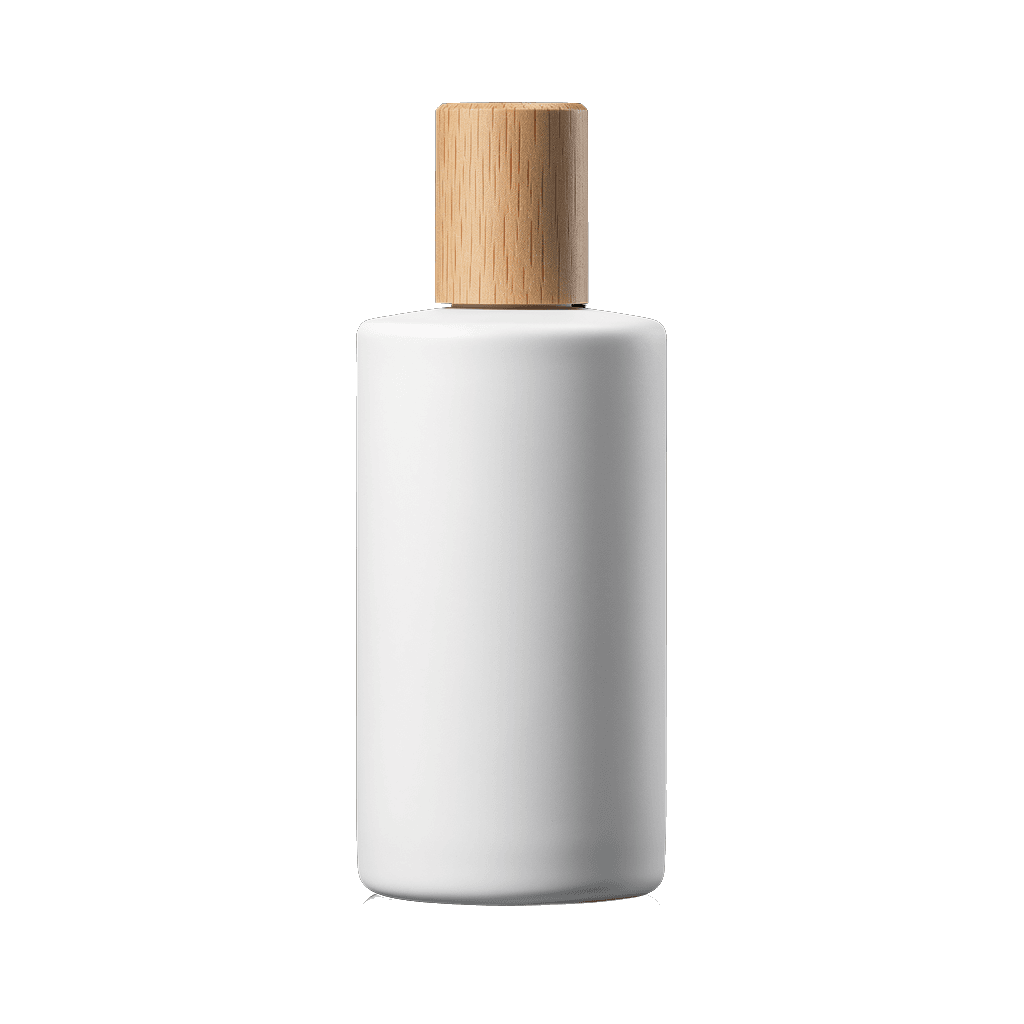
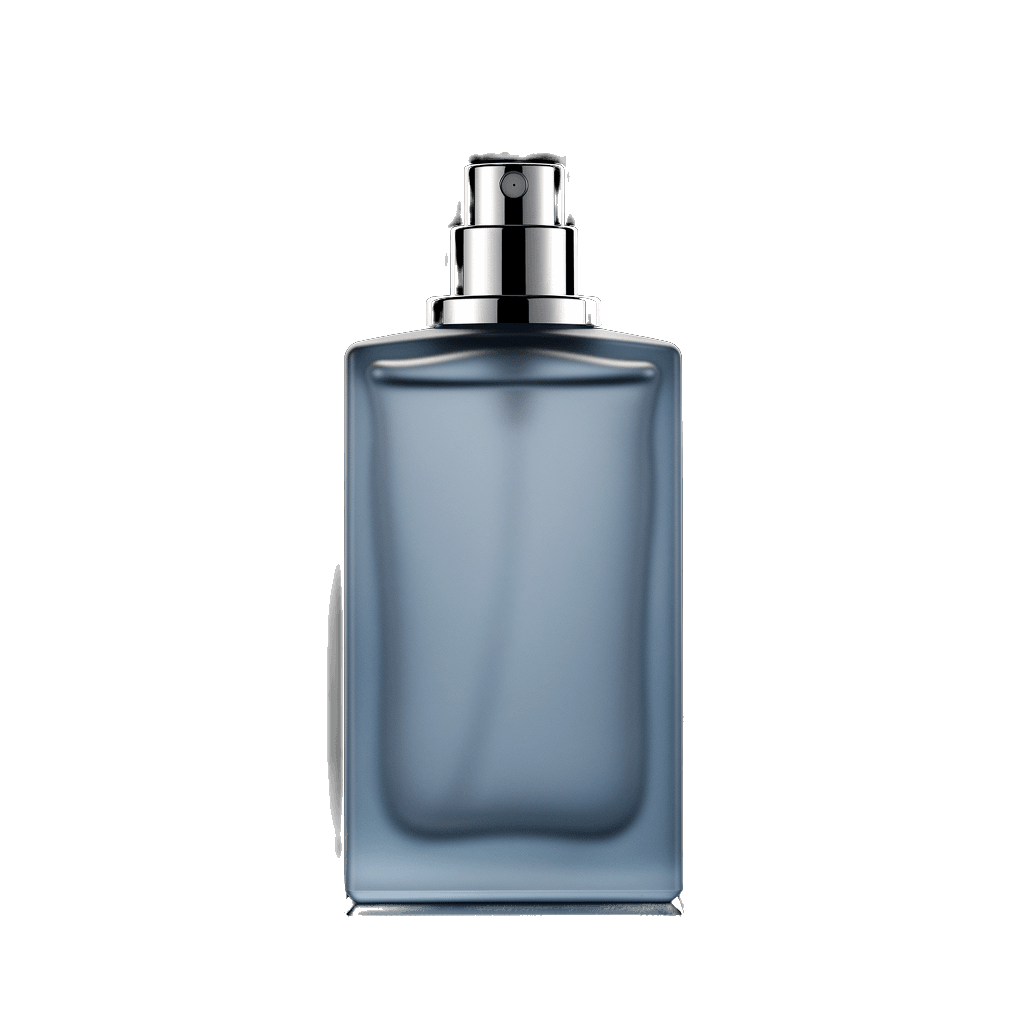
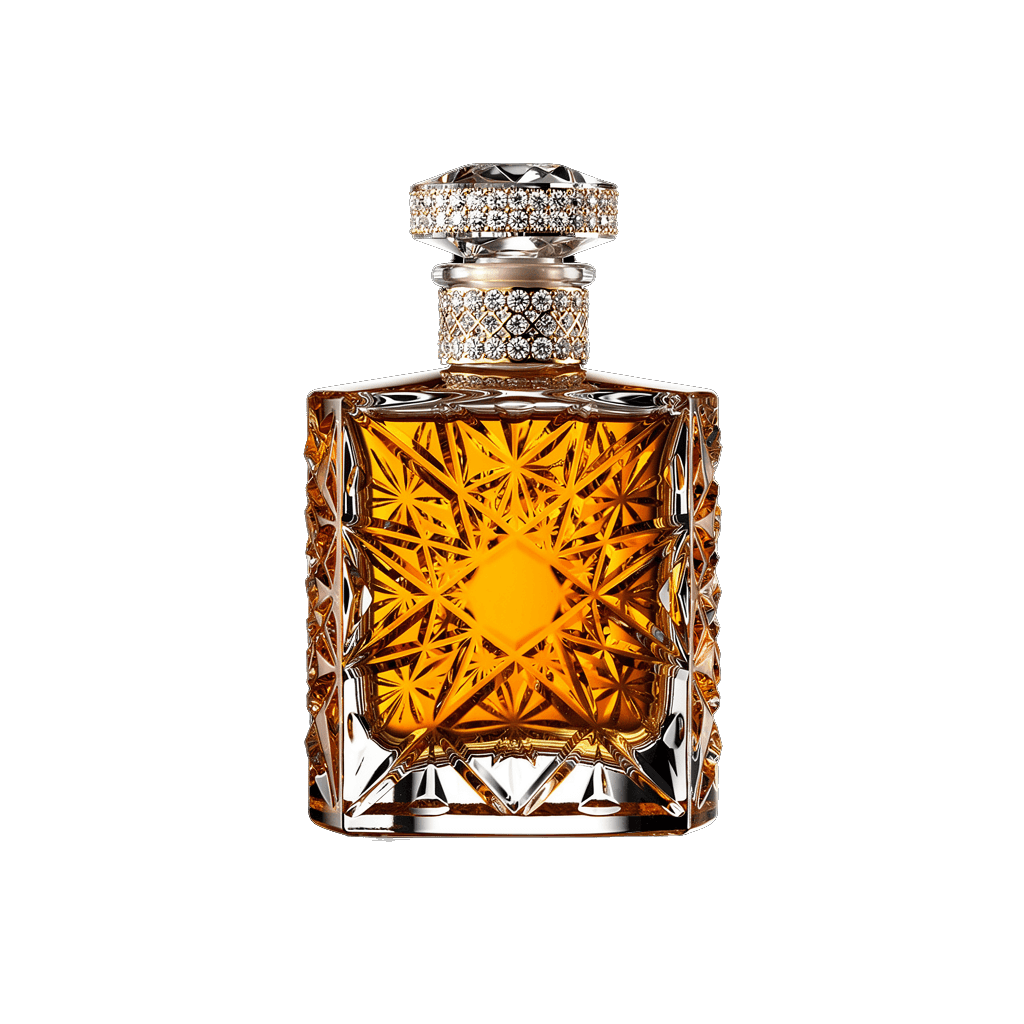
Visually, I Profumi di Firenze embraces a restrained, museum‑like aesthetic that reflects its Florentine roots. Bottles are crafted from clear glass with simple, rounded silhouettes, allowing the colour of the liquid to become the focal point. Labels feature a muted cream background, thin black typography and a small illustration that hints at the scent’s narrative—a citrus slice for a garden fragrance, a stylized wave for a marine‑inspired scent. The brand’s logo, a stylized fleur‑de‑lis, appears in embossed gold on the cap, echoing the historic symbols of the city. Packaging boxes are made from recycled cardboard, printed with subtle linen‑like texture and a single line of text describing the fragrance’s inspiration. This understated visual language avoids flashy trends, instead offering a timeless look that aligns with the house’s emphasis on heritage and place. In retail settings, the brand often displays its bottles on reclaimed wooden shelves, surrounded by small vials of raw ingredients, reinforcing the connection between the finished perfume and its natural origins.
Philosophy
I Profumi di Firenze approaches scent as a form of storytelling rooted in place. The house believes that a perfume should act as a portable memory, allowing the wearer to recall a specific moment in Florence—whether it is the cool breeze along the Arno, the aroma of fresh citrus in a garden, or the spice of a bustling market stall. This perspective drives the selection of raw materials: ingredients are chosen for their geographic relevance and for the way they interact with one another to evoke a scene rather than a generic fragrance family. The brand also emphasizes transparency; ingredient lists are made available to retailers, and the sourcing locations are often mentioned on the packaging. Sustainability plays a modest role, with the house preferring locally harvested botanicals and avoiding synthetic substitutes when a natural counterpart can achieve the same effect. The creative process is collaborative, involving the founder’s descendants, local artisans and, on occasion, guest perfumers who share a connection to Tuscany. The result is a line of scents that feels both personal and anchored in the cultural fabric of Florence.
Key Milestones
1966
Dr. Giovanni di Massimo establishes I Profumi di Firenze in Florence, Italy.
2000
Launch of Acqua Chiara, one of the brand’s early modern releases.
2005
Dolceamaro debuts, expanding the line with a bittersweet gourmand profile.
2007
Magnifico 9 Zenzero e Peperoncino is introduced, highlighting the house’s spice‑focused experimentation.
2013
Magnifico 13 Cedro e Ciclamino follows, adding citrus and cyclamen notes sourced from local farms.
2021
55th anniversary celebrated with a limited edition fragrance that revisits classic 1970s accords.
At a Glance
Brand profile snapshot
Origin
Italy
Founded
1966
Heritage
60
Years active
Collection
5
Fragrances released
Avg Rating
4.1
Community sentiment
Release Rhythm