
The Heritage
The Story of Il Profumiere
Il Profumiere is an Italian niche perfume house that blends Florentine tradition with contemporary olfactory storytelling. The brand offers a curated catalogue of scents—such as Passiflora Rouge (2000) and Dubai Sahara (2008)—that aim to evoke specific places, memories, and moods. Each fragrance is presented as a compact, artful bottle, inviting collectors to explore a sensory map of Italy and beyond.
Heritage
The origins of Il Profumiere trace back to the early 2000s, when a group of Florentine artisans decided to revive the city’s historic perfume‑making practices for a modern audience. While the exact founding date is not widely documented, the release of Passiflora Rouge in 2000 marks the brand’s first public offering and suggests that the house was established around that time. Early on, the founders positioned the label as a bridge between the ancient monastic laboratories of Florence—such as the Officina Profumo‑Farmaceutica di Santa Maria Novella, which dates to 1221—and the emerging niche market that valued craftsmanship over mass production. Throughout the 2000s, Il Profumiere expanded its portfolio with regionally inspired creations: Dubai Sahara (2008) captured the arid elegance of the Arabian desert, while Menta Verde Del Marocco (2007) offered a fresh, herbaceous take on Mediterranean mint. The 2014 launch of Scent Green Bouquet highlighted a shift toward floral‑centric compositions, and the 2015 introduction of Ambra Spirituale demonstrated a deeper exploration of amber’s resinous warmth. In 2020, Incenso Copaiba reflected a renewed interest in incense and woody notes, aligning with a broader industry trend toward sustainable, plant‑based ingredients. Milestones such as the 2016 release of Nettare Della Malesia and the 2021 debut of Anice Galbano illustrate the brand’s commitment to geographic storytelling, each fragrance anchored in a distinct locale or botanical source. Although Il Profumiere has not pursued high‑profile awards, its consistent presence in specialist publications and fragrance forums underscores a steady, respected reputation among connoisseurs. The house remains privately held, operating from a modest workshop in Florence where the original ethos—hand‑crafted, narrative‑driven perfume—continues to guide its evolution.
Craftsmanship
Production at Il Profumiere takes place in a Florentine atelier that combines traditional techniques with selective modern technology. The process begins with a meticulous selection of raw ingredients, many of which are sourced from small farms or cooperatives that practice sustainable harvesting. For example, the ambergris‑free ambrette seed used in Ambra Spirituale comes from certified organic growers in India, while the citrus extracts in Platano Guinea are pressed from Sicilian fruits harvested at peak ripeness. Once the ingredients arrive, master perfumers—often working in small teams—formulate the fragrance by hand, using glass droppers and weighing scales to achieve precise ratios. The house favors natural extracts and absolutes, supplementing them with high‑quality synthetics only when they enhance stability or longevity without compromising the scent’s character. After the initial blend, the perfume undergoes a maturation period in temperature‑controlled rooms, allowing the components to harmonize over weeks or months. Quality control is integral to the workflow. Each batch is sampled by the perfumer and a senior quality analyst, who assess balance, projection, and longevity on both blotter paper and skin. Any deviation prompts a reformulation before the final product proceeds to bottling. Bottles are hand‑filled in a low‑pressure environment to minimize oxidation, then sealed with custom‑cut crystal caps that match the fragrance’s aesthetic. The final product is packaged in recyclable, matte‑finished boxes that feature tactile embossing, reinforcing the brand’s emphasis on tactile as well as olfactory experience. Throughout the production chain, Il Profumiere maintains detailed records of ingredient origins, batch numbers, and testing results, ensuring traceability and consistency across releases. This rigorous approach reflects the house’s belief that craftsmanship is as much about transparency and responsibility as it is about artistic expression.
Design Language
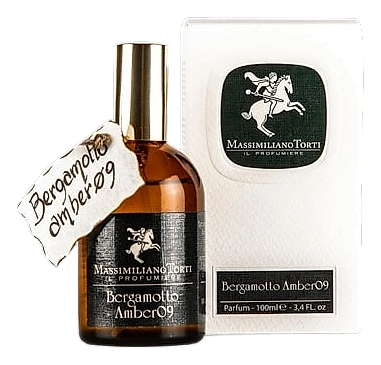
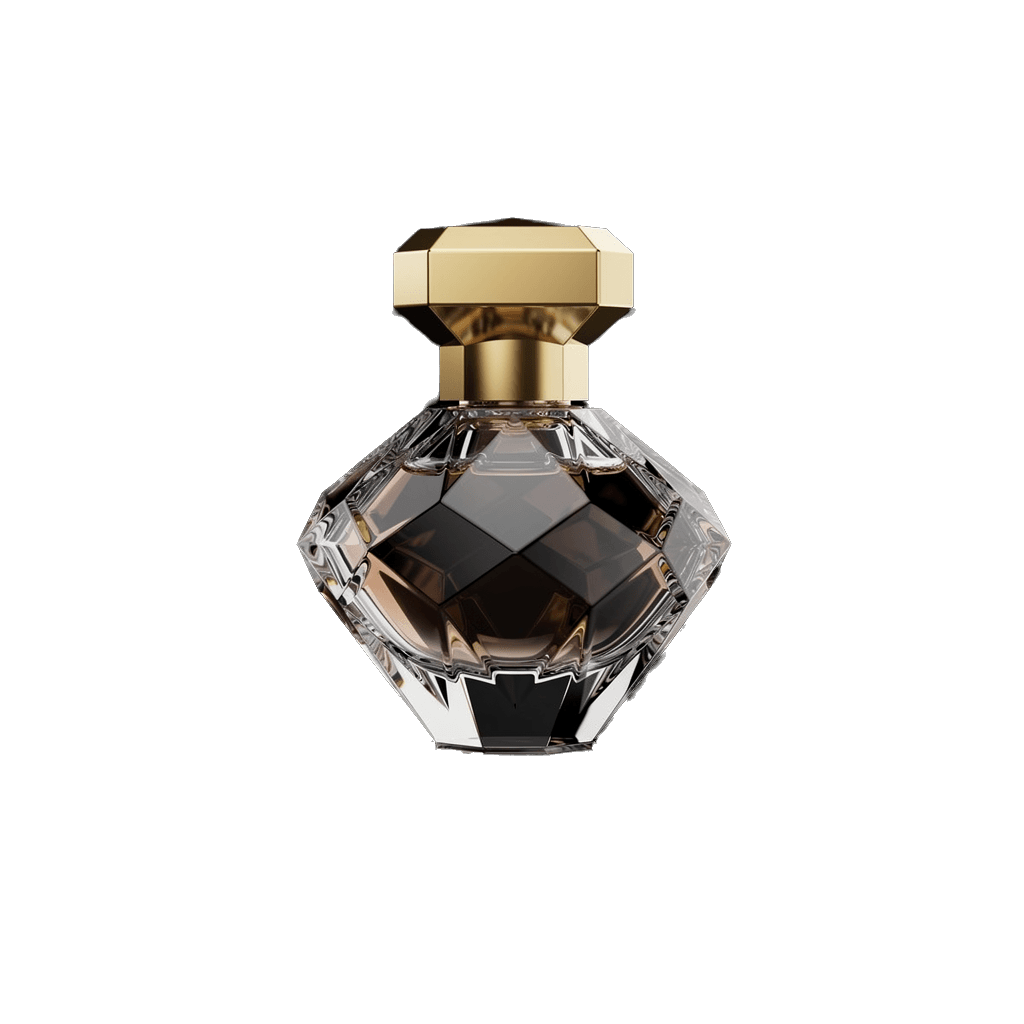
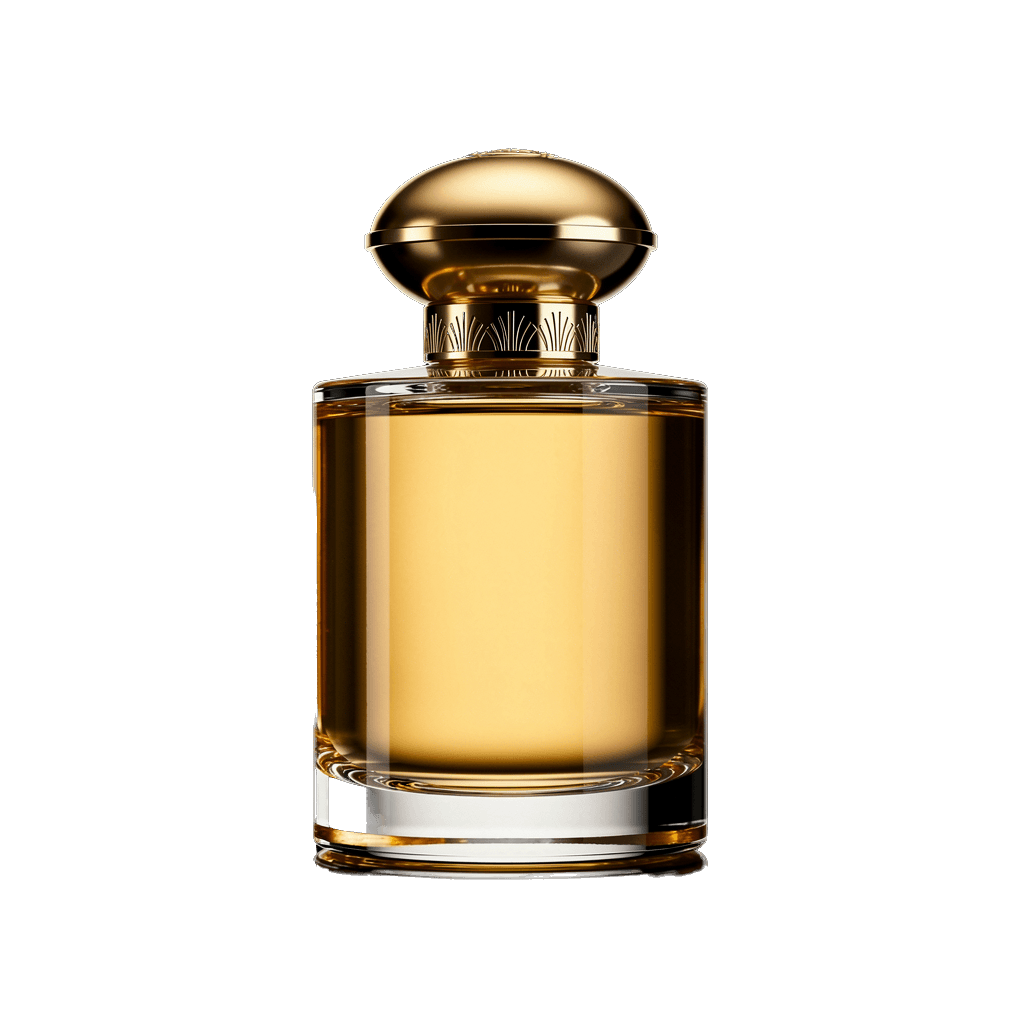
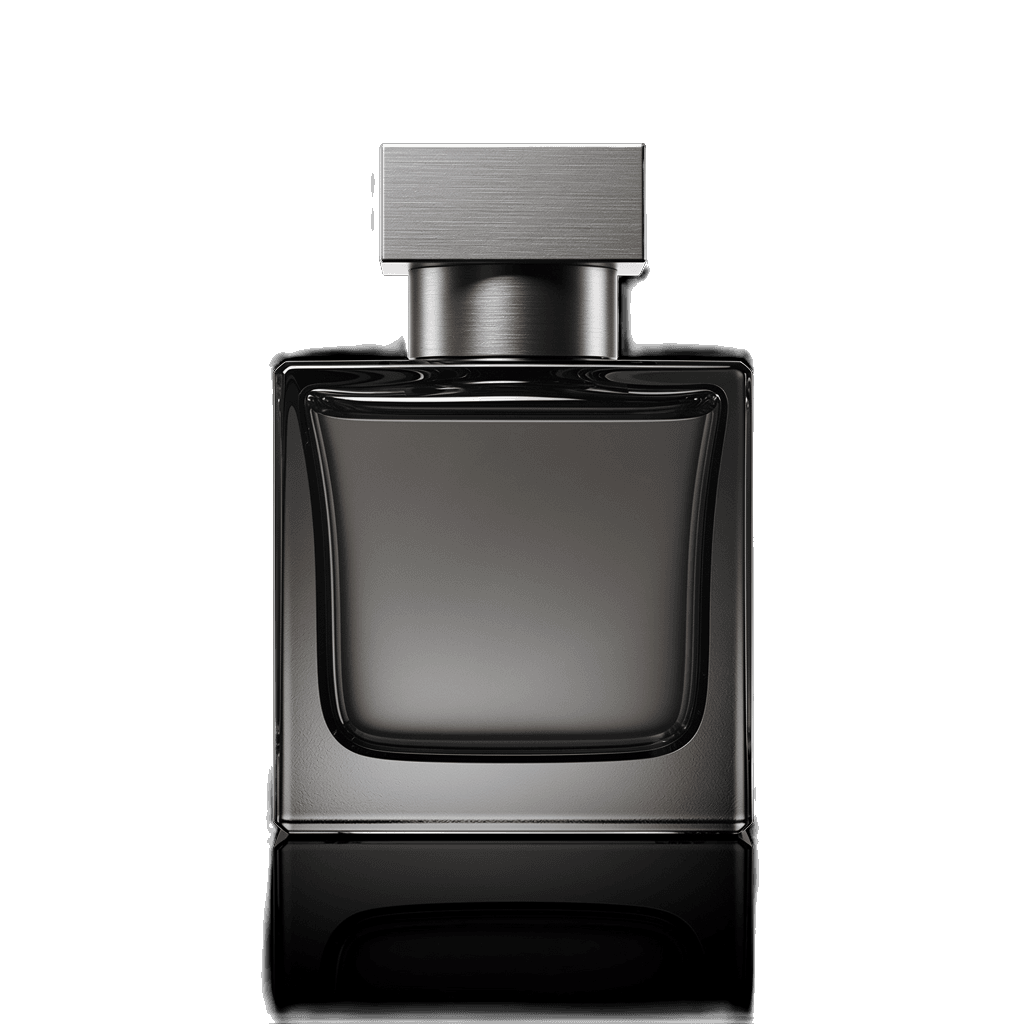
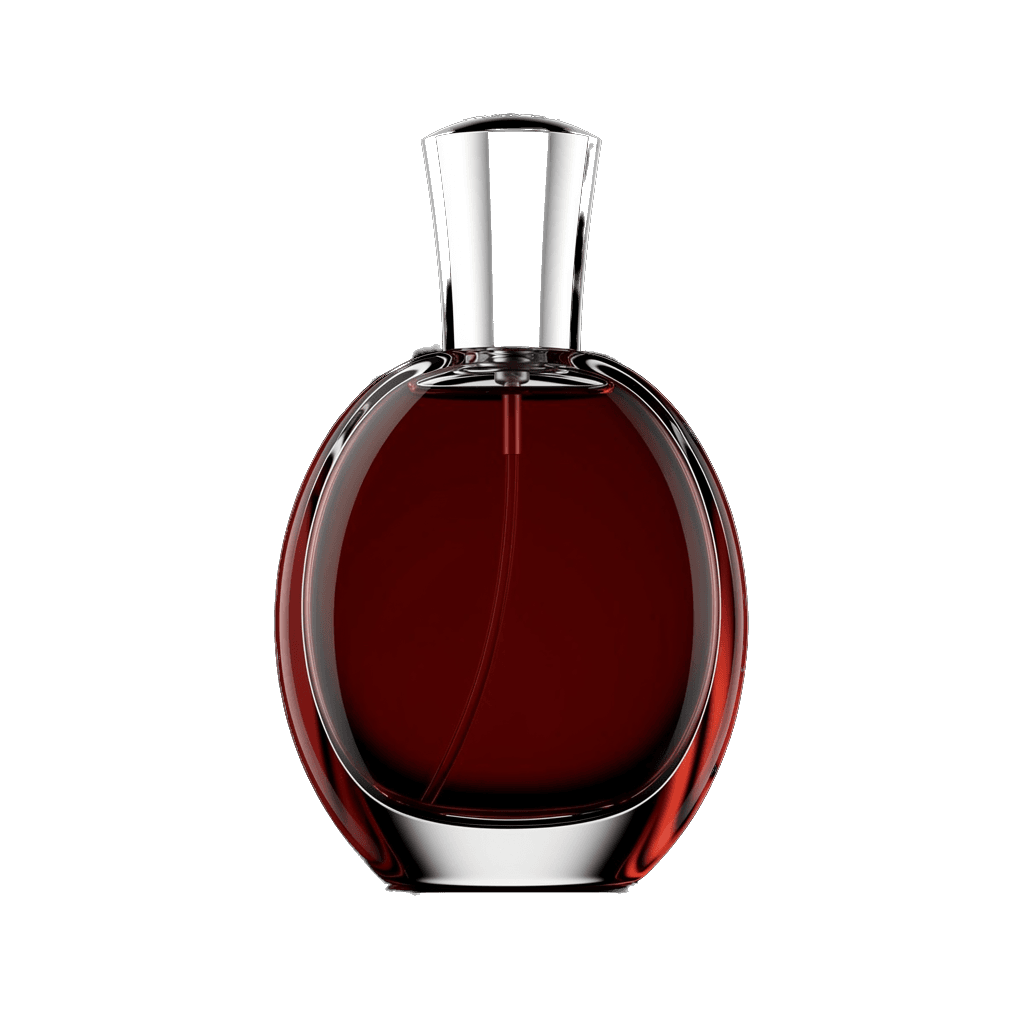
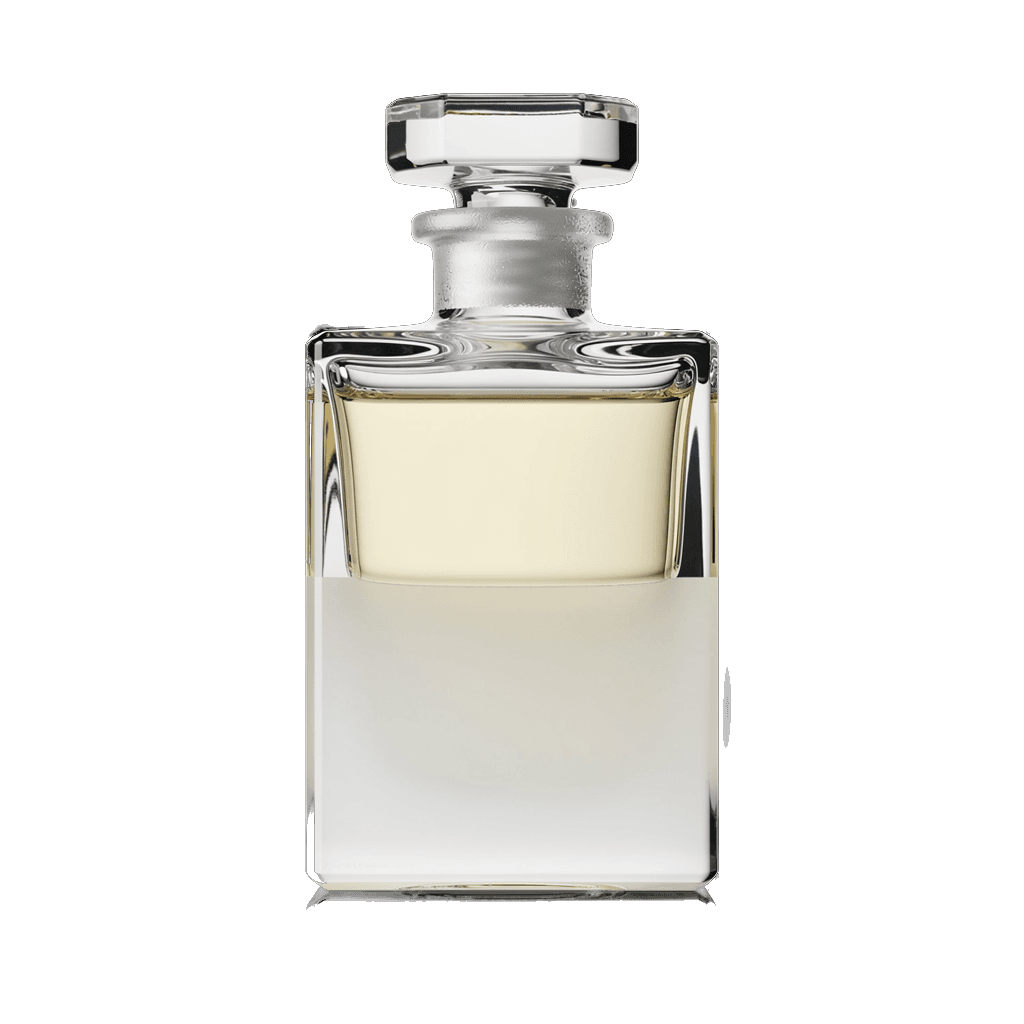
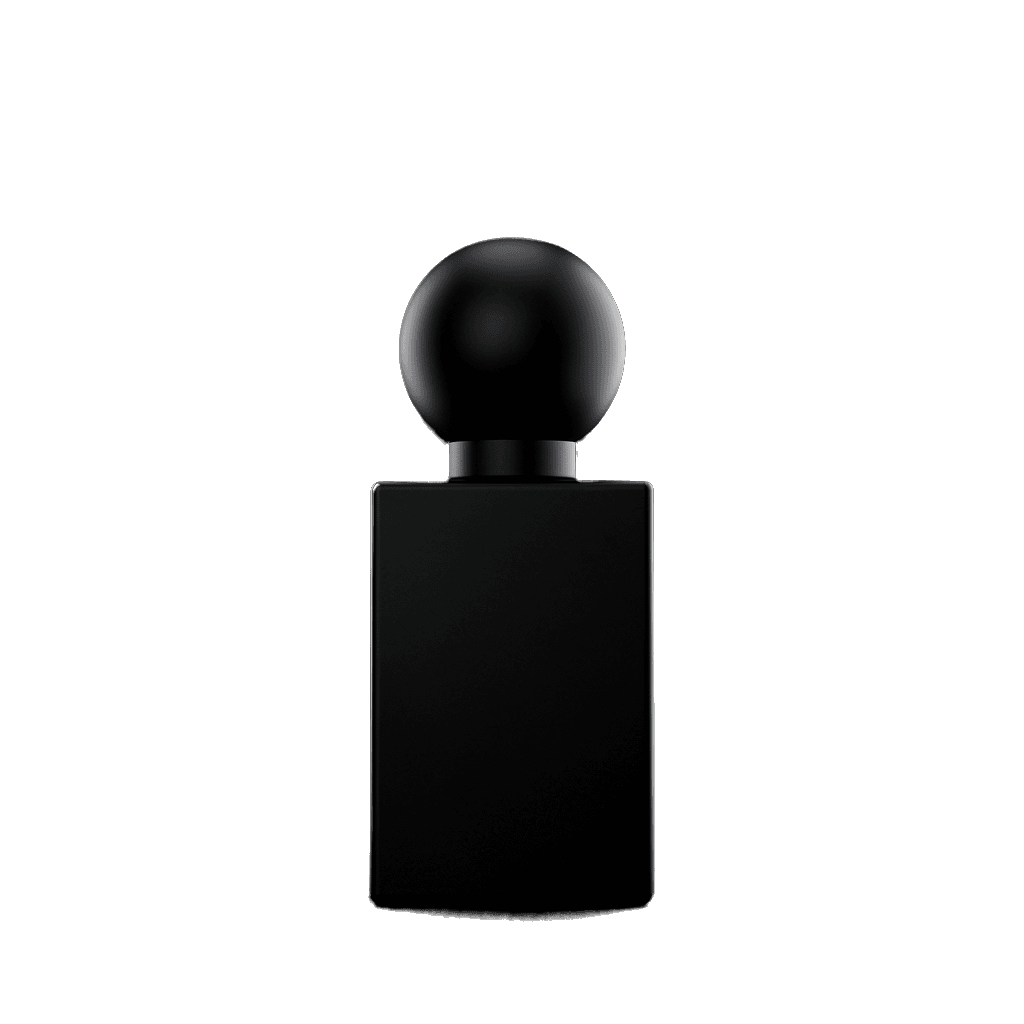
Visually, Il Profumiere adopts a restrained, minimalist language that mirrors its olfactory philosophy. Bottles are typically clear or lightly tinted glass, allowing the natural hue of the perfume to become a focal point. The caps are often crafted from brushed metal or crystal, engraved with the brand’s simple logotype—a stylized serif ‘Il Profumiere’ that hints at classic Italian typography without excessive ornamentation. The packaging embraces muted palettes—soft creams, deep charcoals, and occasional accent colors that echo the fragrance’s key note. For instance, the Dubai Sahara edition arrives in a sand‑colored box with subtle gold foil detailing, evoking the desert’s warmth. Labels are printed on high‑quality, textured paper, featuring concise scent descriptions and a brief note on the inspiration behind the composition. This restraint extends to the brand’s digital presence, where the website employs clean lines, ample white space, and high‑resolution photography that showcases the bottles against natural backdrops. Overall, the visual identity reinforces a sense of quiet elegance, positioning Il Profumiere as a sophisticated yet approachable choice for collectors who appreciate both the story and the design of a perfume. The aesthetic choices—minimalist bottles, tactile packaging, and understated branding—serve to keep the focus on the scent itself, aligning with the house’s commitment to narrative‑driven perfumery.
Philosophy
Il Profumiere’s creative vision revolves around the idea that scent functions as a portable memory. The brand states that each fragrance should act as a narrative device, transporting the wearer to a specific time or place. This philosophy aligns with a broader niche movement that values storytelling over trend‑driven launches. The house emphasizes authenticity, sourcing raw materials that reflect the geography referenced in each perfume. For instance, the tropical notes in Nettare Della Malesia are derived from responsibly harvested Malaysian botanicals, while the desert accords of Dubai Sahara incorporate oud and frankincense sourced from the Middle East. The brand’s values include transparency in ingredient provenance and a commitment to small‑batch production, which it believes preserves the integrity of the scent and reduces environmental impact. Il Profumiere also prioritizes a personal connection with its audience. Rather than relying on mass marketing, the label engages directly with collectors through limited releases, scent‑testing events, and detailed scent‑profile cards that explain the inspiration behind each composition. This approach reflects a belief that perfume should be an intimate, educational experience, encouraging wearers to develop a nuanced olfactory vocabulary.
Key Milestones
2000
Launch of Passiflora Rouge, the brand’s inaugural fragrance, establishing Il Profumiere’s narrative‑focused approach.
2007
Release of Menta Verde Del Marocco, marking the house’s first exploration of Mediterranean herbaceous accords.
2014
Introduction of Scent Green Bouquet, a floral‑centric composition that broadened the brand’s olfactory palette.
2016
Nettare Della Malesia debuts, highlighting Il Profumiere’s commitment to sourcing exotic botanicals from Southeast Asia.
2020
Incenso Copaiba arrives, reflecting a shift toward sustainable, resin‑based scents and modern incense trends.
At a Glance
Brand profile snapshot
Origin
Italy
Founded
2000
Heritage
26
Years active
Collection
4
Fragrances released
Avg Rating
3.7
Community sentiment
Release Rhythm