The Heritage
The Story of Jaguar
Jaguar’s fragrance line translates the marque’s automotive legacy into scent. Launched in 1988, the collection has grown to include more than a dozen releases for both men and women, each echoing the brand’s focus on performance, precision and sleek design. The bottles carry the same clean lines found on Jaguar’s cars, while the compositions blend fresh, woody and aromatic notes that aim to evoke the feeling of a drive on an open road. The range sits alongside the car brand’s global presence, offering a portable reminder of Jaguar’s blend of sport and sophistication.
Heritage
Jaguar began in 1922 when Sir William Lyons founded the Swallow Sidecar Company, initially producing sidecars for motorcycles. By 1935 the company unveiled its first automobile, a sleek model that set the tone for a reputation built on engineering excellence and style. The automotive brand expanded throughout the mid‑20th century, earning a reputation for racing success and luxury saloons. In 1988 the company entered the fragrance market, releasing its first perfume for women, a launch noted by independent fragrance sites as a direct extension of the car brand’s identity. The debut scent was positioned as a olfactory representation of Jaguar’s design ethos, combining fresh top notes with a refined, lingering base. Subsequent releases followed a steady cadence: Jaguar Essence (1995) introduced a richer, amber‑laden profile; Jaguar Crystal I arrived in 2011, offering a crisp, mineral‑inspired composition; Jaguar For Men Oud (2021) brought a deep, resinous character that mirrored the brand’s modern, performance‑focused models. Throughout the 1990s and 2000s, Jaguar’s fragrance line was marketed alongside new car launches, reinforcing the link between scent and speed. The brand’s perfume portfolio now includes limited editions such as Jaguar Woman Purple Edition (2010) and Jaguar Classic Gold (2013), each timed to celebrate milestones in the automotive division. While Jaguar’s core business remains automotive, the fragrance arm continues to reflect the company’s commitment to British design heritage, offering a sensory bridge between the road and the wearer.
Craftsmanship
Jaguar works with established fragrance houses to formulate its perfumes, a practice confirmed by industry listings that show collaborations with external perfumers. The development process begins with a brief that translates automotive attributes into olfactory terms, after which the partner house selects raw materials that meet strict quality standards. Ingredients are sourced from recognized suppliers in France, Italy and the United States, with a focus on sustainably harvested woods, resins and aromatic oils. Production takes place in facilities that adhere to ISO‑9001 quality management protocols, ensuring batch consistency and safety. Each bottle undergoes a visual inspection for finish integrity, while the liquid is tested for stability under varying temperature conditions, reflecting Jaguar’s commitment to reliability. The brand also employs a limited‑edition approach for certain releases, allowing tighter control over ingredient provenance and enabling the use of rare notes such as oud or violet leaf. Packaging materials are chosen for durability and aesthetic alignment with the car brand, often featuring aluminum caps and matte glass that echo Jaguar’s vehicle trim. Throughout the process, Jaguar maintains a feedback loop with its automotive design team to ensure the final product remains true to the brand’s visual and sensory identity.
Design Language
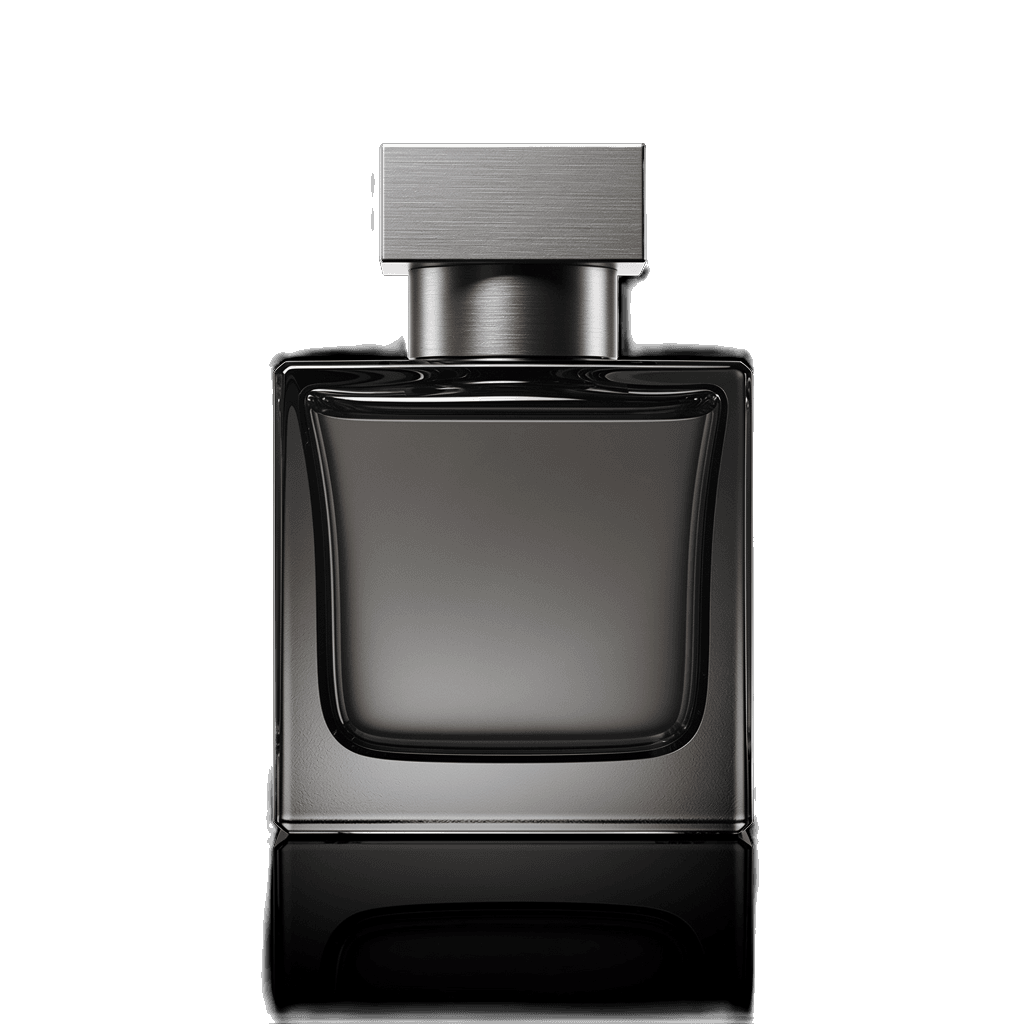
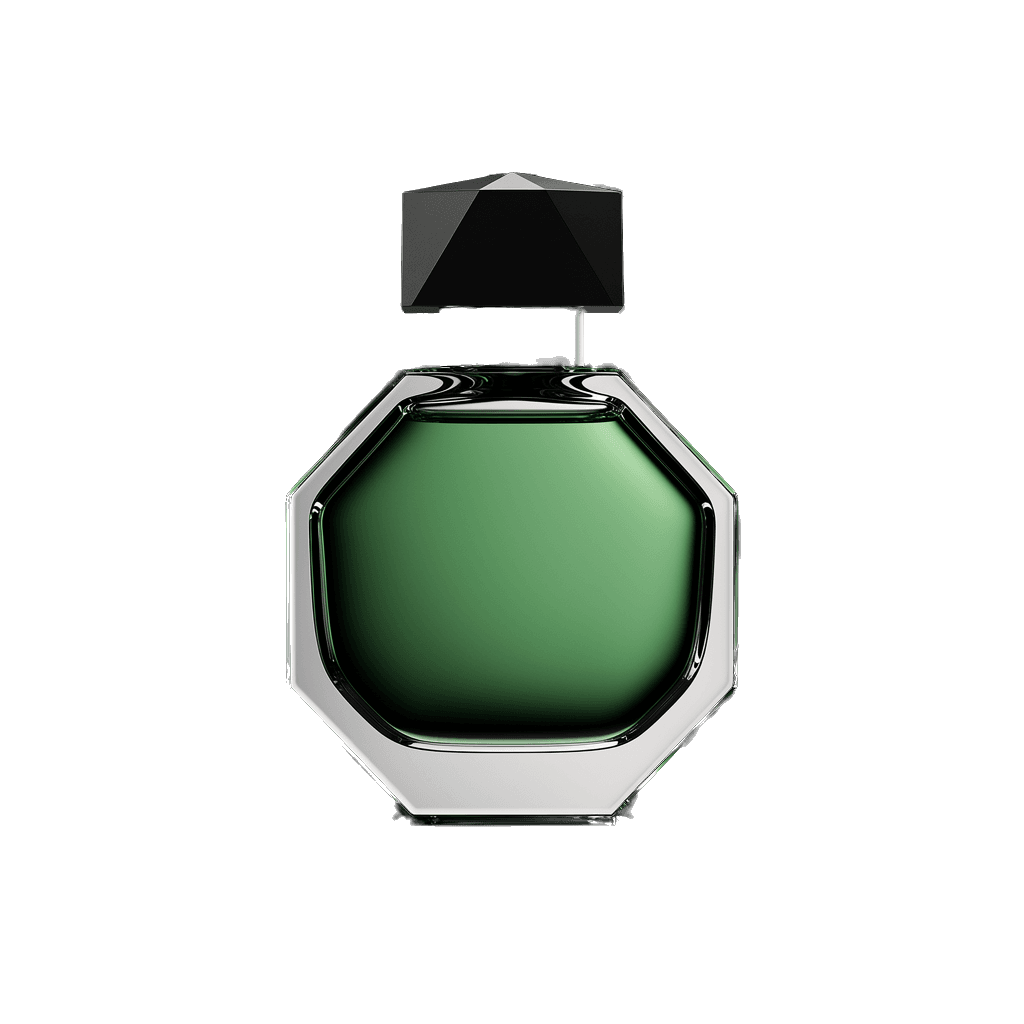
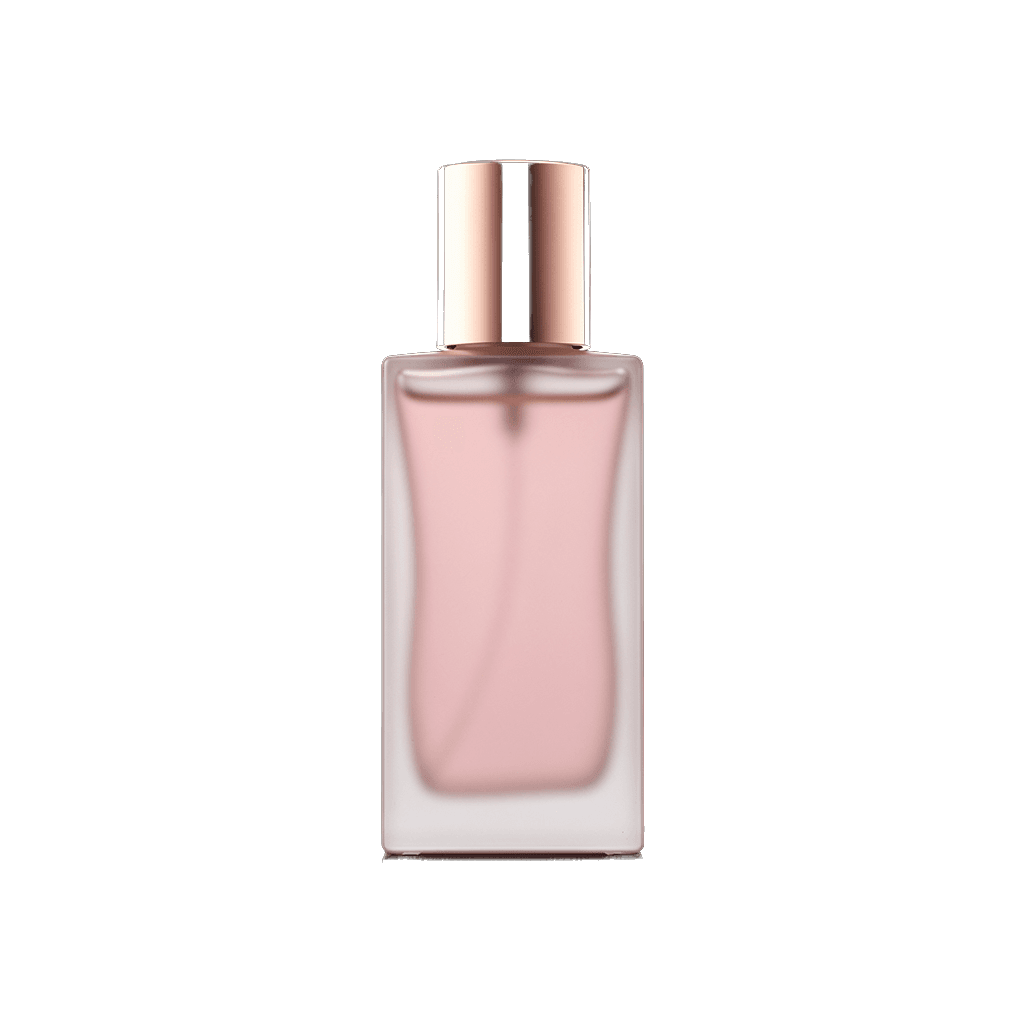
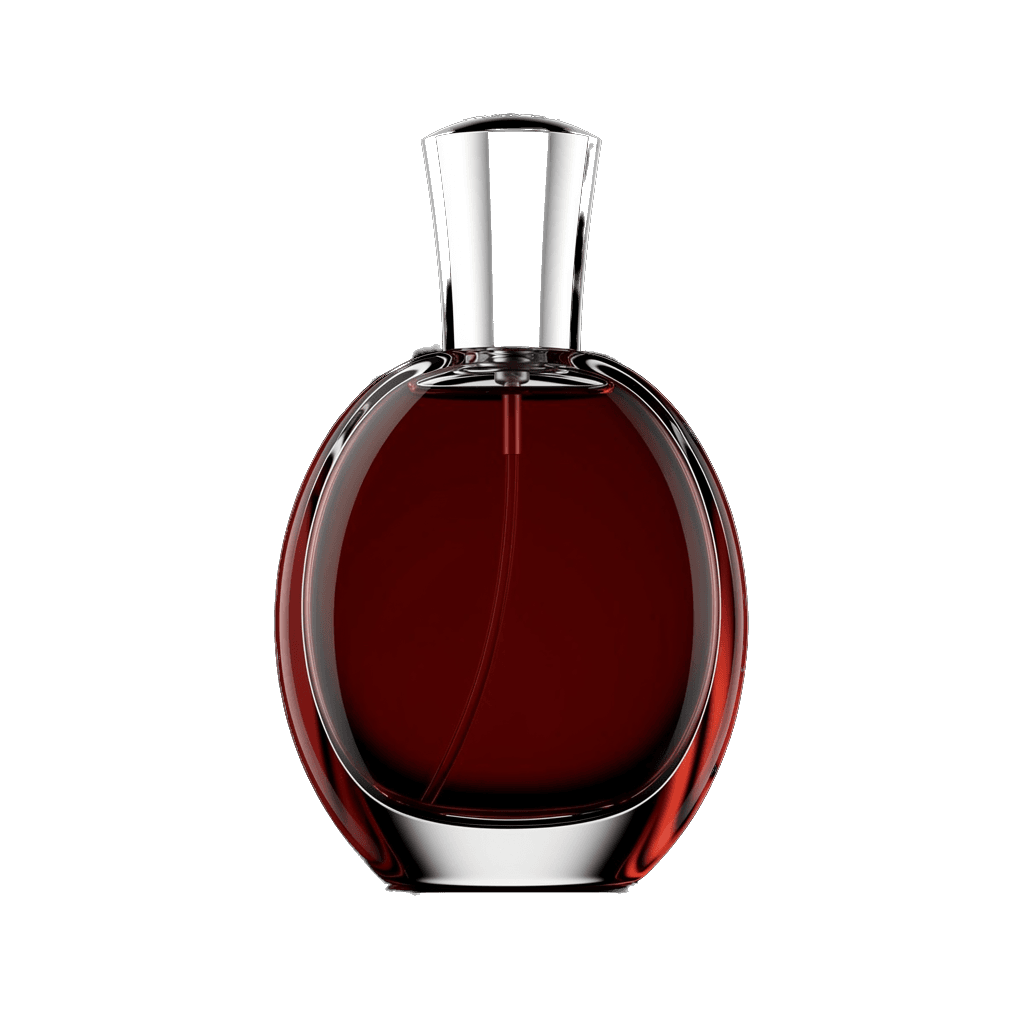
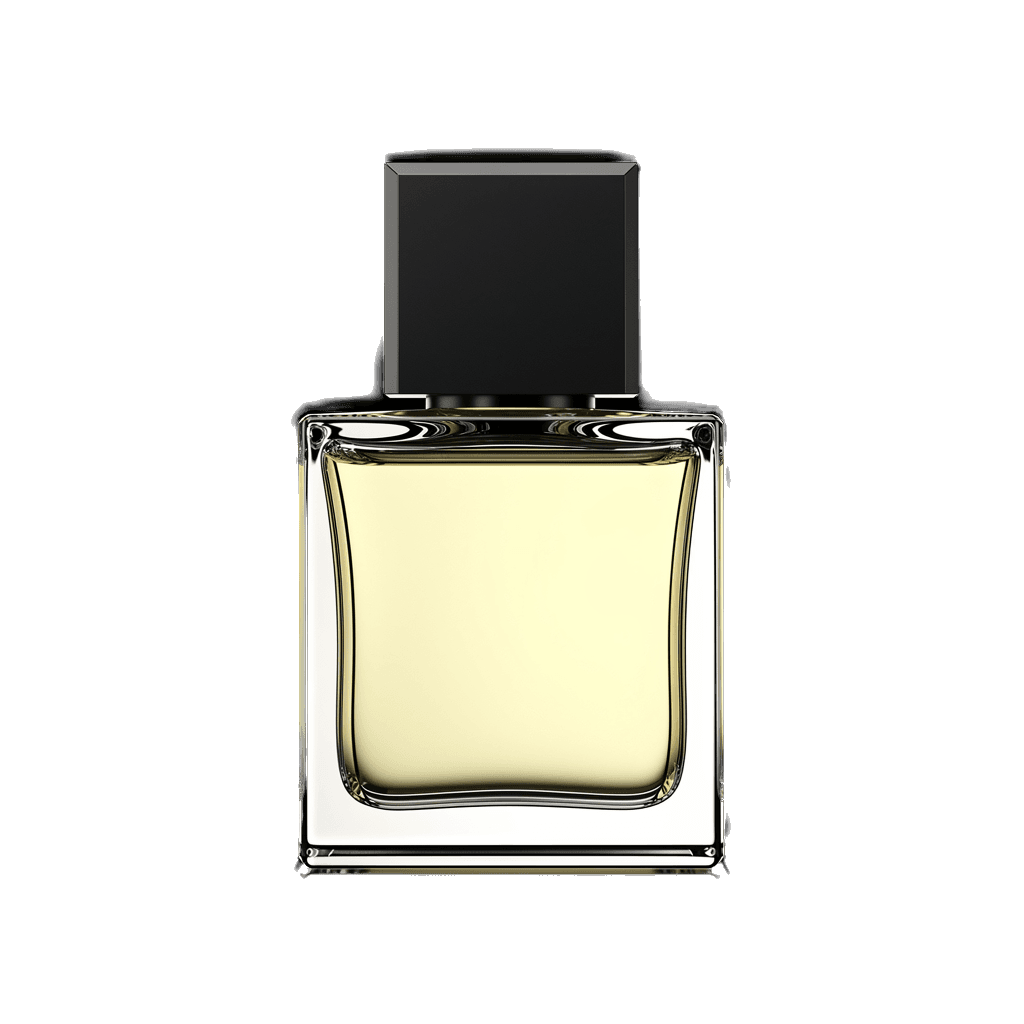
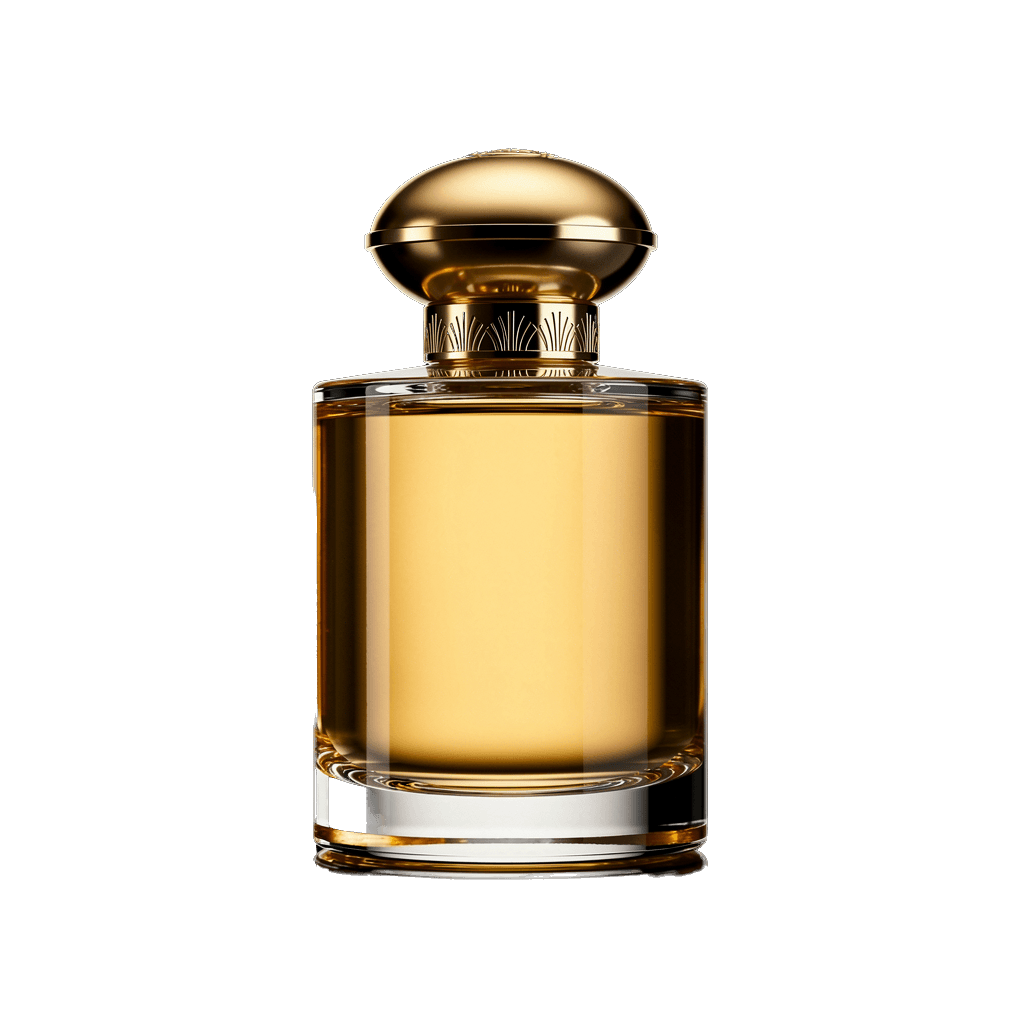
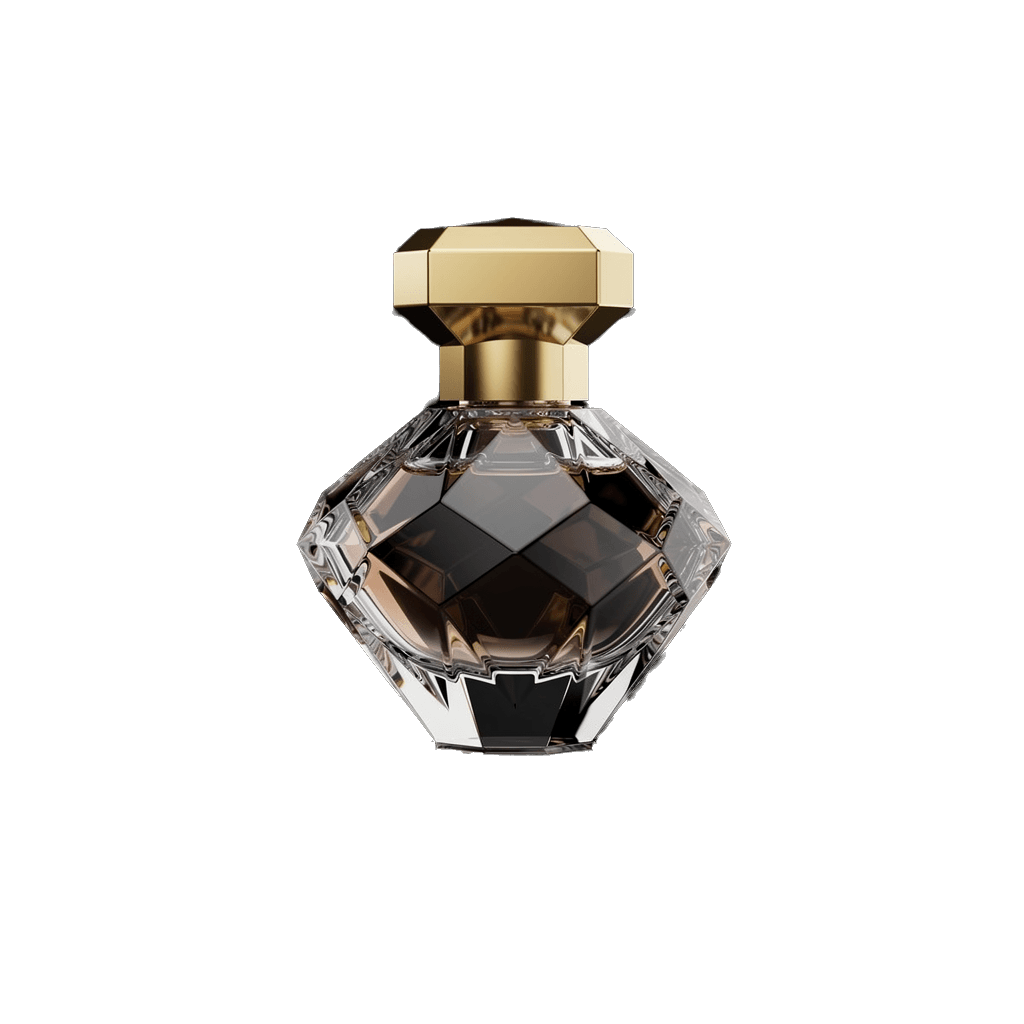
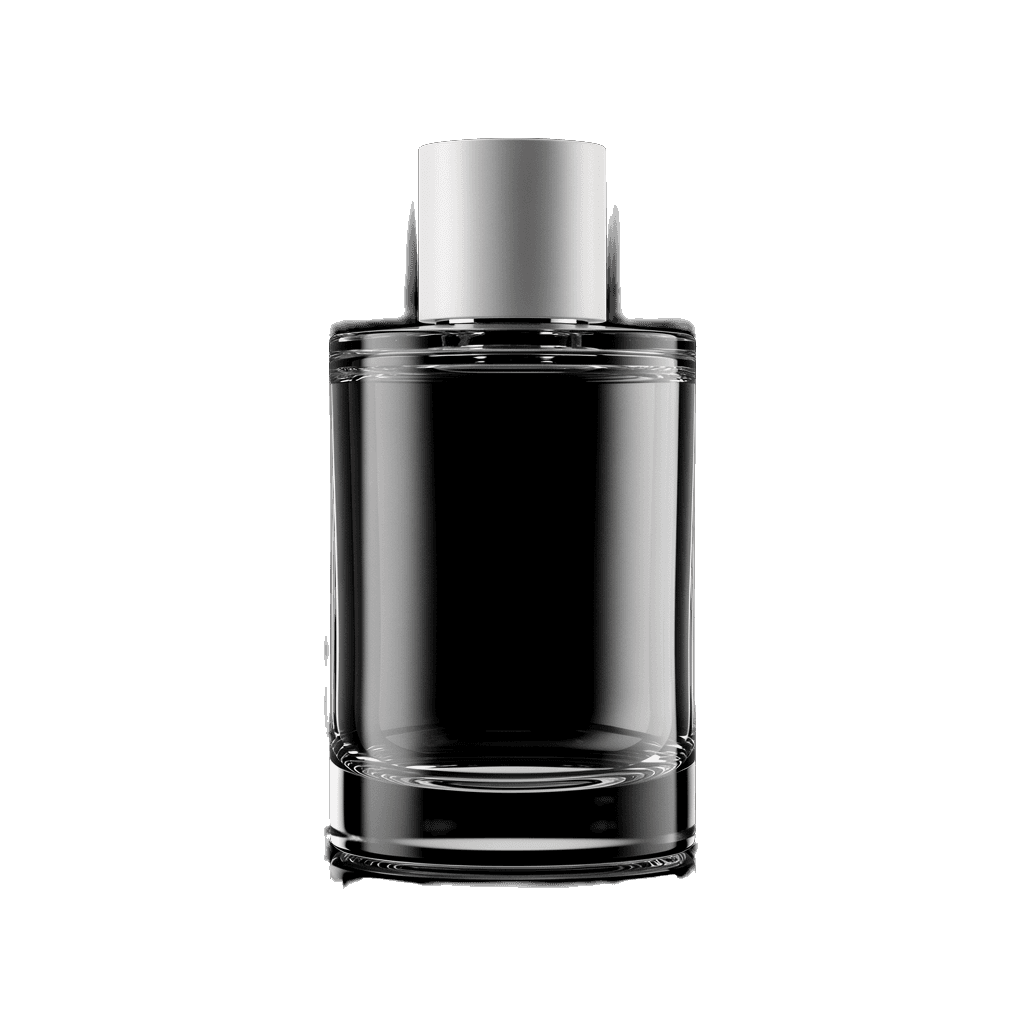
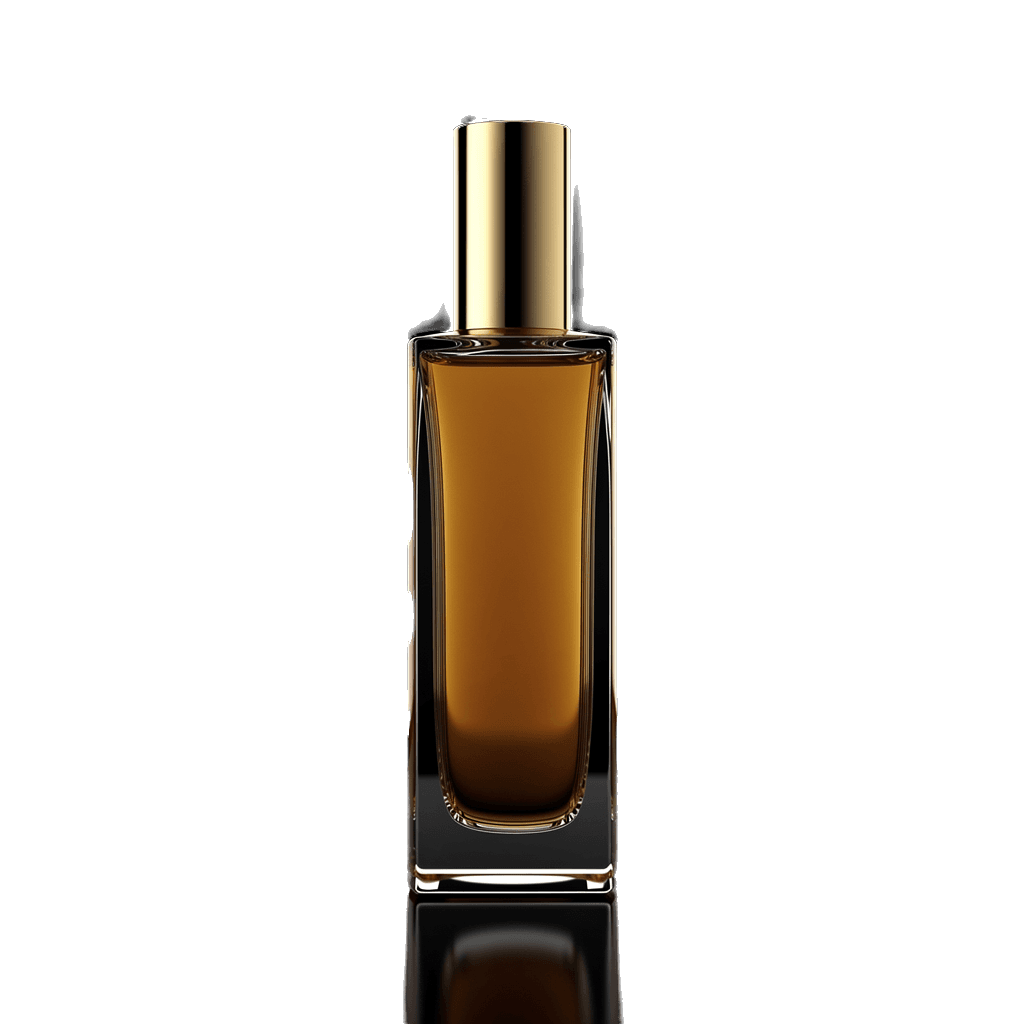
Jaguar’s bottle designs borrow directly from the sleek silhouette of its cars. The glass is typically clear or frosted, allowing the colour of the liquid to become a visual cue, while the cap often incorporates brushed aluminium or polished chrome, mirroring the finish of a Jaguar grille. Labels are minimalist, using a sans‑serif typeface and the iconic leaping jaguar logo positioned centrally, a nod to the brand’s long‑standing emblem. The overall visual language is restrained, avoiding excessive ornamentation in favour of clean lines that suggest speed and precision. Marketing imagery frequently pairs the perfume with a vehicle, placing the bottle on a polished dashboard or alongside a steering wheel to reinforce the connection between scent and driving experience. Limited‑edition releases sometimes introduce colour accents – for example, the Purple Edition features a deep violet hue that reflects the model’s special edition paintwork. The aesthetic strategy aligns with Jaguar’s broader brand image of understated luxury, where form follows function and every detail contributes to a cohesive narrative of performance and elegance.
Philosophy
Jaguar treats fragrance as an extension of its automotive design language. The brand’s statements, echoed in third‑party reviews, describe the scents as embodiments of precision, dynamism and elegance – qualities that define Jaguar cars. Each perfume is crafted to capture a specific driving experience, whether the rush of a sports coupé or the calm of a grand tourer. The creative brief often references the brand’s heritage of sleek lines and powerful engines, guiding perfumers to balance fresh, energetic top notes with a deep, enduring base that mirrors a vehicle’s performance curve. Jaguar also emphasizes sustainability, aligning its scent production with broader corporate goals for responsible sourcing and reduced environmental impact. By positioning fragrance as a wearable reminder of the brand’s engineering values, Jaguar seeks to engage consumers beyond the showroom, offering a personal connection that lasts beyond a test drive.
Key Milestones
1922
Sir William Lyons founded the Swallow Sidecar Company, the precursor to Jaguar.
1935
Jaguar unveiled its first automobile, establishing a reputation for sleek design and engineering.
1988
Jaguar launched its first fragrance for women, marking the brand’s entry into the perfume market.
1995
Jaguar Marc II was released, expanding the line with a richer, amber‑based composition.
2011
Jaguar Crystal I debuted, offering a mineral‑inspired scent that echoed the brand’s modern aesthetic.
2015
Jaguar Signature of Excellence arrived, positioned as a flagship scent for the brand.
At a Glance
Brand profile snapshot
Origin
United Kingdom
Founded
1922
Heritage
104
Years active
Collection
1
Fragrances released
Avg Rating
3.8
Community sentiment
Release Rhythm