The Heritage
The Story of Juliet Rose
Juliet Rose creates small‑batch, hand‑blended perfumes from a studio in the South of England. Each scent emerges from a background in fine art, where colour, texture and composition translate into olfactory form. The line is cruelty‑free, marketed through a modest online shop and a growing community of niche fragrance enthusiasts who value personal storytelling as much as scent.
Heritage
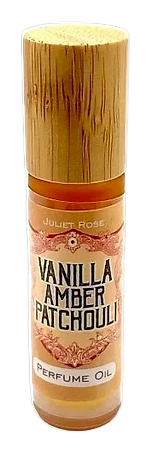
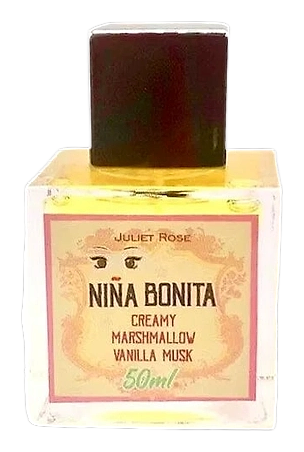
Juliet Rose began her creative journey in London, where she earned a Master’s degree in Fine Art. While studying, she experimented with aromatic materials, a practice that grew into a full‑time pursuit after graduation. By 2019 she released her first public fragrance, Pahuna Pakele, a scent that blended tropical notes with a subtle earthiness. The following year, Ghost Cat arrived, marking the first release that referenced a literary theme and attracted attention on independent fragrance forums. 2020 also saw the launch of a modest e‑commerce presence on Etsy, where the brand positioned itself as a handmade, cruelty‑free alternative to larger niche houses. In 2021 the collection expanded with Vanilla Amber Patchouli and Crème Brûlée, both noted for their balance of gourmand sweetness and resinous depth. 2022 introduced Niña Bonita, a tribute to youthful exuberance, while 2023 proved prolific: Victorian Violet, Gothic Woods and Lost in a Forest each explored historic and natural inspirations, reinforcing the brand’s reputation for narrative‑driven compositions. The most recent addition, Boleyn Tudor Rose, debuted in 2024 and referenced the Tudor era’s fascination with rose gardens, completing a decade‑long evolution from art student to independent perfumer. Throughout this period, Juliet Rose has maintained a hands‑on approach, personally formulating, testing and bottling each batch, a practice that has kept the brand’s output intimate and adaptable to feedback from a dedicated online community.
Craftsmanship
Every Juliet Rose perfume is assembled in a home studio using traditional methods. Raw materials arrive as essential oils, absolutes or resins, each stored in dark glass to preserve integrity. The perfumer measures each component by weight, then blends them in a stainless‑steel vessel, allowing the mixture to macerate for a period that varies by formula – from a few weeks for lighter florals to several months for deeper woods. Quality checks include olfactory evaluation at multiple stages, ensuring the evolving scent aligns with the intended narrative. Bottles are filled by hand using a calibrated pipette, then capped and labeled with a handwritten tag that includes the fragrance name, batch number and a brief description. Packaging remains simple: clear glass containers showcase the liquid’s colour, while recycled cardboard boxes protect the product during shipment. All steps avoid animal testing, and the brand adheres to EU cosmetic regulations, which require safety assessments by an independent laboratory before a fragrance reaches the market.
Design Language
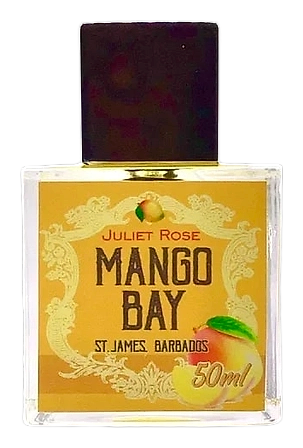
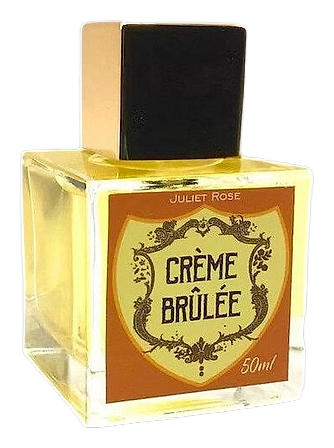
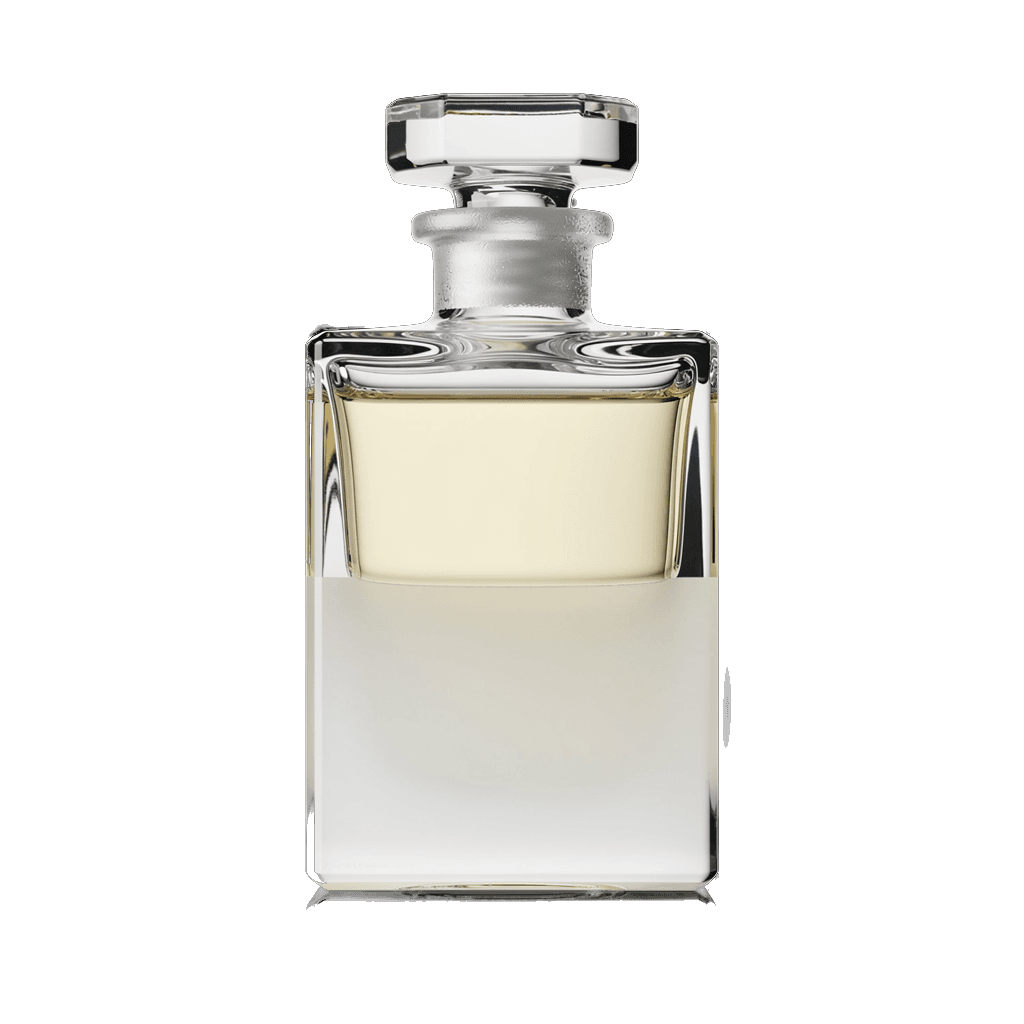
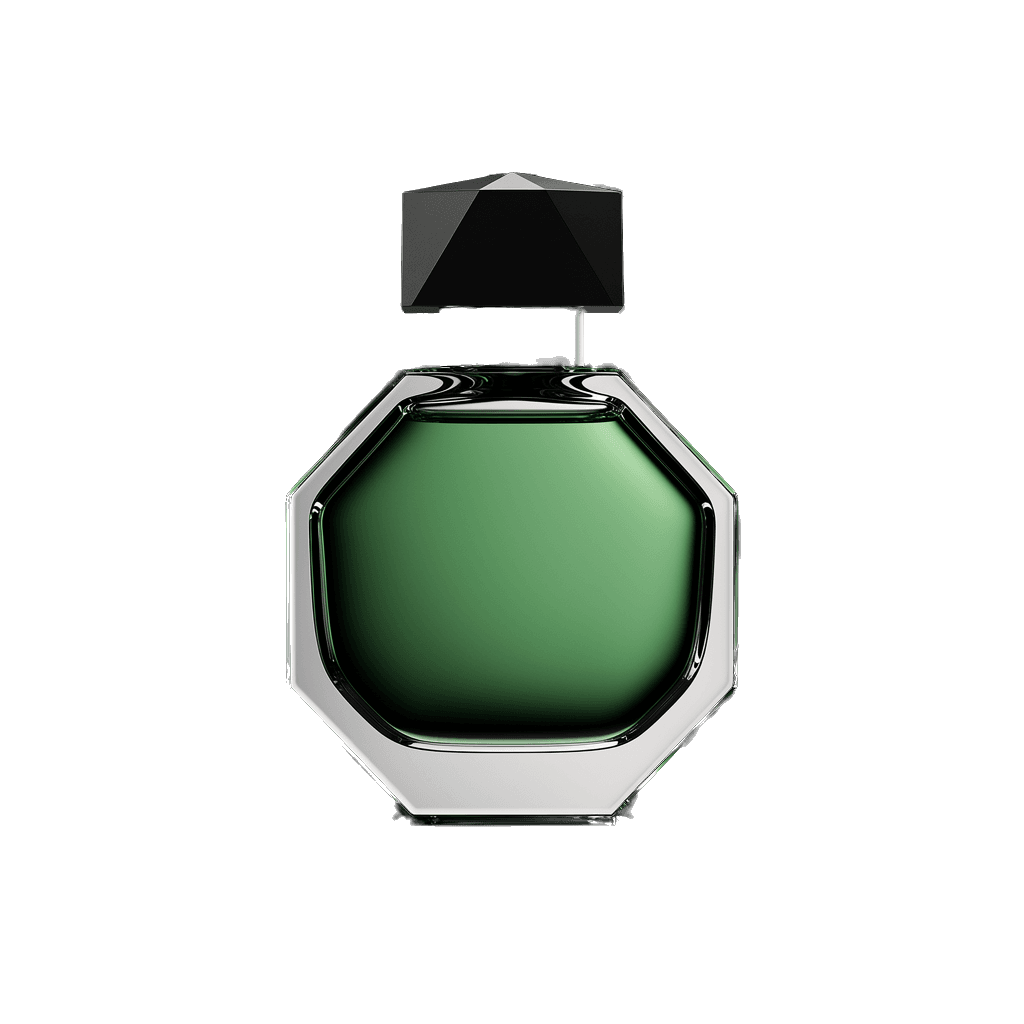
Visually, Juliet Rose favors restraint. Bottles are clear, allowing the perfume’s hue to become the primary visual cue; a pale amber for Vanilla Amber Patchouli, a soft violet for Victorian Violet, and a muted green for Lost in a Forest. Labels consist of a thin black strip of recycled paper, hand‑written in a serif typeface that echoes the brand’s artistic roots. The overall presentation evokes a studio drawer rather than a polished retail shelf, reinforcing the notion of each scent as a handcrafted object. On the brand’s online shop, product photos are taken against a neutral backdrop, with natural light highlighting texture and colour. Social media posts often pair the fragrance with a sketch or watercolor, reinforcing the link between visual art and scent. This minimal yet thoughtful aesthetic appeals to collectors who appreciate both design and narrative depth.
Philosophy
The core belief guiding Juliet Rose is that perfume functions as a portable artwork. Drawing on her fine‑art training, the creator treats each ingredient as a pigment, arranging them to evoke memory, place or emotion. Sustainability informs every decision: ingredients are sourced from suppliers who certify botanical origin, and no animal‑derived materials appear in any formula. The brand also rejects mass production, preferring limited runs that allow for adjustments based on wearer response. Community interaction plays a role; feedback from reviewers on platforms such as Reddit and YouTube helps refine future releases. By keeping the process transparent, Juliet Rose encourages collectors to view each bottle not merely as a scent but as a collaborative piece between artist and audience.
Key Milestones
2019
Release of Pahuna Pakele, the first publicly available fragrance.
2020
Ghost Cat launched, expanding the line and establishing an Etsy storefront.
2021
Vanilla Amber Patchouli and Crème Brûlée introduced, marking the brand's entry into gourmand territory.
2022
Niña Bonita released, reflecting a youthful, floral concept.
2023
Three new scents – Victorian Violet, Gothic Woods and Lost in a Forest – debuted, showcasing historic and natural inspirations.
2024
Boleyn Tudor Rose launched, completing a decade‑long progression from fine‑art student to independent perfumer.
At a Glance
Brand profile snapshot
Origin
United Kingdom
Founded
2020
Heritage
6
Years active
Collection
4
Fragrances released
Avg Rating
4.1
Community sentiment
Release Rhythm