





The Heritage
The Story of Kappa
Acca Kappa is an Italian fragrance house rooted in the Veneto town of Treviso. Since 1869 the family-run company has offered a steady stream of aromatic collections for both men and women, ranging from classic eau de colognes to contemporary flankers. Its portfolio includes enduring scents such as Acqua Woman (2010), Perla Woman (2010) and the recent Intenso (2024). The brand balances a respect for traditional Italian perfumery with a willingness to explore fresh accords, positioning itself as a reliable source for everyday elegance.
Heritage
The story begins in 1869 when Hermann Krüll, a Prussian merchant, opened a modest workshop in Treviso. He chose the city for its proximity to the textile trade routes that supplied raw materials for early fragrance experiments. Krüll named the house after his initials – Acca (H) and Kappa (K) – a nod to his personal brand. Within a decade the workshop expanded to a small factory, employing local artisans who blended essential oils imported from Grasse, France. By the early 1900s the company had secured distribution contracts with regional pharmacies, establishing a reputation for consistent quality. The Krüll sons, Hermann Jr. and Otto, inherited the business after World War I and guided it through the interwar period, introducing the first line of branded colognes in the 1920s. Post‑World War II reconstruction saw Acca Kappa modernise its production floor, adopting stainless‑steel distillation equipment while retaining hand‑crafted bottling techniques. The 1970s marked a shift toward gender‑specific collections; the launch of Azzuro Man (2010) and a suite of women’s fragrances such as Acqua Woman, Perla Woman and Rosa Woman signalled a renewed focus on contemporary tastes. In the 2010s the brand embraced limited‑edition releases, including Camou (2022) and the avant‑garde Intenso (2024), which were developed in collaboration with independent perfumers. Throughout more than 150 years, Acca Kappa has remained family‑owned, with the fourth generation overseeing international expansion into Europe, the Middle East and South America, while preserving the artisanal ethos that defined its origin.
Craftsmanship
Production at Acca Kappa blends industrial precision with hand‑crafted detail. Raw materials arrive from established growers in Spain, Morocco and Grasse, where the company conducts quarterly visits to verify cultivation practices. Essential oils are extracted using steam distillation or cold‑press methods, depending on the botanical, and then stored in temperature‑controlled vats to preserve aromatic integrity. The blending stage occurs in a dedicated laboratory in Treviso, where senior perfumers follow a documented formula but retain the freedom to adjust ratios during trial batches. Once a fragrance passes sensory evaluation, it moves to the aging chamber, where the mixture matures for several weeks in oak‑lined tanks, a step that smooths volatile edges and deepens complexity. Quality control includes gas‑chromatography analysis to confirm concentration levels and the absence of unwanted contaminants. Bottling is performed on a line that combines automated filling with manual capping, allowing each bottle to be inspected for visual defects. The glass containers are supplied by Murano artisans, who hand‑polish each piece before applying the brand’s signature label. Final packaging undergoes a double‑check: a barcode scan verifies product identity, and a scent strip test ensures the perfume matches the approved profile. This layered process, documented in internal audit reports, reflects Acca Kappa’s commitment to consistency across every market where its scents appear.
Design Language
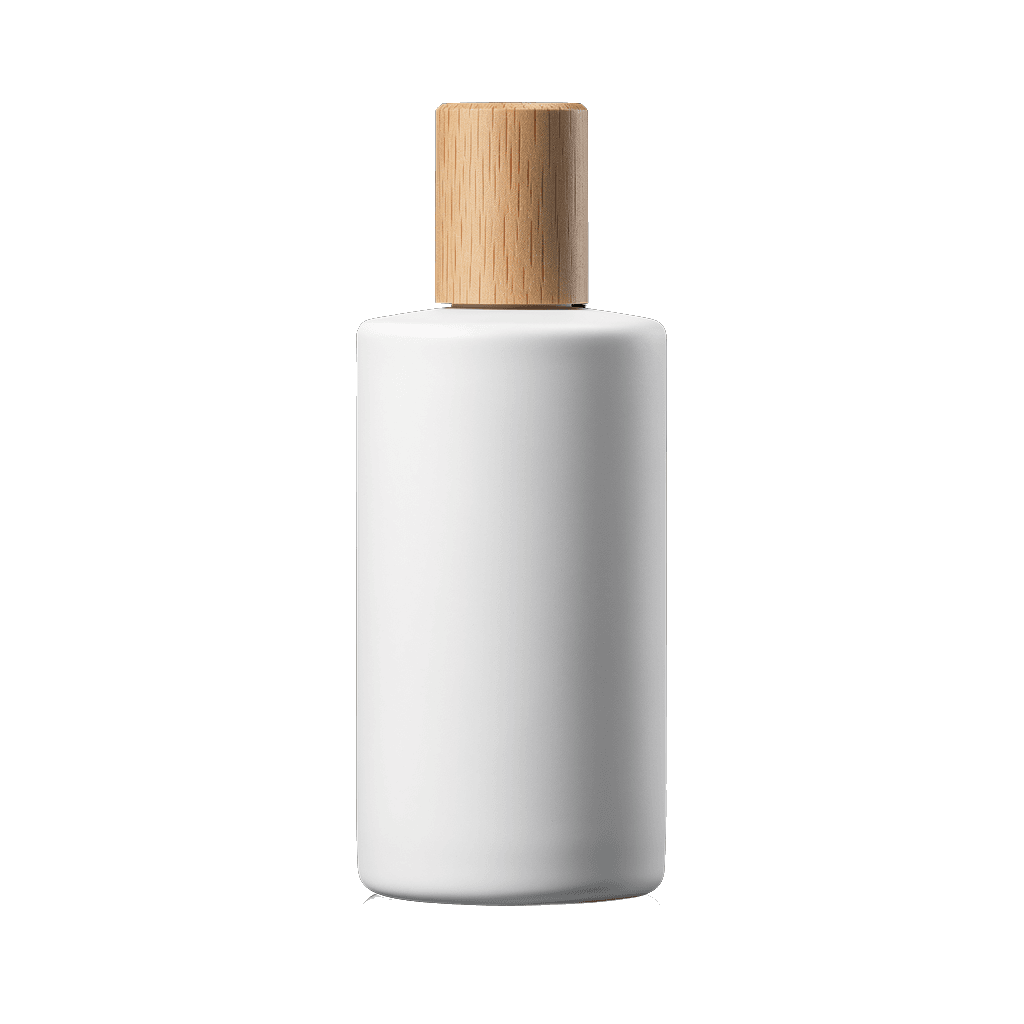
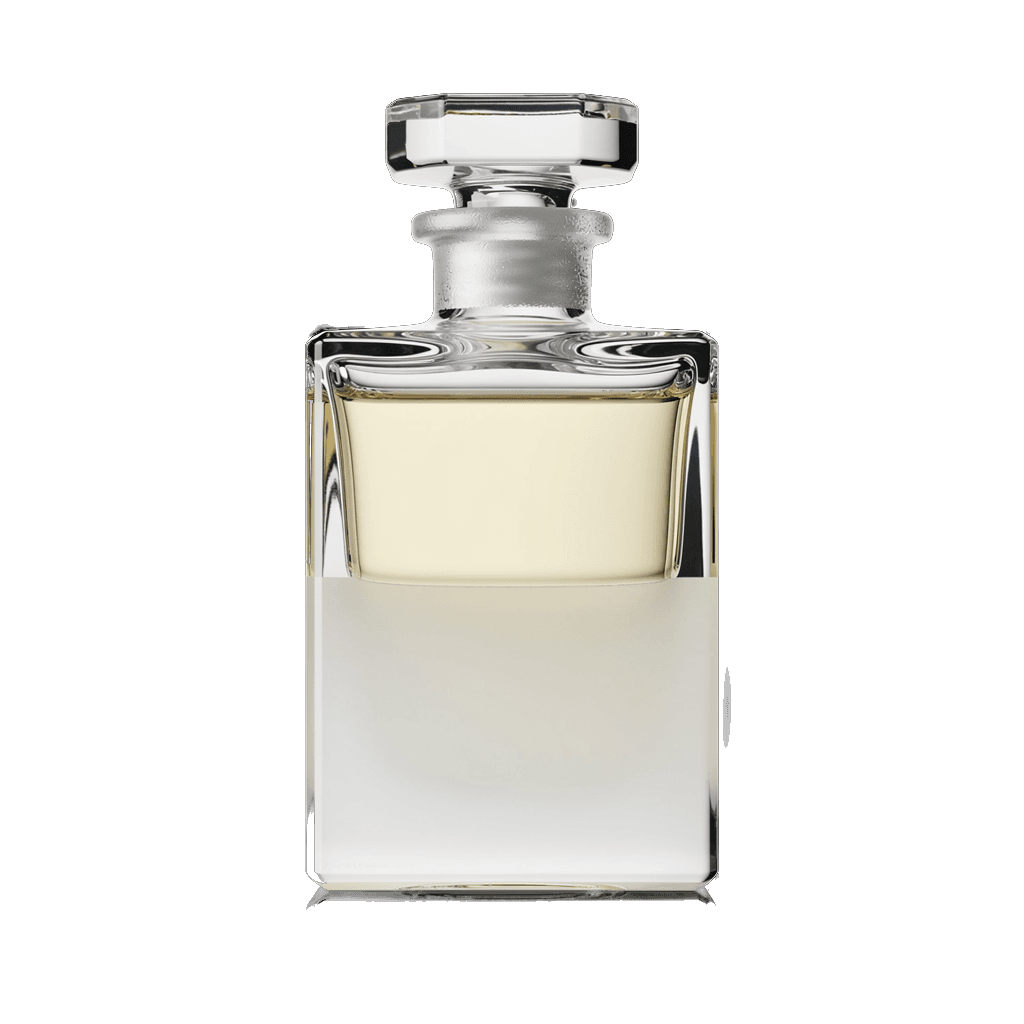
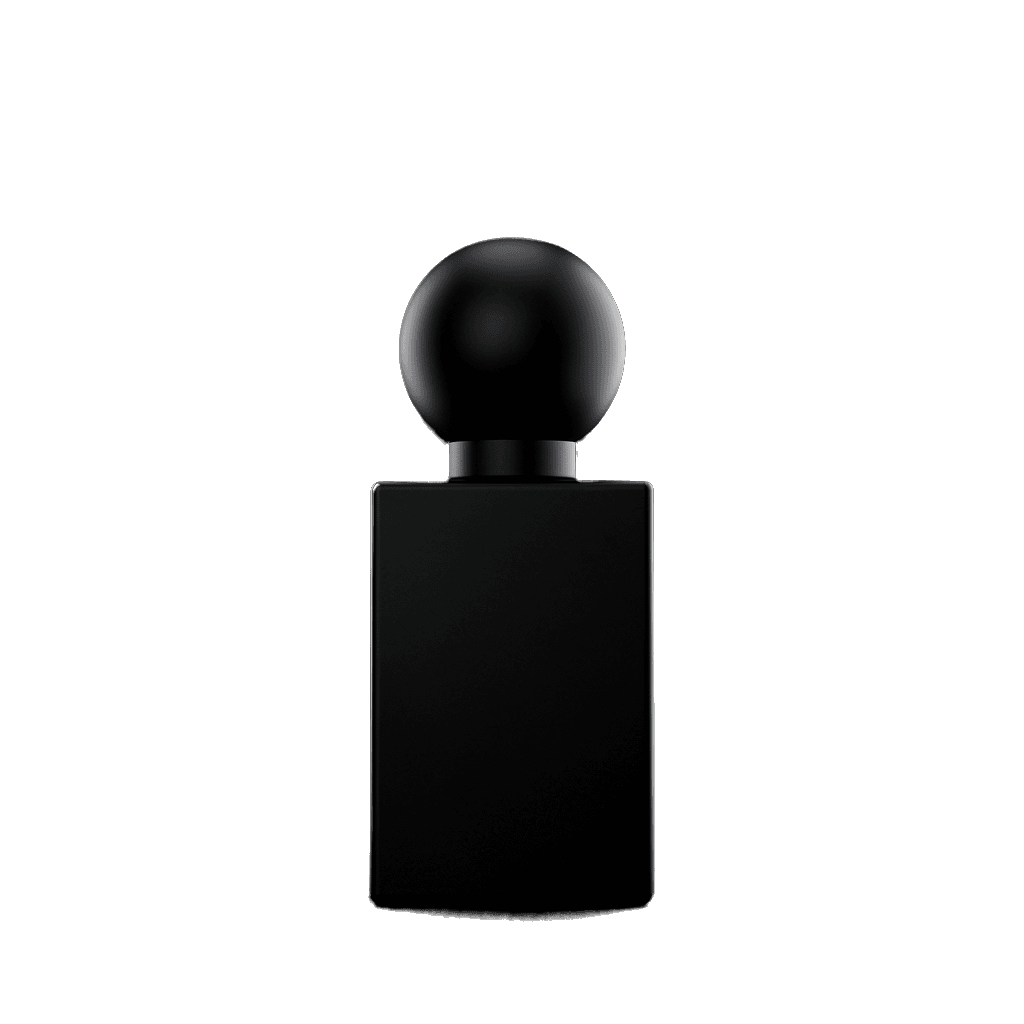
Visually, Acca Kappa leans on clean lines and a restrained colour palette that echoes its Italian roots. Recent releases feature bottles with a subtle arch that references the Veneto archways, while the glass remains clear to showcase the perfume’s hue. Labels employ a serif typeface in matte black, positioned against a brushed aluminum cap that adds a tactile contrast. The brand’s advertising imagery often depicts everyday scenes – a café terrace, a sun‑lit balcony – underscoring the idea that fragrance integrates into ordinary moments. Seasonal campaigns use pastel backdrops for spring scents and deeper, muted tones for autumnal offerings, reinforcing the olfactory narrative through colour. Retail displays are constructed from reclaimed wood, aligning with the house’s sustainability goals, and are arranged to allow customers to sample each fragrance at eye level. The overall visual language balances modern minimalism with a nod to classic Italian design, creating a cohesive identity that feels both familiar and fresh.
Philosophy
Acca Kappa frames fragrance as a daily ritual rather than a fleeting trend. The house believes that scent should complement a person’s lifestyle, offering both comfort and subtle distinction. Its creative brief emphasizes balance: each composition strives for harmony between bright top notes and a lingering base, allowing the wearer to evolve with the perfume over time. Sustainability is woven into the brand’s values; sourcing decisions favour suppliers who practice responsible cultivation, especially for citrus and aromatic herbs native to the Mediterranean basin. Transparency guides the development process, with ingredient lists disclosed whenever possible. The company also supports local craftsmanship by commissioning Italian glassmakers for bottle production, reinforcing a connection between scent and material culture. In interviews, the creative team has highlighted the importance of listening to consumer feedback, using it to refine formulas without compromising artistic intent. This pragmatic yet passionate approach positions Acca Kappa as a bridge between heritage and modern sensibility.
Key Milestones
1869
Hermann Krüll opens a perfumery workshop in Treviso, laying the foundation for Acca Kappa.
1920
The Krüll brothers launch the first branded cologne line, expanding distribution to regional pharmacies.
1970
Acca Kappa modernises its factory, introducing stainless‑steel distillation equipment while retaining hand‑crafted bottling.
2010
A wave of new releases arrives, including Acqua Woman, Perla Woman, Rosa Woman, Viola Woman, Azzuro Man, Accelerazione Man and Platino Man.
2022
Camou, a limited‑edition scent, debuts, showcasing collaboration with an independent perfumer.
2024
Intenso is launched, marking the brand’s most recent addition to its contemporary collection.
At a Glance
Brand profile snapshot
Origin
Italy
Founded
1869
Heritage
157
Years active
Collection
1
Fragrances released
Avg Rating
4.0
Community sentiment
Release Rhythm