The Heritage
The Story of L'Aromatica Perfume
L'Aromatica is a Latina‑owned fragrance house that creates small‑batch, non‑gendered scents from a studio in Northern California. Founder and perfumer Loreto Remsing blends traditional techniques with contemporary storytelling, offering collections that range from bright citrus to deep woody accords. Each bottle arrives with a handwritten note, inviting the wearer to explore a personal memory rather than a market trend. The brand positions itself as an artisan alternative to mass‑produced perfume, emphasizing intimacy, cultural heritage, and sustainable sourcing.
Heritage
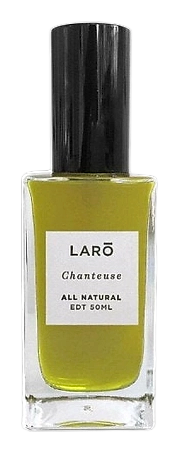
Loreto Remsing grew up in a bilingual household where the aromas of her grandmother's kitchen mingled with the scent of coastal breezes. After studying chemistry and fragrance formulation, she launched two Bay Area perfume houses: LARŌ, which focuses on all‑natural ingredients, and Laromatica, a mixed‑media atelier that experiments with both natural and synthetic notes. The latter debuted publicly in the mid‑2010s, according to local press coverage, and quickly attracted a community of collectors who valued its handcrafted approach. Early releases such as "Nick" and "Seafaring Man" earned modest attention in niche fragrance blogs, highlighting the brand's willingness to explore unconventional narratives. In 2022, L'Aromatica partnered with the 7th Taste TV Awards as an official fragrance partner, a collaboration confirmed by the event’s organizers. The partnership allowed the house to showcase its scent "Animus" alongside culinary innovators, reinforcing its cross‑disciplinary ethos. Over the past few years, the company has expanded its distribution to select boutique retailers across the United States while maintaining a direct‑to‑consumer model through its website. Despite growth, Remsing keeps production runs limited, often releasing fewer than 200 bottles per scent, a practice she describes as a safeguard against dilution of the creative vision. The brand’s evolution reflects a broader movement among independent perfumers who prioritize story, community, and responsible sourcing over scale.
Craftsmanship
Every L'Aromatica fragrance begins with a brief written by Remsing that captures a specific mood or memory. She then selects a core of natural absolutes—such as Bulgarian rose or Mysore sandalwood—paired with synthetics that extend the scent’s longevity. The blending takes place in a modest lab equipped with temperature‑controlled mixers, allowing precise measurement of each component. Production runs stay under 200 bottles per scent, a limit that lets the team hand‑fill each bottle using a stainless‑steel pipette. Quality control includes a three‑stage testing process: a preliminary nose test by Remsing, a blind panel evaluation with independent perfumers, and a final stability test that monitors the perfume over six months under varying light and temperature conditions. Ingredients are sourced from certified suppliers who provide traceability reports; for example, the oud used in "Desert Man" originates from a cooperative in Vietnam that practices sustainable harvesting. The brand avoids animal testing and complies with the International Fragrance Association’s standards. Packaging decisions reflect the same attention to detail: amber glass protects the fragrance from UV exposure, while the minimalist label, printed with soy‑based ink, conveys the scent’s name and a brief poetic description. Each order ships with a recycled cardboard box and a handwritten thank‑you card, reinforcing the personal connection between maker and wearer.
Design Language
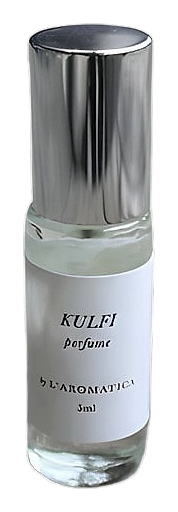
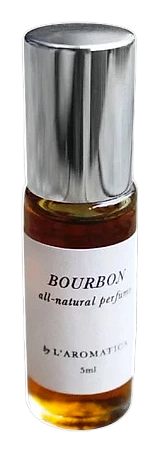
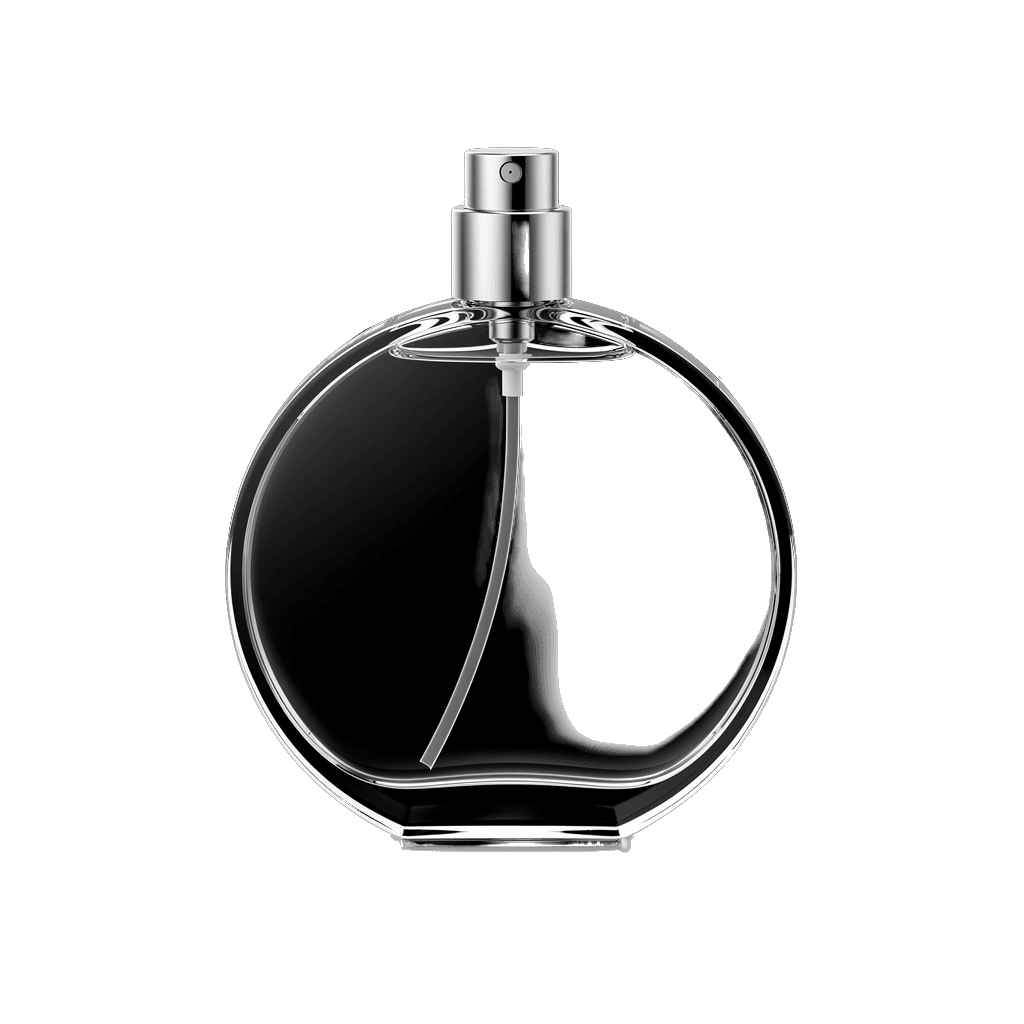
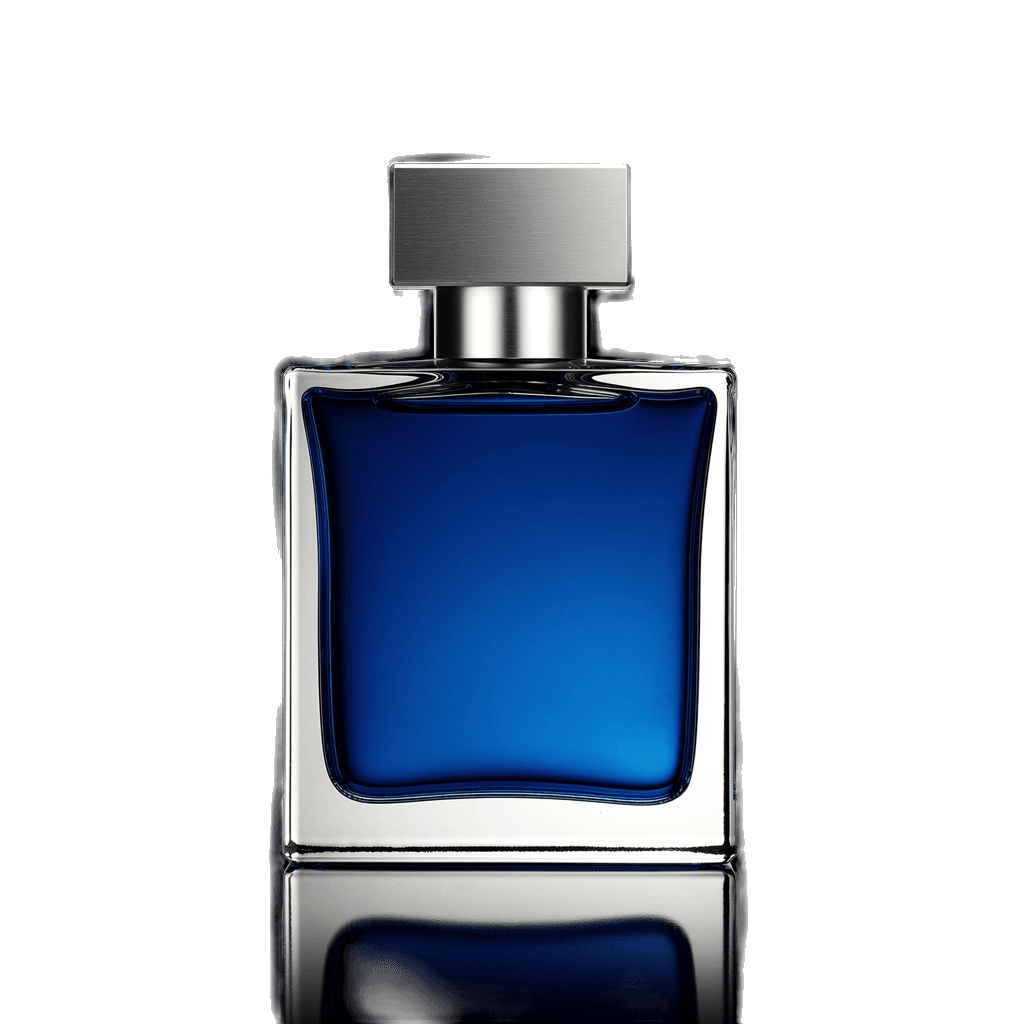
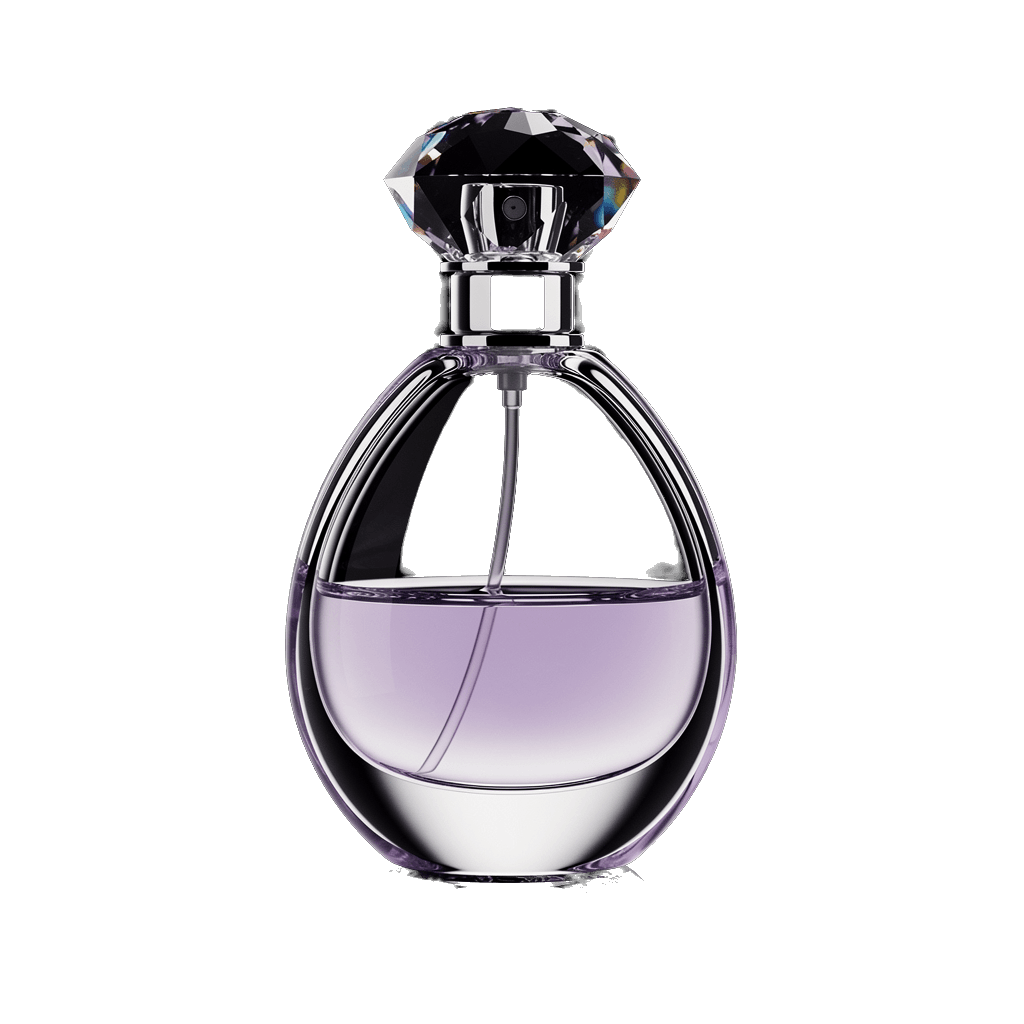
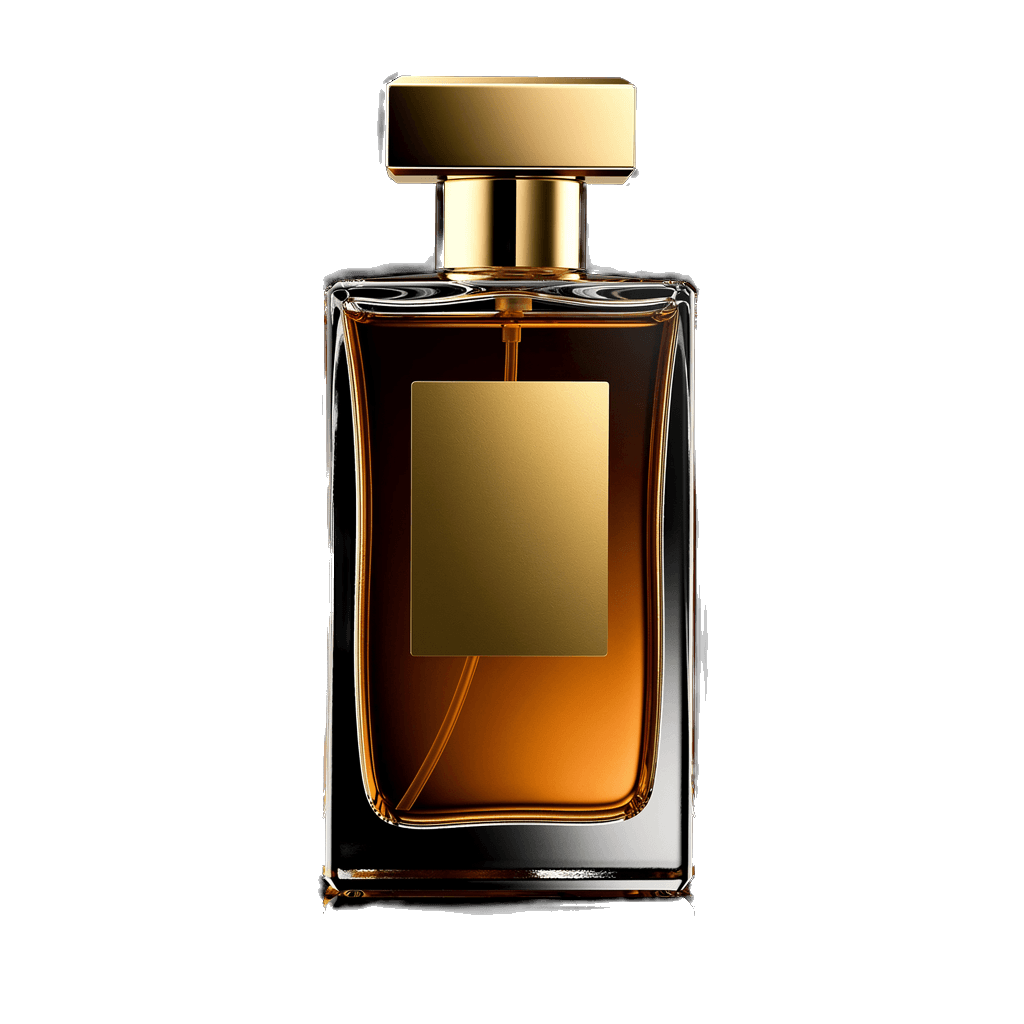
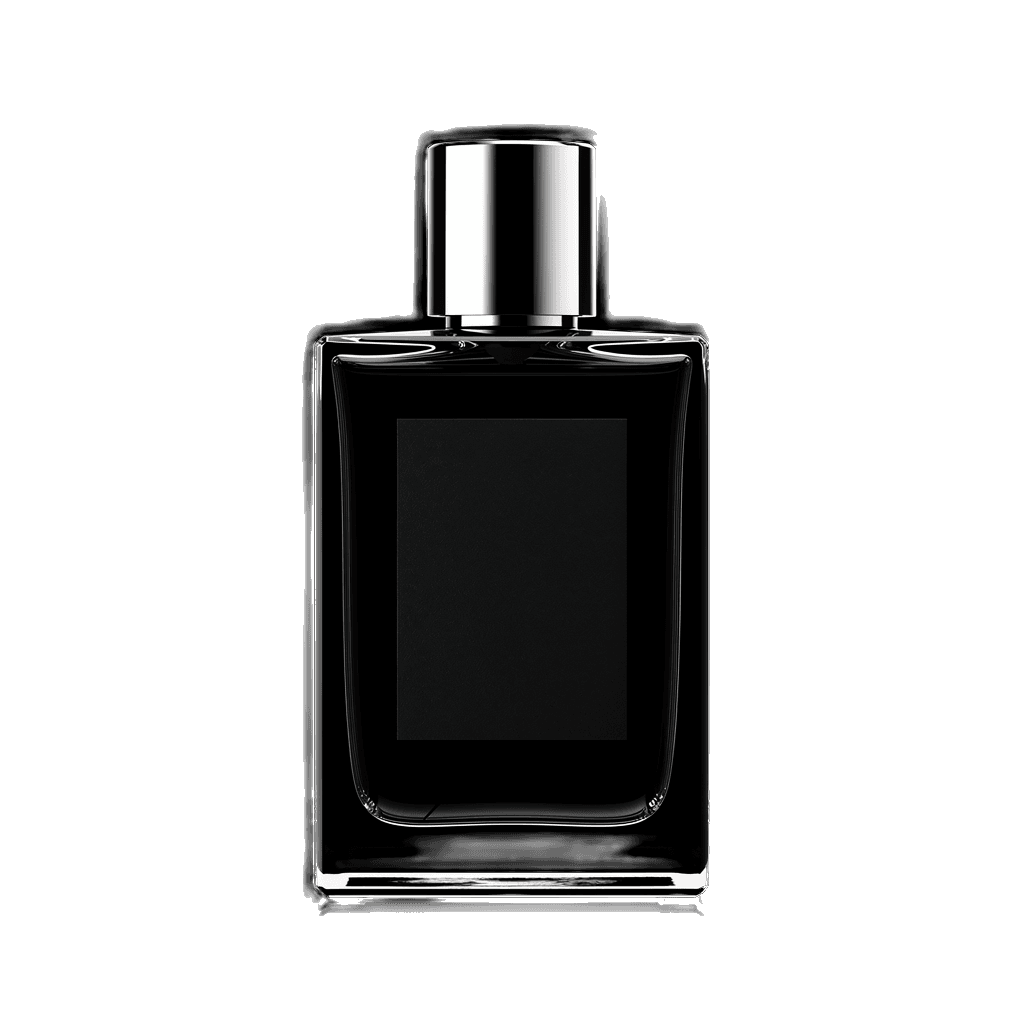
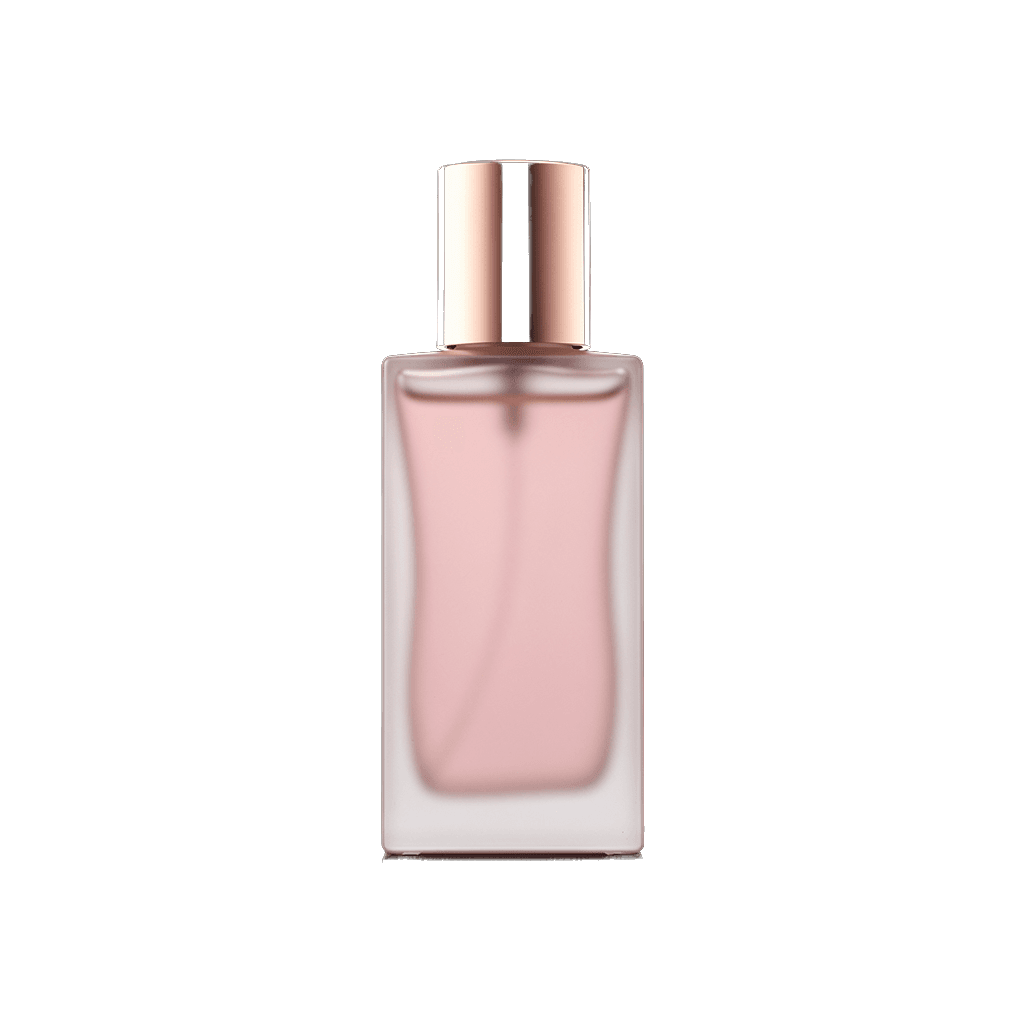
L'Aromatica’s visual identity mirrors its scent philosophy: clean lines, muted palettes, and a focus on texture. Bottles feature a simple cylindrical shape with a brushed aluminum cap, allowing the amber liquid to become the focal point. The label design uses a sans‑serif typeface set against a matte background, with a subtle embossing that hints at the fragrance’s character. For "Yellow Rose," the label incorporates a faint watercolor illustration of a single bloom, while "Big Sur" displays a minimalist coastline silhouette. The brand’s website adopts a white‑space‑rich layout, showcasing high‑resolution photographs of the bottles alongside close‑up shots of raw ingredients. Social media feeds often include monochrome portraits of Remsing in her studio, emphasizing the craft over celebrity. Seasonal campaigns introduce limited‑edition packaging that references cultural motifs, such as a Dia de los Muertos‑inspired pattern for a special release in 2023. The overall aesthetic conveys a sense of understated elegance, inviting the viewer to pause and consider the story behind each scent rather than being overwhelmed by flash.
Philosophy
L'Aromatica treats perfume as a language rather than a commodity. The house believes that scent can articulate identity, memory, and place without relying on gendered marketing. This belief guides the creation of each fragrance, which is presented as a neutral experience open to interpretation. Remsing emphasizes transparency; ingredient lists appear on every product page, and she frequently shares sourcing stories on social media. The brand also supports local artisans by sourcing glass bottles from a family‑run manufacturer in Oregon. Environmental stewardship informs the packaging strategy: the company uses recycled paper for labels and encourages customers to return empty bottles for a refill discount. Community engagement extends to workshops held at the studio, where participants learn about note construction and the chemistry behind perfume. By fostering education, L'Aromatica hopes to demystify the craft and invite a broader audience into the conversation about scent. The house’s creative vision remains rooted in cultural hybridity, reflecting Remsing’s own Latina heritage and the diverse influences of the Bay Area.
Key Milestones
2015
Loreto Remsing establishes L'Aromatica in Northern California, launching the first small‑batch fragrances.
2017
Release of "Nick," the brand’s inaugural scent, which gains coverage in niche perfume blogs.
2020
L'Aromatica partners with a local glass manufacturer in Oregon to produce its signature amber bottles.
2022
Official fragrance partner for the 7th Taste TV Awards, showcasing "Animus" alongside culinary creators.
2024
Launch of the non‑gendered "Hello Delicious" line, accompanied by a series of community workshops on scent composition.
At a Glance
Brand profile snapshot
Origin
United States
Collection
4
Fragrances released
Avg Rating
4.0
Community sentiment