



The Heritage
The Story of Ladanika
Ladanika is a niche fragrance house that emerged in the late 2010s with a focus on olfactory stories drawn from Russian folklore and natural landscapes. The brand debuted its eponymous scent in 2018 and has since expanded to a modest catalogue that includes Power of The Spirit (2017), Ivan Kupala (2025), and Bayun the Cat (2021). Each fragrance is presented in a minimalist bottle that emphasizes the scent rather than flashy branding. Ladanika positions itself as a laboratory for curious noses, offering compositions that blend traditional ingredients such as frankincense and birch with modern synthetics. The label distributes primarily through specialty retailers and online platforms that cater to collectors of artisanal perfume.
Heritage
The origins of Ladanika trace back to a small collective of scent enthusiasts who began experimenting with natural resins and local botanicals in Moscow around 2016. Their first public offering, Power of The Spirit, arrived in 2017 and was noted in niche fragrance forums for its smoky incense core. Building on that momentum, the house launched its namesake fragrance Ladanika in 2018, a composition that pairs frankincense with ambergris notes and quickly attracted attention from independent reviewers. In 2019 the brand introduced Garnet Bracelet, a warm oriental scent that incorporated labdanum and pomegranate. The following year saw the release of Kalinka‑Malinka, a bright fruit‑spice blend that referenced a well‑known Russian folk song. 2021 marked the arrival of Bayun the Cat, a playful scent that mixes cat‑mint, cedar, and a hint of vanilla, reflecting the brand’s willingness to explore whimsical themes. The most recent addition, Ivan Kupala, scheduled for 2025, is expected to celebrate the summer solstice with notes of meadow herbs and river water accord. Throughout its development, Ladanika has remained independent, avoiding large corporate ownership and maintaining production in small batches to preserve quality. The brand’s modest scale has allowed it to respond quickly to emerging trends while staying rooted in its original vision of storytelling through scent.
Craftsmanship
Production at Ladanika follows a small‑batch model that combines artisanal hand‑mixing with precise laboratory controls. Raw materials are sourced from a network of vetted suppliers; for example, the frankincense used in the flagship Ladanika fragrance is obtained from a cooperative in Dhofar, Oman, known for its sustainable harvesting methods. Botanical extracts such as birch sap are procured from regional farms in the Russian taiga, where growers follow organic practices. Once ingredients arrive at the studio, they undergo a quality assessment that includes gas‑chromatography analysis to verify purity and consistency. The blending process is carried out by experienced perfumers who work at a temperature‑controlled bench, allowing volatile components to integrate evenly. After the formula is finalized, the mixture is macerated for a period ranging from several weeks to several months, depending on the fragrance family, to achieve depth and balance. Filtration follows maceration, removing any particulate matter before the perfume is transferred into its final container. Bottles are filled by hand using calibrated pipettes to ensure accurate dosing. Each batch is sealed with a tamper‑evident cap and labeled with a batch code that tracks production date, ingredient lot numbers, and quality‑control results. The brand conducts periodic audits of its supply chain and maintains documentation that aligns with international fragrance industry standards, such as IFRA guidelines. This meticulous approach aims to deliver a consistent olfactory experience while honoring the integrity of each raw material.
Design Language
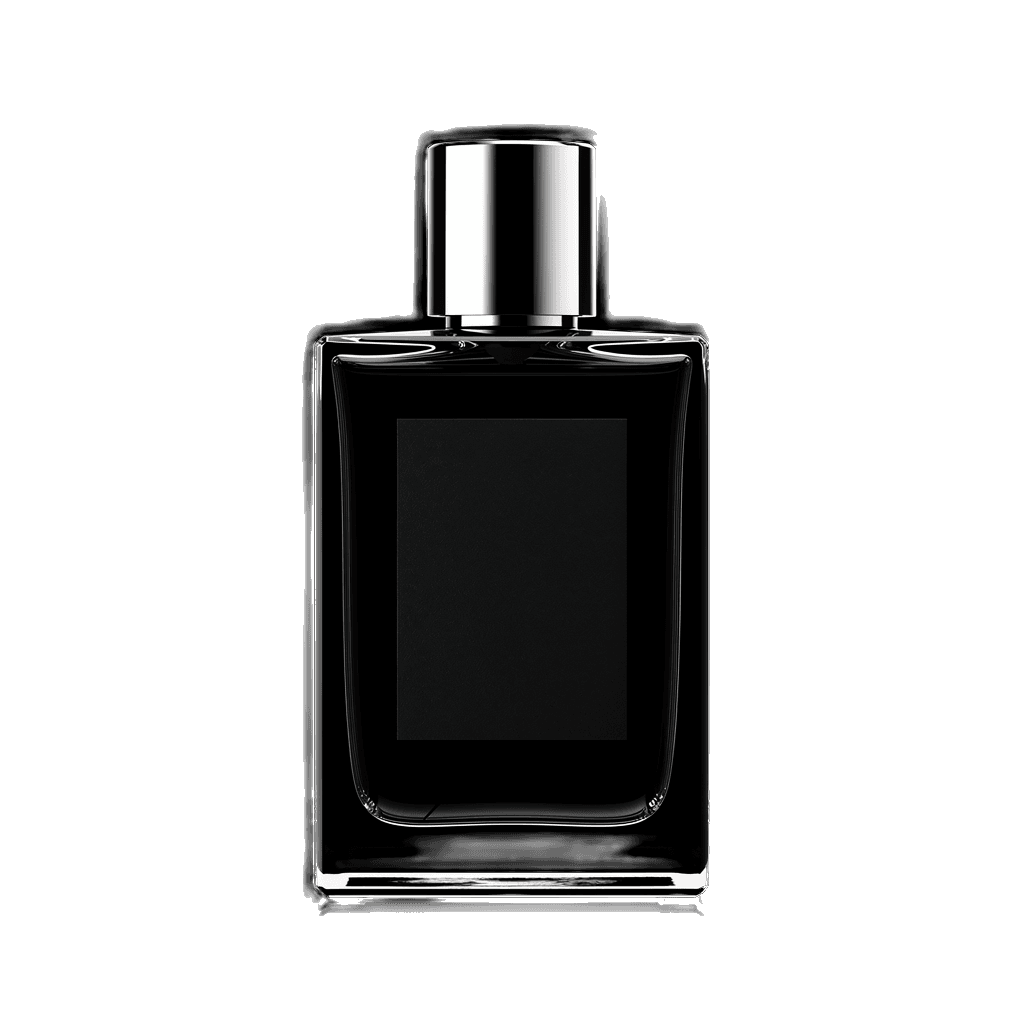
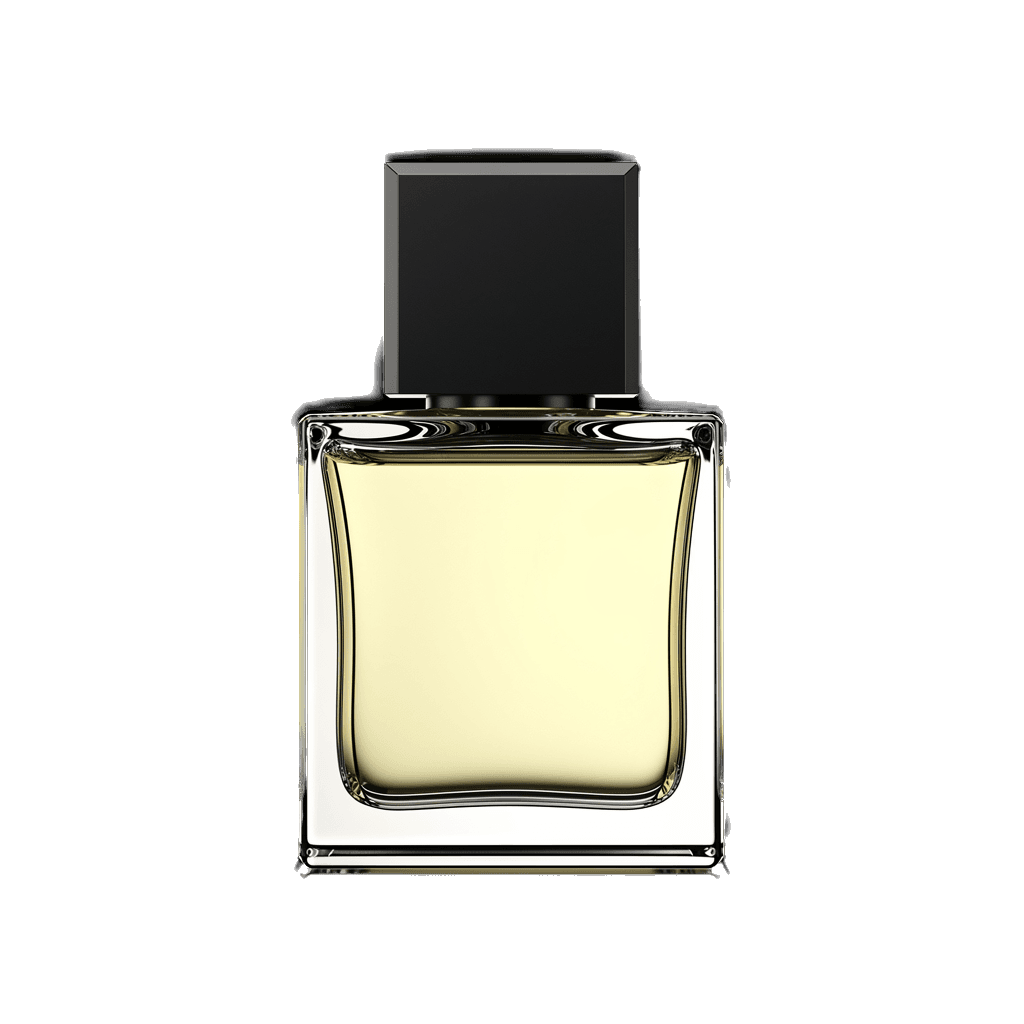
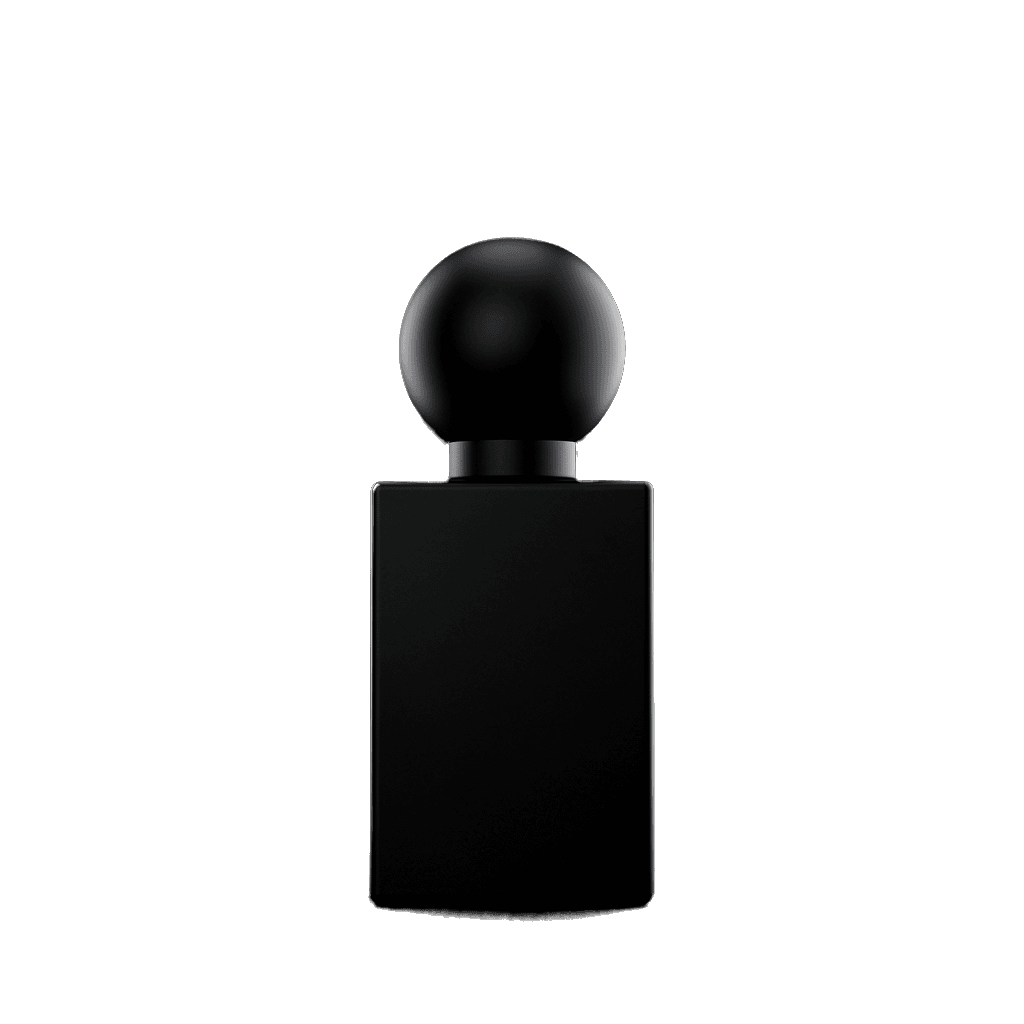
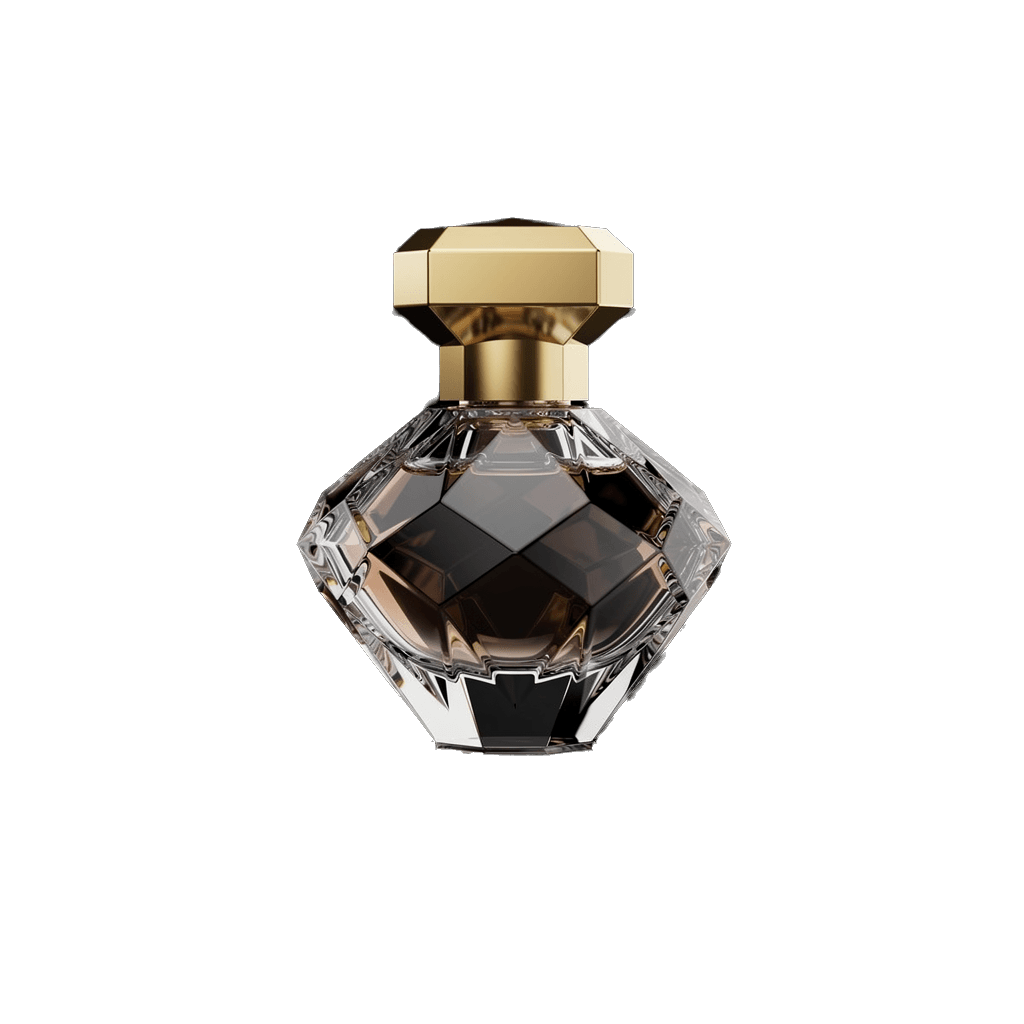
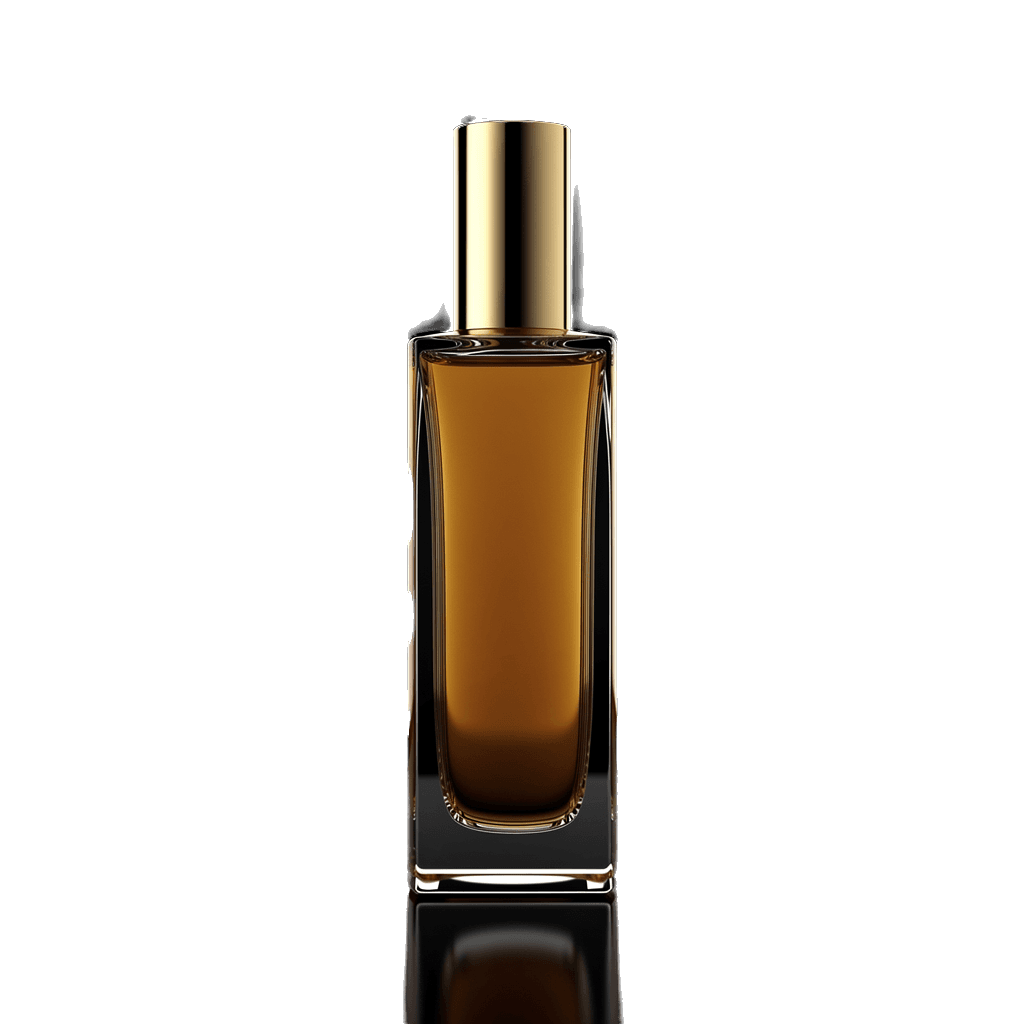
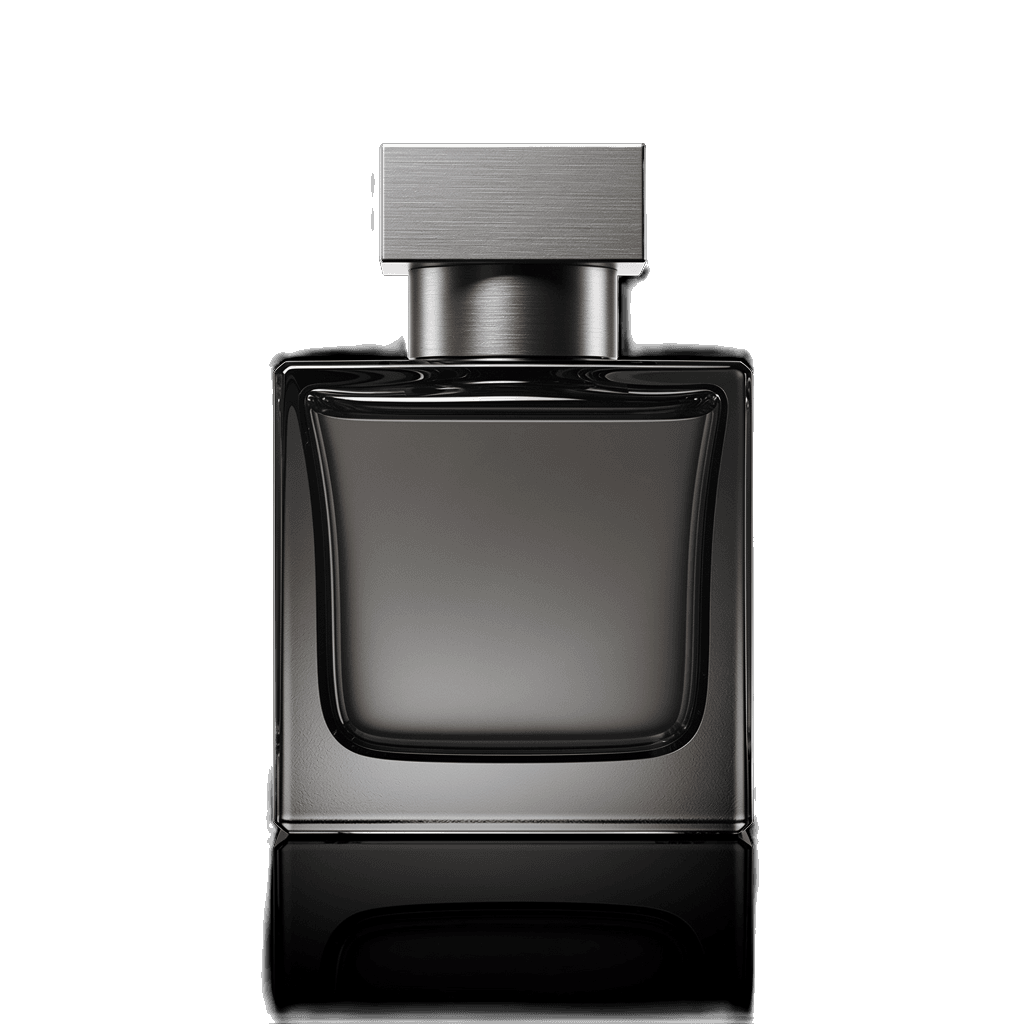
Visually, Ladanika adopts a restrained aesthetic that mirrors the quiet elegance of its scent narratives. Bottles are typically clear glass with a simple cylindrical shape, allowing the perfume’s natural hue to be visible. Labels feature a sans‑serif typeface in muted tones, often accompanied by a small emblem that references the fragrance’s theme, such as a stylized birch leaf for the Ladanika scent or a folk‑motif for Ivan Kupala. The caps are matte black or brushed metal, providing a tactile contrast to the smooth glass. Packaging boxes use recycled cardstock with minimal graphic treatment; a single line of text describes the inspiration behind the fragrance, printed in a subtle gray ink. This understated design philosophy extends to the brand’s digital presence, where the website employs a clean layout, ample white space, and high‑resolution photography that highlights the bottles against natural backdrops. The overall visual language conveys a sense of quiet confidence, inviting the consumer to focus on the scent itself rather than on overt branding. By aligning the visual elements with the narrative content of each perfume, Ladanika creates a cohesive experience that feels both contemporary and rooted in tradition.
Philosophy
Ladanika’s creative outlook centers on narrative perfume, where each bottle acts as a chapter in a larger cultural tale. The founders have spoken about their desire to translate Russian myths, seasonal rituals, and natural phenomena into aromatic form, using both heritage ingredients and contemporary synthetics. The house emphasizes authenticity, preferring raw materials that can be traced to their source, such as sustainably harvested frankincense from Oman or hand‑picked birch sap from Siberia. At the same time, Ladanika embraces laboratory innovation, allowing perfumers to experiment with aroma chemicals that extend the expressive range of traditional notes. Transparency is a stated value; the brand provides ingredient lists on its website and encourages consumers to explore the stories behind each composition. Sustainability also features in the philosophy, with a commitment to using recyclable packaging and supporting fair‑trade practices where possible. By balancing folklore with modern technique, Ladanika seeks to create scents that feel both familiar and surprising, inviting wearers to experience a moment of cultural immersion.
Key Milestones
2016
Founding of the Ladanika collective in Moscow, beginning experimental blending of natural resins and local botanicals.
2017
Release of Power of The Spirit, the brand’s first public fragrance, noted for its incense‑rich composition.
2018
Launch of the eponymous Ladanika fragrance, combining frankincense, ambergris, and labdanum.
2019
Introduction of Garnet Bracelet, expanding the line with a warm oriental profile.
2020
Adoption of sustainable sourcing policies for key ingredients such as frankincense and birch sap.
2021
Release of Bayun the Cat, a playful scent that blends cat‑mint, cedar, and vanilla.
At a Glance
Brand profile snapshot
Origin
Russia
Founded
2016
Heritage
10
Years active
Collection
3
Fragrances released
Avg Rating
4.0
Community sentiment
Release Rhythm