

The Heritage
The Story of Lancetti
Lancetti is an Italian fragrance house that emerged from the fashion world of Florence in the mid‑1970s. Founded by former couture designer Franco Lancetti, the brand translates the city’s artistic heritage into scented collections that balance classic Italian elegance with contemporary flair. Over the decades Lancetti has built a modest but devoted following, especially among collectors who prize its early releases such as Lancetti Uomo (1982) and the aromatic fougère Il (1990). The house continues to launch new scents while preserving the craftsmanship that defined its first decade.
Heritage
Franco Lancetti opened his first atelier in Florence in 1975, initially presenting ready‑to‑wear collections that echoed the city’s sartorial tradition. Within a few years he turned his attention to fragrance, believing that scent could serve as an invisible accessory for the modern gentleman and lady. The first perfume, Lancetti Uomo, arrived in 1982. It followed the era’s penchant for heavy woody and spicy accords, and it quickly earned a reputation as a robust, masculine statement piece. In 1985 the brand introduced Via Condotti Pour Femme, a nod to Rome’s famed shopping boulevard, signaling Lancetti’s ambition to link fashion districts with olfactory design. The 1990s proved prolific: Il debuted that year, offering a fresh aromatic profile that contrasted with the darker tones of earlier releases, while Elle and Suspense expanded the house’s feminine portfolio. Monsieur (1995) reinforced the masculine line with leather‑rich notes, and Celebration II (2012) marked a return to a lighter, more modern aesthetic. Throughout its history Lancetti has remained a family‑run operation, sourcing ingredients from Mediterranean growers and collaborating with Italian laboratories for formulation. The brand’s modest size has allowed it to maintain close relationships with perfumers and to experiment with limited‑edition releases, such as the Special Edition IV of Etre. While never achieving mass‑market dominance, Lancetti’s consistent focus on quality and its ties to Italian design have secured its place among niche fragrance enthusiasts. Today the house continues to produce new scents from its Florence studio, honoring the founder’s original vision of scent as an extension of personal style.
Craftsmanship
Lancetti’s production begins with a careful selection of raw materials. The house sources natural absolutes and essential oils from growers in Tuscany, Calabria and the broader Mediterranean region, favoring ingredients that carry a clear geographic signature. For synthetic components, Lancetti partners with established Italian chemical labs that meet EU safety standards, ensuring consistency across batches. Formulation takes place in a Florence laboratory where perfumers blend the ingredients under controlled temperature and humidity, a practice that mirrors traditional apothecary methods while employing modern analytical tools. The brand favors a balanced ratio of natural to synthetic, allowing the scent to retain depth without sacrificing longevity. Quality control includes gas‑chromatography testing to verify the composition of each batch, and a sensory panel evaluates the fragrance at different stages of maturation. Bottling occurs in a nearby glassworks that produces clear, thick‑walled containers designed to protect the perfume from light exposure. Caps are often crafted from brushed metal, sealed with a tamper‑evident liner to preserve integrity during shipping. Each bottle receives a hand‑applied label that includes the fragrance name, concentration and a brief artistic statement. The limited‑run nature of many Lancetti releases means that production runs are carefully calibrated to meet demand without over‑producing, a practice that helps maintain the brand’s niche status and reduces excess inventory. Throughout the process, Lancetti documents each step, creating a traceable record that supports both quality assurance and potential future reformulations.
Design Language
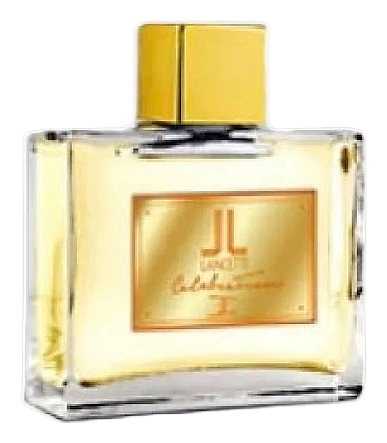
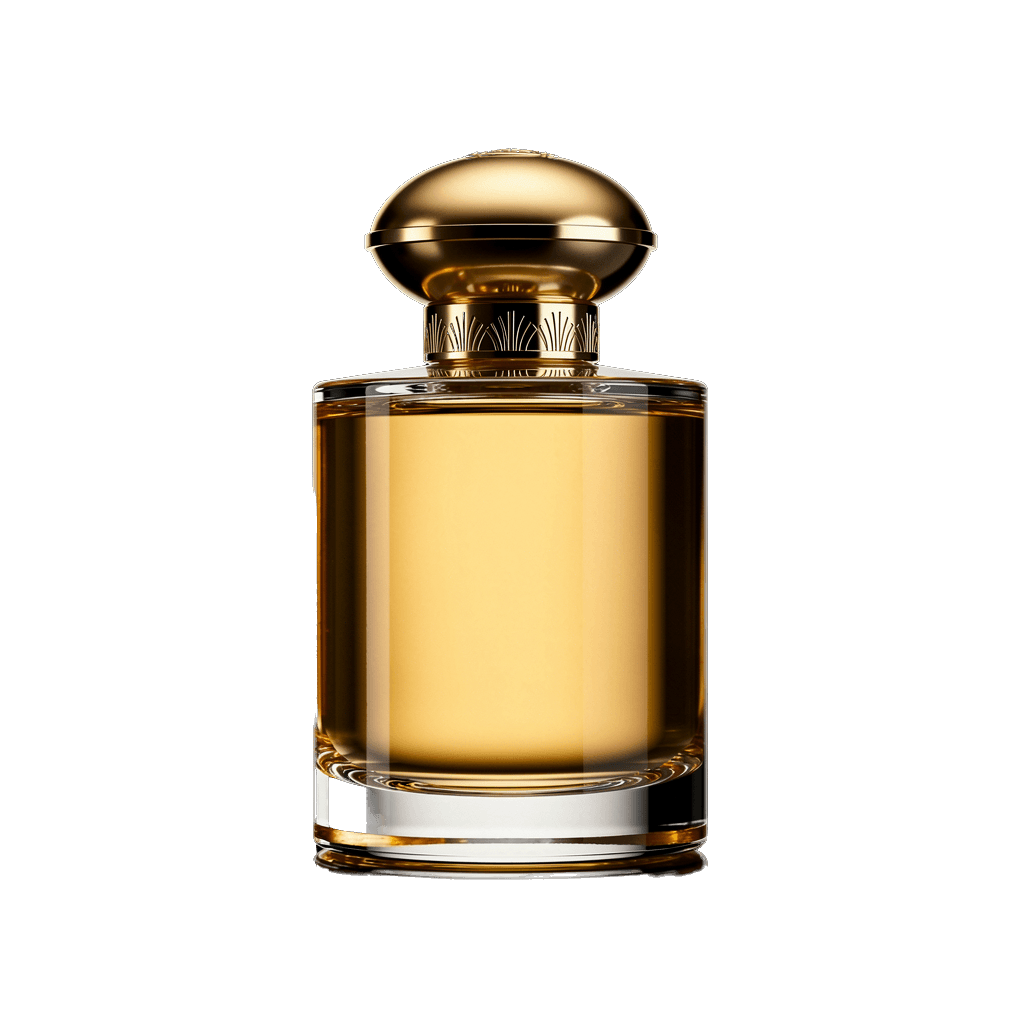
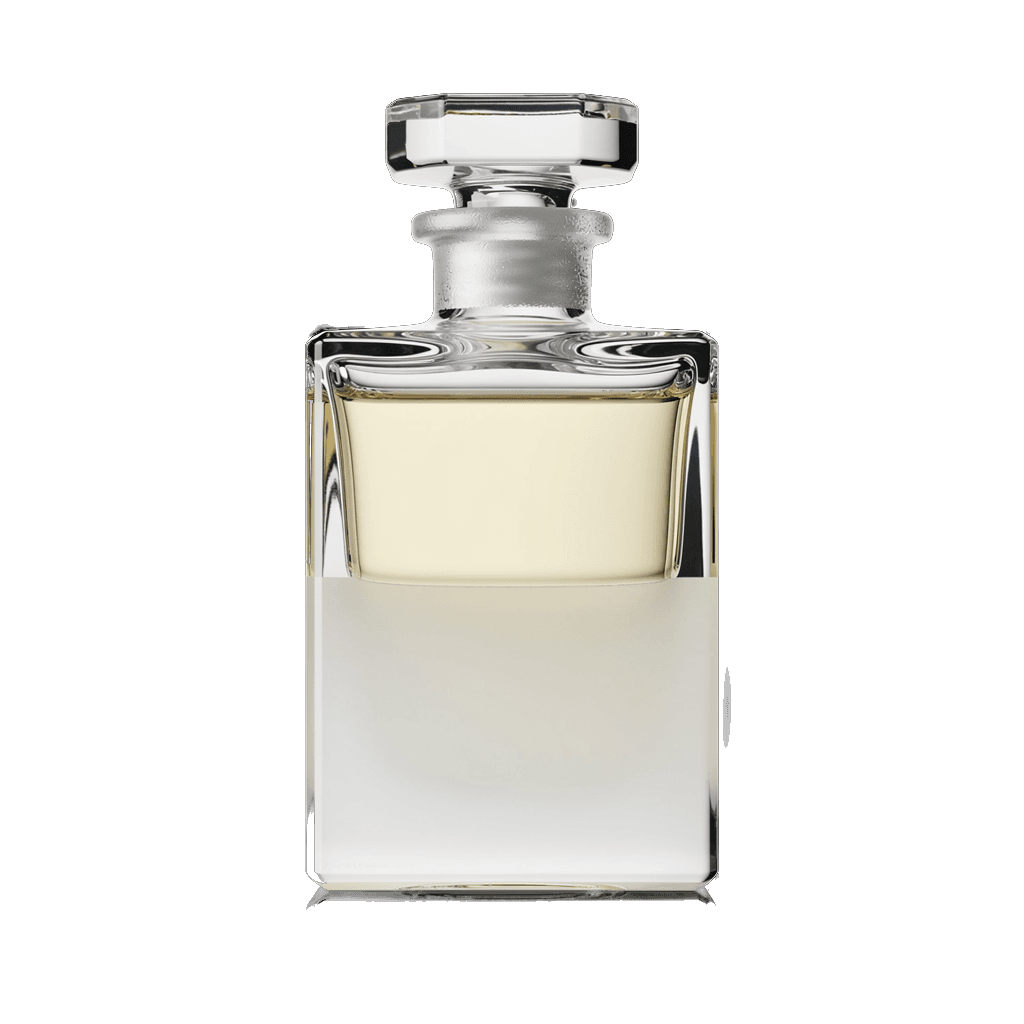
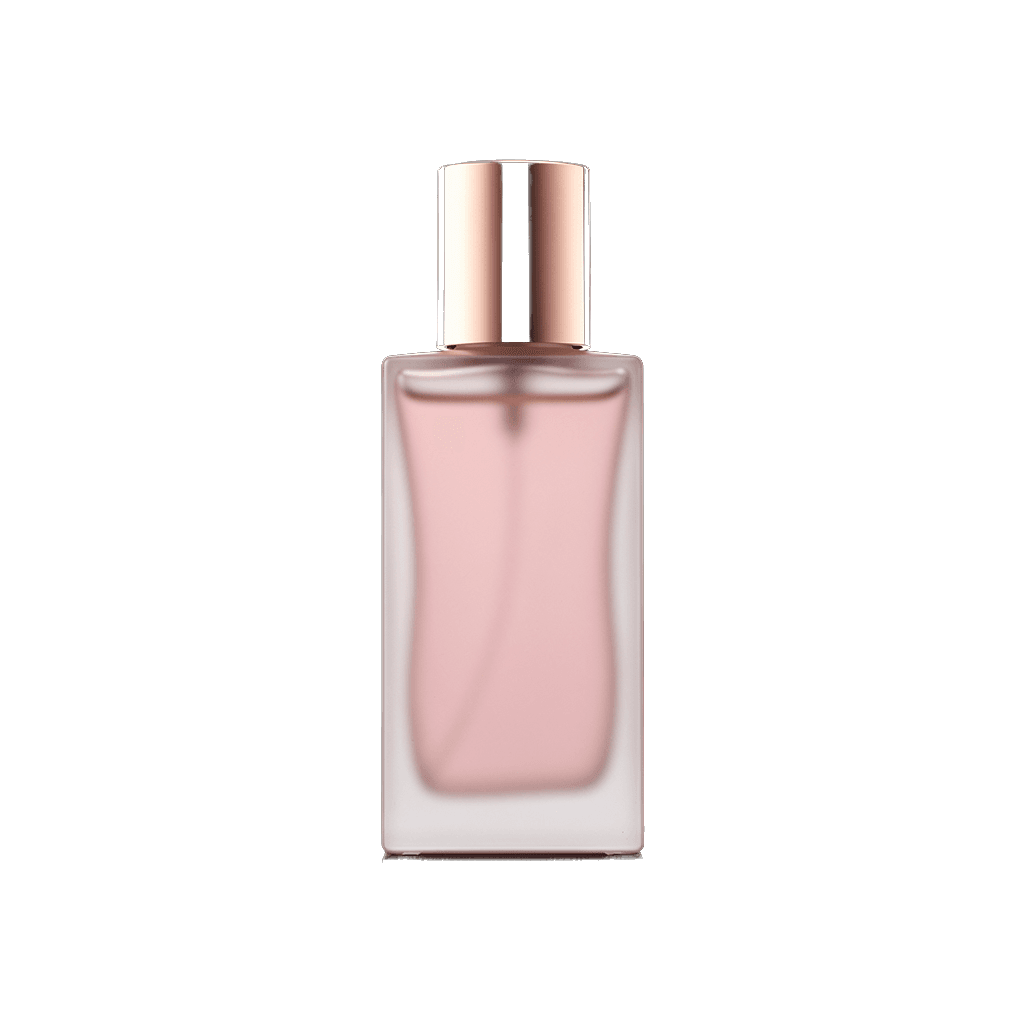
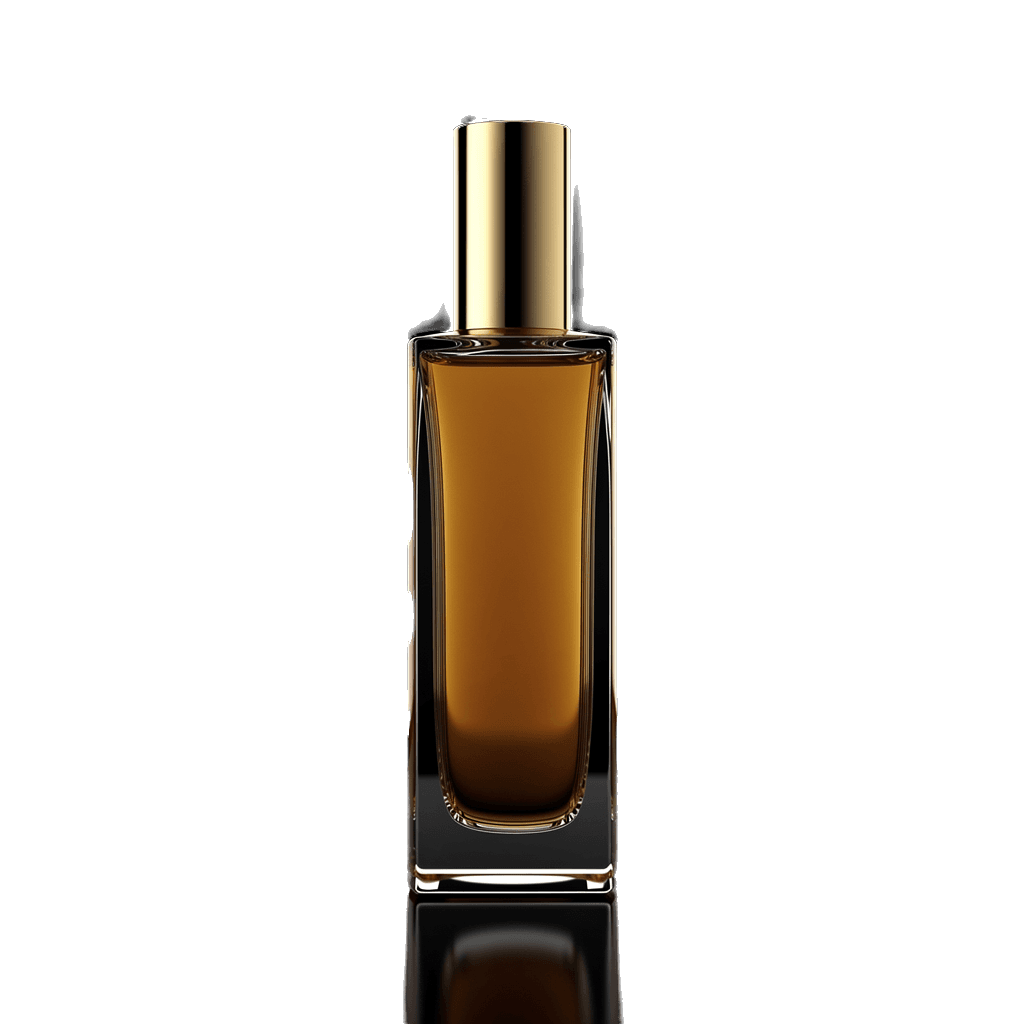
Visually, Lancetti draws on the clean lines and muted palettes of mid‑century Italian design. Bottles typically feature simple cylindrical or rectangular silhouettes, with smooth glass that catches light without excessive ornamentation. Caps are frequently finished in brushed gold or polished aluminum, offering a subtle contrast that hints at luxury without overt flash. The brand’s typography favors a sans‑serif typeface, often rendered in black or deep navy, reinforcing a modern yet timeless feel. Packaging for limited editions may incorporate textured paper or embossed patterns that echo Florentine architectural motifs, linking the scent to its cultural roots. Marketing imagery frequently showcases the fragrances against backdrops of historic streets, marble façades or artisanal workshops, positioning the perfume as an accessory for the cultured traveler. The overall visual identity balances understated elegance with a nod to the brand’s fashion origins, creating a cohesive image that aligns with its philosophy of scent as a personal style statement.
Philosophy
Lancetti approaches perfumery as an extension of sartorial expression. The brand’s statements emphasize a respect for tradition paired with a willingness to explore new olfactory territories, but it avoids grandiose claims of revolution. Instead, Lancetti highlights the dialogue between material and memory, seeking to craft scents that evoke a specific moment in an Italian cityscape. The house values authenticity, sourcing natural extracts from regional botanicals such as Tuscan lavender and Sicilian citrus, while also employing synthetics that enhance stability and projection. Collaboration sits at the core of its creative process; the brand works with perfumers who understand both fashion and fragrance, allowing the final product to reflect a balanced aesthetic. Sustainability receives growing attention, with Lancetti reporting efforts to choose responsibly harvested raw materials and to reduce waste in its small‑batch production. The philosophy underscores a personal connection: each fragrance is designed to accompany the wearer throughout daily rituals, acting as an invisible accessory that complements clothing, mood, and setting.
Key Milestones
1975
Franco Lancetti establishes his fashion atelier in Florence, laying the groundwork for future fragrance ventures.
1982
Lancetti releases its first perfume, Lancetti Uomo, a woody‑spicy scent that quickly becomes a cult favorite.
1990
The aromatic fougère Il and the feminine Elle debut, expanding the brand’s portfolio beyond its initial masculine focus.
1993
Suspense launches, offering a floral‑oriental composition that showcases Lancetti’s versatility.
1995
Monsieur arrives, reinforcing the house’s reputation for sophisticated leather‑based masculine fragrances.
2001
Via Condotti Pour Homme is introduced, linking the brand to Rome’s iconic fashion district.
At a Glance
Brand profile snapshot
Origin
Italy
Founded
1975
Heritage
51
Years active
Collection
3
Fragrances released
Avg Rating
4.5
Community sentiment
Release Rhythm