The Heritage
The Story of Lengyel
Lengyel is a historic perfume house that emerged in Central Europe during the interwar period. Its catalogue reads like a tribute to royal courts, with titles that evoke Russian czars, Hungarian queens and French empresses. The brand survived turbulent decades, preserving a niche of classic, richly composed scents that still attract collectors and connoisseurs. Today, Lengyel’s bottles appear on vintage shelves and in specialty archives, offering a glimpse of a bygone era of aristocratic fragrance culture.
Heritage
The origins of Lengyel trace back to the early 1920s in Budapest, where a group of local entrepreneurs sought to create a line of perfumes that reflected the grandeur of the Austro‑Hungarian aristocracy. Contemporary newspaper notices from 1924 announce the launch of Impératrice Catherine, a floral‑spicy blend that quickly gained favor among the city’s elite. Two years later, the house released Julika (1928), a scent inspired by a popular operetta heroine, further cementing its reputation for narrative‑driven creations. By 1930, Lengyel introduced Essence Imperiale Russe and Eau de la Reine de Hungary, both positioned as homages to the fading imperial courts of Russia and Hungary. The mid‑1930s saw a burst of releases: Gift Of An Empress (1936) and Parfum Impérial (1936) showcased the brand’s confidence in complex, multi‑layered compositions. World War II disrupted production, yet archival records indicate that a small workshop continued to blend limited batches for private clients throughout the conflict. After the war, the brand’s output dwindled, but a dedicated circle of collectors preserved original bottles and formula notes. In the 1990s, a revival interest in vintage perfumery sparked renewed scholarly attention, leading to the digitisation of Lengyel’s archives and the appearance of its fragrances on online scent databases. Although the house no longer operates as a commercial entity, its legacy lives on through museum exhibitions, private collections and the occasional re‑issue by niche houses that respect the original formulas.
Craftsmanship
Production at Lengyel combined traditional French atelier techniques with Central European ingredient sourcing. The house maintained its own small copper stills for distilling essential oils, a practice that allowed precise control over temperature and extraction time. Raw materials arrived from the Carpathian rose fields, the Black Sea coast for ambergris substitutes, and the Balkans for oakmoss. Master blenders, whose names rarely appear in public records, followed a strict protocol: they began each session by weighing raw ingredients on balance scales calibrated to the gram, then macerated the blend in alcohol for several weeks in temperature‑controlled cellars. After maceration, the mixture underwent a gentle filtration through muslin and charcoal to remove impurities while preserving volatile notes. The final perfume was aged in oak barrels for up to six months, a step that softened sharp edges and integrated the heart and base accords. Bottling took place in a nearby glassworks where hand‑blown bottles were sealed with corks wrapped in silk ribbons bearing the Lengyel crest. Quality control involved blind testing by a panel of senior perfumers who compared each batch against a master reference stored in a locked vault. Any deviation prompted a repeat of the aging cycle. This meticulous process contributed to the longevity of the scents, many of which retain their character after decades in sealed containers.
Design Language
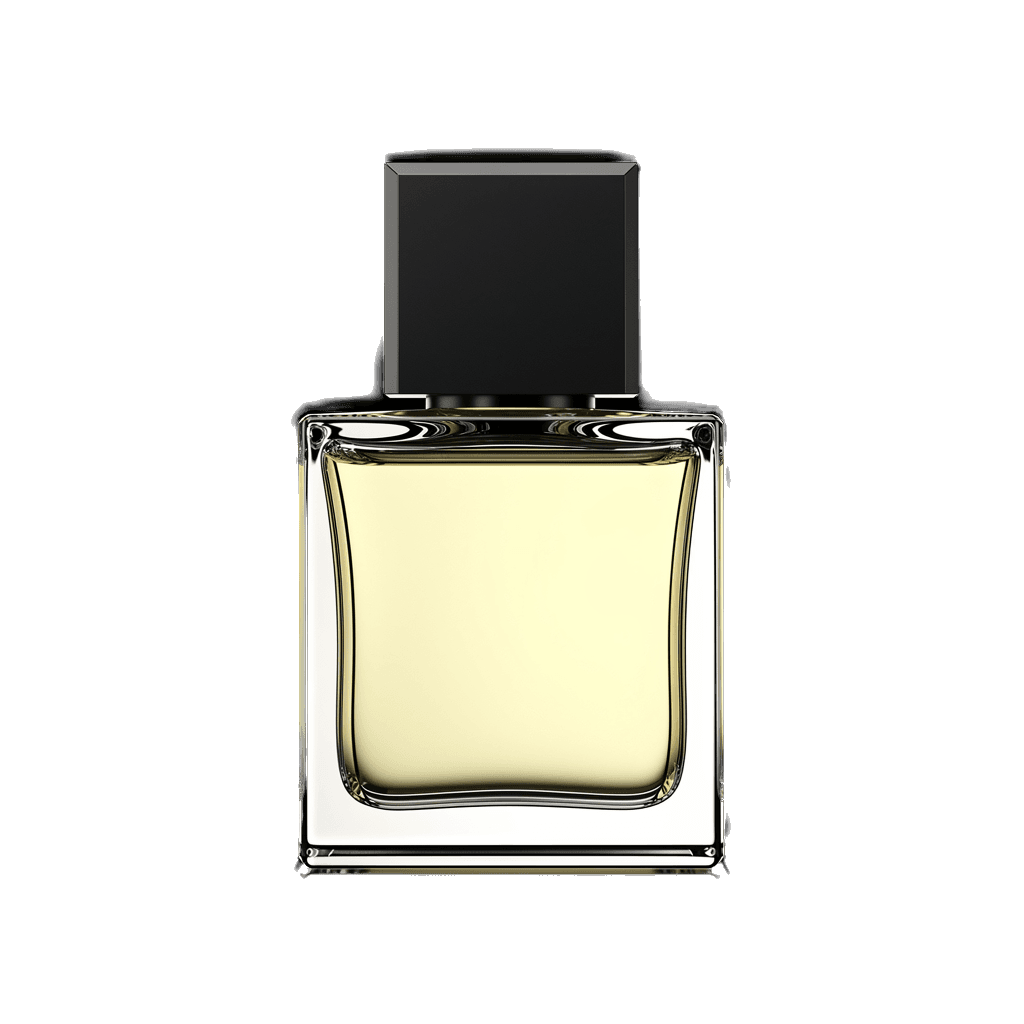
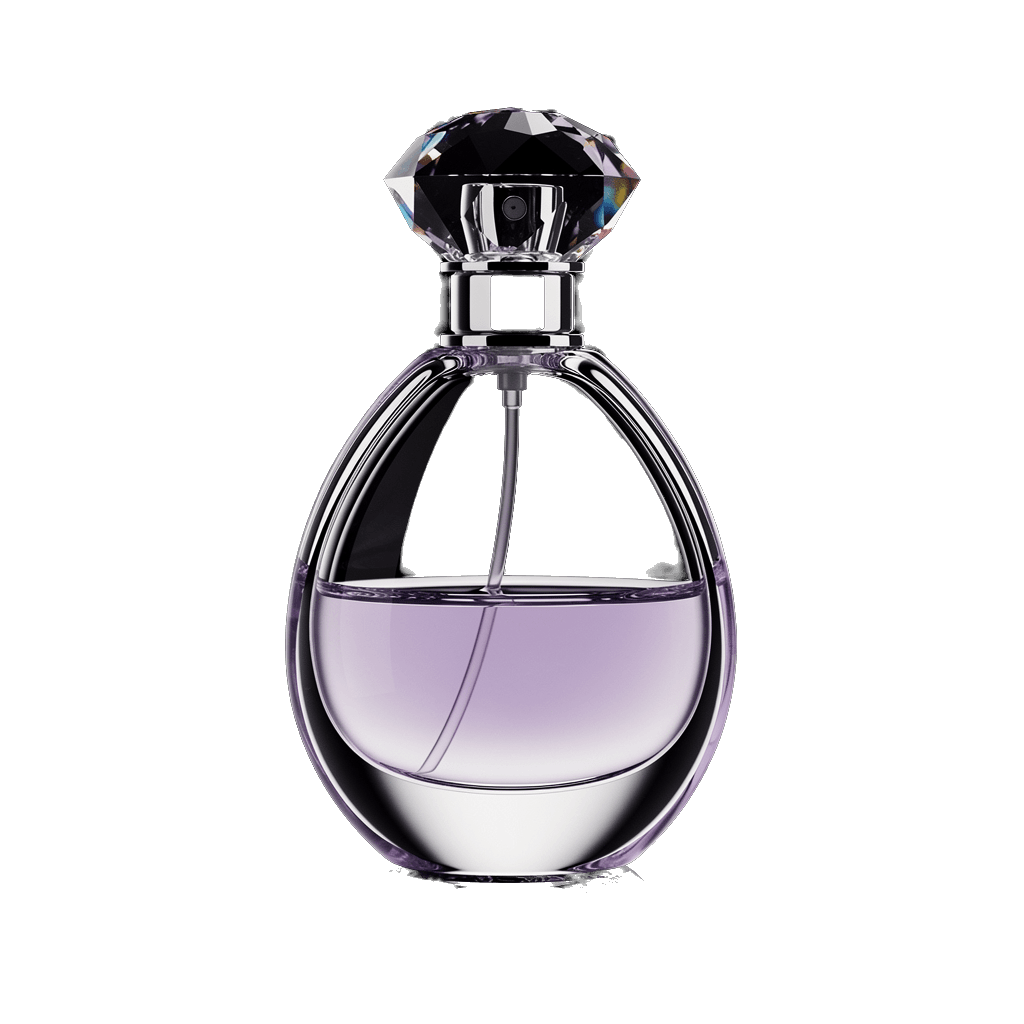
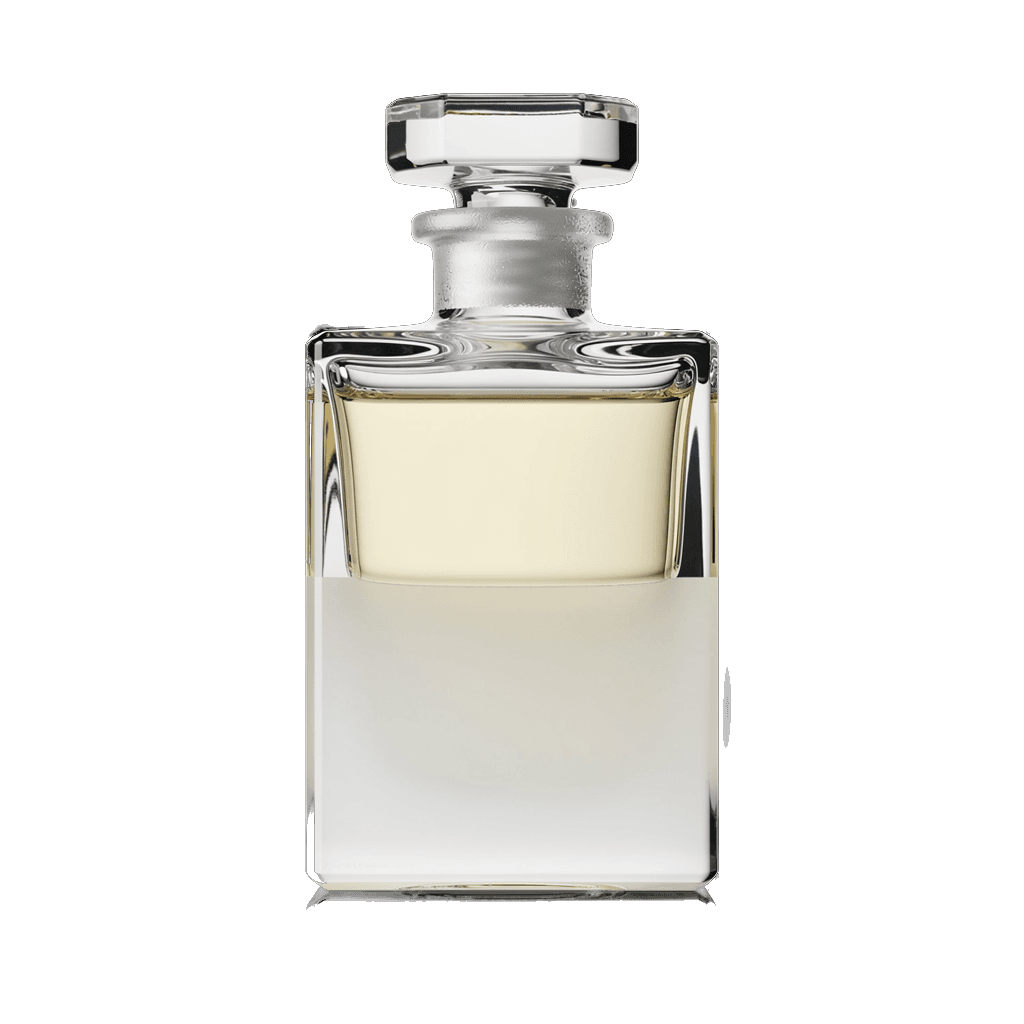
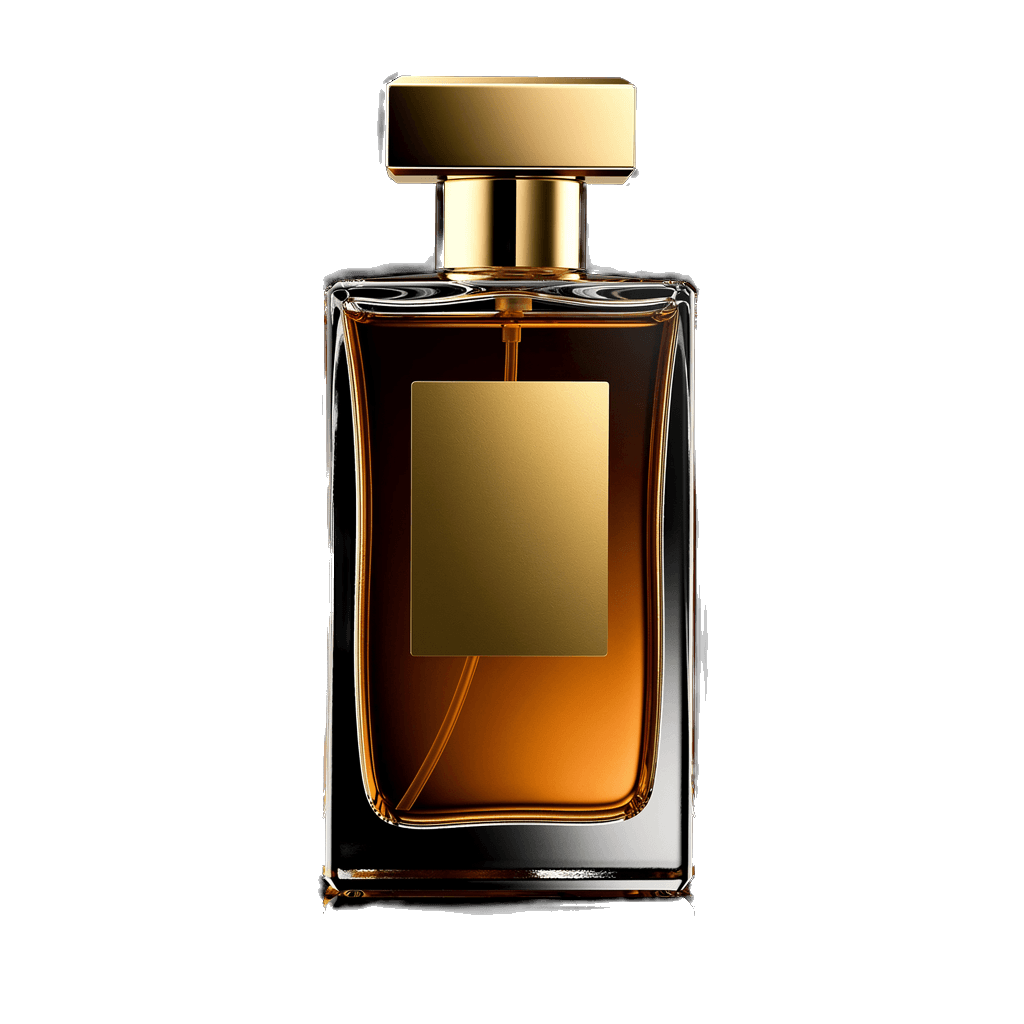
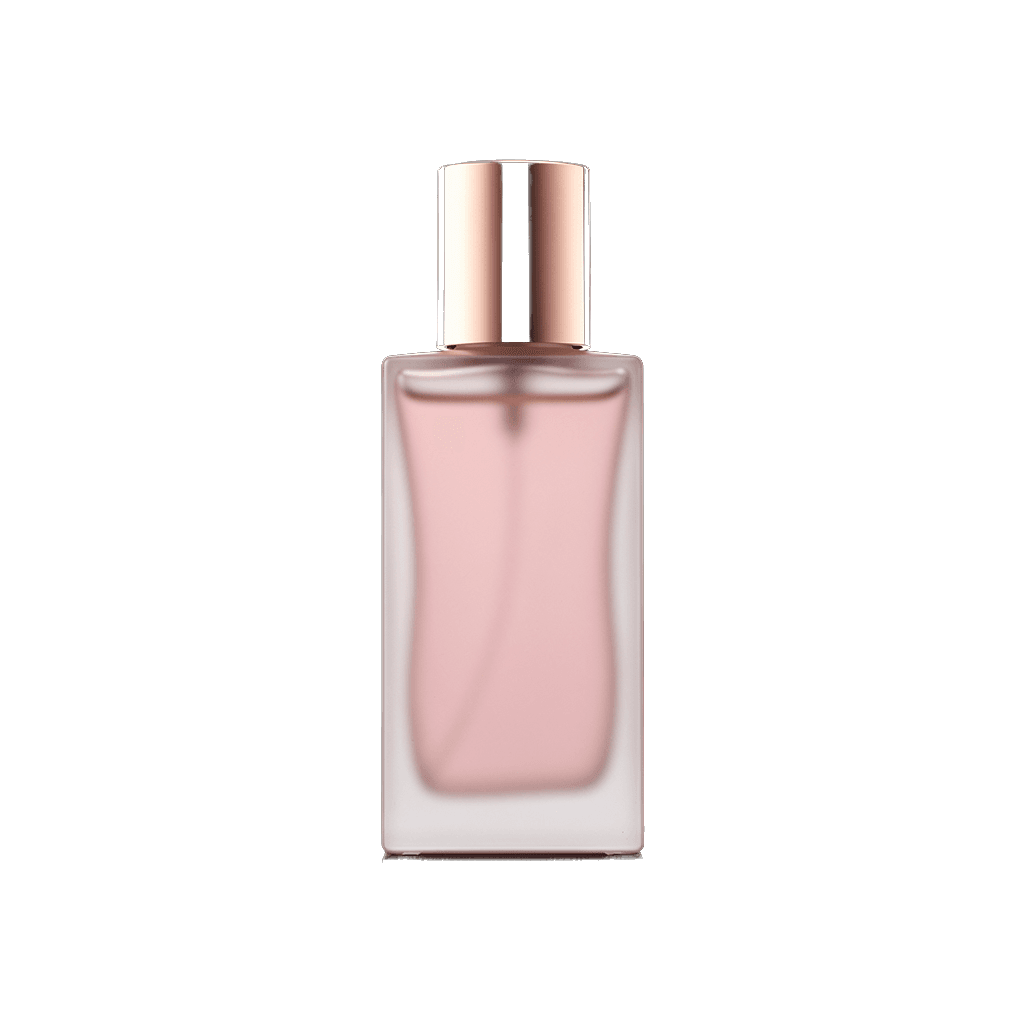
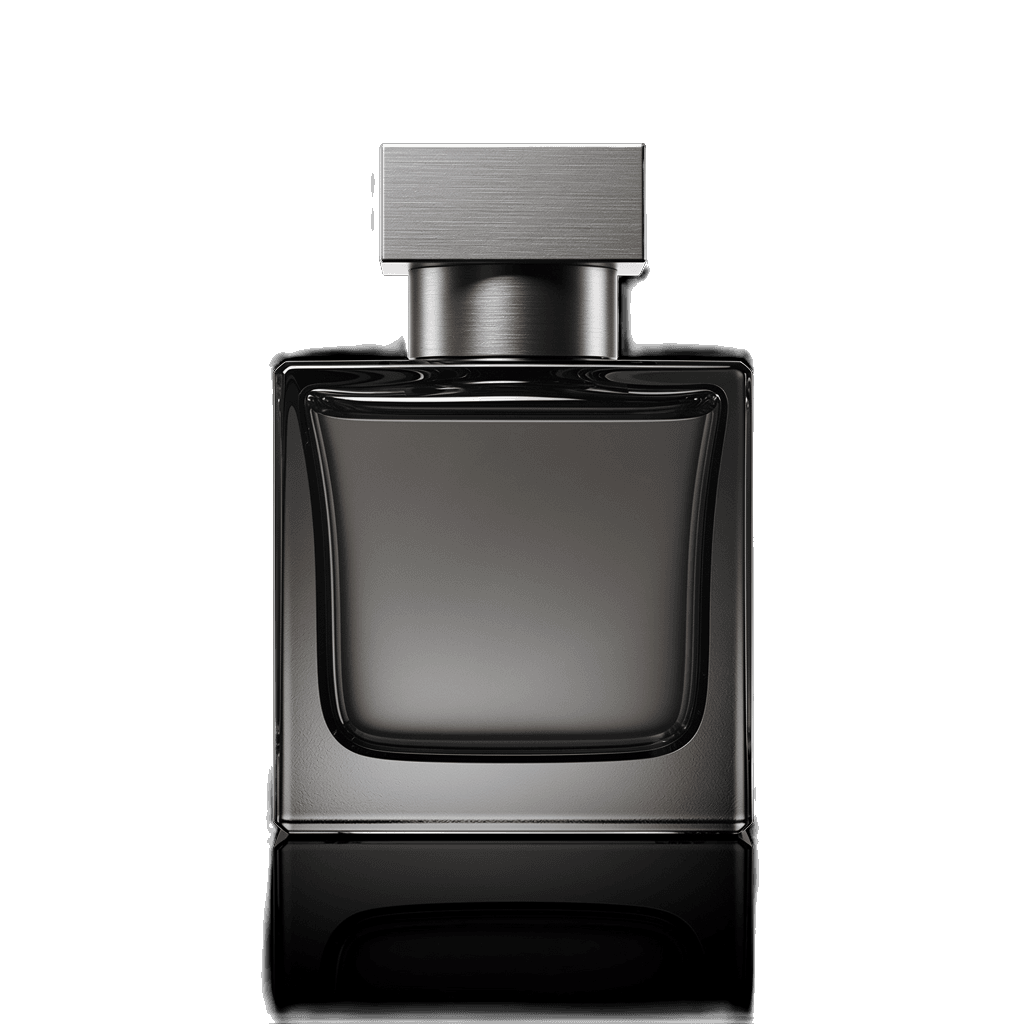
Lengyel’s visual identity mirrored its aristocratic themes. Bottles featured tall, slender silhouettes reminiscent of crystal goblets, with faceted glass that caught light in a subtle sparkle. The brand’s monogram, an intertwined L and a crown, appeared in gold foil on the neck of each bottle. Labels were printed on thick vellum paper, hand‑stamped with the fragrance title in an Art Deco typeface that balanced elegance and readability. Color palettes varied by collection: royal blues for Russian‑inspired scents, deep burgundy for Hungarian releases, and soft ivory for French court editions. Packaging often included a silk‑lined box, embossed with the same monogram, and a small booklet describing the historical figure that inspired the perfume. Advertising in the 1930s used black‑and‑white magazine spreads that placed the bottle beside period portraits, reinforcing the narrative link. Modern reproductions retain these design cues, allowing collectors to experience the original aesthetic even when the fragrance itself is no longer in production.
Philosophy
Lengyel’s creative vision centred on storytelling through scent. Each fragrance was conceived as an olfactory portrait of a historical figure or court, aiming to transport the wearer to a specific time and place. The brand valued authenticity, insisting that ingredients be sourced from regions associated with the narrative – for example, using Hungarian rose oil in Eau de la Reine de Hungary. Transparency guided its approach: formula sheets were occasionally published in trade journals, inviting peers to appreciate the technical craft. Sustainability was not a modern buzzword for the house, but records show a preference for locally harvested botanicals, reducing reliance on long‑distance imports. The designers believed that perfume should complement a person’s identity rather than dominate it, encouraging subtle wear that unfolded over the day. This philosophy resonated with the interwar aristocracy, who prized discretion and refinement. Today, scholars cite Lengyel as an early example of a brand that linked fragrance to cultural heritage, a practice that contemporary houses now emulate in limited editions.
Key Milestones
1924
Launch of Impératrice Catherine, the first fragrance to bear a royal title.
1928
Julika released, inspired by a popular operetta heroine.
1930
Essence Imperiale Russe and Eau de la Reine de Hungary debut, expanding the brand’s imperial theme.
1936
Gift Of An Empress and Parfum Impérial introduced, marking the peak of pre‑war production.
1942
World War II forces a reduction in output; limited batches continue for private clients.
1990s
Vintage perfume community revives interest; archives digitised and fragrances catalogued online.
At a Glance
Brand profile snapshot
Origin
Hungary
Collection
1
Fragrances released
Avg Rating
4.0
Community sentiment
Release Rhythm