The Heritage
The Story of Lolita Lempicka
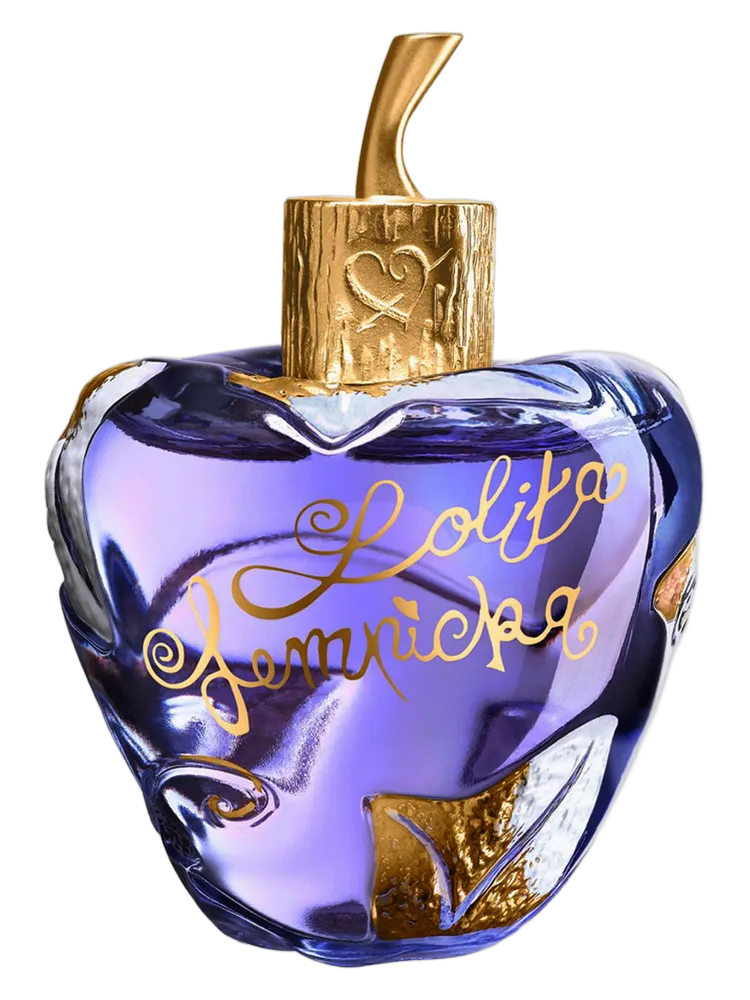
Lolita Lempicka is a French fashion house that expanded into perfumery in 1997, founded by designer Josiane Maryse Pividal in Paris. The brand is named after Vladimir Nabokov's novel and Polish Art Deco painter Tamara de Lempicka, reflecting a romantic and literary sensibility that permeates both its fashion and fragrance collections. The house gained international recognition through its signature apple-shaped perfume bottle, introduced with the debut fragrance Lolita Lempicka. Known for whimsical, fairy-tale inspired aesthetics, the brand creates fragrances with a distinctive gourmand character, particularly anchored by notes of anise, licorice, and vanilla. The label has collaborated with multiple notable perfumers including Annick Menardo, Francis Kurkdjian, and Christine Nagel across its collection of over seventy perfumes.
Heritage
The house traces its origins to 1983 when Josiane Pividal, born in Bordeaux in 1954, established her fashion label in Paris. Pividal adopted the name Lolita Lempicka after the brand gained traction, drawing inspiration from Vladimir Nabokov's controversial novel and the work of Polish Art Deco painter Tamara de Lempicka. Her aesthetic leaned into whimsy, fairy-tale romanticism, and vintage-inspired silhouettes that stood apart from prevailing trends. The designer grew up admiring her mother's work as a seamstress, began dressing Barbie dolls at age six, and by her teenage years was already constructing her own garments. Her Lolita Bis junior line followed in 1987, expanding the brand's reach to younger consumers. The house diversified into bridal designs before making its pivotal move into fragrance in 1997 with the launch of Lolita Lempicka Eau de Parfum. This debut, created by Annick Menardo and Christian Dussoulier, achieved immediate recognition and became emblematic of the brand's identity. The men's collection launched in 2000 with Lolita Lempicka Au Masculin. Today, the perfume line operates under the Amore Pacific Group, while the fashion house continues to cultivate its distinctive fantasy-driven aesthetic across both ready-to-wear and fragrance categories.
Craftsmanship
The house maintains a commitment to artisanal fragrance construction, working with a rotating roster of respected perfumers rather than relying on a single in-house nose. The debut 1997 fragrance was created by Annick Menardo, whose composition centered on an unusual combination of anise, licorice, violet, and vanilla that became the house's olfactory signature. Subsequent releases have engaged additional masters including Maurice Roucel, Francis Kurkdjian, and Christine Nagel, each bringing distinct approaches to the brand's gourmand-forward aesthetic. The perfumers draw from a palette that includes both natural and synthetic materials, with emphasis on quality ingredients that support the brand's characteristic sweet, warm character. Production occurs in facilities operated by the Amore Pacific Group, ensuring quality control across the fragrance range. The brand's attention extends beyond juice to packaging, with the apple-shaped debut bottle becoming an iconic object in its own right, inspiring countless subsequent bottles designed to function as decorative pieces. Each flanker and limited edition receives the same consideration for both olfactory merit and visual presentation, reflecting a holistic approach to the perfume object as both functional fragrance and aesthetic collectible.
Design Language
The visual identity of Lolita Lempicka draws from a vocabulary of fantasy, nostalgia, and romantic symbolism. The signature apple-shaped bottle, introduced with the 1997 debut fragrance, remains the house's most recognizable motif, combining Art Deco geometry with a playfully surreal sensibility. This inaugural vessel established a template for subsequent releases, each bottle conceived as a sculptural object rather than mere container. The Midnight series bottles feature darkened glass and ornate detailing that suggests precious objects from fairy tales. Campaigns for the brand have consistently employed dreamlike imagery, with muses like Charlotte Le Bon for Si Lolita and Thylane Blondeau for Mon Premier Parfum embodying different facets of the Lolita archetype. The fashion house's whimsical heritage informs the overall aesthetic, with vintage-inspired flourishes appearing across packaging and advertising materials. Color palettes favor rich jewel tones and soft pastels, reflecting the romantic and feminine character of the brand. This cohesive visual language extends from the perfume bottles to the broader brand presence, creating an immediately recognizable aesthetic universe that distinguishes Lolita Lempicka from contemporaries in the crowded fragrance market.
Philosophy
Lolita Lempicka approaches perfumery as an extension of its fashion philosophy, treating each fragrance as a wearable story rather than merely a scent. The brand draws heavily from fairy-tale imagery and romantic fantasy, creating perfumes that evoke nostalgia while remaining contemporary. This narrative-driven approach manifests in bottle designs that resemble objects of desire and campaigns steeped in dreamlike visual storytelling. The house embraces contrast in its compositions, blending sweet gourmand elements with aromatic herbs and resins to create fragrances that challenge conventional feminine scent categories. Rather than adhering to seasonal fragrance trends, the label builds collections around emotional territories, as evidenced by the Minuit (Midnight) series that explores nocturnal sensuality and the Si Lolita flankers that capture youthful exuberance. The brand's vision centers on transforming the act of wearing fragrance into a ritual of self-expression and imagination, allowing wearers to inhabit different characters and narratives through scent. This theatrical sensibility connects directly to the founder's background in fashion, where clothing and scent both function as forms of costume and identity construction.
Key Milestones
1983
Josiane Pividal establishes her fashion house in Paris, later adopting the name Lolita Lempicka for her label inspired by Nabokov's novel and Tamara de Lempicka
1987
The brand launches Lolita Bis, a junior line expanding the house's reach to younger consumers
1997
Lolita Lempicka enters perfumery with its debut fragrance, created by Annick Menardo and Christian Dussoulier, housed in the iconic apple-shaped bottle
2000
The house releases its first men's fragrance, Lolita Lempicka Au Masculin, extending the brand's olfactory universe beyond feminine scents
2009
Si Lolita launches with model Charlotte Le Bon as muse, becoming the third best-selling feminine fragrance in France that year
2018
Mon Eau debuts, a fruity floral eau de parfum representing a fresh direction for the brand with actress Thylane Blondeau as the new face of Mon Premier Parfum
At a Glance
Brand profile snapshot
Origin
France
Founded
1983
Heritage
43
Years active
Collection
1
Fragrances released
Avg Rating
4.0
Community sentiment