The Heritage
The Story of Lophiel
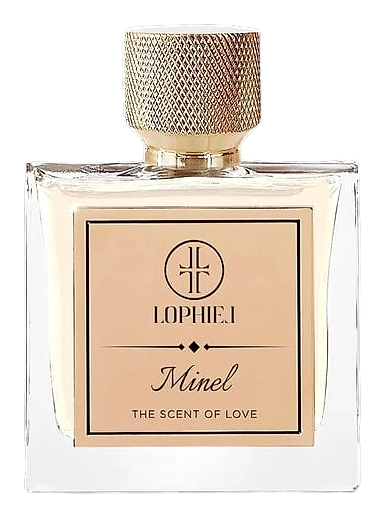
Lophiel is a niche perfume house that emerged from a cross‑cultural lineage of scent curiosity. Founded in Stockholm in 2022 by Swedish‑Iranian designer Ramin Norouzi, the brand translates personal memory into aromatic narratives. Its early releases – Cassiel, Haniel, Duma, Sablo, Minel and the eponymous Lophiel – all arrived in the same year, establishing a cohesive yet varied olfactory palette. The house continues to expand, with the 2026 addition Ramiel marking its first foray into a new thematic chapter. Lophiel’s bottles sit on a quiet shelf, inviting collectors to explore stories that feel both intimate and timeless.
Heritage
The roots of Lophiel stretch back to 1977, when Mousa Norouzi, Ramin’s grandfather, traveled from Iran to the South of France. While in Monte Carlo, he met a perfumer who introduced him to the craft of blending natural essences with emerging synthetics. That encounter sparked a family fascination with fragrance, a curiosity that survived decades of migration and cultural blending. Ramin Norouzi, raised between Tehran and Stockholm, inherited both the technical notes of his grandfather’s stories and a modern design sensibility. In early 2022, he launched Lophiel Perfume House in Stockholm, positioning the brand as a bridge between Persian aromatic heritage and Scandinavian minimalism. The inaugural collection, titled “The Scent of Angels,” debuted later that year, presenting six distinct fragrances that each referenced an angelic name from various mythologies. The same year saw the release of a second line, “The Scent of Devils,” which introduced a darker counterpoint while maintaining the same meticulous approach to ingredient selection. By 2026, Lophiel announced Ramiel, a fragrance that expands the house’s narrative beyond the original angel‑devil dichotomy, hinting at a broader mythic framework. Throughout its short history, the brand has remained privately owned, with production kept in small batches to preserve quality and allow for rapid iteration based on collector feedback. The family’s early exposure to perfumery in the late 1970s continues to inform Lophiel’s storytelling, anchoring each launch in a lineage that values both memory and innovation.
Craftsmanship
Every Lophiel bottle begins its life in a modest Stockholm atelier where a small team of chemists and artisans collaborate on each formula. The house sources raw materials from a network of European and Middle Eastern growers, prioritizing suppliers who can provide traceable, organically cultivated botanicals. For example, the jasmine used in the 2022 “Haniel” originates from a farm in Grasse that practices low‑pesticide cultivation, while the oud in “Ramiel” comes from a vetted Indonesian plantation known for sustainable harvesting. Once ingredients arrive, they undergo a double‑distillation process that preserves volatile top notes while allowing deeper base notes to mature. Lophiel favors a blend of natural absolutes and high‑purity synthetics, a combination that enables the perfumers to achieve both authenticity and stability. After the initial blend, the mixture rests in stainless‑steel tanks for a period ranging from two weeks to three months, depending on the fragrance’s complexity. This maturation phase allows the accords to integrate fully, reducing any harsh edges. Quality control includes blind testing by a panel of independent fragrance consultants, who assess balance, longevity, and projection. Only after passing these checks does the perfume move to bottling. The bottles themselves are hand‑filled in a climate‑controlled environment, sealed with a custom‑molded cap that matches the fragrance’s visual language. Lophiel limits each release to a few thousand units, ensuring that each batch retains the same olfactory character as the original trial. The house also offers a refill program, where the original glass vessel can be returned, cleaned, and refilled, reducing waste while preserving the tactile experience of the brand.
Design Language
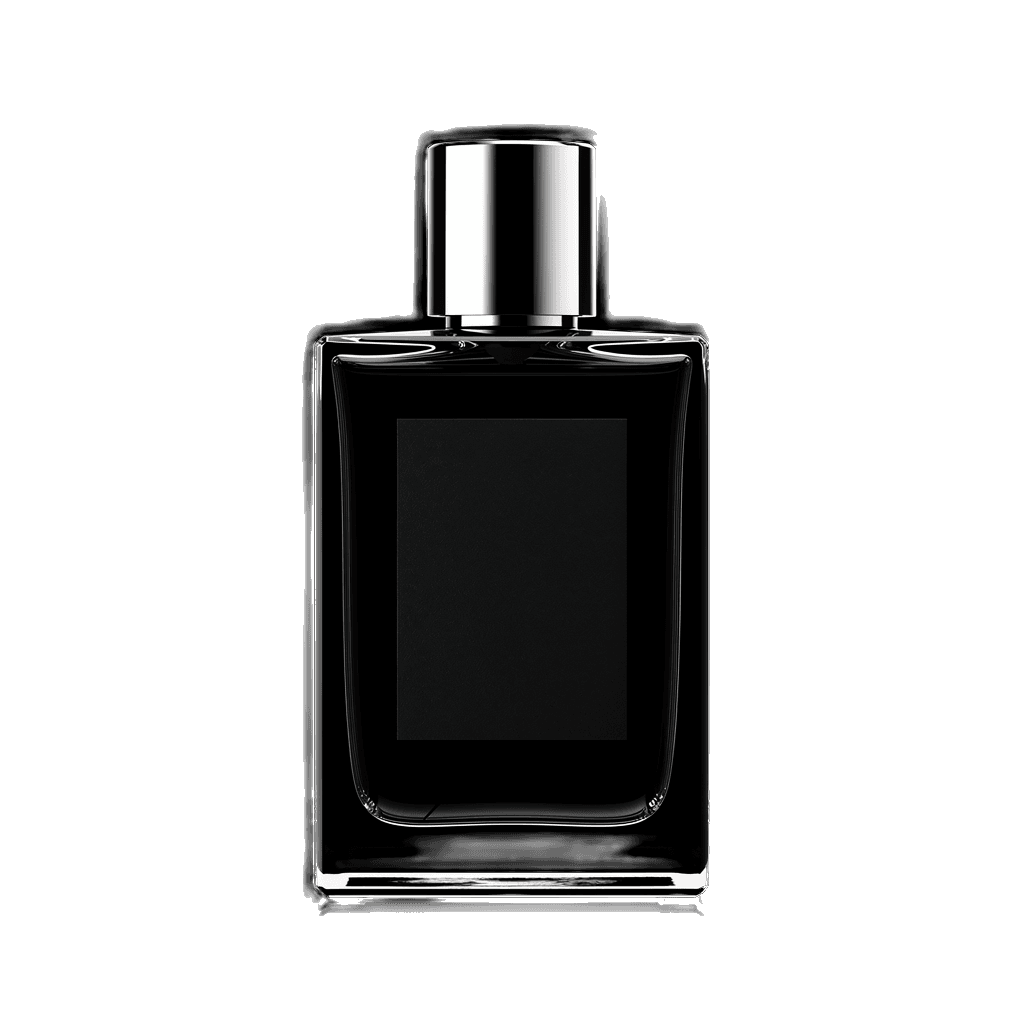
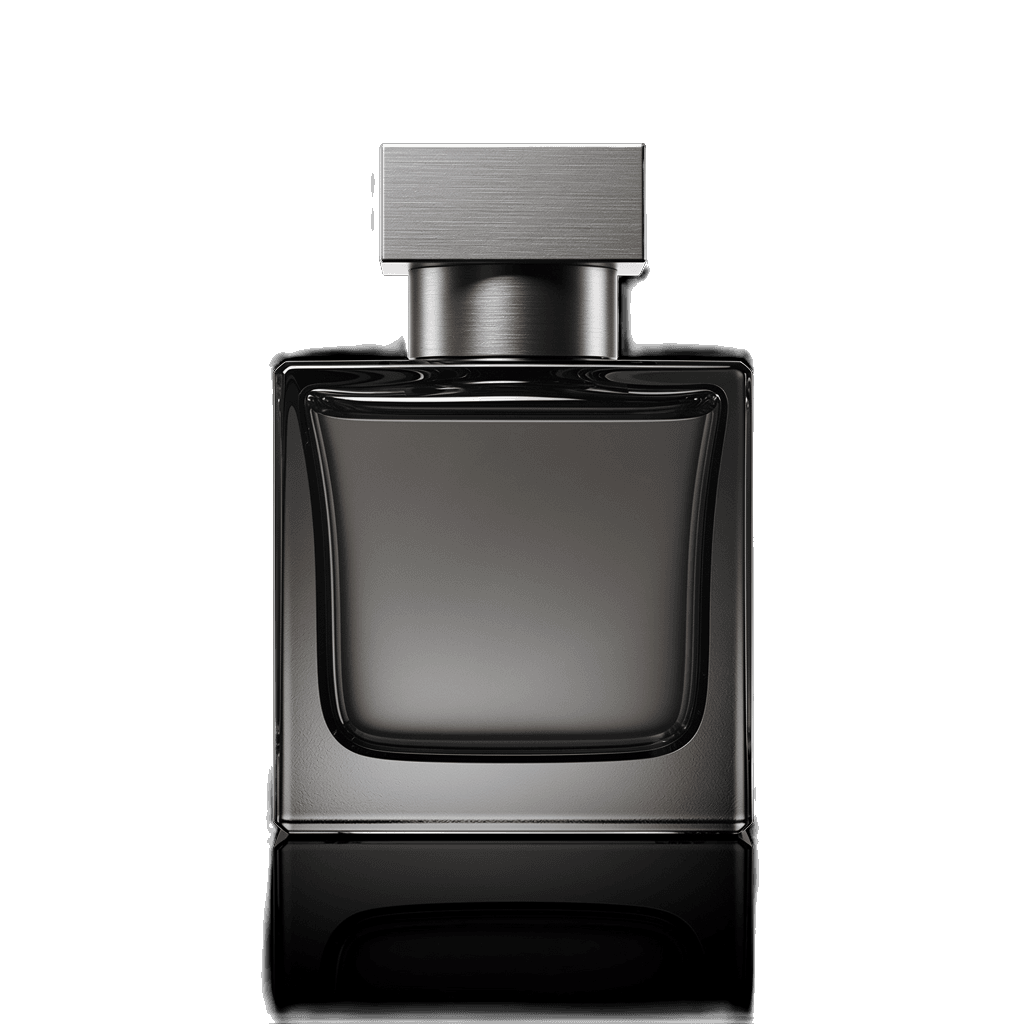
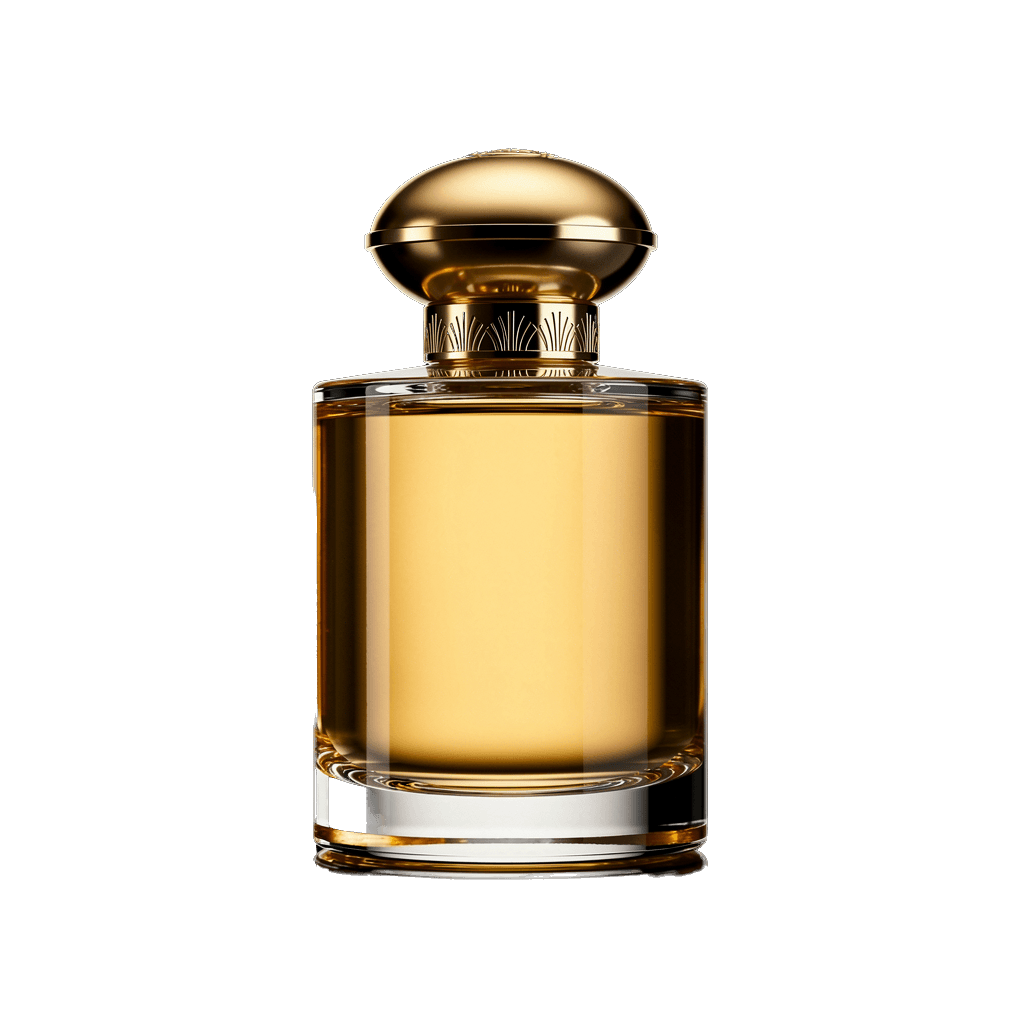
Lophiel’s visual identity mirrors its olfactory restraint. The brand employs a muted colour palette of soft greys, ivory and occasional muted gold, echoing the quiet elegance of Scandinavian design. Bottles are cylindrical with clean lines, capped by a matte‑finished disc that bears the brand’s simple monogram – an interlocking L and O rendered in a subtle emboss. Labels are printed on thick, uncoated paper, allowing the tactile feel of the material to complement the scent’s texture. The typography is a modern sans‑serif, placed centrally to maintain balance. For the “Scent of Angels” collection, each fragrance received a thin, coloured band that hints at its character – pale blue for Cassiel, soft pink for Haniel – while the “Scent of Devils” line introduced a deeper, charcoal accent. The 2026 “Ramiel” bottle adds a thin, brushed‑metal ring, signalling the brand’s subtle evolution. Marketing imagery often features minimalist photography: a single bottle placed against a plain backdrop, a hint of the key ingredient (such as a sprig of rosemary or a slice of amber) positioned off‑centre. This restrained visual approach reinforces the idea that the perfume itself, not the packaging, is the focal point. The overall aesthetic feels like a quiet gallery, inviting the viewer to pause, breathe, and consider the scent story behind each form.
Philosophy
Lophiel treats scent as a personal archive rather than a commercial commodity. The house believes that a perfume should act as a portable memory, capable of recalling a place, a feeling, or a moment without the need for overt branding. Ramin Norouzi often cites his grandfather’s Monte Carlo meeting as a reminder that true fragrance work begins with listening – to raw materials, to cultural narratives, to the quiet spaces between notes. This listening ethic translates into a design process that starts with a story sketch, followed by a laboratory session where natural extracts meet carefully chosen synthetics. The brand avoids mass‑market trends, instead opting for a seasonal rhythm that mirrors the natural cycles of light and scent. Sustainability is woven into the philosophy: ingredients are sourced from growers who practice responsible harvesting, and waste is minimized through refill‑friendly packaging. Lophiel also embraces transparency; each launch is accompanied by a brief note explaining the inspiration, the key accords, and the origin of the most distinctive ingredients. This open dialogue invites collectors to become co‑authors of the fragrance experience, reinforcing the house’s view that perfume is a shared, evolving conversation rather than a static product.
Key Milestones
1977
Mousa Norouzi travels to the South of France and meets a perfumer in Monte Carlo, sparking the family’s interest in fragrance.
2022
Ramin Norouzi launches Lophiel Perfume House in Stockholm, releasing the inaugural "Scent of Angels" collection and six debut fragrances.
2022
Lophiel introduces the "Scent of Devils" collection, expanding the brand’s narrative range.
2026
The house announces Ramiel, its first fragrance beyond the original angel‑devil theme, signaling a new creative chapter.
At a Glance
Brand profile snapshot
Origin
Sweden
Founded
2022
Heritage
4
Years active
Collection
1
Fragrances released
Avg Rating
4.3
Community sentiment
Release Rhythm