The Heritage
The Story of Lost Tribe
Lost Tribe Perfumes is a New York‑based niche house that builds its identity around the unfiltered scent of the wild. The brand’s public statements stress a mission to reconnect wearers with the raw beauty of nature, and its catalogue reflects that aim with a steady stream of location‑inspired and narrative‑driven releases. From the coastal breezes evoked by The Hamptons (2025) to the desert heat captured in Dubai (2025), each fragrance is presented as a miniature landscape, crafted for collectors who value depth over trend. The house positions itself in the ultra‑niche segment, favoring natural ingredients and small‑batch production, and it maintains an active dialogue with its community through social platforms where enthusiasts share impressions and pairings.
Heritage
Lost Tribe emerged on the New York fragrance scene in the early 2020s, a period when several American artisans began to challenge the dominance of European houses by foregrounding locally sourced botanicals. While the exact founding year is not publicly documented, industry observers note that the brand’s first publicly listed release, Past & Present, appeared in 2023, suggesting a launch window around 2022. The debut collection introduced a philosophy of “raw nature” that resonated with a growing cohort of scent collectors seeking authenticity. In 2024 the house expanded its narrative scope with Joker and Lola’s Lemonana, two scents that combined playful storytelling with a strict natural‑only ingredient policy. That same year, Lost Tribe announced plans to distribute in Gulf markets, a move confirmed by a regional retail partnership reported in a niche‑fragrance blog. 2025 marked a prolific year, delivering three location‑centric fragrances—The Hamptons, Dubai, and Atlantis—each accompanied by limited‑edition packaging that referenced the geography they celebrated. The following year, the brand released Vanilla Waves V2, a reformulation that refined the original vanilla accord while preserving the natural‑only ethos. Throughout its evolution, Lost Tribe has maintained a modest but steady presence on social media, where it shares production insights and invites feedback, reinforcing its reputation as a community‑oriented craft house. The brand’s trajectory illustrates a consistent commitment to expanding its olfactory map while adhering to a clear, nature‑first identity.
Craftsmanship
Production at Lost Tribe unfolds in a modest New York studio where each batch is hand‑blended by a small team of perfumers and assistants. The process begins with the selection of raw materials, many of which arrive as cold‑pressed oils or steam‑distilled absolutes from growers in France, Madagascar, and the United States. The house verifies that no synthetic aroma compounds enter the formula, a claim supported by ingredient disclosures posted on its social channels. Once the raw extracts are received, the team conducts a series of small‑scale trials, adjusting ratios to achieve the intended olfactory narrative. After a formula stabilizes, the final blend is poured into recycled glass bottles that feature minimalist labeling—typically a matte black cap and a simple typographic logo. Quality control includes a sensory evaluation by at least two senior perfumers, who assess balance, longevity, and fidelity to the original concept. The finished product is then sealed, boxed in recycled cardboard, and dispatched in biodegradable packaging. Lost Tribe also collaborates with local artisans for limited‑edition accessories, such as hand‑stitched leather wraps for special releases. The brand’s commitment to natural ingredients extends to its sourcing policies; it prefers suppliers that provide traceability documentation and that practice fair trade where applicable. By keeping production volumes low, the house maintains a level of oversight that larger manufacturers cannot easily replicate, ensuring that each bottle reflects the purity and intention promised in its marketing.
Design Language
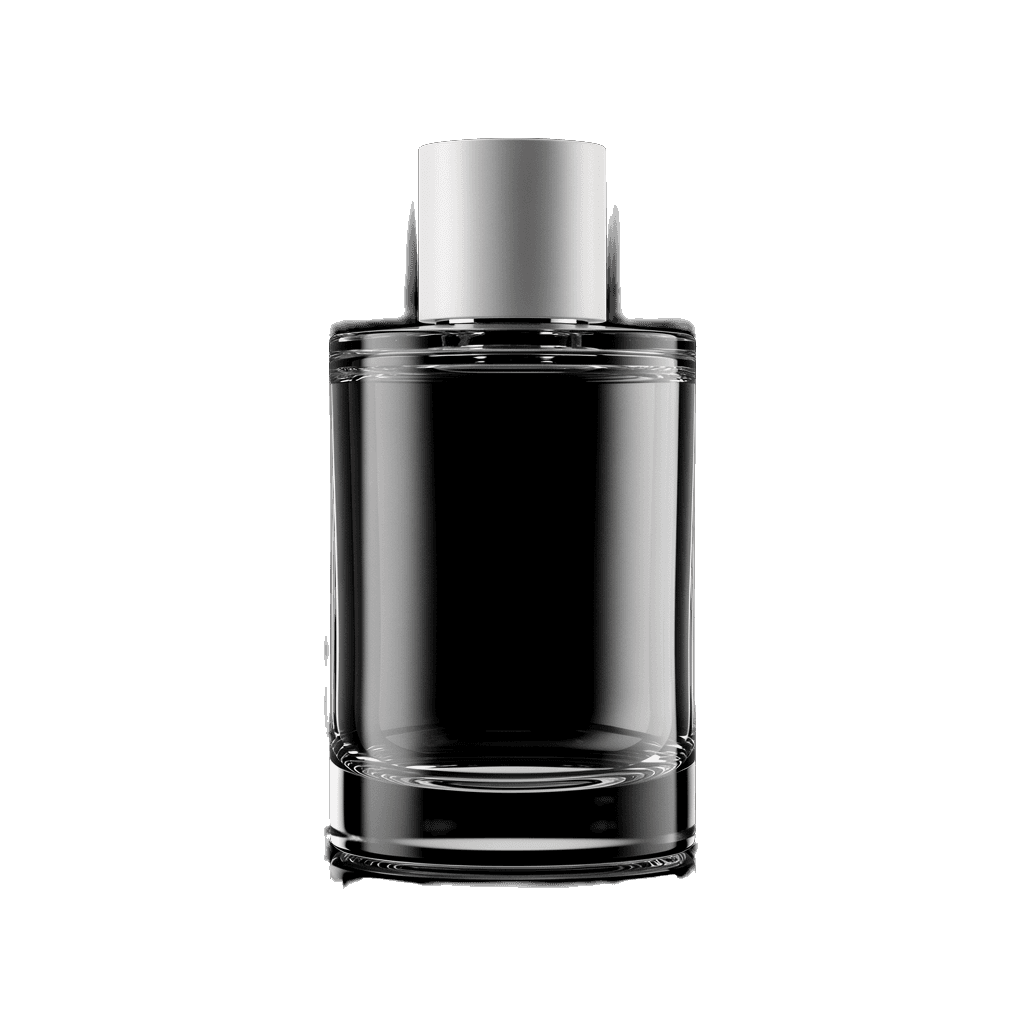
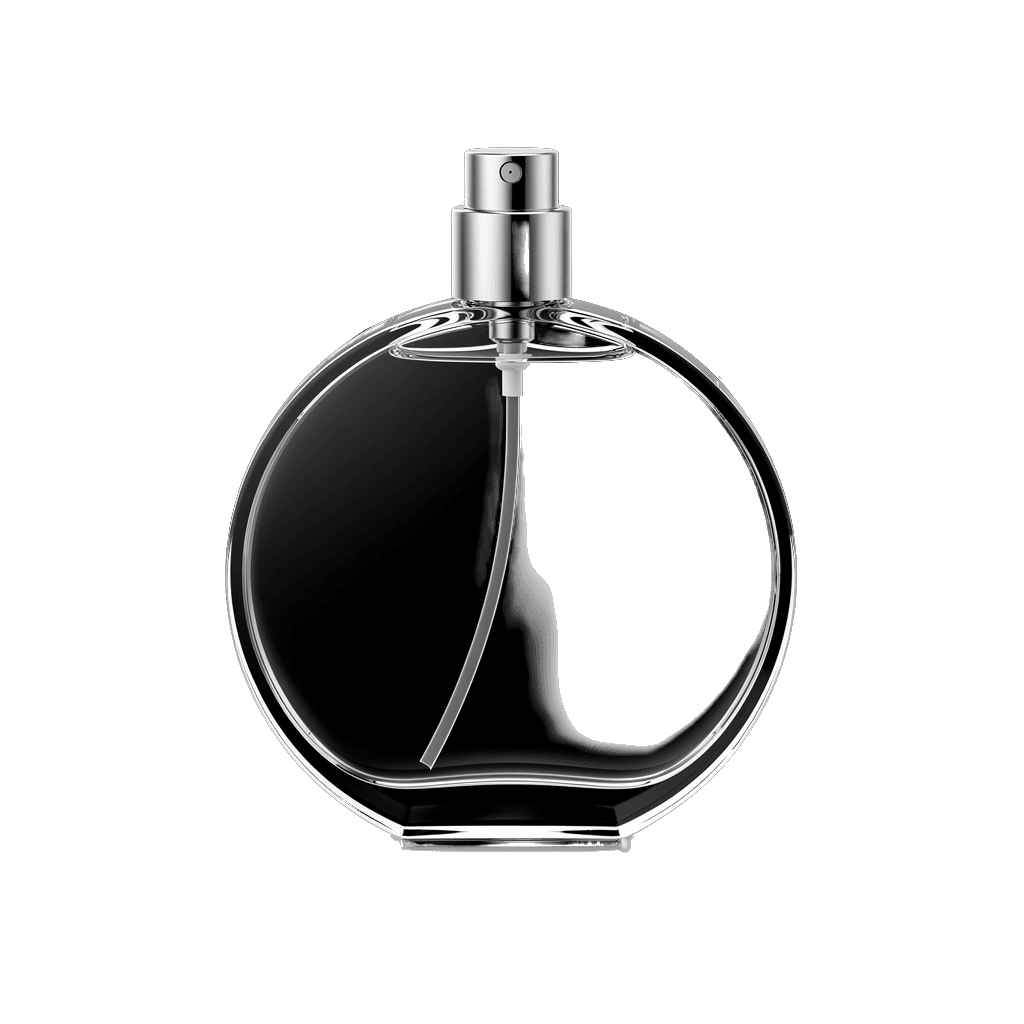
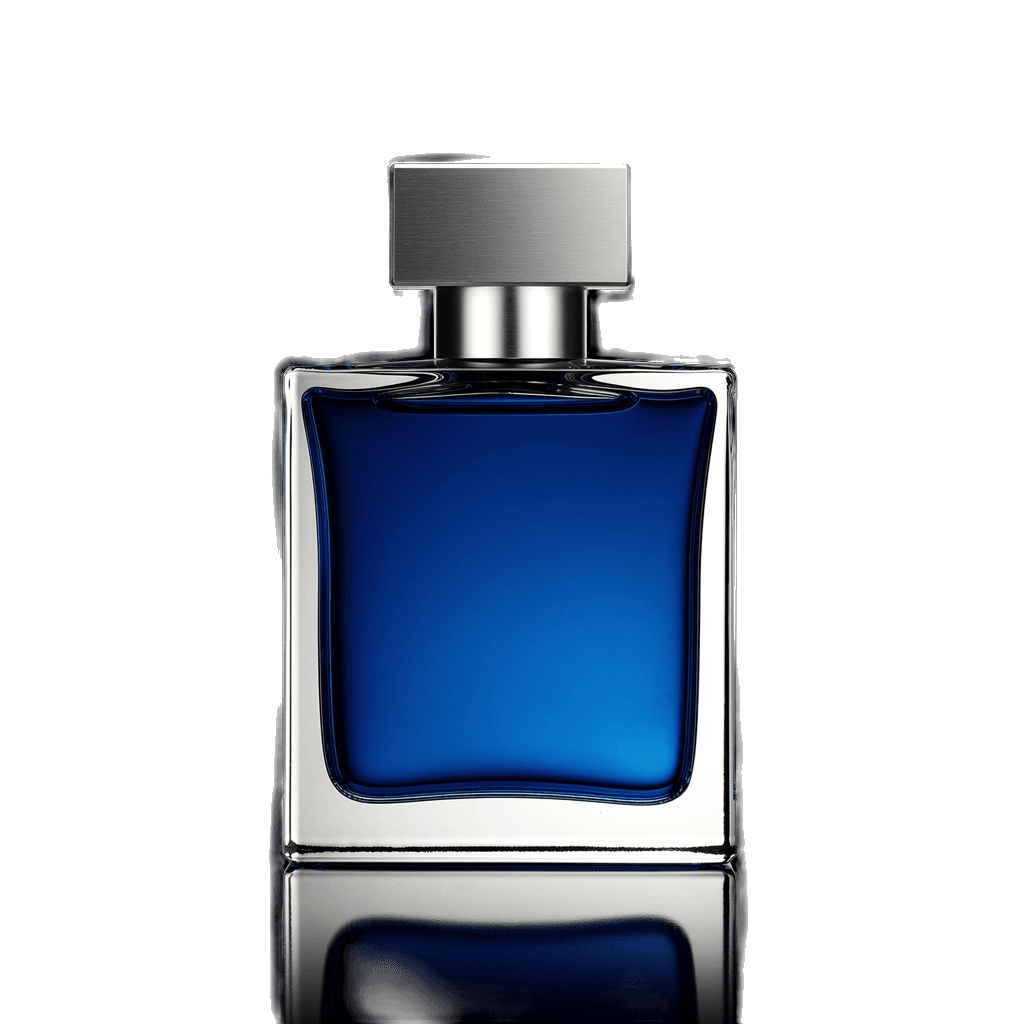
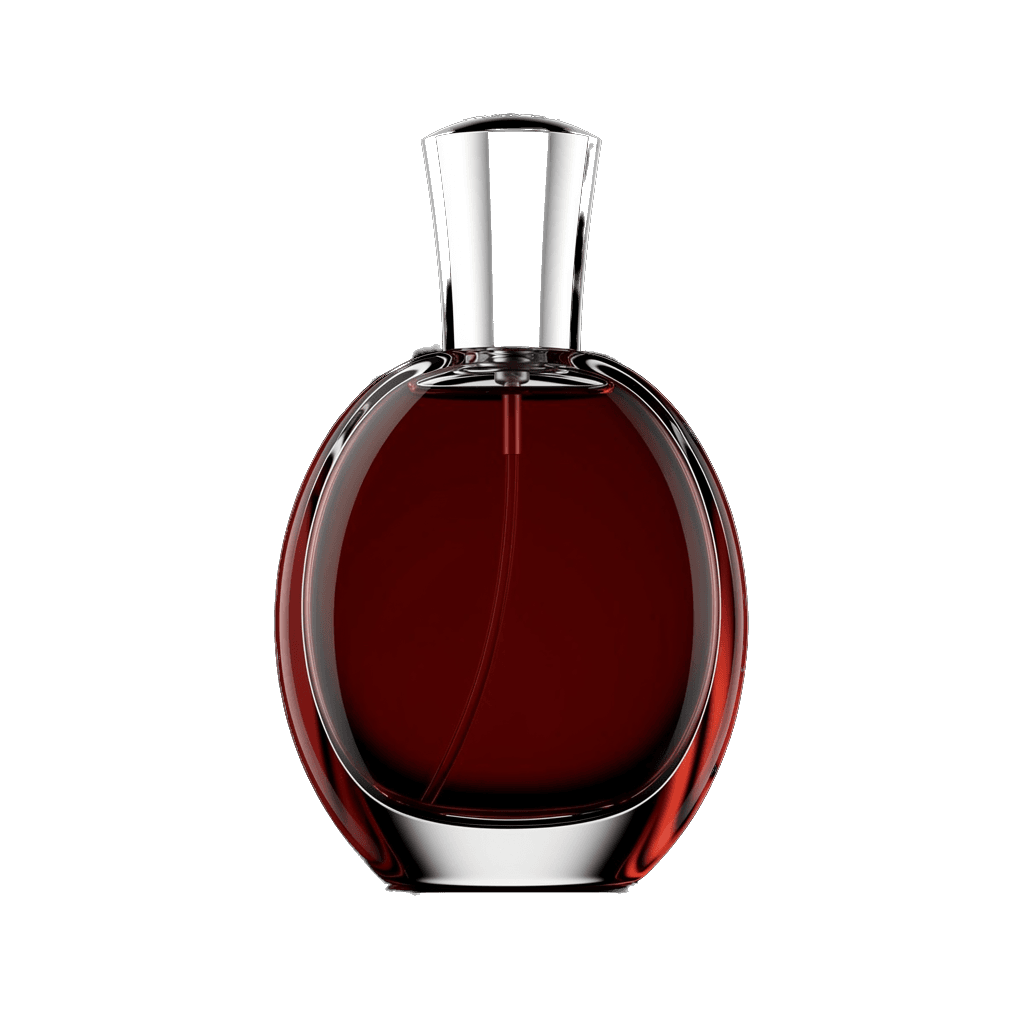
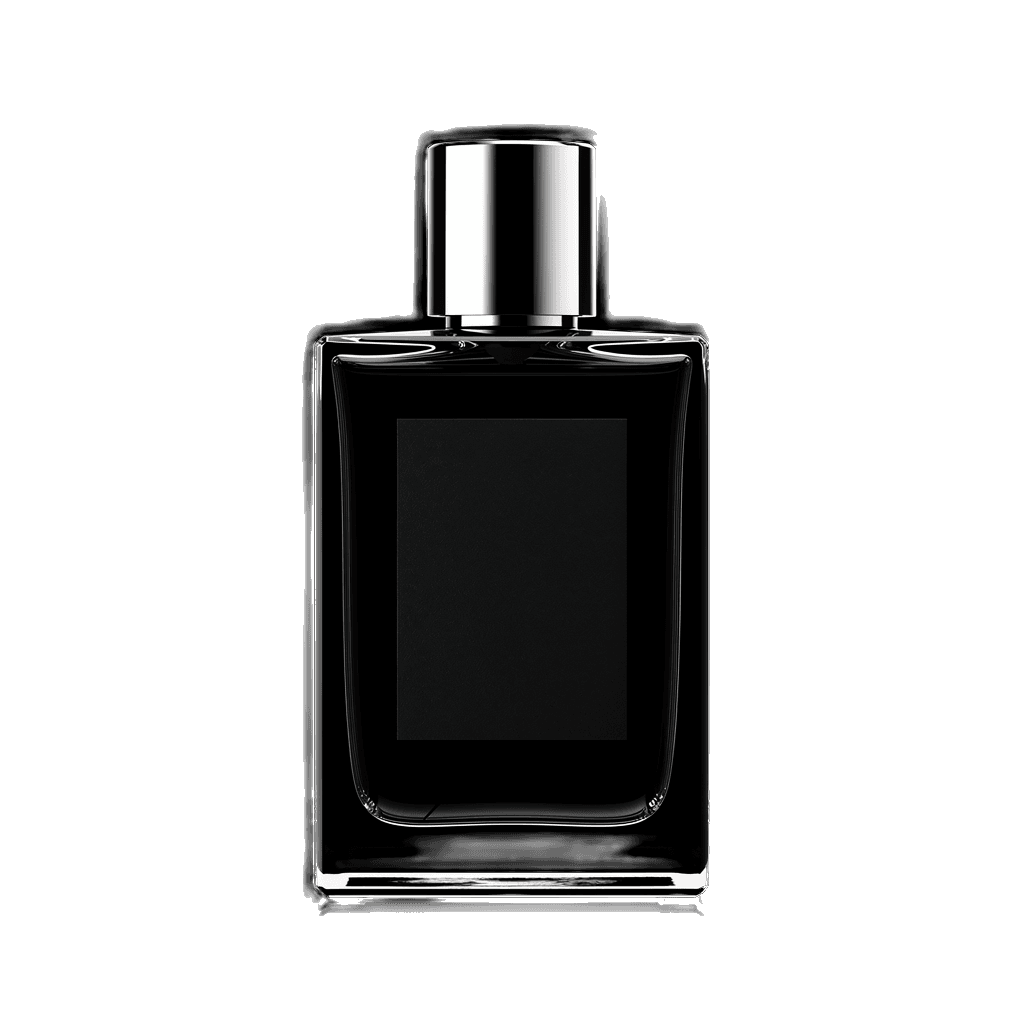
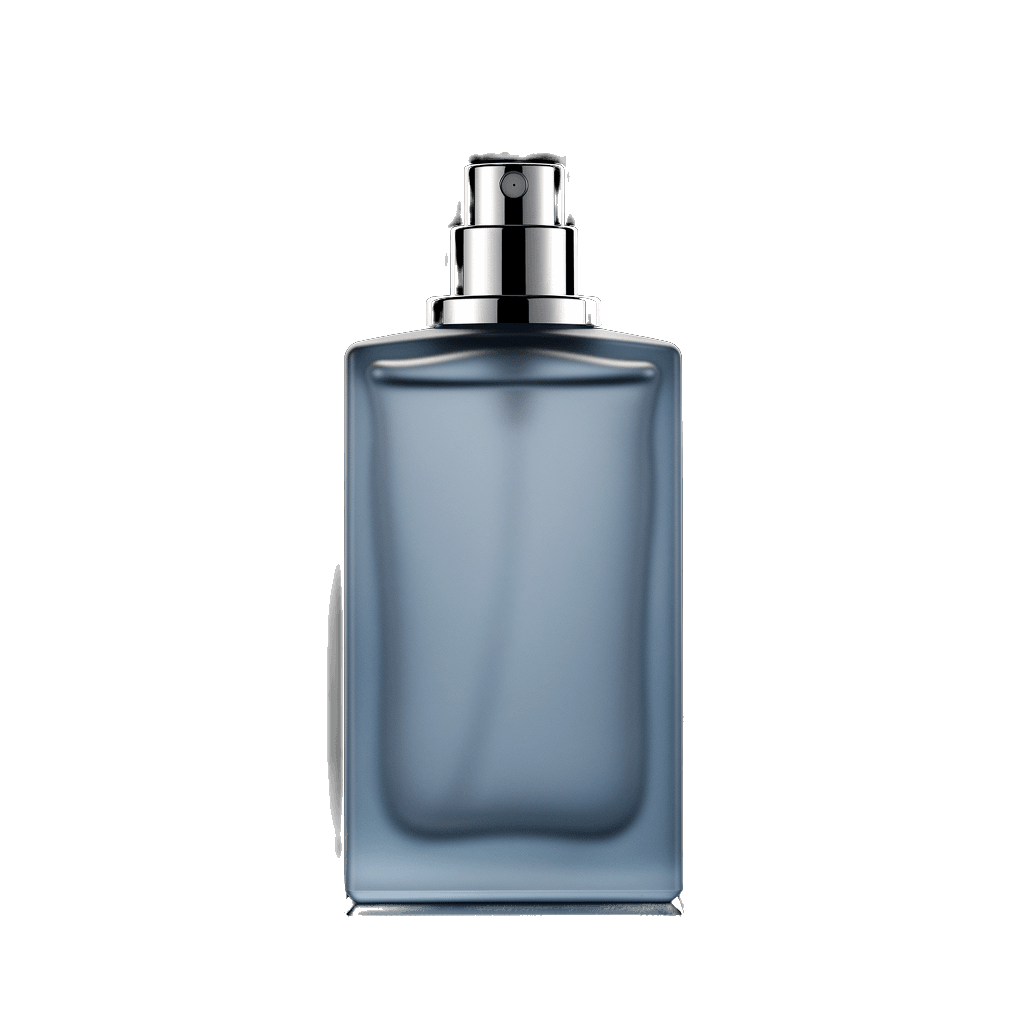
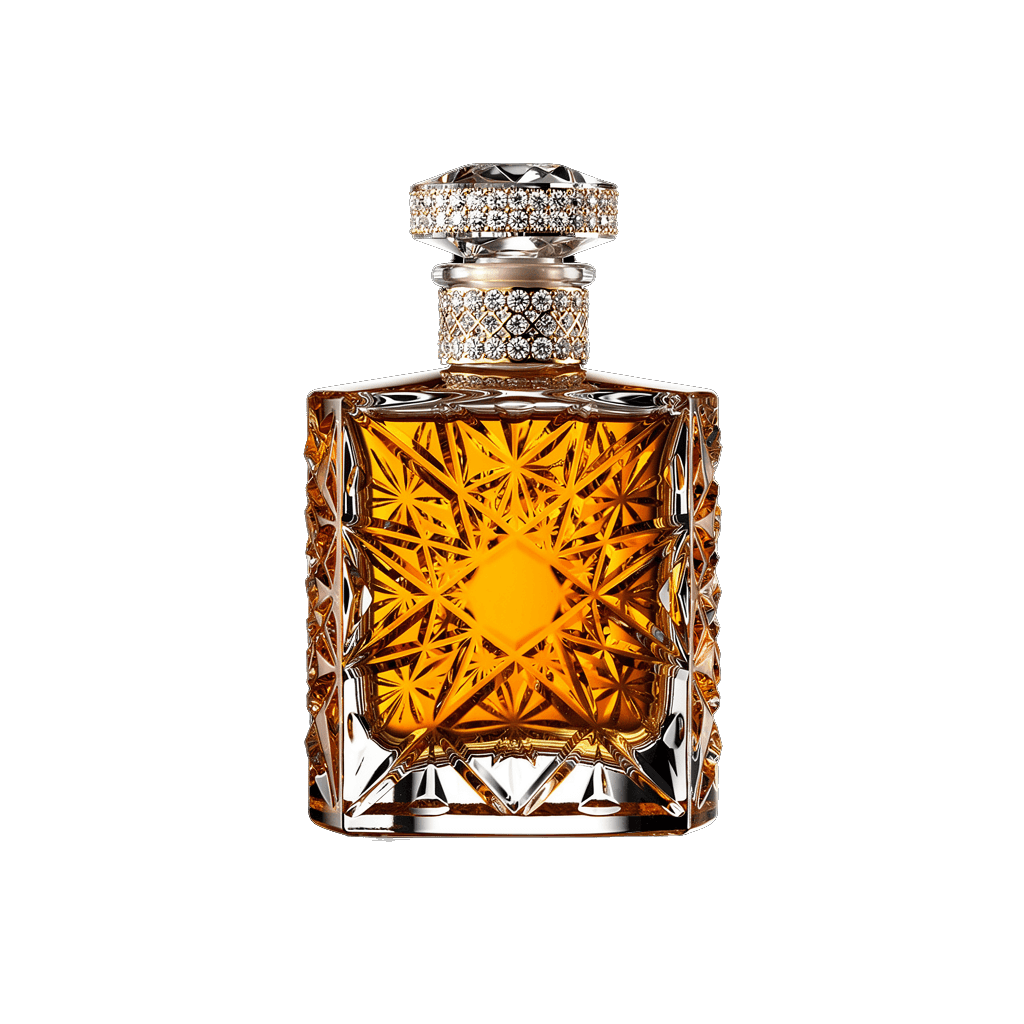
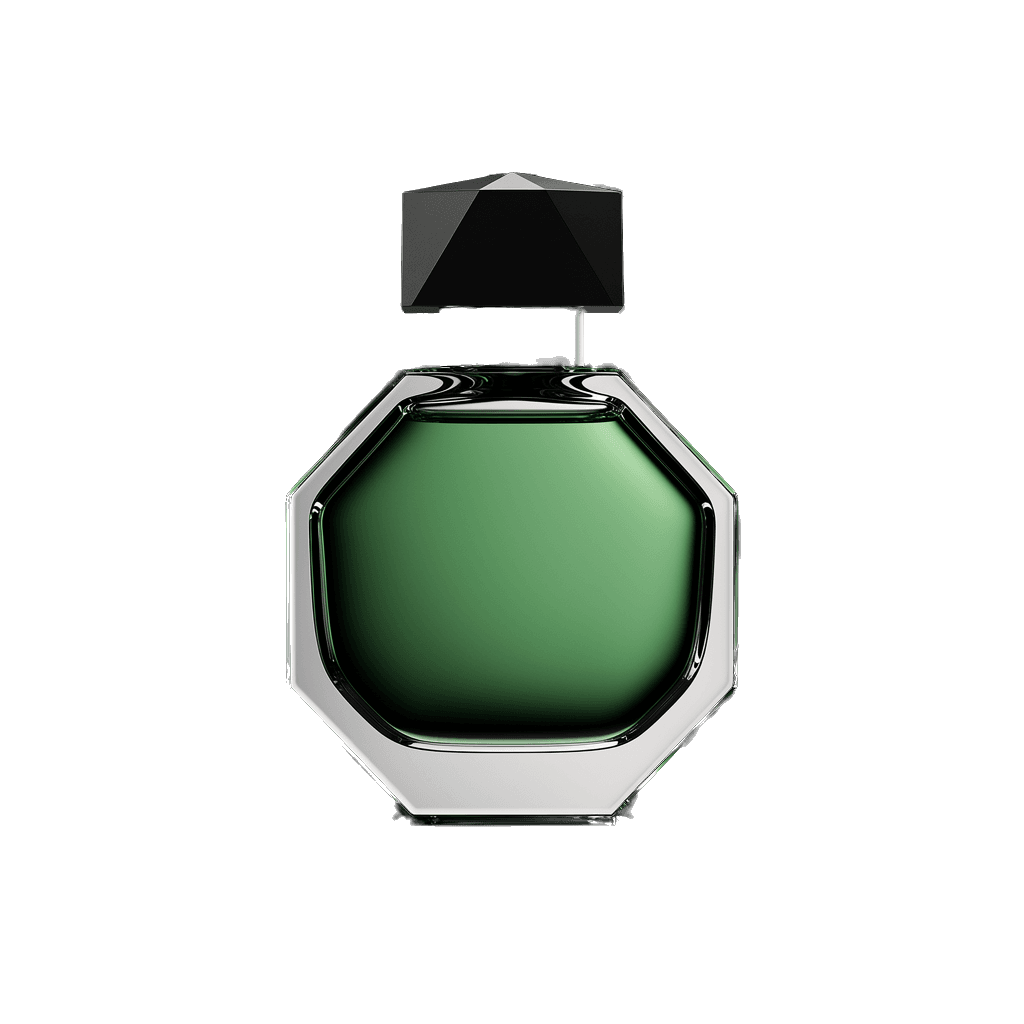
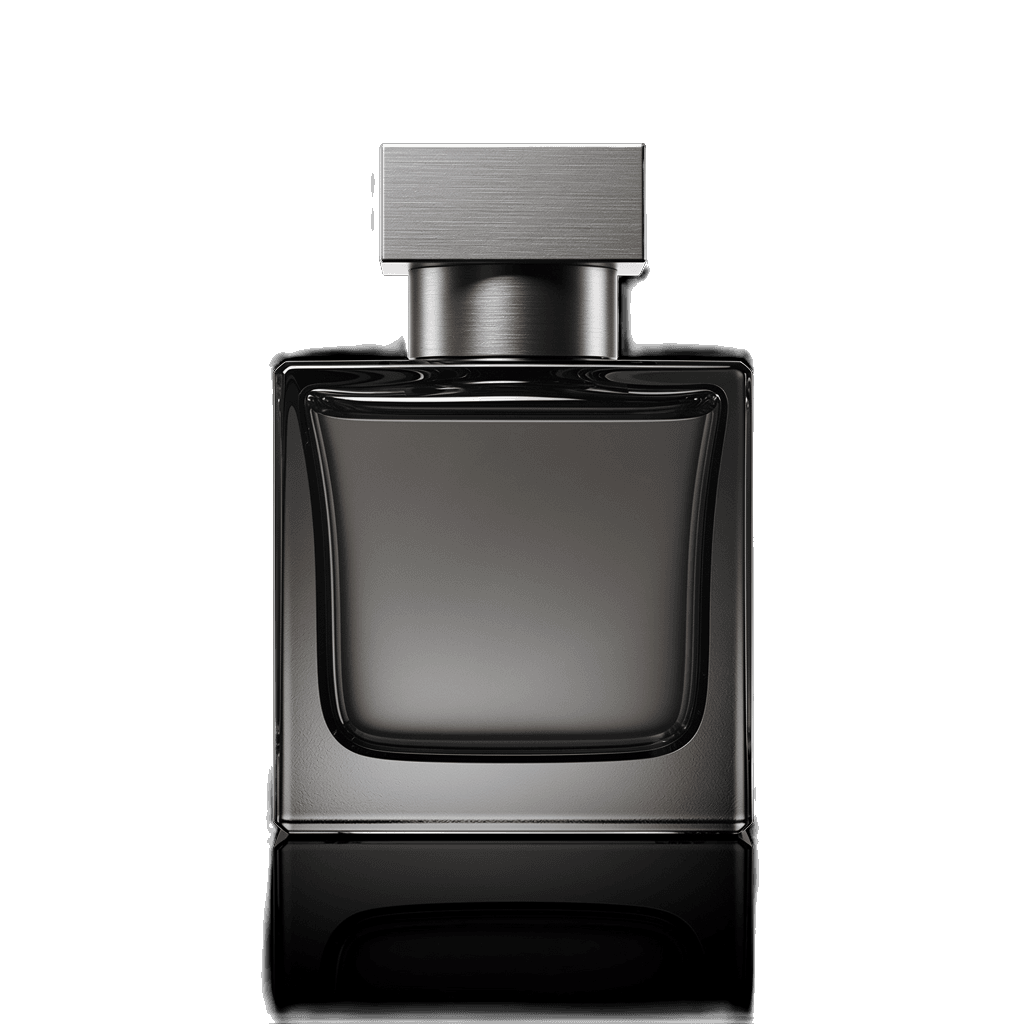
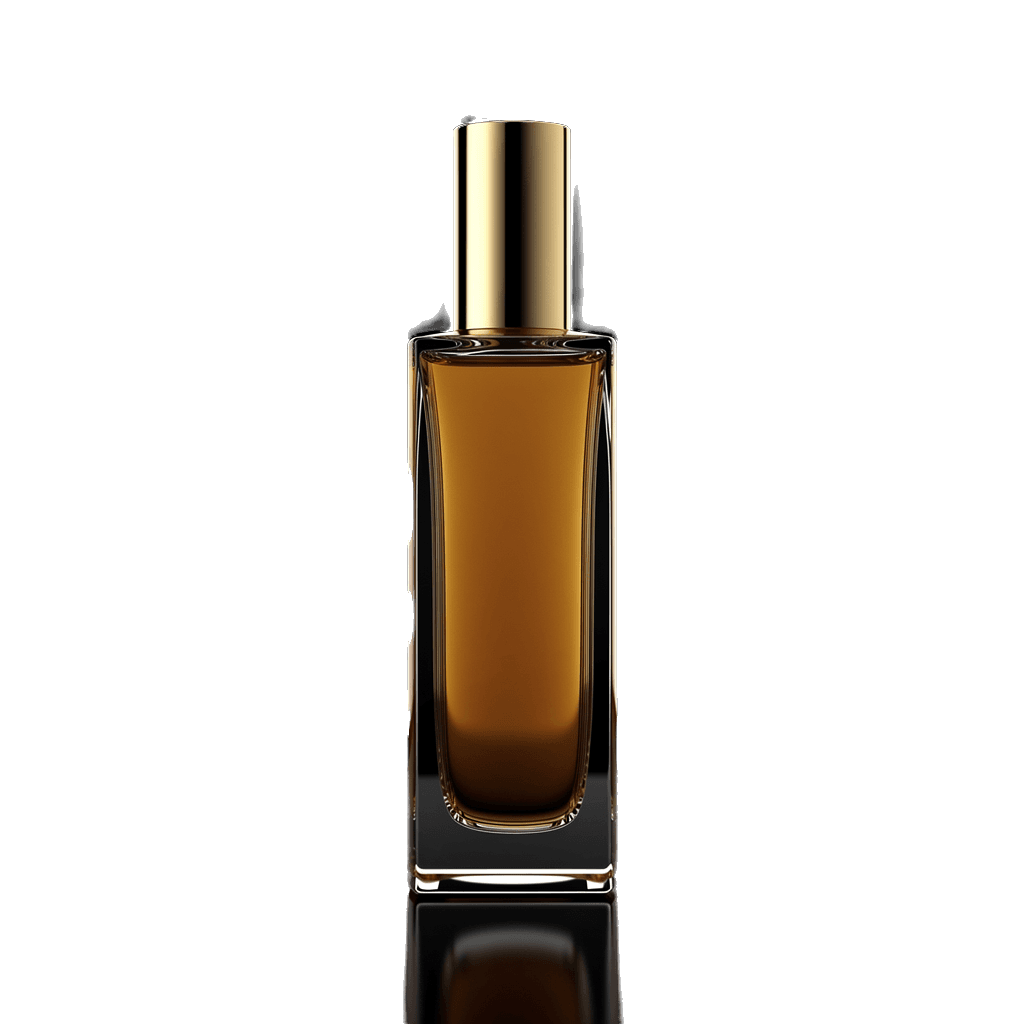
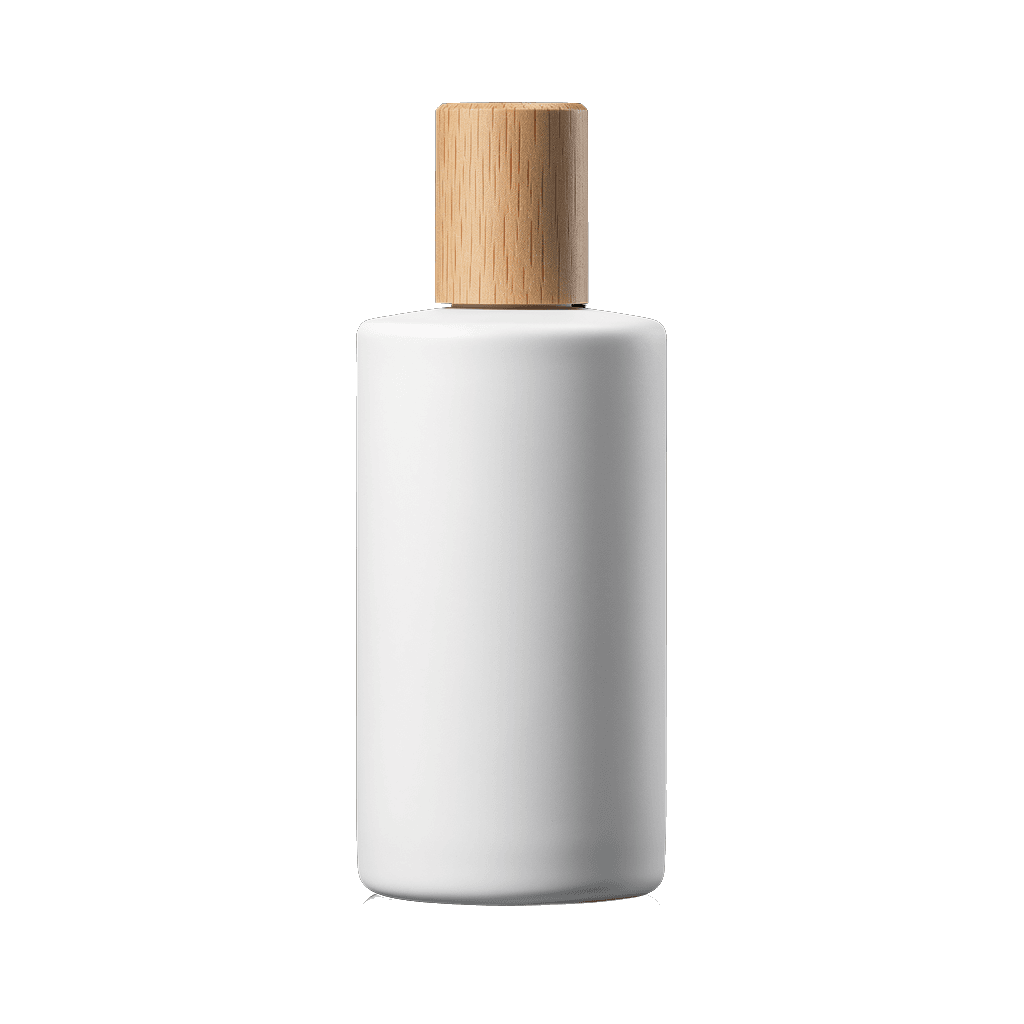
Visually, Lost Tribe adopts a restrained, almost austere aesthetic that mirrors its natural‑only philosophy. Bottles are typically clear or frosted glass, allowing the hue of the perfume—often a muted amber, soft green, or pale ivory—to become the focal point. Caps are matte black or brushed metal, providing a tactile contrast to the smooth glass. Labels forego ornate graphics; instead, they feature a clean sans‑serif typeface with the scent name and a brief geographic or narrative cue printed in small, understated lettering. This minimalism extends to the brand’s packaging, which relies on recycled cardboard with a soft-touch finish, occasionally accented by a single line drawing that hints at the fragrance’s inspiration (for example, a stylized wave for Vanilla Waves V2). Marketing imagery frequently showcases natural settings—rocky cliffs, desert dunes, or ocean horizons—captured in soft, natural lighting, reinforcing the connection between scent and environment. Social media posts maintain the same visual language, using muted color palettes and close‑up shots of raw ingredients like citrus peels or resin droplets. The overall visual identity conveys a sense of quiet confidence, inviting the consumer to focus on the scent itself rather than on flashy branding.
Philosophy
The creative vision at Lost Tribe rests on a single premise: fragrance should act as a conduit to the untamed world. The house declares that every scent is an invitation to experience a specific landscape, whether that is a sun‑kissed shoreline or a midnight desert. To keep this vision grounded, Lost Tribe refuses synthetic aroma chemicals, opting instead for raw extracts, essential oils, and absolutes harvested from plants, resins, and woods. This choice reflects a broader value system that prioritizes ecological stewardship; the brand reports that it sources materials from farms that practice sustainable harvesting and that it avoids animal‑derived ingredients. The house also embraces transparency, regularly posting ingredient lists and sourcing stories on its Instagram feed, allowing consumers to trace the journey of a note from field to bottle. In its narrative, Lost Tribe positions the wearer as an explorer, encouraging personal interpretation rather than prescribing a fixed mood. The brand’s storytelling often references mythic or geographic motifs, reinforcing the idea that each fragrance is a map for the senses. By aligning scent creation with environmental respect and personal discovery, Lost Tribe seeks to differentiate itself from mass‑market perfumery while remaining accessible to collectors who value authenticity.
Key Milestones
2022
Lost Tribe establishes its New York studio and begins sourcing natural raw materials for future releases.
2023
First public fragrance, Past & Present, launches, introducing the brand’s nature‑first philosophy to the niche market.
2024
Two major releases, Joker and Lola’s Lemonana, expand the house’s narrative range while maintaining a synthetic‑free formula.
2025
Location‑focused trio—The Hamptons, Dubai, and Atlantis—hits the market, each paired with limited‑edition recycled‑glass packaging.
2026
Vanilla Waves V2 releases, offering a refined natural vanilla accord and confirming the brand’s ongoing commitment to ingredient purity.
At a Glance
Brand profile snapshot
Origin
United States
Collection
1
Fragrances released
Avg Rating
4.7
Community sentiment
Release Rhythm