The Heritage
The Story of Lucertolablu
Lucertolablu is a niche fragrance house that thrives on bold, unconventional scent compositions. Based on the island of Capri, the brand draws inspiration from the striking blue lizard that inhabits the Faraglioni rocks, turning that natural curiosity into aromatic narratives. Since its first releases in 2022, the label has built a modest catalogue that includes Eterno Scoglio and Marucella Stellata, both launched in 2023. Critics note the house’s willingness to experiment with texture and contrast, delivering fragrances that feel both grounded and surprising.
Heritage
The story of Lucertolablu begins with a fascination for the unique blue lizard that lives on the Faraglioni cliffs of Capri. According to a travel‑focused article, the brand’s founders chose the creature as a symbol of the island’s hidden vitality and used it as the seed for their identity. The first public collections appeared in 2022, introducing scents such as Anema, Matermania, Cetrella, Tragara, and Core. Each launch was accompanied by a small‑batch production run, emphasizing the label’s commitment to artisanal scale rather than mass distribution. In 2023 the house expanded its narrative with two new releases, Eterno Scoglio and Marucella Stellata, both of which reference the sea and starlight that frame Capri’s landscape. While the precise founding year and the names of the founders are not widely documented in independent sources, the brand’s emergence aligns with a broader resurgence of Italian micro‑brands that prioritize story‑driven perfumery over commercial volume. Over the past two years Lucertolablu has been featured in niche fragrance forums such as Parfumo and Fragplace, where users discuss the distinct character of each offering. The brand’s modest but steady output suggests a focus on creative evolution rather than rapid expansion, positioning it as a quiet but persistent voice in the contemporary niche market.
Craftsmanship
Production at Lucertolablu follows a small‑batch model that allows the perfumers to monitor each step of the creation process. Raw materials are sourced from both Mediterranean growers and established overseas suppliers, with a particular focus on ingredients that reflect the island’s character, such as Calabrian bergamot, Sicilian citrus, and Mediterranean fig. The brand reportedly works with independent labs in Italy that specialize in natural extraction techniques, ensuring that essential oils retain their original nuance. For the 2022 releases, the team combined traditional cold‑press methods for citrus notes with modern solvent‑free extraction for woody and resinous components, a blend that yields both freshness and depth. Quality control involves blind testing by a panel of fragrance professionals before a scent is approved for release. The bottles are hand‑filled in a modest workshop near Capri, where temperature and humidity are carefully regulated to preserve the integrity of the perfume. Each batch is sealed with a cork that is reclaimed from previous productions, reinforcing the brand’s low‑waste ethos. The final product undergoes a stability test over several months to confirm that the scent evolves as intended without degradation. This meticulous approach, while limiting the volume of each launch, ensures that every Lucertolablu fragrance meets a consistent standard of aromatic fidelity.
Design Language
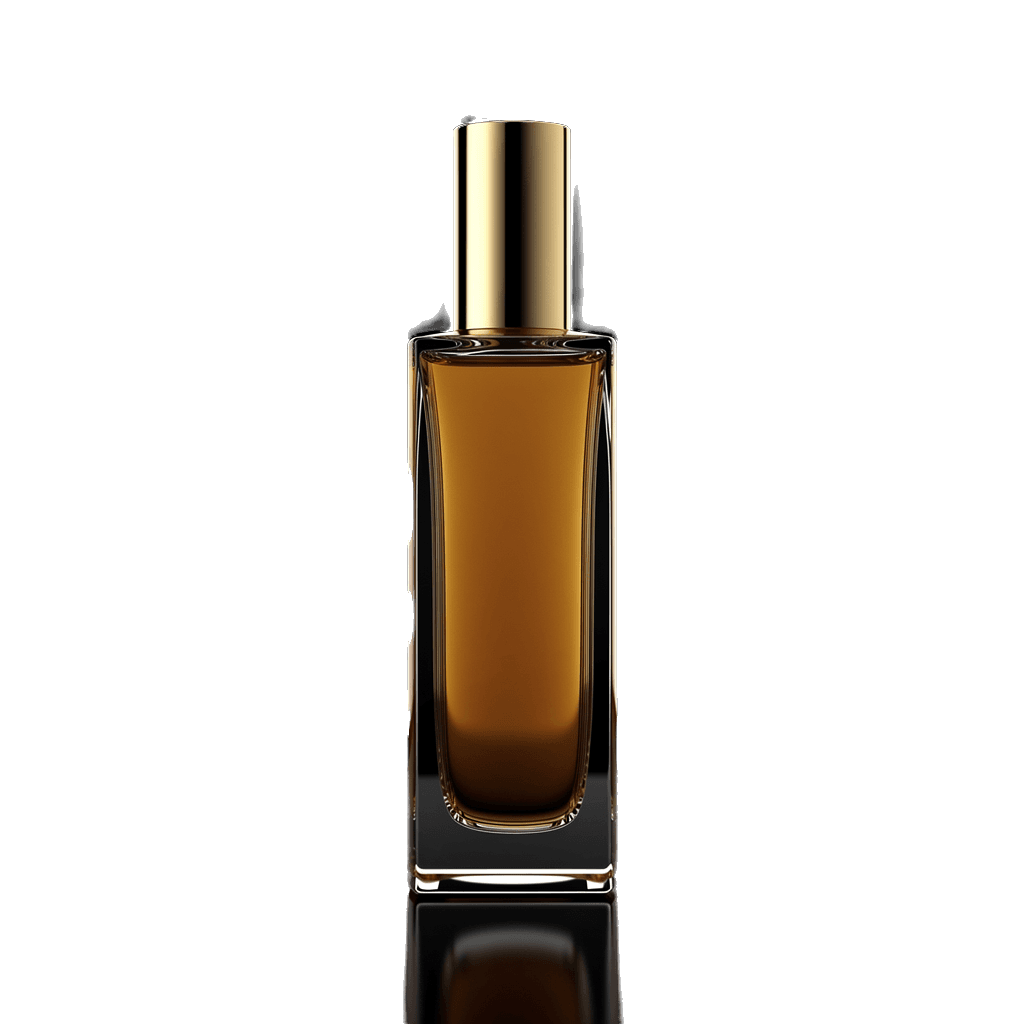
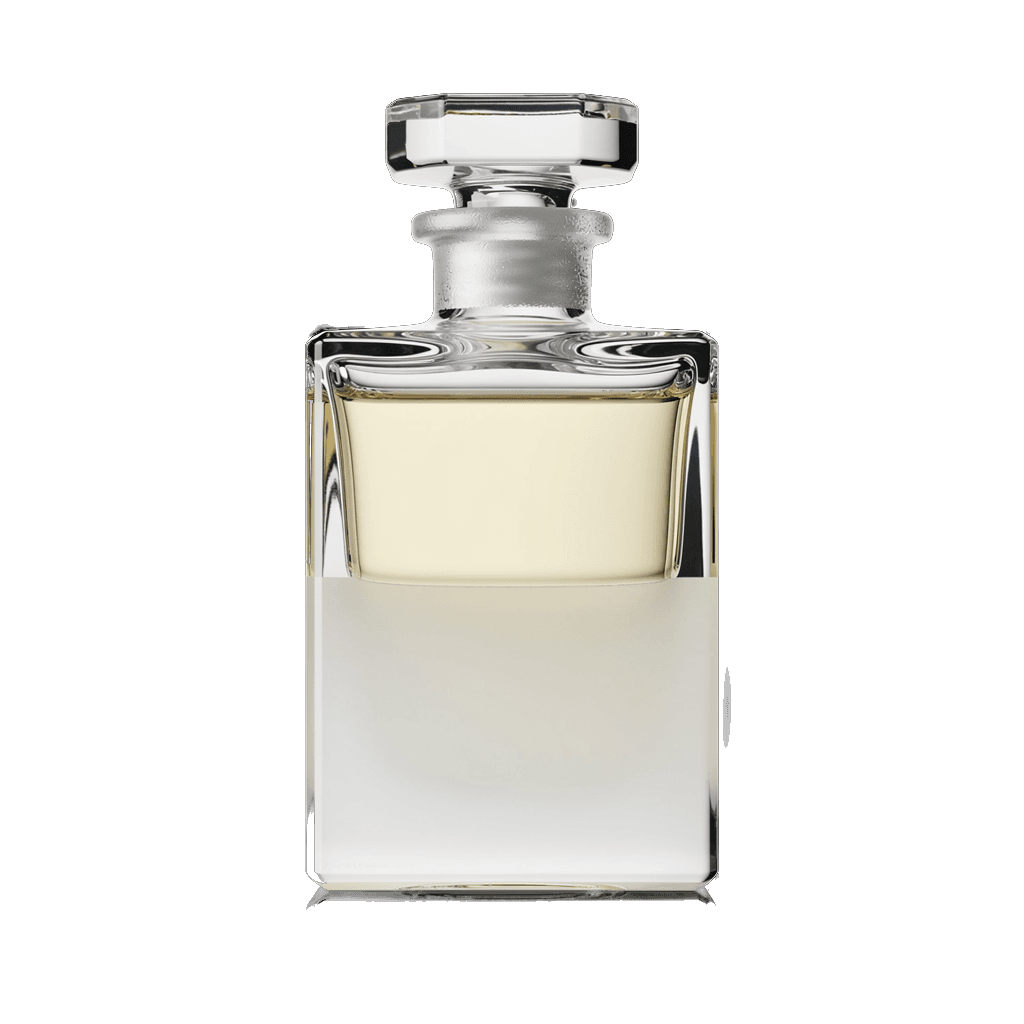
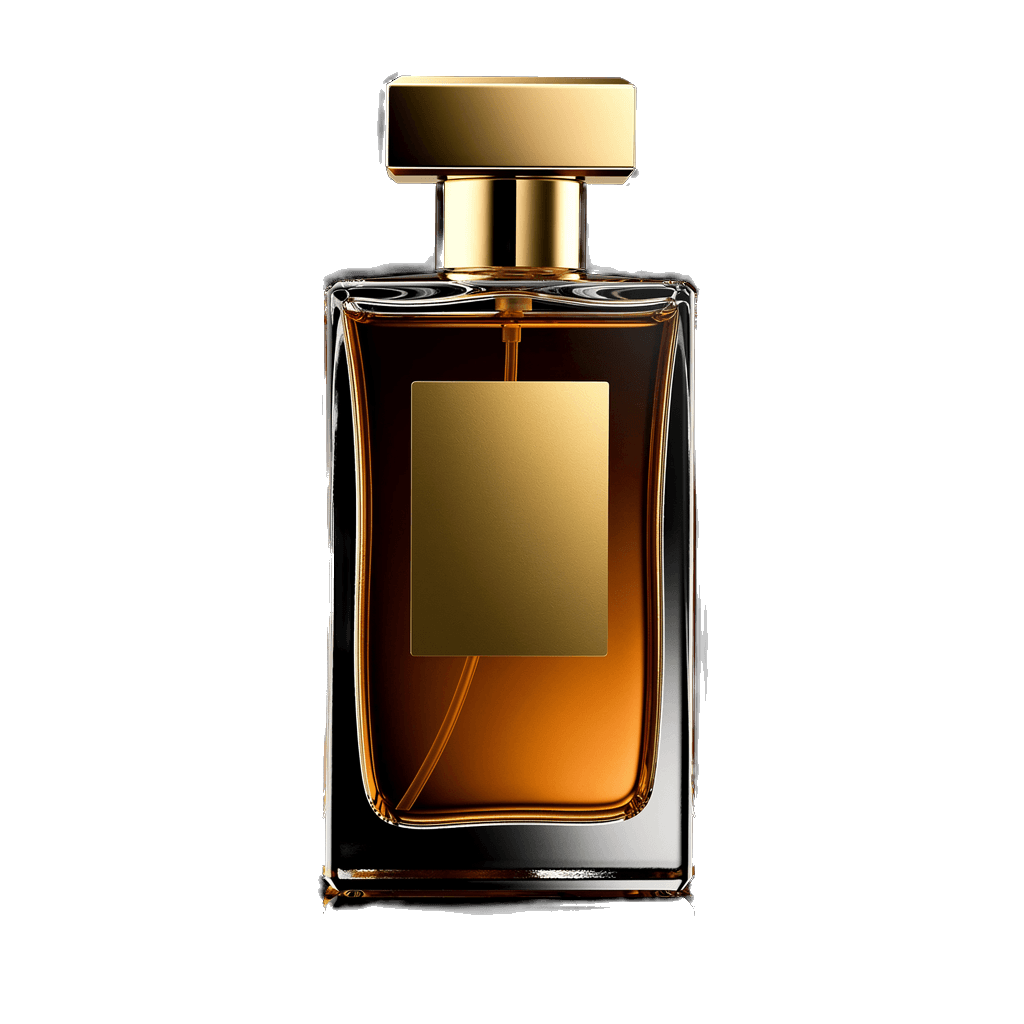
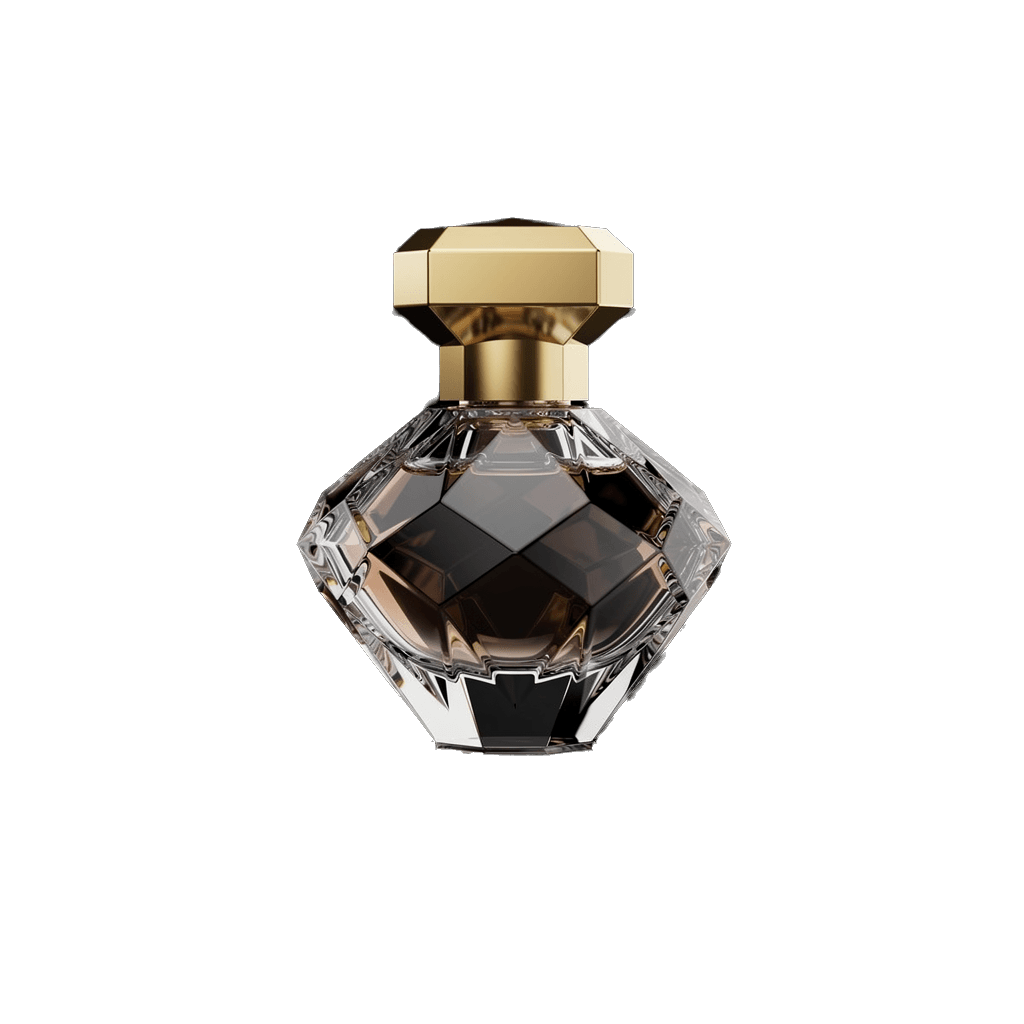
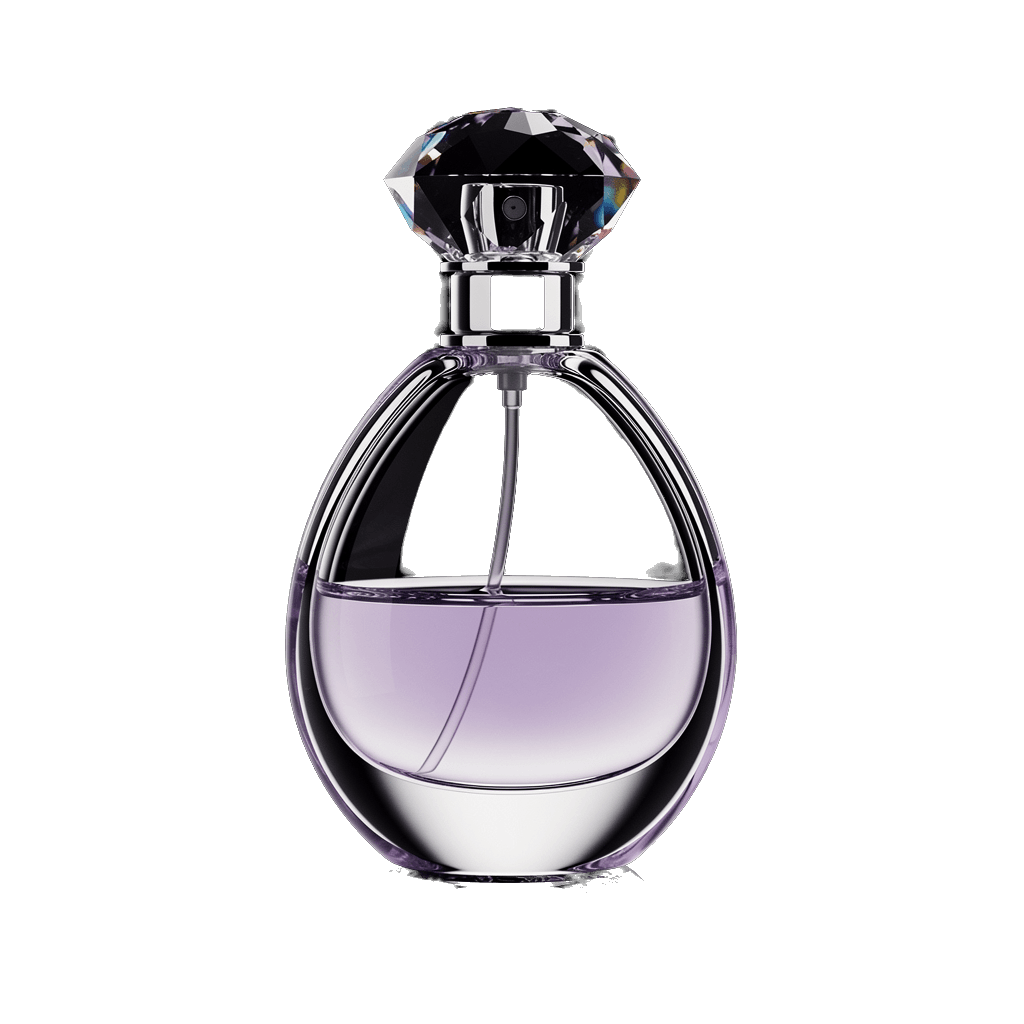
Visually, Lucertolablu leans into the island’s palette of azure and stone. The bottles feature a clear glass silhouette that showcases the perfume’s natural hue, capped with a brushed metal lid that bears a subtle engraving of a stylized blue lizard. Labels are printed on matte white paper with minimalist typography, allowing the scent’s name to stand out without decorative excess. The brand’s marketing imagery frequently includes photographs of Capri’s cliffs, sea caves, and the iconic Faraglioni rocks, often captured in soft, natural light that mirrors the fragrances’ tonal balance. Packaging boxes are made from recycled cardboard, printed with a single line drawing of the lizard in cobalt ink. This restrained visual language reinforces the house’s focus on authenticity rather than flash, inviting the consumer to explore the scent’s story through a clean, tactile experience. In retail settings, the brand is displayed on simple wooden shelves, allowing the bottles themselves to become the focal point.
Philosophy
Lucertolablu frames its creative vision around the idea of translating a specific natural element – the blue lizard of Capri – into olfactory form. The house treats each fragrance as a vignette of the island’s geography, climate, and folklore. Rather than following seasonal trends, the brand selects raw materials that echo the rugged cliffs, the salty breezes, and the luminous night sky. In interviews on niche perfume blogs, the team has described their process as an attempt to capture moments of surprise that the lizard’s sudden appearance evokes. This translates into a willingness to juxtapose bright citrus with deep, resinous woods, or to pair marine accords with unexpected spice notes. The brand also emphasizes transparency: ingredient lists are made available on the product pages, and the sourcing locations are mentioned when known. Sustainability is approached pragmatically; the house works with suppliers who can provide traceable raw materials, and it limits batch sizes to reduce waste. The overarching value system prioritizes authenticity, curiosity, and a respect for the island’s fragile ecosystem, allowing the fragrance to act as a sensory bridge between visitor and locale.
Key Milestones
2022
Launch of the first six fragrances: Anema, Matermania, Cetrella, Tragara, Core, and an early limited edition inspired by Capri’s coastline.
2022
Introduction of the Tragara fragrance, noted for its spicy‑woody profile and continued production.
2023
Release of Eterno Scoglio and Marucella Stellata, expanding the line with marine and celestial themes.
2023
Featured in niche fragrance forums such as Parfumo and Fragplace, where comparative analyses highlighted the brand’s distinctive scent architecture.
At a Glance
Brand profile snapshot
Collection
1
Fragrances released
Avg Rating
3.4
Community sentiment
Release Rhythm