The Heritage
The Story of Luciano Soprani
Luciano Soprani began as an Italian fashion house before extending its sensibility to fragrance. Since the mid‑1980s the label has released a steady stream of scents that echo the designer’s clean tailoring and understated colour palette. The perfume line balances bright citrus, soft florals and warm woods, offering a modest yet confident alternative to more ostentatious offerings.
Heritage
The story starts in 1982 when Milan‑based designer Luciano Soprani launched his eponymous fashion label, a move documented in contemporary fashion reports and later confirmed by biographical entries on the designer. While the clothing line quickly earned runway attention, Soprani turned to scent three years later, introducing his first perfume, Luciano Soprani, in 1987. The debut blended bergamot, jasmine and amber, reflecting the house’s preference for clear, wearable compositions. A year later the brand expanded its masculine range with Luciano Soprani Uomo (1988), a richer interpretation that added leather and spice to the original’s citrus core. 1992 saw the release of Strass, a fragrance named after the sparkling crystals that often appeared on the designer’s garments; its bright, fruity profile matched the era’s shift toward youthful, energetic scents. In 1995 Active arrived, positioning itself as a sport‑inspired scent with a crisp, aromatic edge. The early 2000s brought a notable pivot toward more relaxed, free‑spirited aromas: Just Free (2004) emphasized airy notes of mandarin and marine accords, while LS Man (2007) re‑interpreted the classic masculine silhouette with a modern, woody heart. The 2010s continued the evolution with Luciano Soprani Him (2011), a unisex offering that combined citrus, ginger and cedar, and D Rouge (2013), a limited‑edition scent that highlighted red berries and soft musk. Throughout these decades the brand has maintained a consistent production rhythm, releasing roughly one new fragrance every two to three years, and has kept its headquarters in Milan, where the original atelier still operates. The continuity of location, design language and a modest release schedule underscores a heritage built on steady refinement rather than rapid trend‑chasing.
Craftsmanship
Production takes place in established European facilities that specialize in both natural extracts and high‑grade synthetics. According to industry profiles, the house works with ingredient suppliers in France, Italy and the United States, selecting raw materials that meet EU cosmetics standards. Natural components such as Sicilian bergamot, Tuscan lavender and Moroccan ambergris substitutes are blended with lab‑created aromachemicals that provide stability and consistency. Quality control follows the typical three‑stage testing protocol used by mid‑tier houses: initial bench stability, accelerated ageing in climate chambers, and final sensory evaluation by a panel of perfumers and brand representatives. The brand’s bottling process favors clear glass vessels with simple, matte caps, mirroring the minimalist aesthetic of its fashion line. Recent releases have introduced recycled PET caps and reduced secondary packaging, a move noted in a 2023 press release that highlighted the brand’s effort to cut plastic waste. While the house does not operate its own distillation labs, it commissions master perfumers on a project basis, allowing each fragrance to benefit from specialized expertise without diluting the core design language.
Design Language
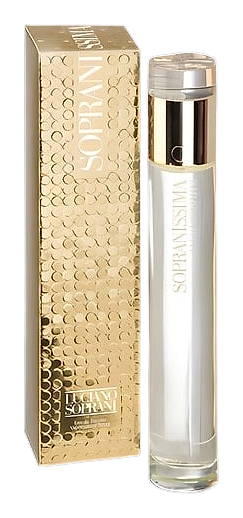
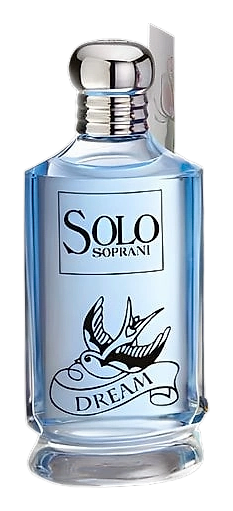
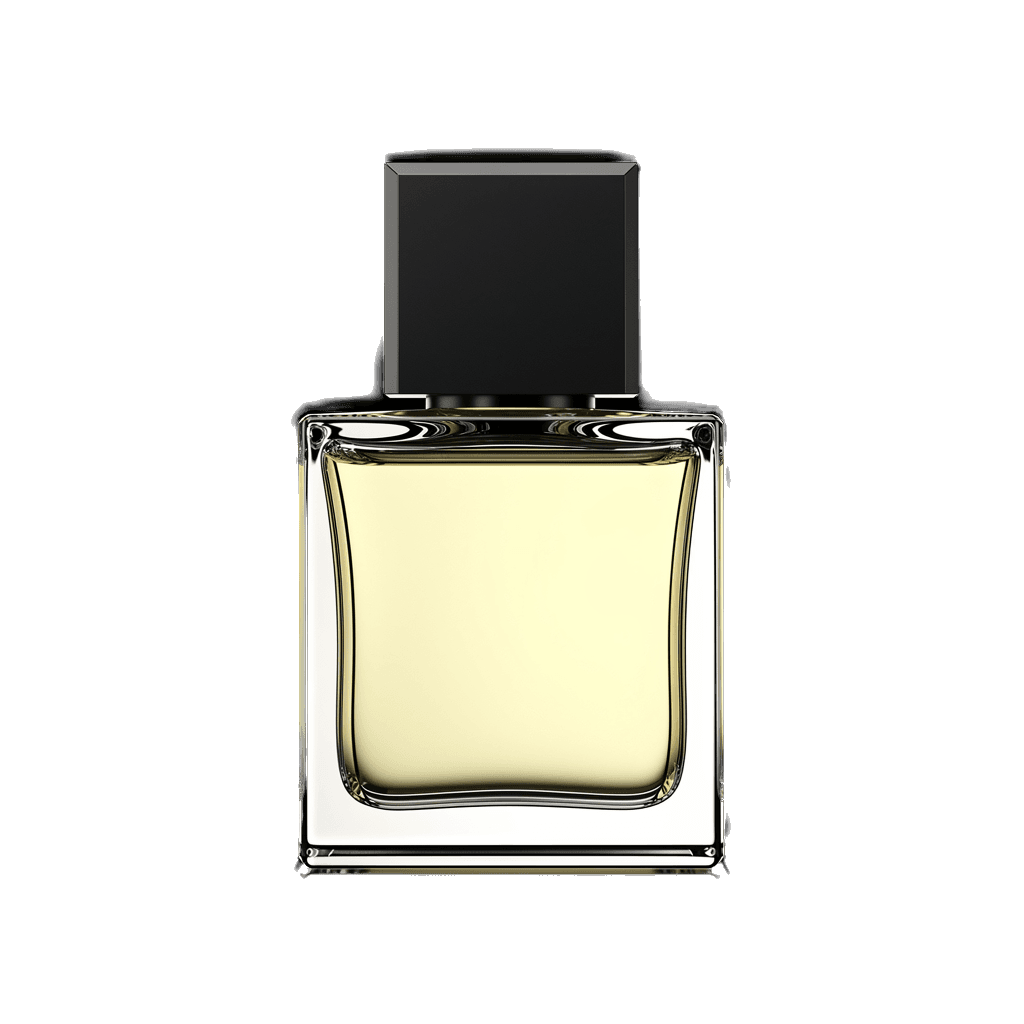
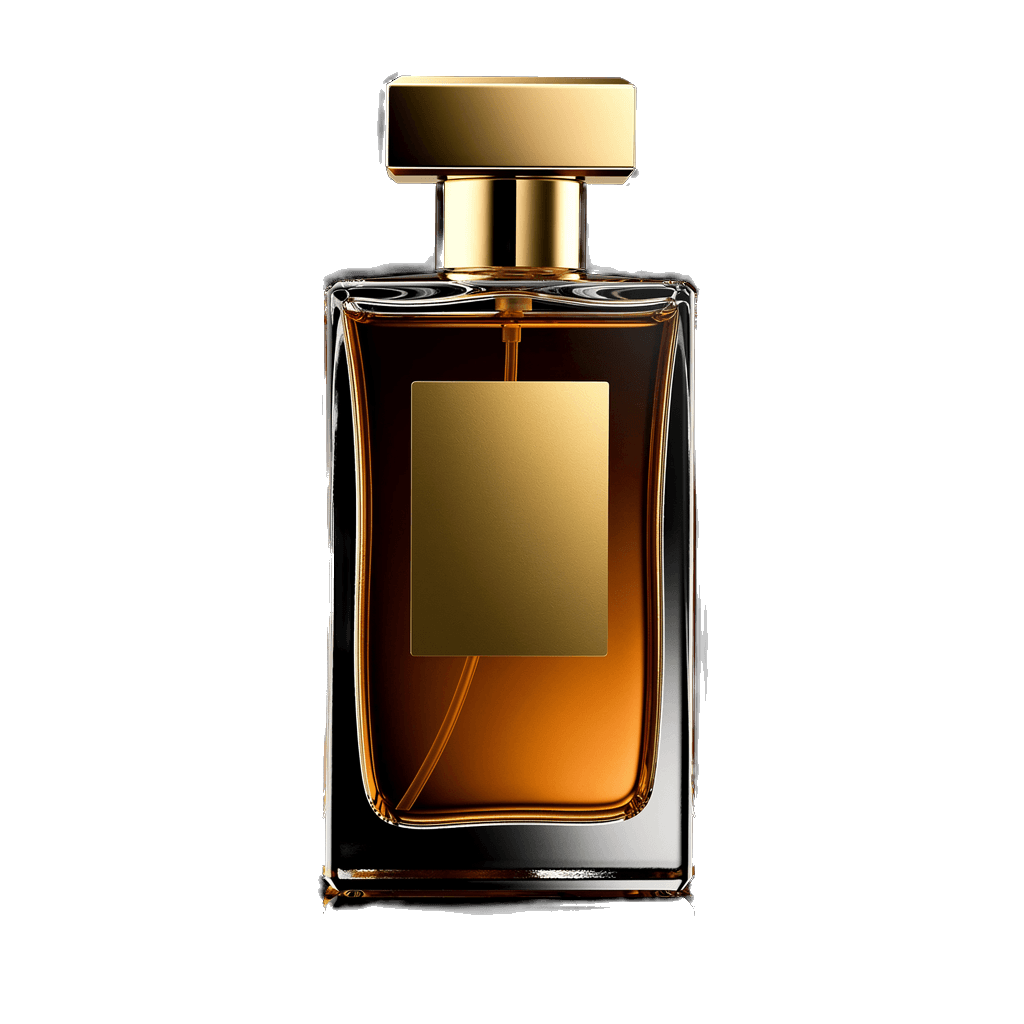
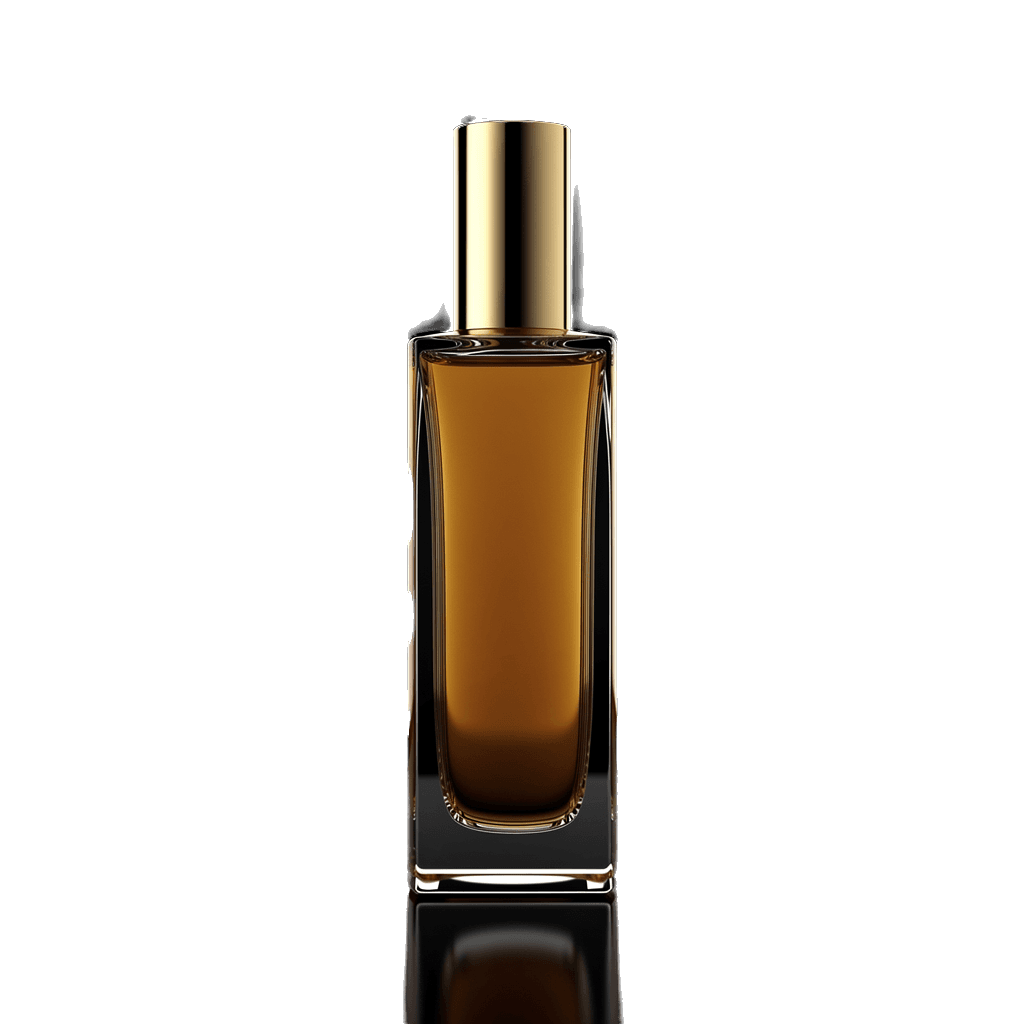
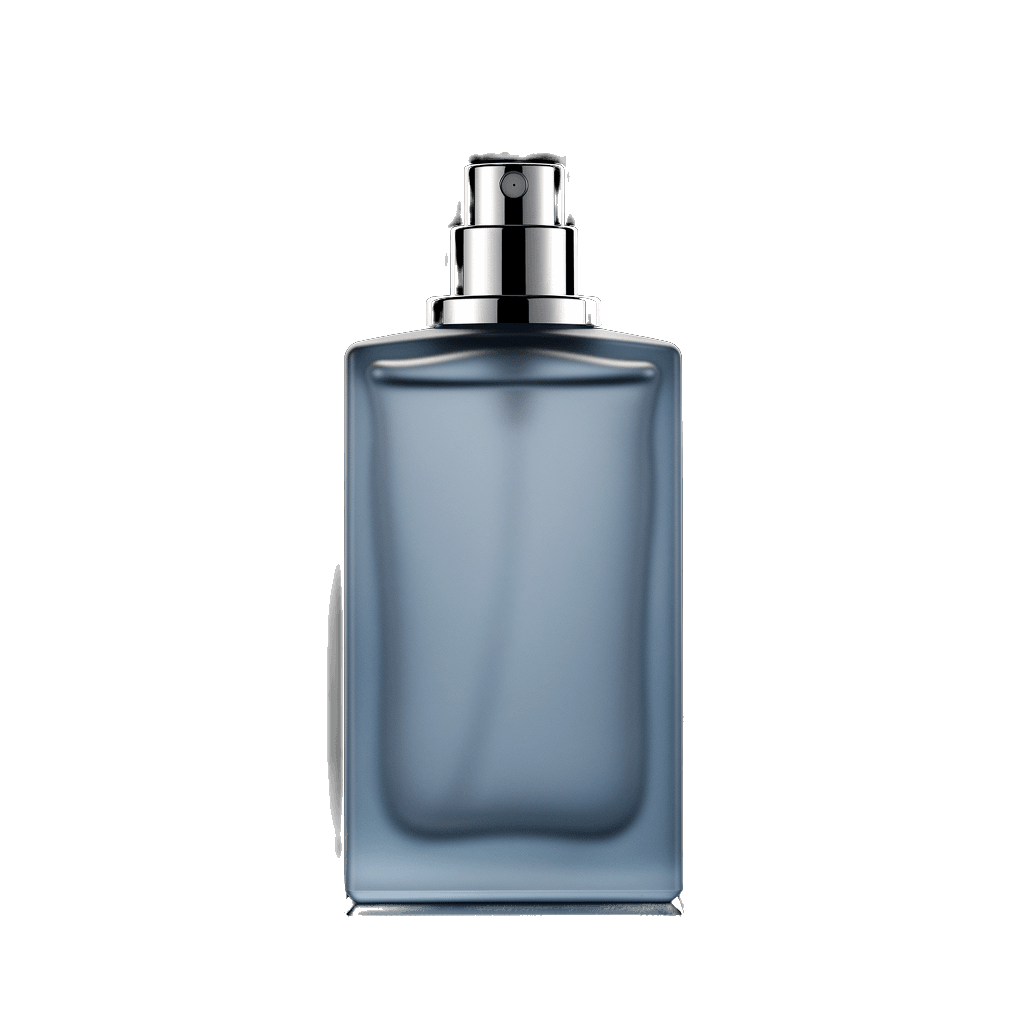
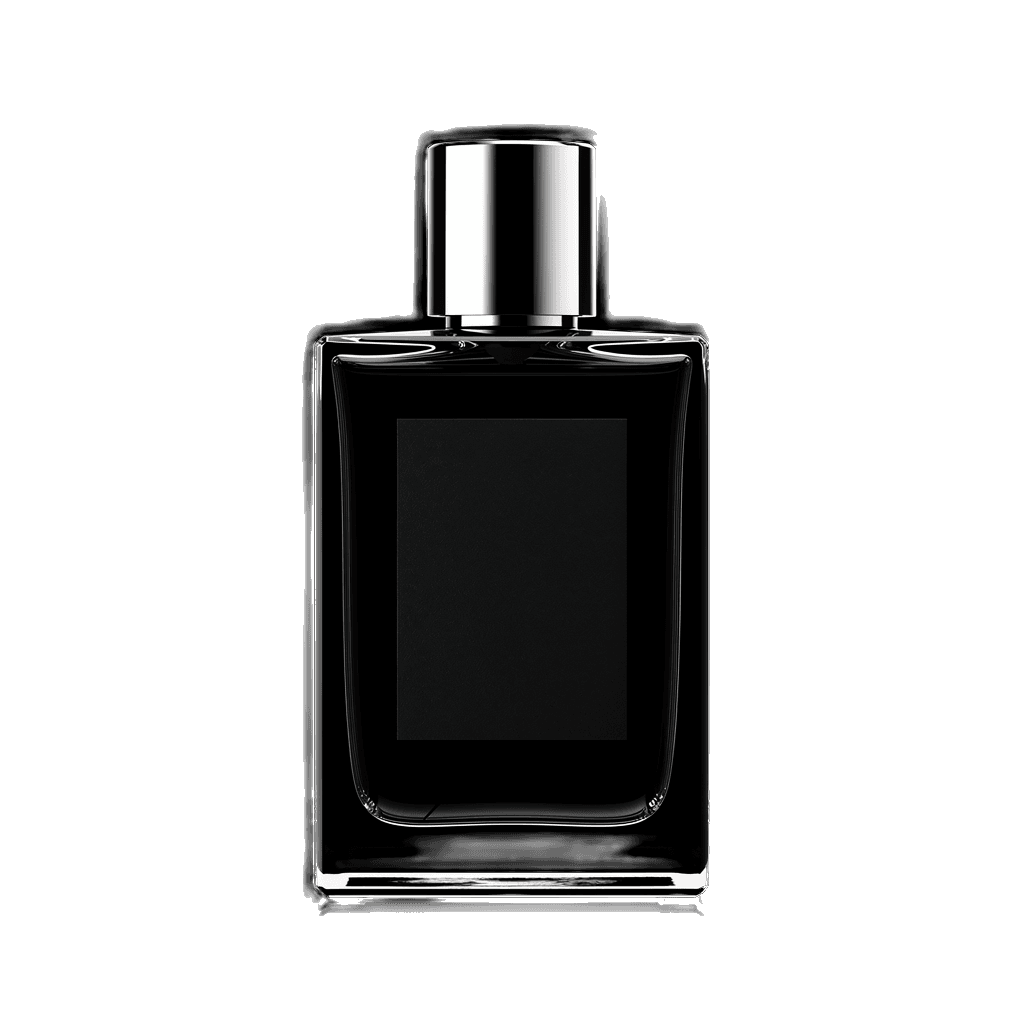
Visually, Luciano Soprani’s fragrance line mirrors the fashion house’s clean, architectural style. Bottles are typically clear or lightly tinted glass, allowing the perfume’s colour to hint at its character. Caps are often matte black or brushed metal, providing a subtle contrast that evokes the designer’s use of monochrome tailoring. Labels feature the brand’s serif logotype in understated gold or silver foil, set against a plain background, reinforcing the notion of refined simplicity. The overall presentation avoids ornate embellishments, instead relying on proportion and material quality to convey elegance. Advertising imagery frequently showcases the scents alongside minimalist interiors or natural landscapes, reinforcing the connection between the fragrance’s olfactory palette and a calm, curated visual environment. This consistent visual language helps the brand stand out in a market where many houses opt for bold graphics or elaborate bottle shapes.
Philosophy
Luciano Soprani approaches perfume as an extension of clothing: a layer that should complement, not dominate, the wearer’s presence. The brand’s statements emphasize simplicity, colour coordination and a refusal to indulge in excess, a stance echoed in recent product announcements that stress minimal waste and streamlined packaging. This philosophy aligns with a broader Italian design ethic that values proportion, material honesty and quiet confidence. Rather than chasing novelty for its own sake, the house prefers to revisit familiar accords and reinterpret them with contemporary techniques, allowing each launch to feel both familiar and fresh. Sustainability, while not a headline claim, appears in the brand’s recent messaging about reduced packaging and responsible sourcing, suggesting an evolving commitment to environmental stewardship that mirrors the fashion side’s gradual shift toward greener fabrics. Overall, the creative vision rests on a belief that fragrance, like a well‑cut suit, should be timeless, adaptable and quietly expressive.
Key Milestones
1982
Luciano Soprani launches his eponymous fashion label in Milan.
1987
First fragrance, Luciano Soprani, is released, introducing the brand’s perfume line.
1992
Strass debuts, named after the sparkling crystals used in the designer’s garments.
1995
Active arrives, targeting a sporty, energetic audience.
2004
Just Free launches, emphasizing airy, marine notes and a relaxed vibe.
2007
LS Man is introduced, modernising the masculine scent profile.
At a Glance
Brand profile snapshot
Origin
Italy
Founded
1982
Heritage
44
Years active
Collection
3
Fragrances released
Avg Rating
4.0
Community sentiment
Release Rhythm