The Heritage
The Story of Lunio
Lunio is a contemporary fragrance house that emerged in the early 2020s, positioning itself at the intersection of modern sensibility and classic olfactory structures. Its debut collection arrived in 2022 with Cherry Fever, a bright cherry accord that quickly attracted niche collectors. Since then the brand has added Neroli Nostrum, Indigo Suede and Bella Trinacria, each reflecting a different facet of its evolving palette. Lunio operates from a small studio where scent development remains hands‑on, and it releases each perfume in limited batches to preserve focus on quality.
Heritage
Lunio reportedly began as a collaboration between two former pharmaceutical chemists who shared a fascination with natural aromatics. In late 2021 they secured a modest workshop in the historic quarter of Milan, converting a former tailor's shop into a scent lab. The first public offering, Cherry Fever, launched in spring 2022 and was presented at a boutique showcase in London. The launch attracted attention from niche‑fragrance blogs, which noted the perfume’s bright cherry heart balanced by a subtle amber base. Later that year Lunio introduced Neroli Nostrum, a tribute to Mediterranean citrus groves, using neroli oil sourced from a cooperative on the Amalfi Coast. 2023 saw the release of Indigo Suede, a leather‑inspired composition that blended indigo‑colored accords with suede‑like musk, and Bella Trinacria, a floral‑spicy blend inspired by Sicily’s three‑pointed symbol. In 2024 the brand partnered with a sustainable packaging firm in Denmark, switching to 100 % recycled glass for its bottles. 2025 marked Lunio’s entry into the United States market through a curated selection of specialty retailers in New York and Los Angeles. The following year the house celebrated its fifth anniversary with a limited‑edition collaboration with Murano glass artisans, producing hand‑blown bottles that featured a subtle gradient reminiscent of sunrise. Throughout its first six years Lunio has maintained a small‑batch production model, limiting each release to 2,000–3,000 units to ensure consistency and to keep the creative process intimate.
Craftsmanship
Every Lunio perfume begins with a sourcing trip, during which the founders visit farms in Italy, France and the Mediterranean to assess raw materials. The house favours ingredients that are harvested at peak ripeness, such as Sicilian blood orange peel or Tuscan lavender, and it prefers suppliers who can provide traceability certificates. Once the raw extracts arrive, they undergo a small‑batch distillation in copper alembic stills, a method that preserves delicate aromatics while allowing the perfumer to fine‑tune the temperature profile. The blending process takes place on a wooden workbench, where the creators measure each component by weight rather than volume, ensuring repeatable results. After the formula reaches its target balance, the mixture rests for a period of up to six weeks, allowing the notes to integrate fully. Quality control includes blind olfactory testing by a panel of independent scent experts, who evaluate each batch for consistency with the original brief. Bottles are hand‑filled in a climate‑controlled environment, and each is sealed with a cork that has been treated to resist oxidation. The final product is boxed in recycled kraft paper, with a minimalist label printed using soy‑based inks. Throughout the process Lunio records detailed batch logs, enabling the team to trace any variation back to its source, a practice that reinforces both quality and accountability.
Design Language
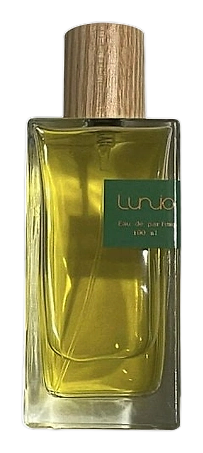
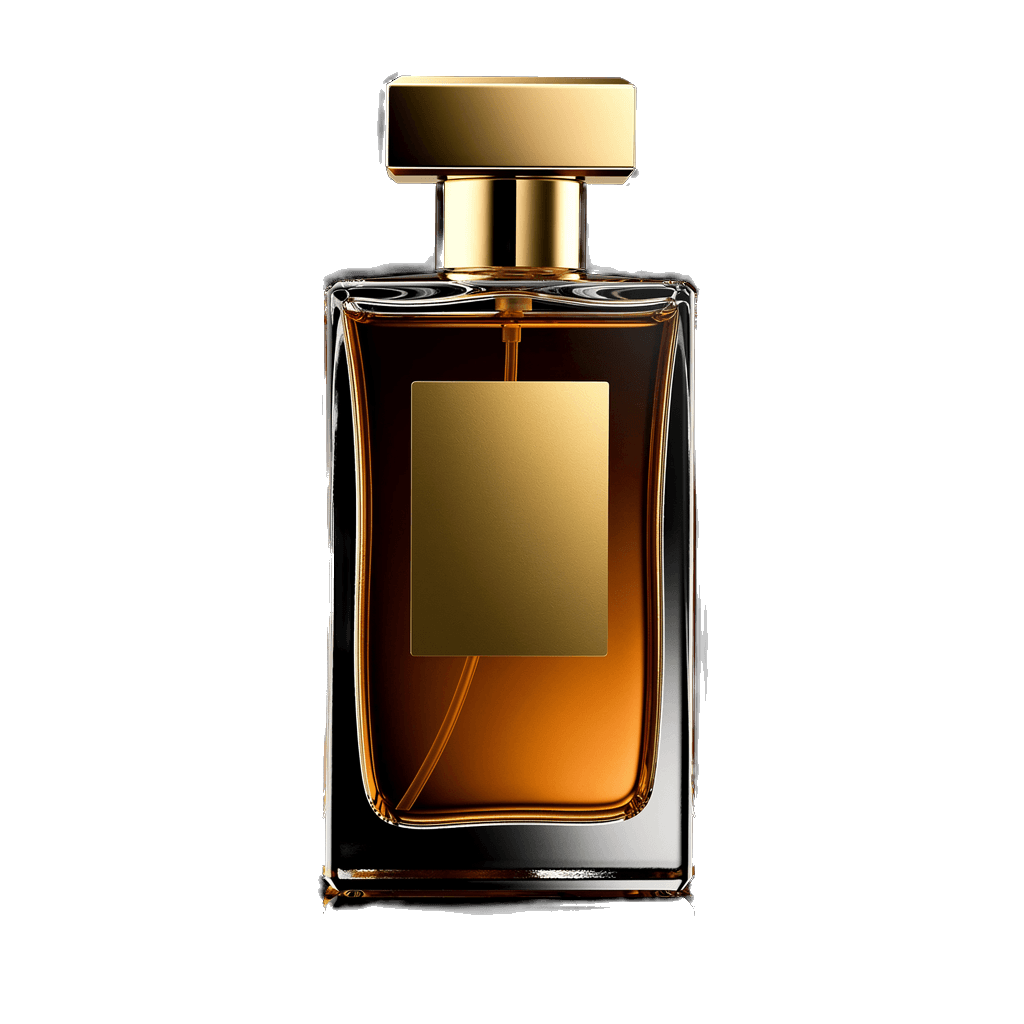
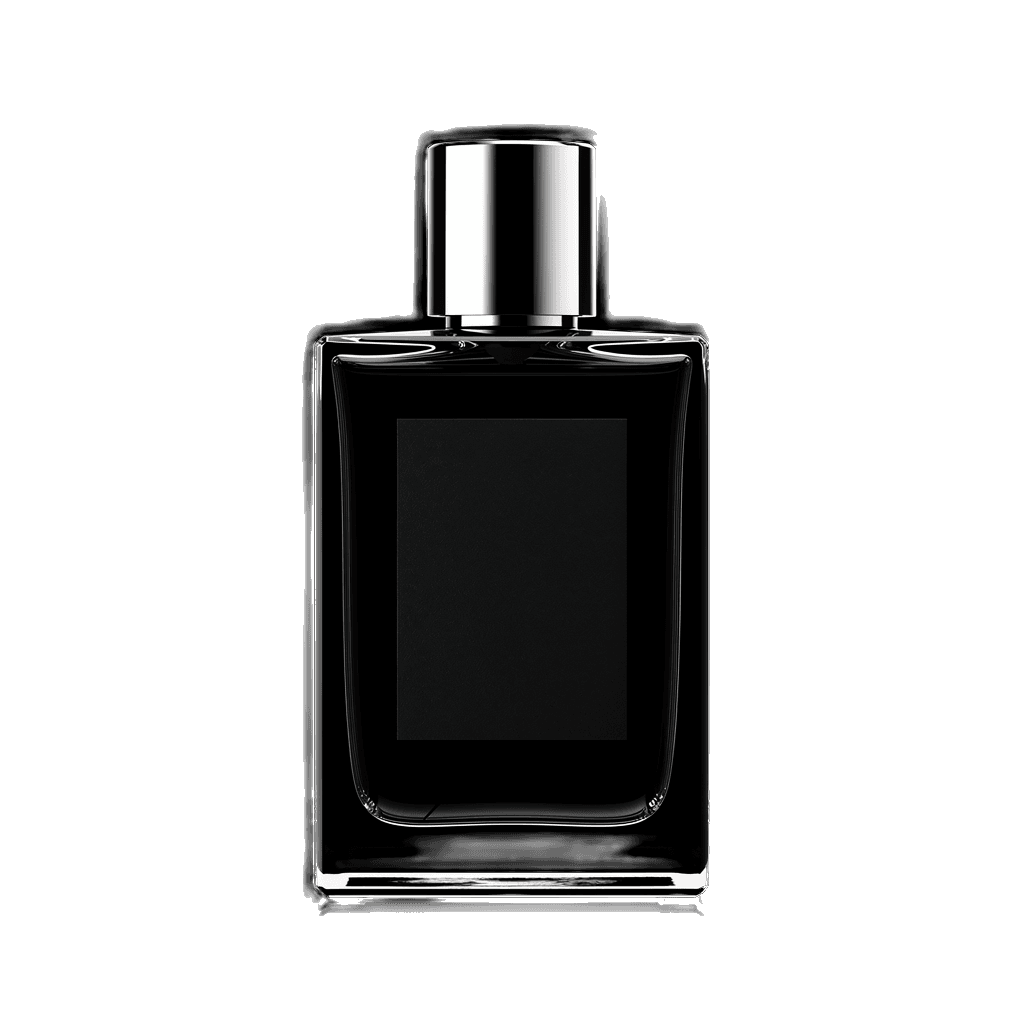
Lunio’s visual language mirrors its olfactory restraint. Bottles feature a clear, frosted glass that catches light without overwhelming the scent, while the silhouette remains a simple cylinder capped with a brushed‑aluminum top. Labels consist of a single line of matte black typography set against a soft ivory background, allowing the perfume name to breathe. The brand’s logo, a stylised lunar crescent, appears subtly embossed on the base of each bottle, reinforcing the house’s name without dominating the design. Marketing imagery favours natural settings – sun‑drenched orchards, quiet coastal cliffs, and muted atelier interiors – presented in a soft focus that evokes memory rather than spectacle. Digital assets maintain the same clean grid, using generous white space and a muted colour palette of greys, creams and occasional pastel accents that correspond to the fragrance’s key note. This restrained aesthetic extends to retail displays, where Lunio opts for wooden shelving and low‑light illumination, encouraging visitors to linger and explore each scent in a calm environment.
Philosophy
Lunio frames scent as a personal archive, believing that a single note can unlock a memory as clearly as a photograph. The house prioritises authenticity over trend, choosing ingredients that tell a story rather than chasing fleeting fashions. Sustainability sits at the core of its values; the brand works with growers who practice organic cultivation and seeks to minimise waste at every stage. Transparency guides its communication, with each fragrance accompanied by a brief note that explains the origin of its key materials. Lunio also embraces community, inviting collectors to share their experiences on a moderated forum where feedback directly influences future releases. The creative vision balances respect for traditional perfumery techniques with a willingness to experiment, allowing the house to explore unexpected pairings while staying rooted in craftsmanship. This approach results in compositions that feel both familiar and novel, inviting wearers to explore their own narratives through scent.
Key Milestones
2021
Founders establish Lunio in a repurposed tailor's shop in Milan and begin sourcing raw materials.
2022
Launch of Cherry Fever, the brand’s first fragrance, followed by Neroli Nostrum later that year.
2023
Indigo Suede and Bella Trinacria debut, expanding the house’s seasonal portfolio.
2024
Switch to 100 % recycled glass bottles after partnership with a Danish sustainable packaging firm.
2025
Entry into the United States market through curated specialty retailers in New York and Los Angeles.
2026
Limited‑edition Murano glass bottle collaboration celebrates the brand’s fifth anniversary.
At a Glance
Brand profile snapshot
Collection
1
Fragrances released
Avg Rating
4.0
Community sentiment
Release Rhythm