The Heritage
The Story of Luxodor
Luxodor began as a Swiss fragrance oil supplier and has grown into a niche perfume house that offers both oils and finished scents. The brand serves perfumers, retailers and boutique houses across the Middle East, Europe and Southeast Asia. Its catalogue includes a series of 2020 releases such as Silk Roses, Ottoman Padishah and The Bandit, each built on a blend of natural extracts and synthetics. Luxodor positions itself as a bridge between classic raw materials and contemporary market needs, delivering consistent quality to partners worldwide.
Heritage
The first public record of Luxodor appears in a 2010 business registry that lists Luxodor Parfum as a newly incorporated entity. Two years later, in 2012, the company launched Luxodor Oils, a division dedicated to producing Swiss‑origin fragrance oils for external brands. Early on, the firm focused on supplying bulk oils to perfume houses in the Gulf region, leveraging Switzerland’s reputation for precise chemical manufacturing. By 2015, Luxodor expanded its distribution network to include retailers in North Africa and the Levant, establishing a regional office in Dubai. The year 2020 marked a creative pivot: Luxodor released a line of finished perfumes and attars, debuting titles such as Silk Roses, Ottoman Padishah, Alga and Prince. These launches were announced through trade publications and received coverage in regional fragrance blogs. In 2023 the company announced a bulk‑supply partnership with Southeast Asian manufacturers, extending its sourcing capabilities beyond Europe. Throughout its evolution, Luxodor has maintained a focus on transparent ingredient sourcing, compliance with EU fragrance regulations and a steady presence at industry fairs such as Beautyworld Middle East. The brand’s growth reflects a gradual shift from pure B2B oil provision to a hybrid model that includes consumer‑facing products while retaining its core wholesale expertise.
Craftsmanship
Luxodor produces its oils in a Swiss laboratory that follows Good Manufacturing Practice guidelines. Raw materials arrive in sealed containers, and each batch undergoes gas chromatography analysis to verify composition. The company blends natural extracts, such as rose absolute from Bulgaria, with laboratory‑synthesized aroma chemicals, achieving a consistent olfactory profile across large volumes. After blending, the mixture is filtered through stainless‑steel screens and stored in temperature‑controlled tanks to prevent oxidation. Quality control includes stability testing at 40 °C for six weeks, ensuring that the final oil retains its intended character over time. For its finished perfumes, Luxodor employs a small‑batch maceration process: the fragrance oil is combined with ethanol and allowed to rest for a minimum of four weeks, a period that permits the scent molecules to integrate fully. Bottling takes place on automated lines that cap and label each bottle under clean‑room conditions. The brand reports that it complies with the International Fragrance Association’s (IFRA) standards, and it holds certifications for ISO 9001 quality management. These procedures aim to deliver a product that meets the expectations of both professional perfumers and end consumers.
Design Language
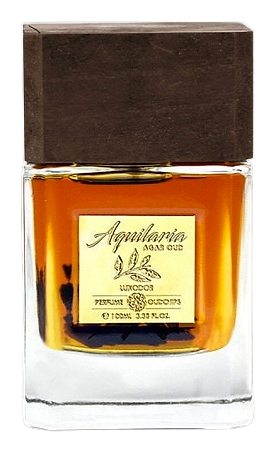
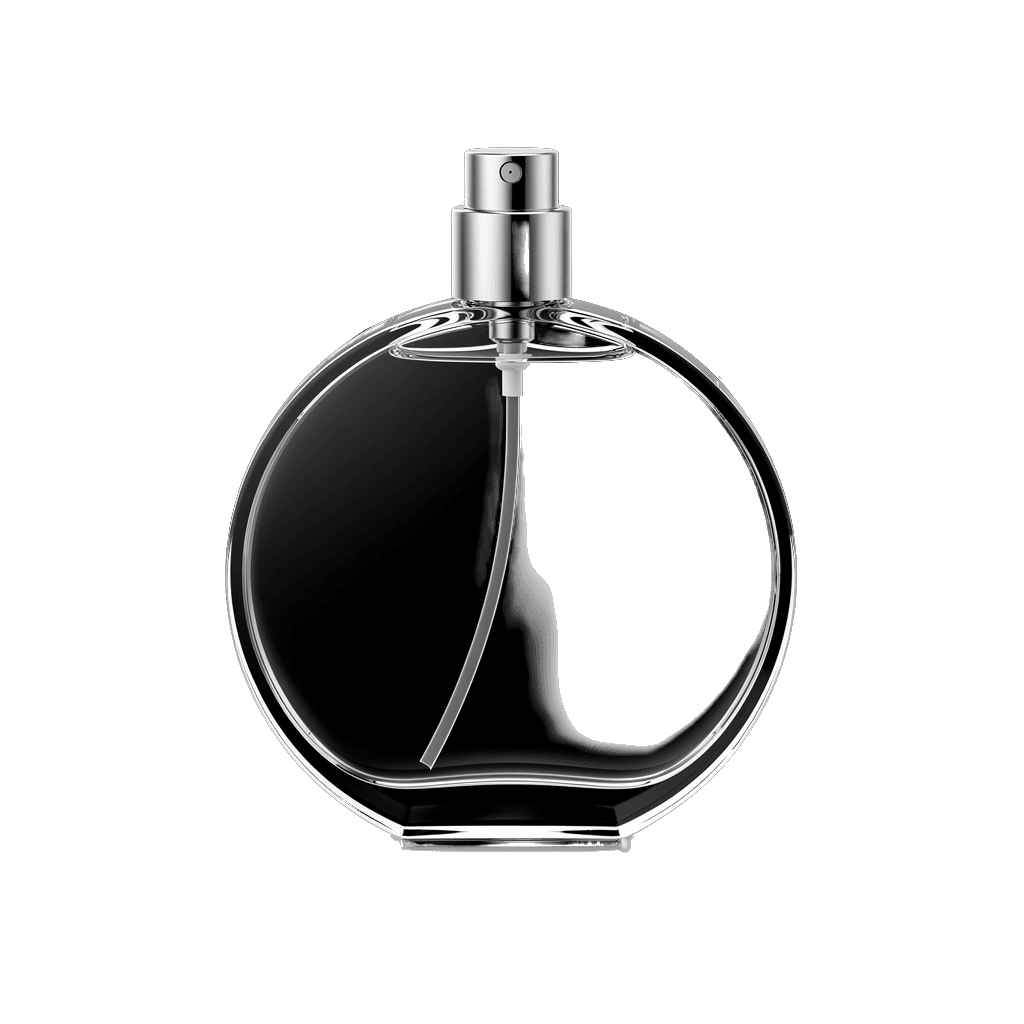
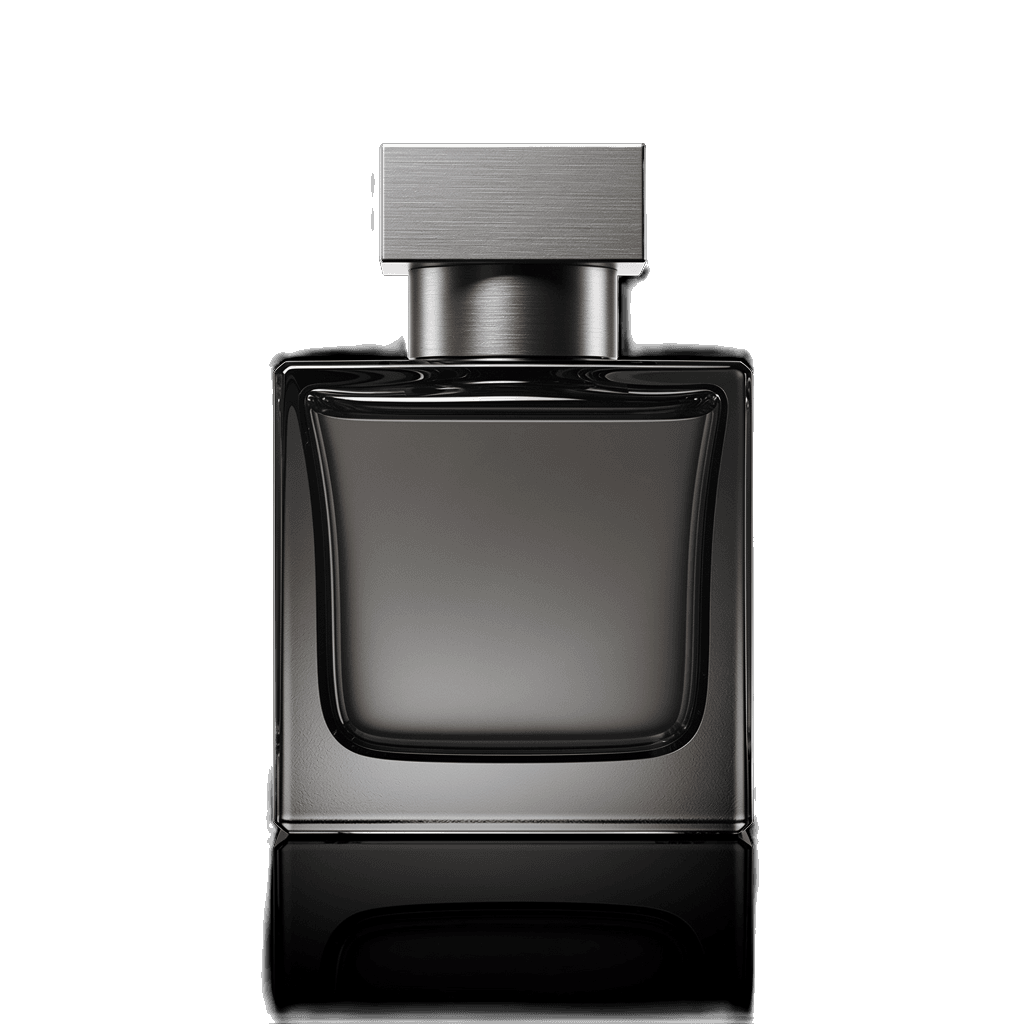
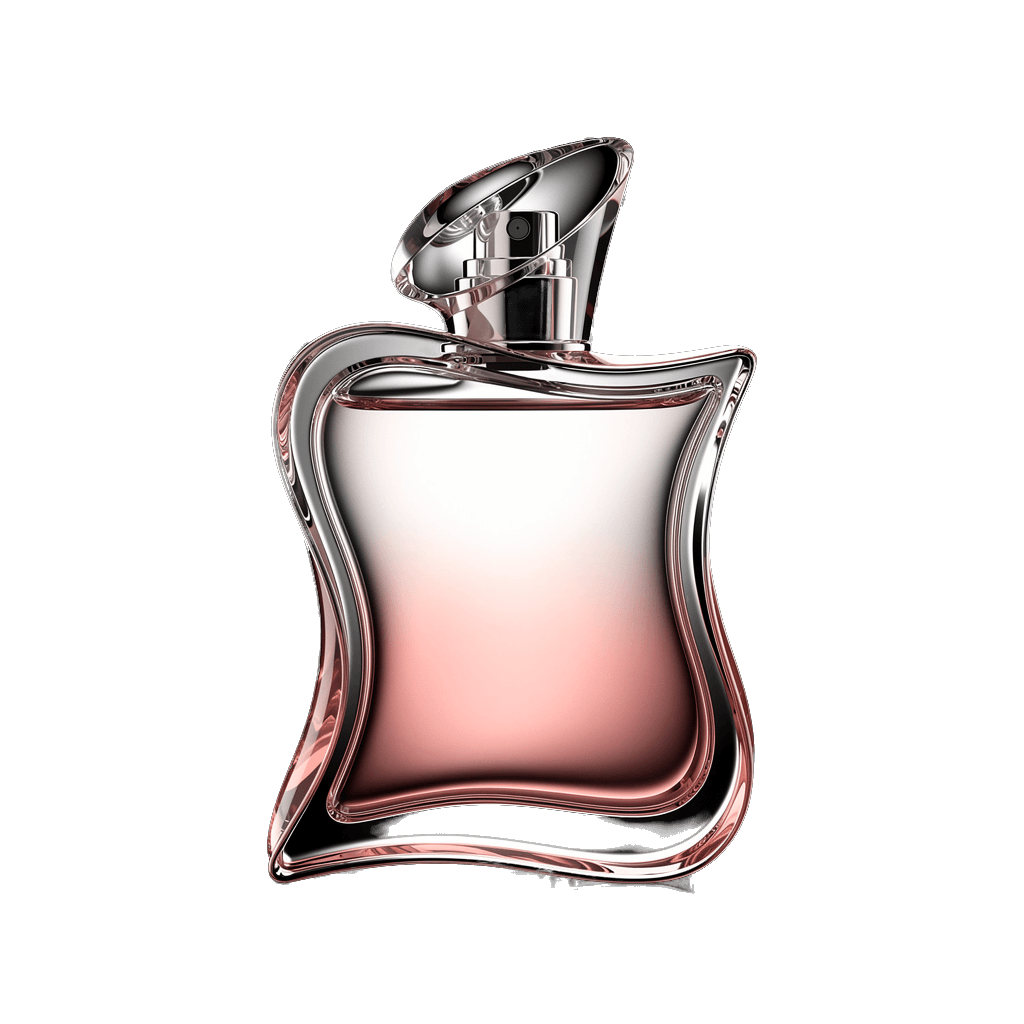
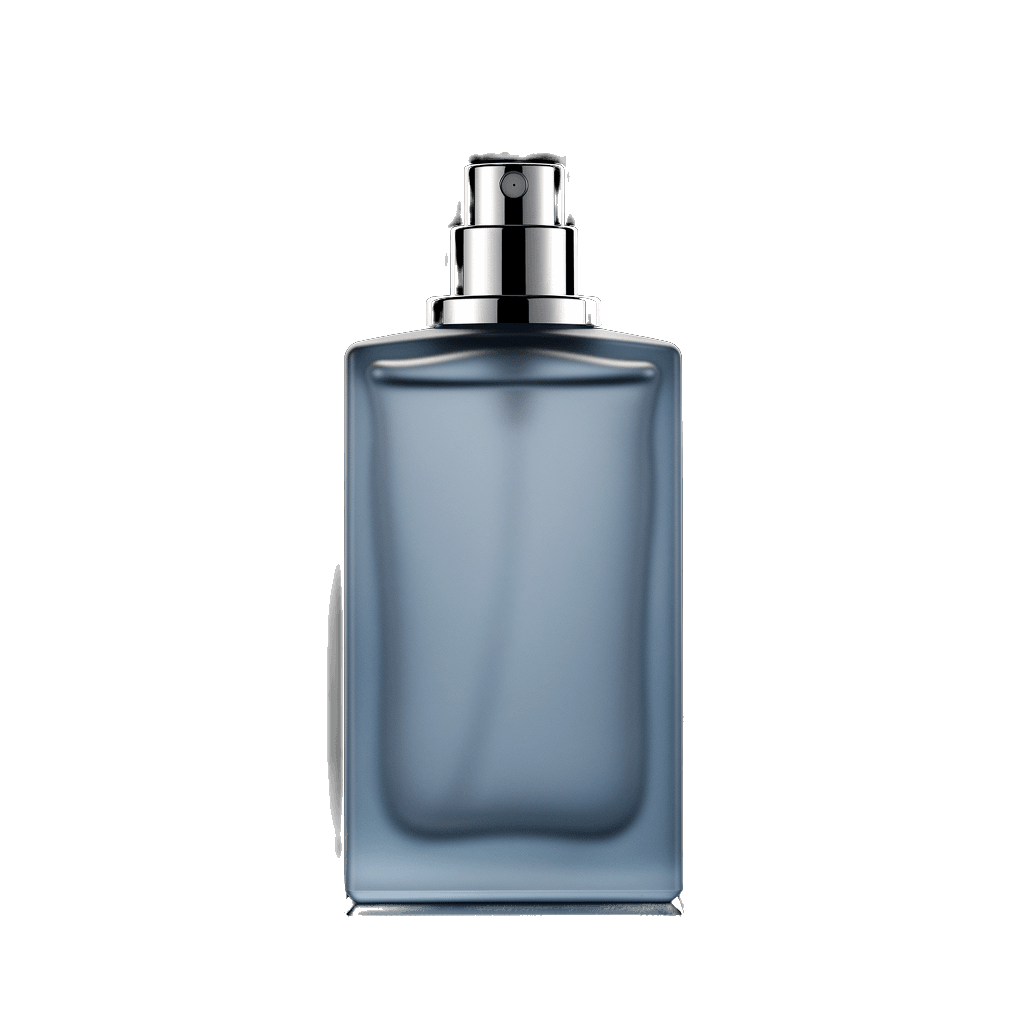
Luxodor’s visual language leans toward understated elegance. Its bottles feature clear glass with minimal embossing, allowing the color of the perfume to become the focal point. Labels use a sans‑serif typeface in black on a white background, accompanied by a thin gold foil strip that signals the product line without overwhelming the design. The brand’s retail packaging includes matte black boxes with a single embossed logo, reinforcing a premium yet approachable image. In promotional photography, Luxodor often pairs its scents with architectural elements such as marble columns or woven textiles, hinting at the cultural inspirations behind names like Ottoman Padishah. The overall aesthetic avoids excessive ornamentation, instead relying on clean lines and restrained typography to convey confidence and clarity.
Philosophy
Luxodor’s creative outlook rests on a balance between tradition and modern market demands. The brand cites Swiss precision as a guiding principle, insisting that each oil meets strict purity standards before it reaches a client. It encourages collaborators to submit briefs that reference cultural motifs, allowing the in‑house perfumers to translate those ideas into scent structures that respect both heritage and contemporary taste. Sustainability appears in the company’s public statements; Luxodor reports that it sources a portion of its natural absolutes from certified farms in Morocco and India, and it conducts regular audits of its supply chain. The firm also emphasizes education, offering technical data sheets and formulation guides to partners so they can make informed decisions about dosage and safety. By positioning itself as a facilitator rather than a sole creator, Luxodor aims to empower smaller brands to launch fragrances without the overhead of large‑scale production facilities.
Key Milestones
2010
Luxodor Parfum registers as a company in Switzerland, marking the brand’s legal foundation.
2012
Luxodor Oils launches, focusing on the production of Swiss‑grade fragrance oils for wholesale clients.
2015
The company opens a regional office in Dubai to serve Middle Eastern markets.
2020
Luxodor releases its first consumer‑facing perfume line, including Silk Roses, Ottoman Padishah and The Bandit.
2023
Luxodor announces a bulk‑supply partnership with manufacturers in Southeast Asia, expanding its sourcing network.
At a Glance
Brand profile snapshot
Origin
Switzerland
Founded
2012
Heritage
14
Years active
Collection
1
Fragrances released
Avg Rating
4.7
Community sentiment