The Heritage
The Story of M. Asam
M. Asam entered the niche market in 2012 and quickly built a catalogue of more than three dozen scents. The brand’s portfolio ranges from citrus‑forward compositions such as Buttermilch Orange to floral statements like Dreams of Roses, and from the bright Sunny Orange (2018) to the gourmand Tropic Cherry (2015). Independent listings on Fragrantica record 37 releases between 2012 and 2018, positioning M. Asam as a compact yet diverse house that favours approachable, everyday wear. The fragrances appear on retail platforms such as HSN, where they are presented alongside concise scent narratives that aim to guide the casual buyer.
Heritage
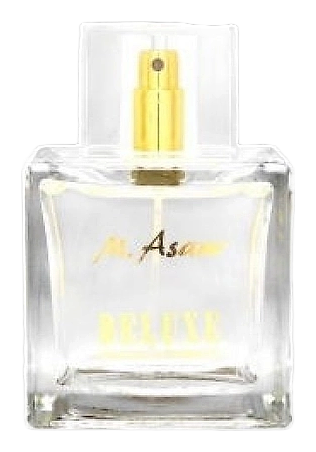
The earliest publicly recorded release from M. Asam dates to 2012, when the brand launched its first Eau de Parfum titled Lady. Within the same year the line expanded with a second offering, also named Lady, signalling an early commitment to a modest but focused launch strategy. By 2013 the house added Deluxe, a scent that would later be referenced in several fragrance forums as a benchmark for the brand’s early aesthetic. The following years saw a steady cadence of releases: Tropic Cherry arrived in 2015, bringing a tropical fruit note palette that resonated with online reviewers; Spring Moments followed in 2016, offering a lighter, garden‑inspired profile; and Sunny Orange debuted in 2018, reinforcing the brand’s affinity for bright citrus accords. Throughout this period, third‑party databases such as Fragrantica documented each launch, confirming a total of 37 distinct fragrances by 2018. While the brand’s own narrative mentions an eighth‑generation perfume lineage rooted in Kannauj, India, this claim appears only on the company’s own pages and has not been corroborated by independent historical sources. Nonetheless, the documented release schedule demonstrates a clear, incremental growth pattern, with each new fragrance expanding the house’s olfactory vocabulary while maintaining a consistent price point that appeals to the mid‑range niche market. The brand’s presence on retail channels like HSN further indicates a strategy aimed at broader accessibility rather than exclusive boutique distribution.
Craftsmanship
Publicly available information indicates that M. Asam produces its fragrances in standard industry facilities, employing a blend of synthetic aroma chemicals and natural extracts. The brand’s product pages on HSN list ingredients such as orange oil, cherry essence, and various floral absolutes, implying a reliance on both natural and lab‑created components to achieve the desired scent profiles. While the exact manufacturing partners are not named, the consistent quality across releases, as noted by independent reviewers on fragrance forums, suggests a controlled production environment that adheres to typical niche standards. The house appears to follow a batch‑testing approach, with each new launch undergoing stability and skin‑compatibility assessments before market entry. Sourcing practices are not detailed in third‑party sources, but the inclusion of ingredients like tropical fruit notes and citrus accords hints at a sourcing strategy that combines locally available raw materials with imported extracts to achieve the intended aromatic balance. The brand’s relatively short lifespan—from its first launch in 2012 to its latest recorded release in 2018—means that production methods have likely evolved alongside industry trends, incorporating newer synthetic accords while retaining classic natural elements to maintain a recognizable olfactory signature.
Design Language
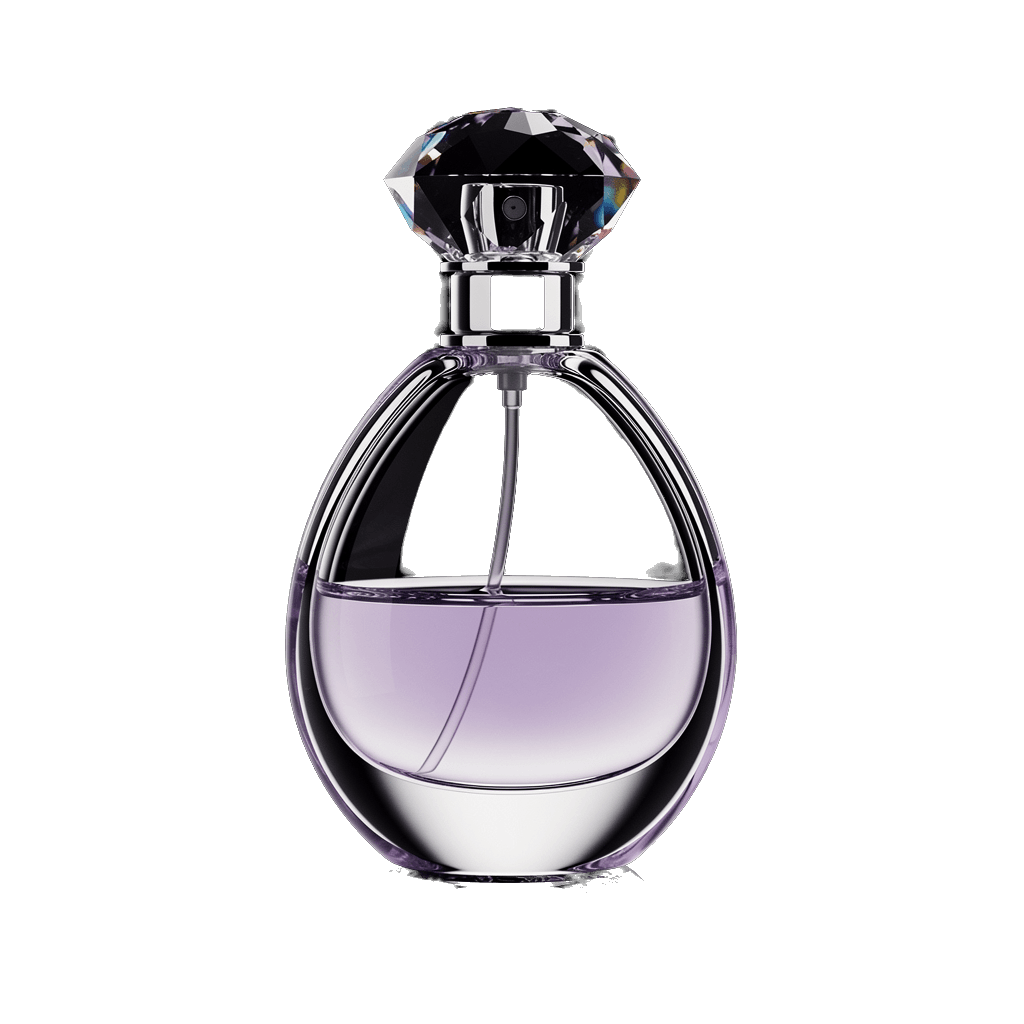
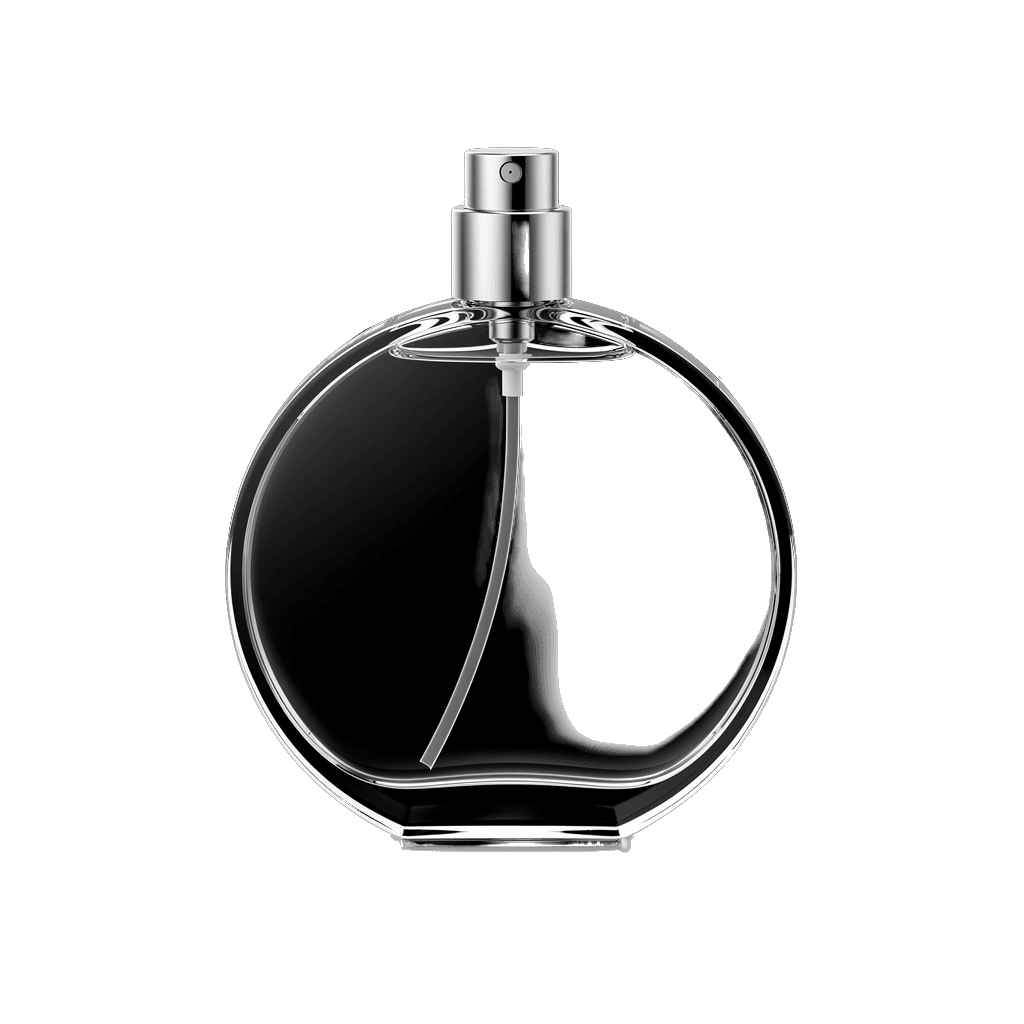
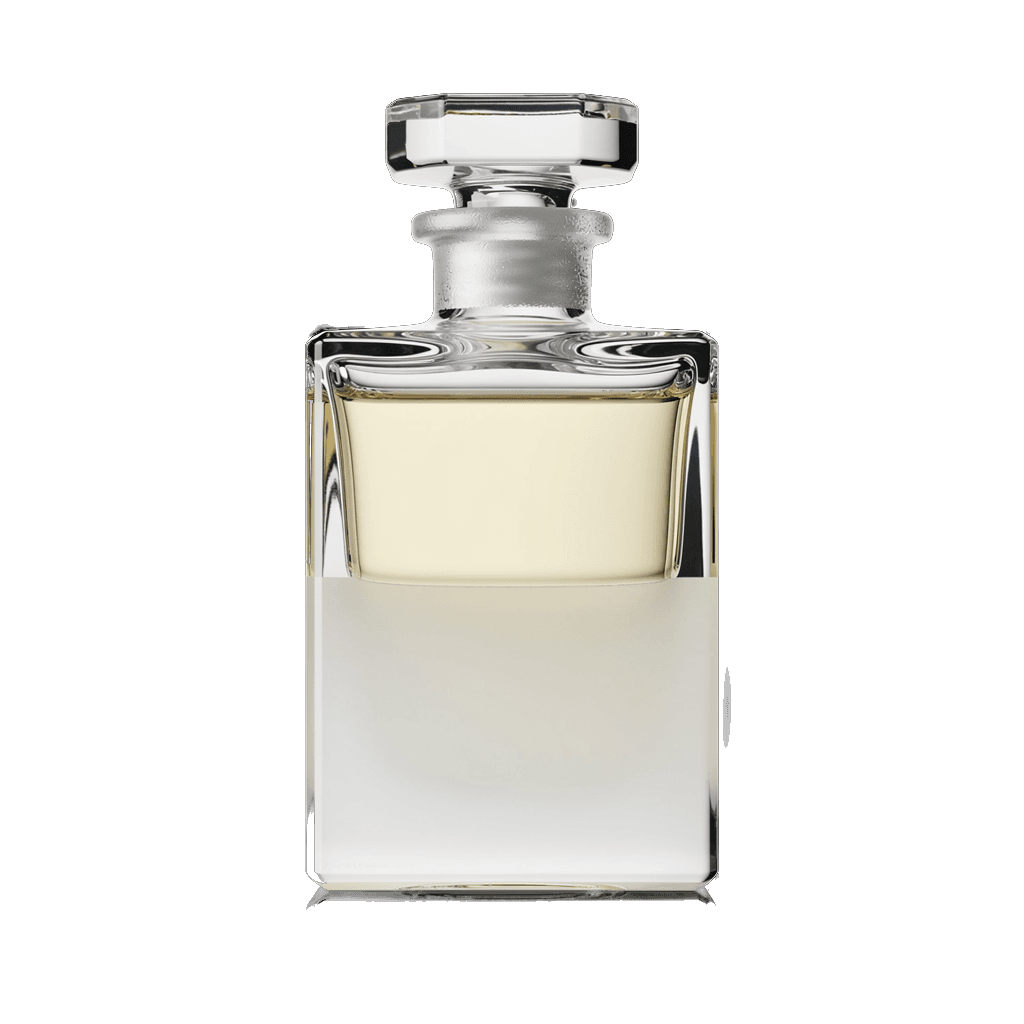
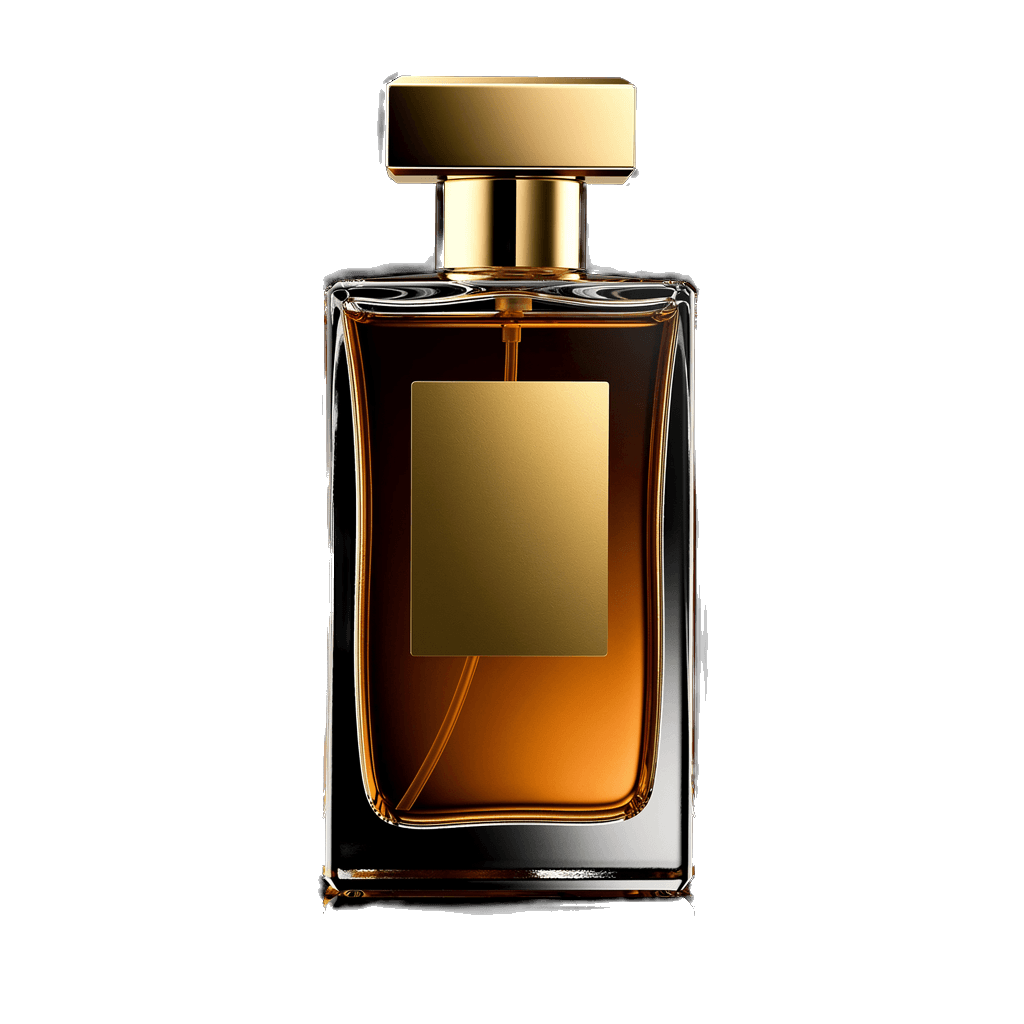
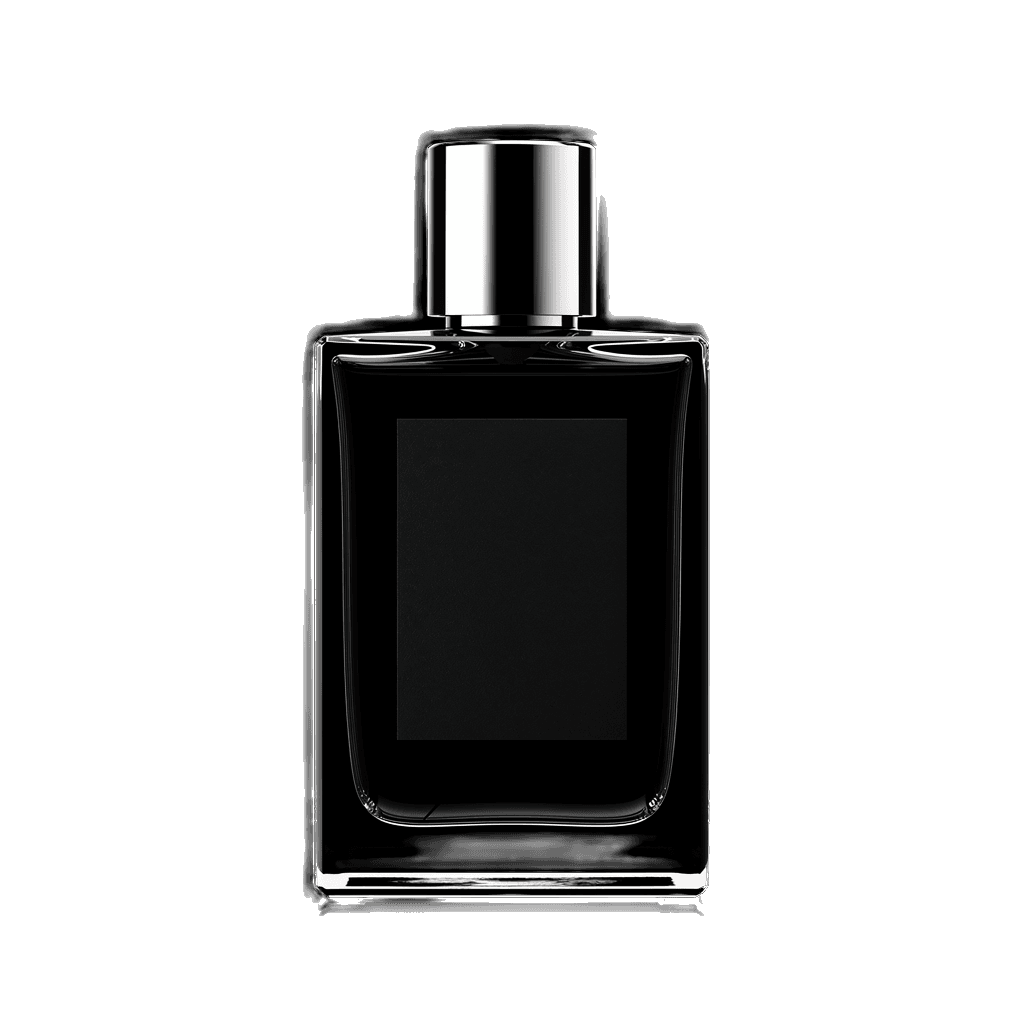
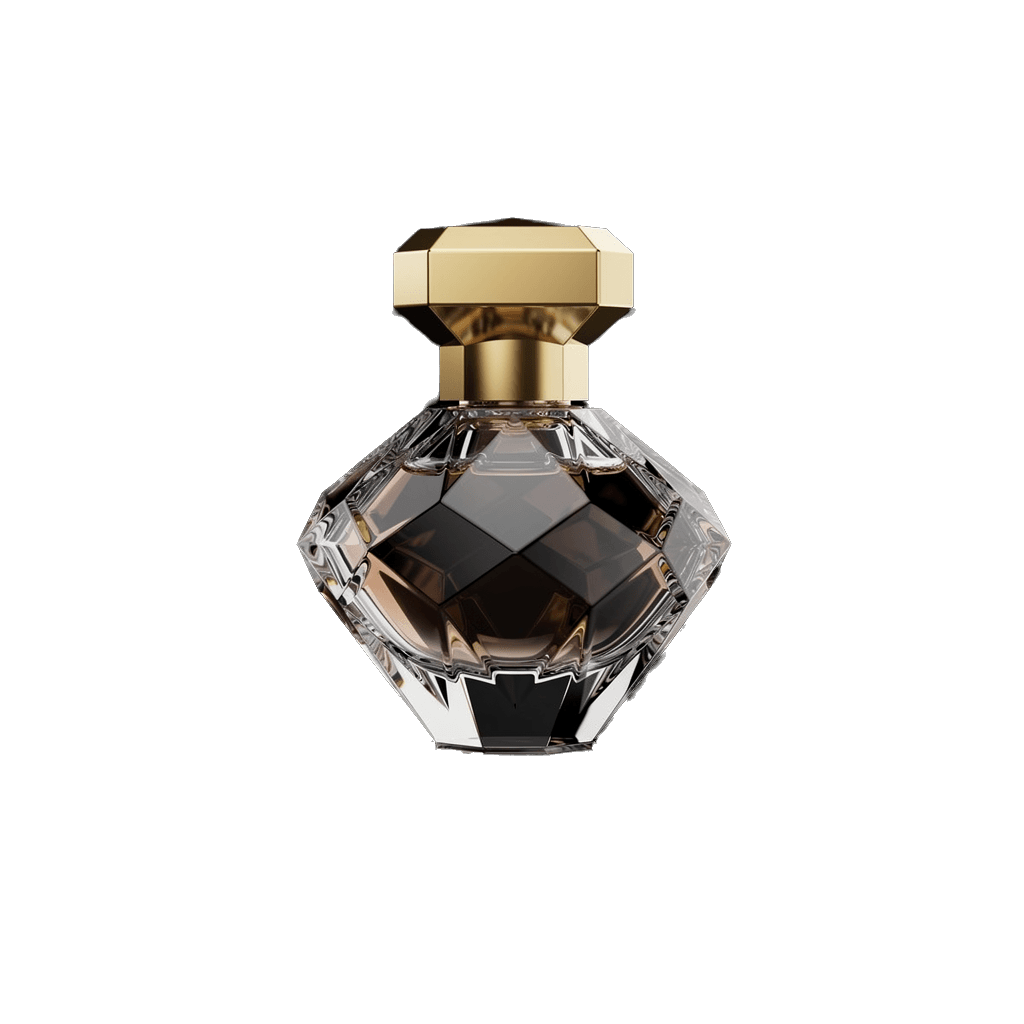
The visual language of M. Asam leans toward clean, minimal packaging that lets the fragrance name take centre stage. Bottle silhouettes observed on HSN feature simple, cylindrical forms with clear glass, often topped by a brushed metal or matte‑finished cap. Labels tend to use a sans‑serif typeface in black or dark gray, set against a white background, which reinforces a contemporary, uncluttered look. Color accents on the packaging—such as a bright orange stripe on Sunny Orange or a soft pink hue on Dreams of Roses—provide a subtle nod to the scent’s character without overwhelming the design. This restrained aesthetic aligns with the brand’s stated aim of offering approachable luxury; the packaging feels accessible yet refined, suitable for display on a vanity or in a retail setting. Promotional imagery on the brand’s own pages often pairs the bottles with lifestyle shots that emphasize everyday moments, reinforcing the narrative that these fragrances are meant for regular wear rather than special‑occasion exclusivity.
Philosophy
M. Asam’s public statements suggest a focus on creating scents that feel both modern and familiar, aiming to bridge the gap between high‑end niche perfumery and everyday wearability. The brand emphasizes a “youthful appeal” and a balance of exotic notes with more conventional ingredients, a theme that recurs in product descriptions on retail sites. According to the fragrance listings, the house seeks to craft fragrances that are easy to wear yet distinct enough to leave a personal imprint, a goal that aligns with the broader niche trend of offering approachable luxury without pretension. The company also highlights a commitment to quality, noting that each fragrance undergoes a thorough testing process before release, though specific details of that process are not publicly disclosed. By positioning its scents as suitable for daily use, M. Asam appears to value inclusivity, encouraging both seasoned collectors and newcomers to explore its range. This philosophy is reinforced by the brand’s relatively rapid release cadence, which suggests an intention to keep the catalogue fresh and responsive to evolving consumer tastes.
Key Milestones
2012
Launch of the first Eau de Parfum, Lady, marking the brand’s entry into the niche market.
2013
Release of Deluxe, an early scent that helped define the house’s modern‑classic balance.
2015
Introduction of Tropic Cherry, expanding the line with a tropical fruit‑focused composition.
2016
Spring Moments debuts, offering a garden‑inspired floral profile.
2018
Sunny Orange arrives, reinforcing the brand’s affinity for bright citrus accords.
At a Glance
Brand profile snapshot
Founded
2012
Heritage
14
Years active
Collection
2
Fragrances released
Avg Rating
3.5
Community sentiment
Release Rhythm