The Heritage
The Story of MAC
M·A·C Cosmetics began as a professional makeup line in Toronto and later expanded into fragrance, offering bold scents that echo its colour‑driven heritage. The brand releases limited‑edition perfumes alongside its core collection, inviting wearers to experiment with scent as they do with pigment. Each fragrance arrives in a sleek bottle that bears the brand’s signature black‑and‑white graphic, reinforcing a look that feels both studio‑crafted and runway‑ready. MAC’s scent portfolio includes the Creations Hue series, the MV line, and stand‑alone releases such as Velvet Teddy, all positioned for people who view fragrance as a personal statement.
Heritage
Frank Angelo opened a small salon in Toronto in the early 1980s. In 1984 he co‑founded the company with Frank Toscan and Frank Notarangelo, naming it Make‑up Art Cosmetics (M·A·C). The trio aimed to supply professional artists with high‑performance colour, and the brand quickly gained traction among makeup technicians in nightclubs and fashion shows. By 1985 the company registered the M·A·C name and began retail distribution across Canada. The brand’s reputation for inclusive shade ranges and bold marketing attracted a cult following, prompting expansion into the United States. In 2003 MAC opened its first U.S. boutique in Greenwich Village, New York, marking a milestone that broadened its cultural reach. The same decade saw the launch of the first fragrance, M·A·C, followed by a series of artistic scents that mirrored the brand’s makeup ethos. In 2005 MAC introduced the Creations Hue line, beginning with Violetrix, a scent paired with a matching violet lipstick. Subsequent releases such as Dejarose (2006), Africanimal (2009), and Velvet Teddy (2016) continued the practice of aligning scent with colour. Throughout its growth, MAC remained privately owned, later becoming part of the Estée Lauder Companies portfolio while retaining its original creative direction. The brand’s history reflects a steady trajectory from a niche salon supply to a global name recognised for both makeup and fragrance innovation.
Craftsmanship
MAC works with established perfumers, often commissioning European fragrance houses to formulate its scents. The development process starts with a brief that links a colour or cultural theme to an olfactory concept. Ingredients are sourced from multiple regions; for example, the Africanimal fragrance incorporates African‑sourced botanicals, while Velvet Teddy blends notes of vanilla and musk from traditional suppliers in the Mediterranean. All raw materials undergo safety testing in accordance with EU Cosmetic Regulation (EC) No 1223/2009 and the U.S. FDA guidelines before they reach the lab. MAC conducts stability tests to ensure that each perfume maintains its character across temperature variations and light exposure. The brand also employs a quality‑control team that reviews each batch for consistency, checking parameters such as concentration, colour, and scent intensity. Bottles are produced in glass factories that meet ISO 9001 standards, and each unit receives a batch code for traceability. MAC’s limited‑edition releases often feature a small production run, allowing tighter oversight of each step from raw material selection to final packaging.
Design Language
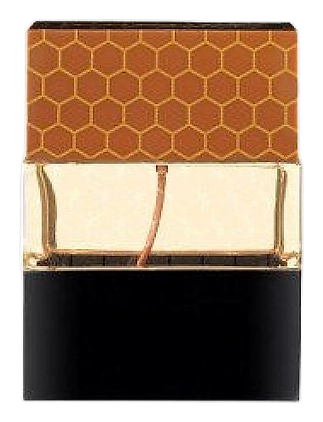
The visual language of MAC fragrance mirrors the brand’s makeup identity: stark black lettering on a white background, punctuated by a splash of colour that references the scent’s associated lipstick shade. Bottles are typically cylindrical, with clean lines and a matte or glossy finish that feels tactile in the hand. The cap often adopts a metallic hue, echoing the metallic accents found in MAC’s makeup packaging. Graphic elements include the iconic M·A·C logo rendered in a sans‑serif typeface, positioned centrally on the label. For the Creations Hue series, the label incorporates a swatch of the matching lipstick, creating a direct visual link between scent and colour. Advertising imagery frequently features models in studio settings, illuminated by soft lighting that highlights both the perfume bottle and the accompanying makeup look. This cohesive aesthetic reinforces the brand’s message that fragrance and colour are interchangeable tools for artistic expression.
Philosophy
MAC frames fragrance as an extension of self‑expression, encouraging wearers to treat scent like a brushstroke on a canvas. The brand’s public statements stress inclusivity, stating that every person should have access to a scent that matches their mood and identity. MAC collaborates with artists, musicians, and cultural figures, allowing those partnerships to inform both the olfactory profile and the visual narrative of each launch. The company emphasizes responsible sourcing, aligning its ingredient choices with ethical standards and environmental considerations. By keeping development cycles agile, MAC can respond quickly to cultural moments, releasing limited editions that capture the spirit of a season or a collaboration. This approach mirrors the brand’s makeup philosophy, where colour and texture serve as tools for personal storytelling rather than prescriptive trends.
Key Milestones
1984
Frank Angelo, Frank Toscan, and Frank Notarangelo founded Make‑up Art Cosmetics in Toronto, Canada.
1985
The company officially launched under the M·A·C name, focusing on professional‑grade makeup.
2003
MAC opened its first United States boutique in Greenwich Village, New York.
2005
The Creations Hue fragrance line debuted with Violetrix, pairing scent with a matching lipstick shade.
2009
Africanimal, a fragrance inspired by African botanicals, entered the Creations Hue series.
2016
Velvet Teddy, a warm vanilla‑spiced scent, launched as part of MAC’s ongoing fragrance portfolio.
At a Glance
Brand profile snapshot
Origin
Canada
Founded
1984
Heritage
42
Years active
Collection
1
Fragrances released
Avg Rating
4.7
Community sentiment
Release Rhythm