
The Heritage
The Story of Marcel Raffy
Marcel Raffy, known today as Parfums Raffy, traces its roots to a small New York shop opened in 1918 by the Franco‑American perfumer Marcel Raffy. Over a century the house has moved across the continent, survived two world wars and a shifting regulatory landscape, and now operates from Sherman Oaks, California. Its catalogue blends vintage scents such as Leda (1925) and Chypre (1930) with contemporary collaborations, offering collectors a window into early 20th‑century perfume culture.
Heritage
The story begins in 1918 when Marcel Raffy, a French‑born chemist who had spent his early career in Paris, opened a perfumery at 156 East 45 Street in Manhattan. Trade listings from the period describe the shop as a "Franco‑American" outlet, reflecting Raffy’s dual heritage. Early catalogues show a practice of listing multiple addresses, including a 6 West 28th Street location, a tactic that allowed the fledgling house to navigate the complex licensing rules of the post‑World‑War I market. During the 1920s the brand released a series of fragrances that bore the year in their titles – Leda (1925), Gardenia Bleu (1928), Melodie (1929) – each marketed with Art Deco‑inspired illustrations that emphasized elegance over extravagance. The 1930 launch of Chypre positioned the house among the early adopters of the chypre family, a style that would become a cornerstone of modern perfumery. The outbreak of World II forced many New York perfume houses to curtail production; Raffy’s archives indicate a temporary pause in new releases, though existing stock continued to be sold to a loyal clientele. After the war, the family relocated to California, drawn by the burgeoning post‑war consumer market on the West Coast. In 1988 the second generation formally incorporated the business as Parfums Raffy in Sherman Oaks, preserving the original name while adapting to a new regional context. Since the 1990s the house has cultivated relationships with independent fragrance designers, most notably the French creator Marc‑Antoine Barrois, whose collection was introduced at the Los Angeles store in 2005. The brand’s archives were digitised in 2020, allowing collectors worldwide to explore its historic bottles through the Silloria platform. Throughout its evolution, Marcel Raffy has remained a family‑run operation, with each generation emphasizing continuity of scent heritage and a measured approach to growth.
Craftsmanship
Production at Marcel Raffy follows a small‑batch model that blends traditional laboratory techniques with modern quality controls. Raw materials are sourced from established European and North African growers; for example, the jasmine used in the 1923 Adam et Eve is harvested from fields in Grasse, France, while the sandalwood in Royal de Raffy originates from sustainable plantations in India. The house maintains a partnership with a certified organic essential‑oil cooperative in Madagascar for its rare ylang‑ylang extracts. Each fragrance is formulated in a temperature‑controlled lab where a senior perfumer oversees the maceration of natural absolutes in ethanol. The process typically spans six to twelve weeks, allowing the volatile compounds to integrate fully. After maceration, the mixture is filtered through stainless‑steel membranes to remove particulates, then transferred to glass containers for aging. The aging period varies by composition; chypre‑type scents receive a longer maturation to develop their characteristic dry‑down. Quality assurance involves gas‑chromatography analysis of each batch to verify the concentration of key aroma compounds. The house also conducts blind panel testing with a rotating group of trained noses, ensuring consistency with the original formula. Bottling occurs on site in Sherman Oaks, where hand‑blown glass vessels are sealed with corks that have been treated to prevent oxidation. Labels are printed on archival‑grade paper using a letterpress process that mirrors the typography of the 1920s catalogues, reinforcing the brand’s historical continuity. The entire workflow is documented in a digital ledger that tracks ingredient provenance, batch numbers, and test results, enabling traceability from field to final product. This systematic approach reflects the house’s commitment to preserving the integrity of classic scents while meeting contemporary standards of safety and sustainability.
Design Language
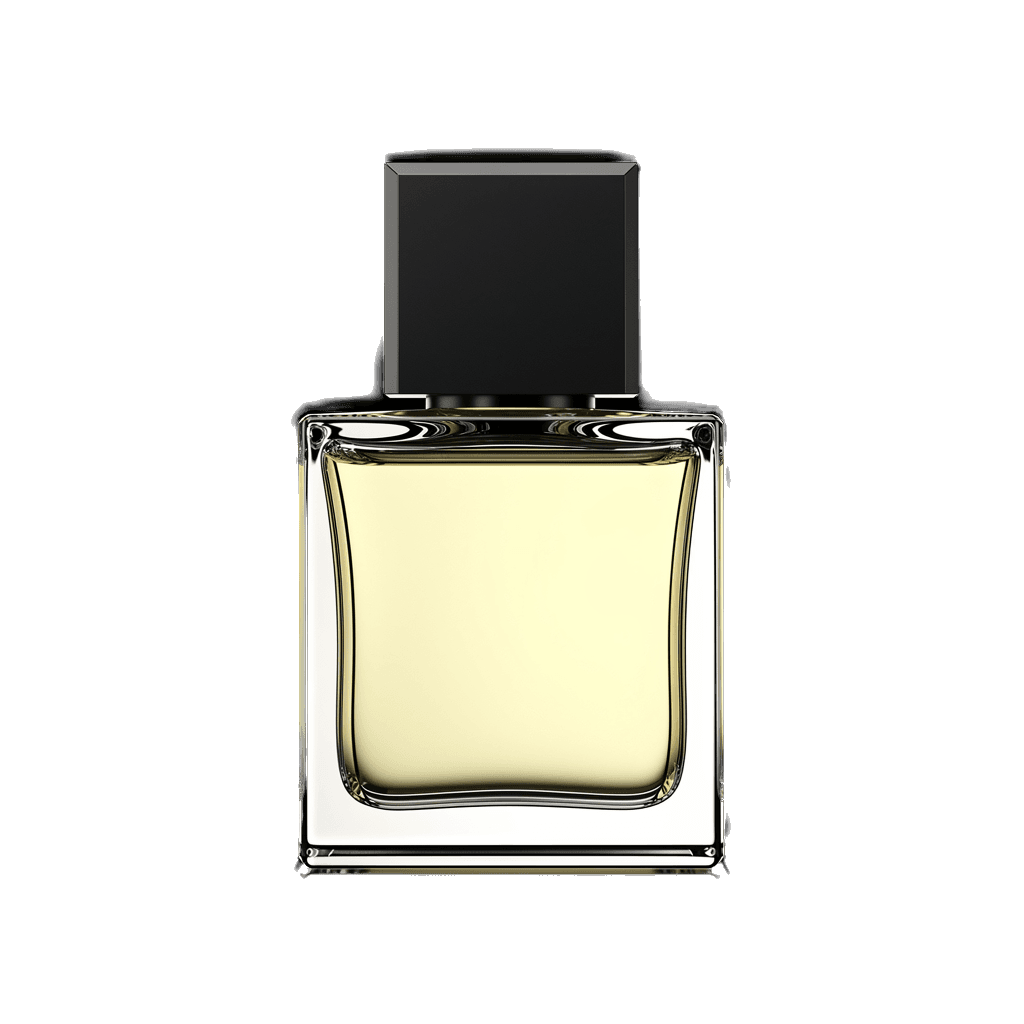
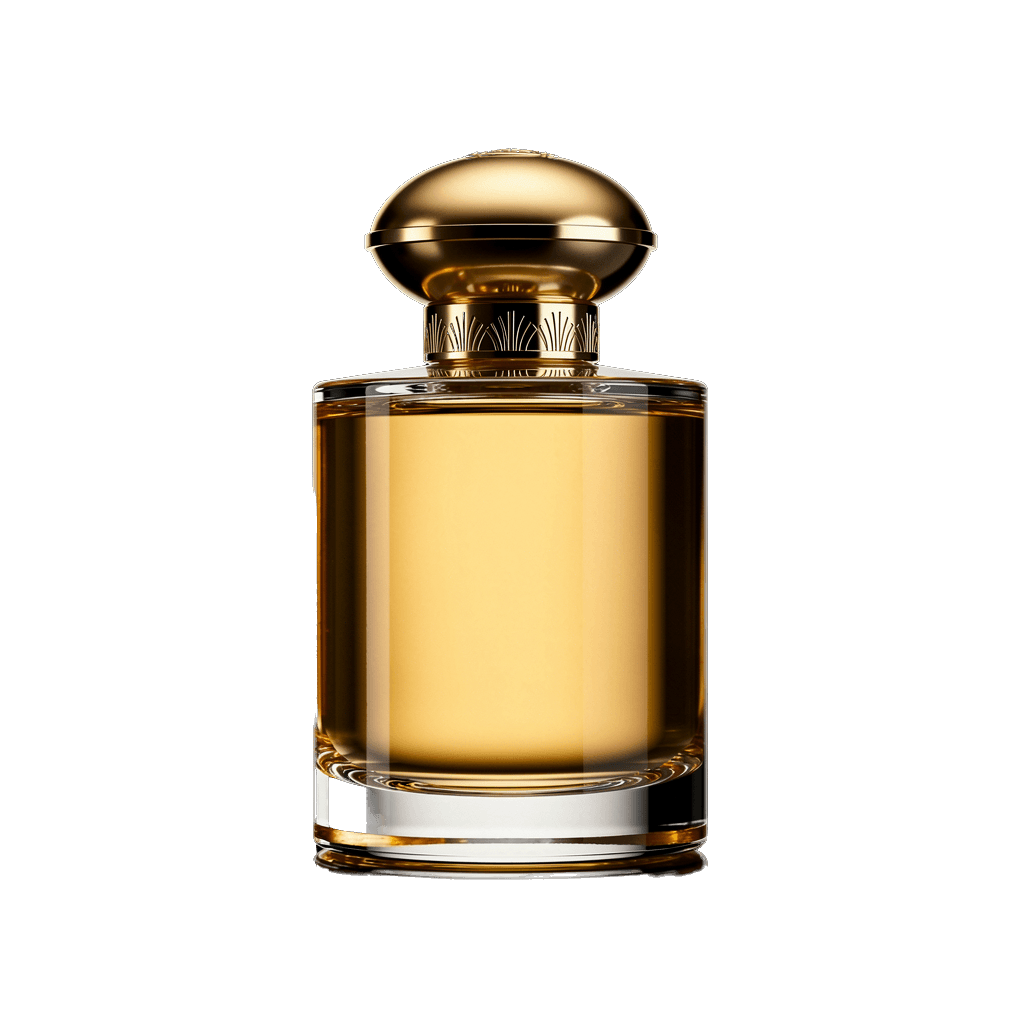
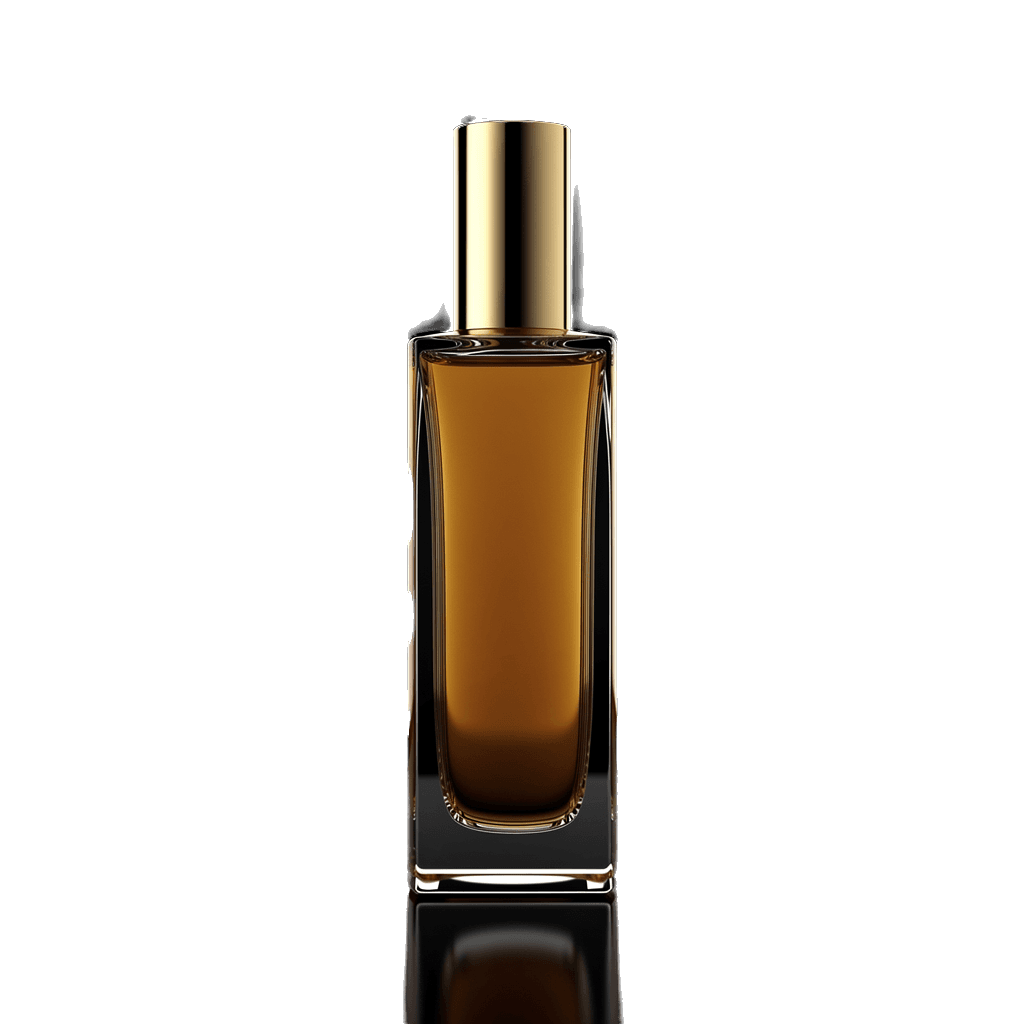
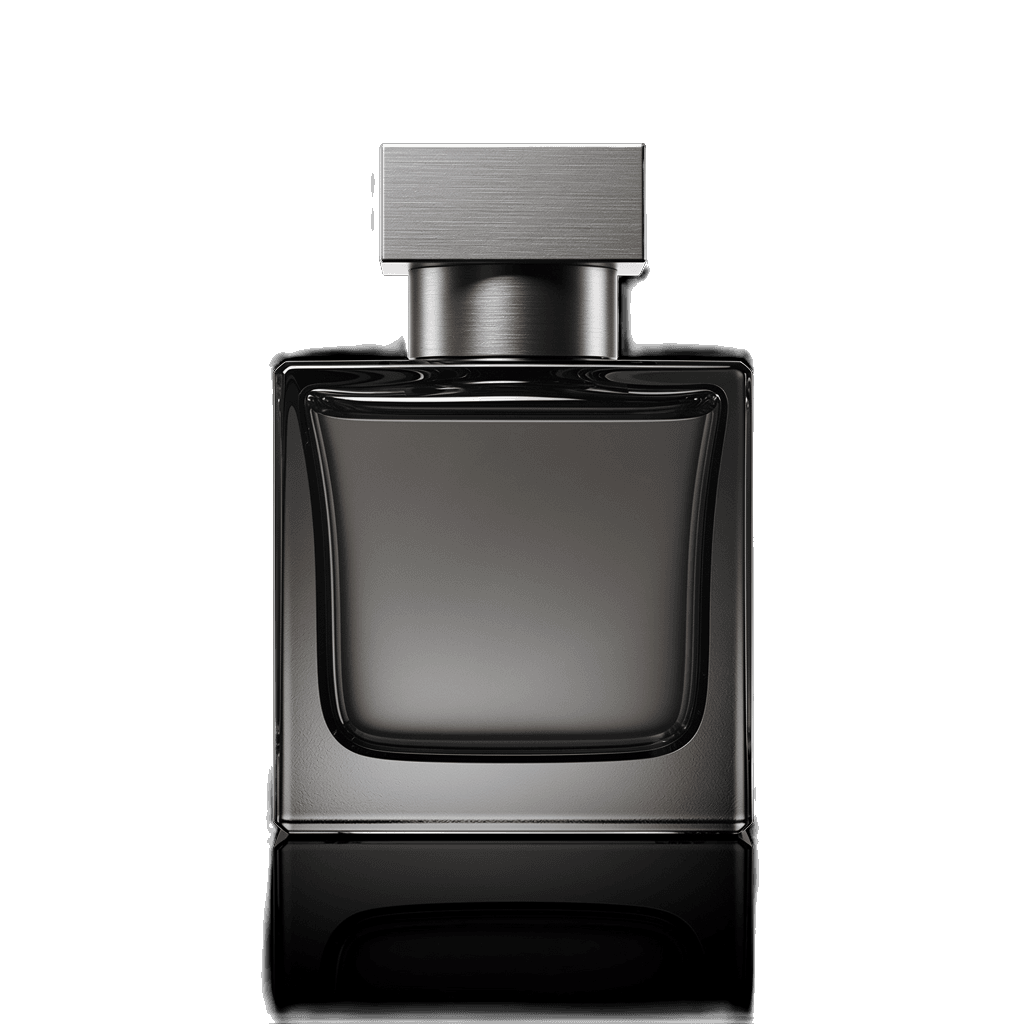
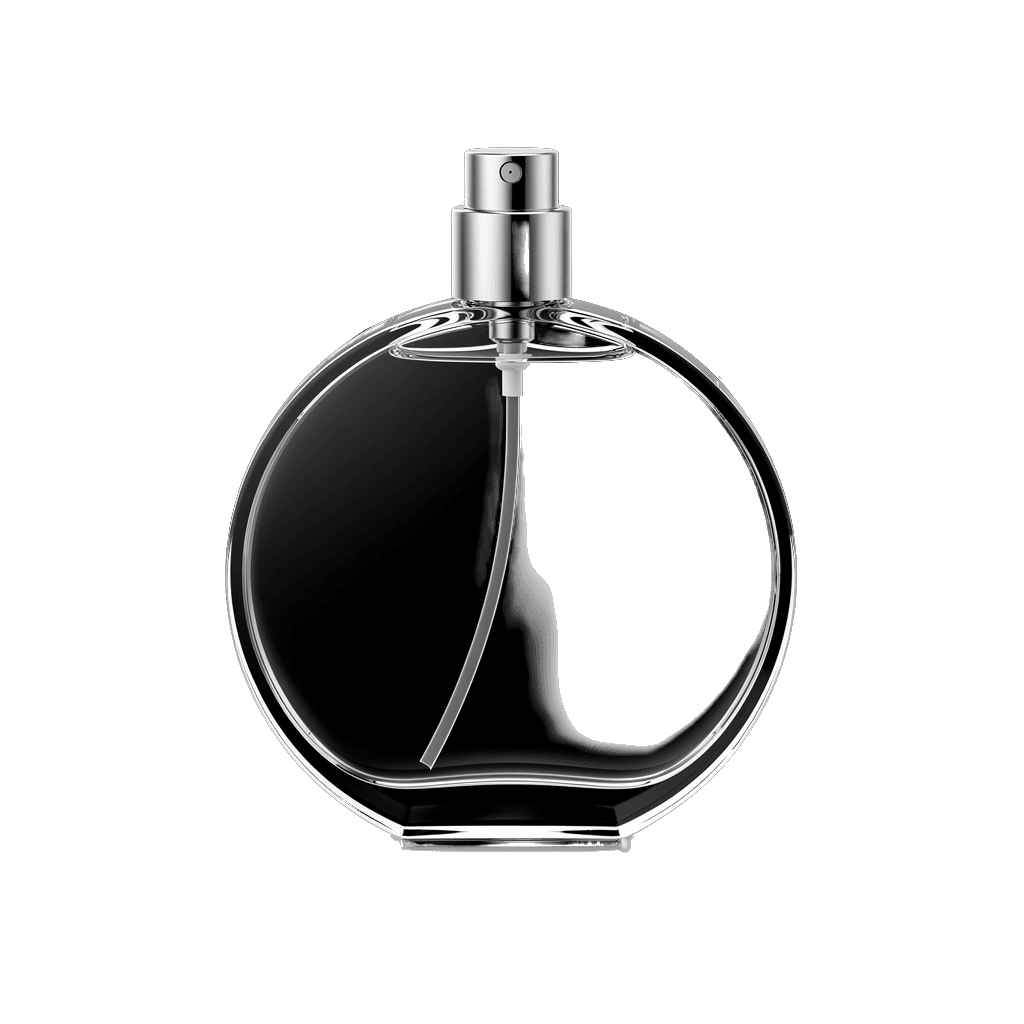
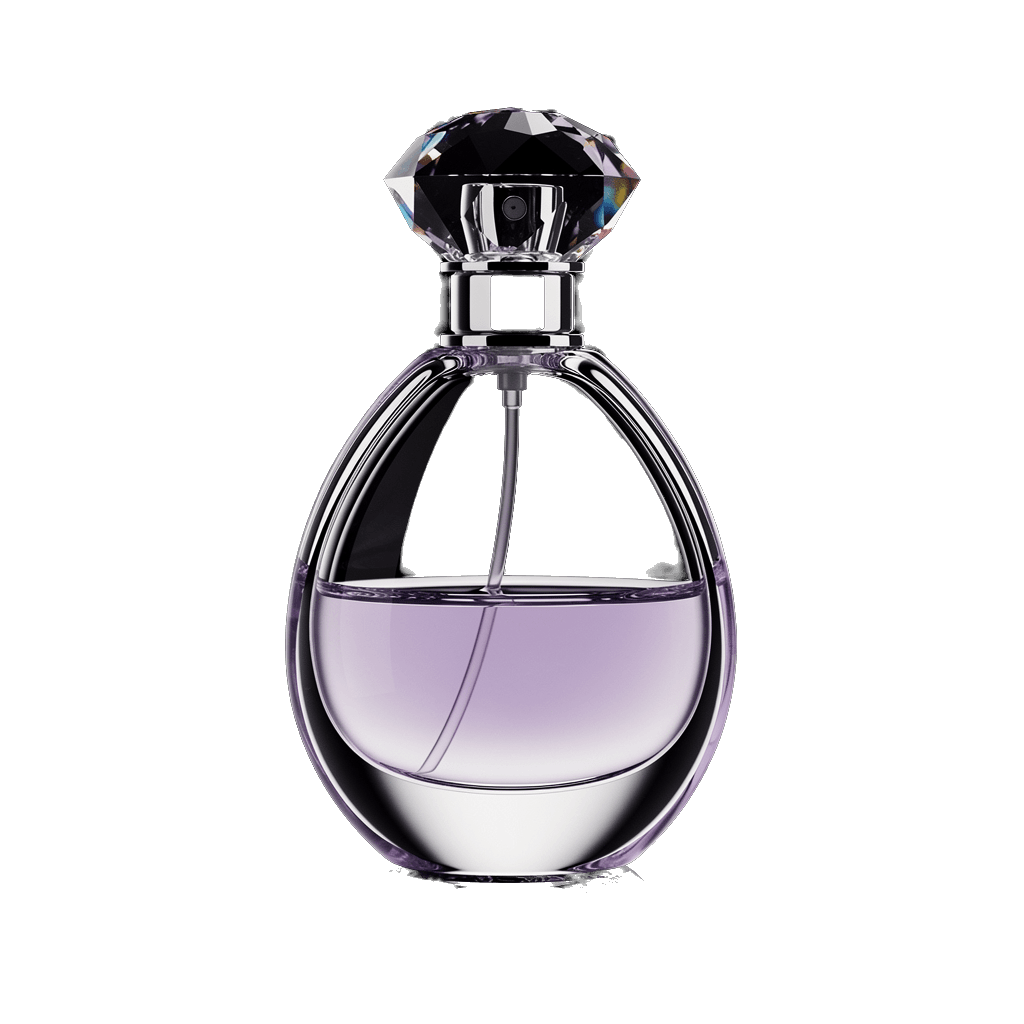
Visually, Marcel Raffy leans into the visual language of the interwar period. Bottles feature clean, cylindrical glass with minimal ornamentation, echoing the functionalist design of the 1920s. The caps are often finished in brushed aluminum or aged brass, providing a tactile contrast to the smooth glass. Labels employ a serif typeface reminiscent of Art Deco newspaper ads, set against a cream‑colored background that allows the perfume name and year to stand out. The brand’s color palette draws from muted earth tones—sage green, deep ochre, and soft ivory—paired with occasional accent colors that reference the fragrance’s key note, such as a muted violet for Gardenia Bleu. In retail spaces, the boutique’s interior showcases reclaimed wood shelving and brass fixtures, creating a setting that feels both historic and welcoming. Packaging for limited editions often includes a vellum‑like insert that details the fragrance’s origin story, printed in a layout that mirrors early 20th‑century trade bulletins. This attention to archival styling extends to the brand’s digital presence, where the website uses a grid layout with generous white space, allowing each scent to be presented without visual clutter. The overall aesthetic aims to convey a sense of timelessness, inviting customers to experience a scent as a piece of history rather than a fleeting trend.
Philosophy
Marcel Raffy frames its work as a dialogue between past and present. The house states that it respects the structural integrity of classic perfume families while allowing contemporary noses to reinterpret them. This outlook is reflected in the way the brand treats its historic formulas: original compositions are preserved, but the house also encourages limited‑edition reinterpretations that respect the original olfactory balance. The family emphasizes transparency in ingredient sourcing, favoring suppliers who can provide traceable botanical extracts and responsibly harvested animal musks. Sustainability is approached as a long‑term stewardship rather than a marketing tagline; the house reports that it has reduced synthetic solvent use in its lab since the early 2000s, opting for greener alternatives where performance permits. Community engagement forms another pillar of the philosophy. The Sherman Oaks boutique hosts quarterly scent workshops that invite local artists and historians to discuss the cultural context of early 20th‑century fragrances. These events reinforce the brand’s belief that perfume is both a personal memory and a cultural artifact. By positioning scent as a bridge between individual experience and collective history, Marcel Raffy aims to cultivate a measured appreciation rather than fleeting trends.
Key Milestones
1918
Marcel Raffy opens the first perfumery at 156 East 45 Street, New York, establishing a Franco‑American fragrance house.
1925
Release of Leda, one of the early signature scents, marketed with Art Deco illustrations.
1930
Launch of Chypre, positioning the house among early adopters of the chypre fragrance family.
1945
Post‑World War II relocation of the family business to Sherman Oaks, California, adapting to the West Coast market.
1988
Incorporation of Parfums Raffy in California, formalising the family‑run operation under the historic name.
2005
Collaboration with French perfumer Marc‑Antoine Barrois, introducing his collection at the Los Angeles boutique.
At a Glance
Brand profile snapshot
Origin
United States
Founded
1918
Heritage
108
Years active
Release Rhythm