

The Heritage
The Story of Maria Candida Gentile
Maria Candida Gentile is an Italian fragrance house rooted in the hills of Sarzana. The brand blends natural ingredients with a poetic narrative, offering perfumes, candles and a bespoke service that invites wearers to pause and listen to the scent of a place. Each creation reflects the founder’s background as a perfumer and mother, and the atelier’s commitment to authenticity over trend. The line includes early releases such as Exultat (2009) and recent offerings like Viridarium (2023), forming a quiet yet confident presence in niche perfumery.
Heritage
Maria Candida Gentile launched her eponymous line in the late 2000s after a career that already included collaborations with established houses. In 2009 she introduced two debut scents, Exultat and Sideris, marking the first public expression of her personal aesthetic. The following year she added Hanbury and Barry Lyndon, expanding the portfolio with both floral and woody narratives. 2012 saw the release of Burlesque and Luberon, fragrances that drew on theatrical and Provençal inspirations respectively. Noir Tropical arrived in 2013, offering a contrast of dark amber and bright citrus that highlighted the brand’s willingness to explore dualities. After a period of steady growth, the house introduced Yazemeenah in 2022, a scent inspired by Middle‑Eastern gardens, and Viridarium in 2023, which used botanical research from an ancient Roman fresco as its blueprint. The most recent addition, Vis (2025), continues the dialogue between history and modernity. Throughout its evolution the maison has remained anchored in its Sarzana atelier, where production stays small‑batch and hands‑on, reinforcing the founder’s belief that scent should be crafted with care rather than mass‑produced. The brand’s trajectory reflects a series of deliberate milestones rather than rapid expansion, positioning it as a steady voice in the niche market.
Craftsmanship
Production takes place in a modest atelier on the outskirts of Sarzana, where Maria Candida Gentile oversees every step from raw material selection to bottling. The house sources botanical extracts from Mediterranean farms that practice organic or low‑intervention agriculture, and it works with small‑scale distillers in France and Italy to preserve the integrity of each note. For Viridarium, the perfumer consulted a Roman fresco, identified the depicted plants, and then traveled to the regions where those species still grow, extracting them in small batches to retain their original character. The brand favors natural essential oils and absolutes, supplementing them with a limited palette of synthetics when they serve a precise compositional purpose. Each fragrance is blended by hand, allowing the perfumer to adjust proportions in real time. After blending, the mixture rests for several weeks, a period the founder calls the “quieting phase,” during which the scent settles and its layers integrate. Quality control includes sensory evaluation by a panel that includes the founder, a chemist, and a longtime customer, ensuring consistency across each limited release. Bottles are filled on a tabletop line, capped, and then hand‑wrapped in recycled paper. The atelier also produces artisanal candles using the same natural essences, applying the same meticulous approach to wax selection and wick placement. This hands‑on methodology reflects the brand’s belief that true craftsmanship emerges from patience, respect for raw materials, and a personal touch at every stage.
Design Language
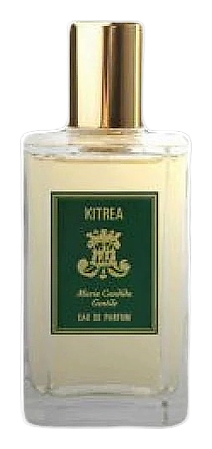
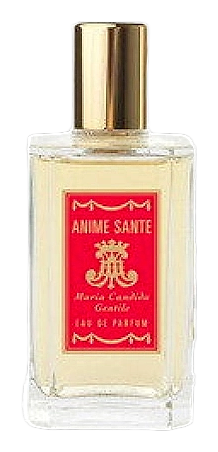
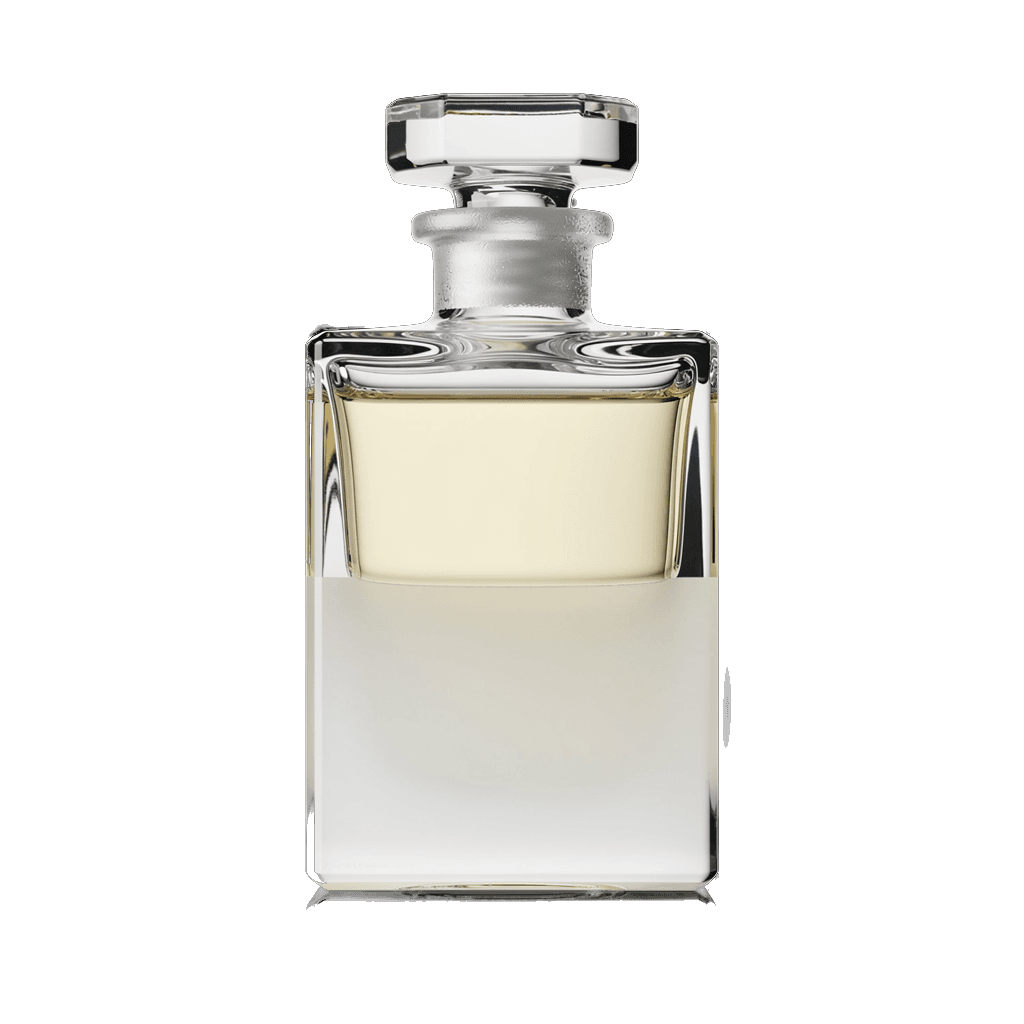
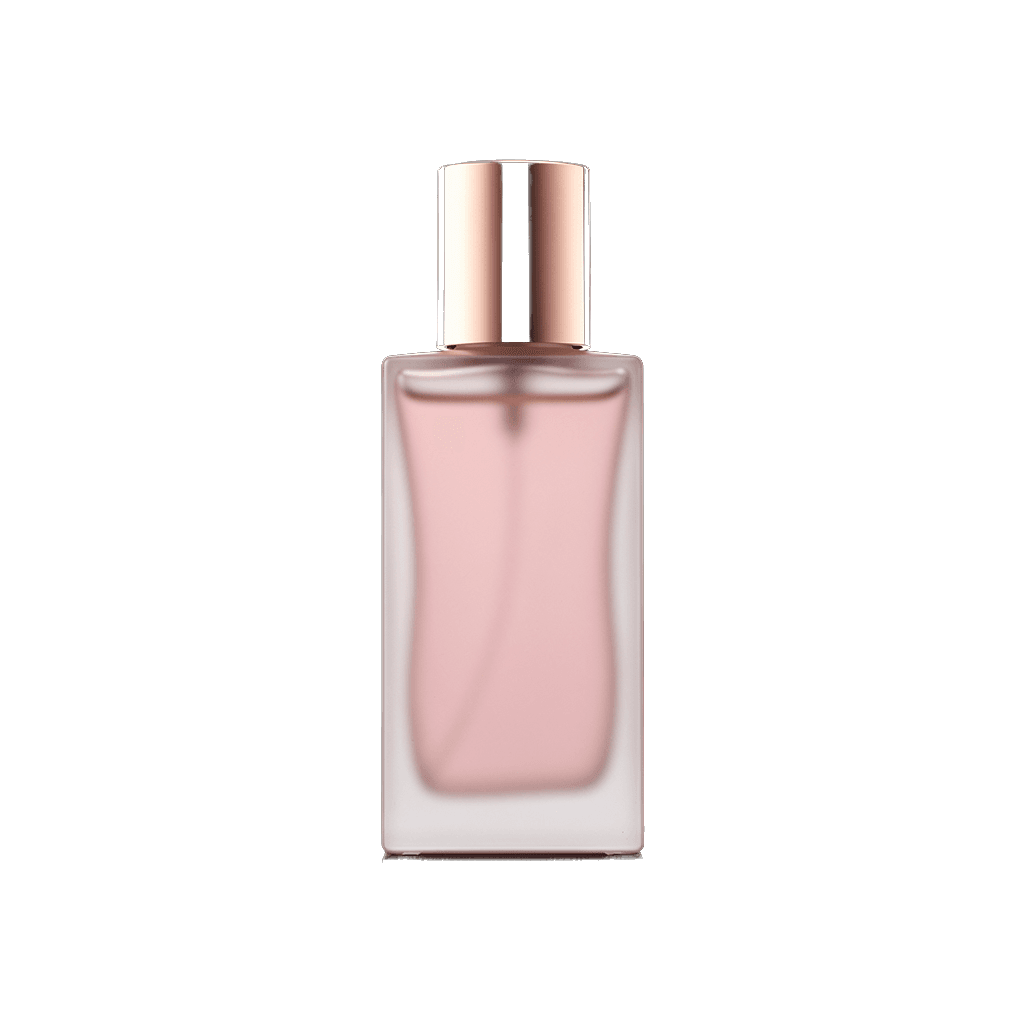
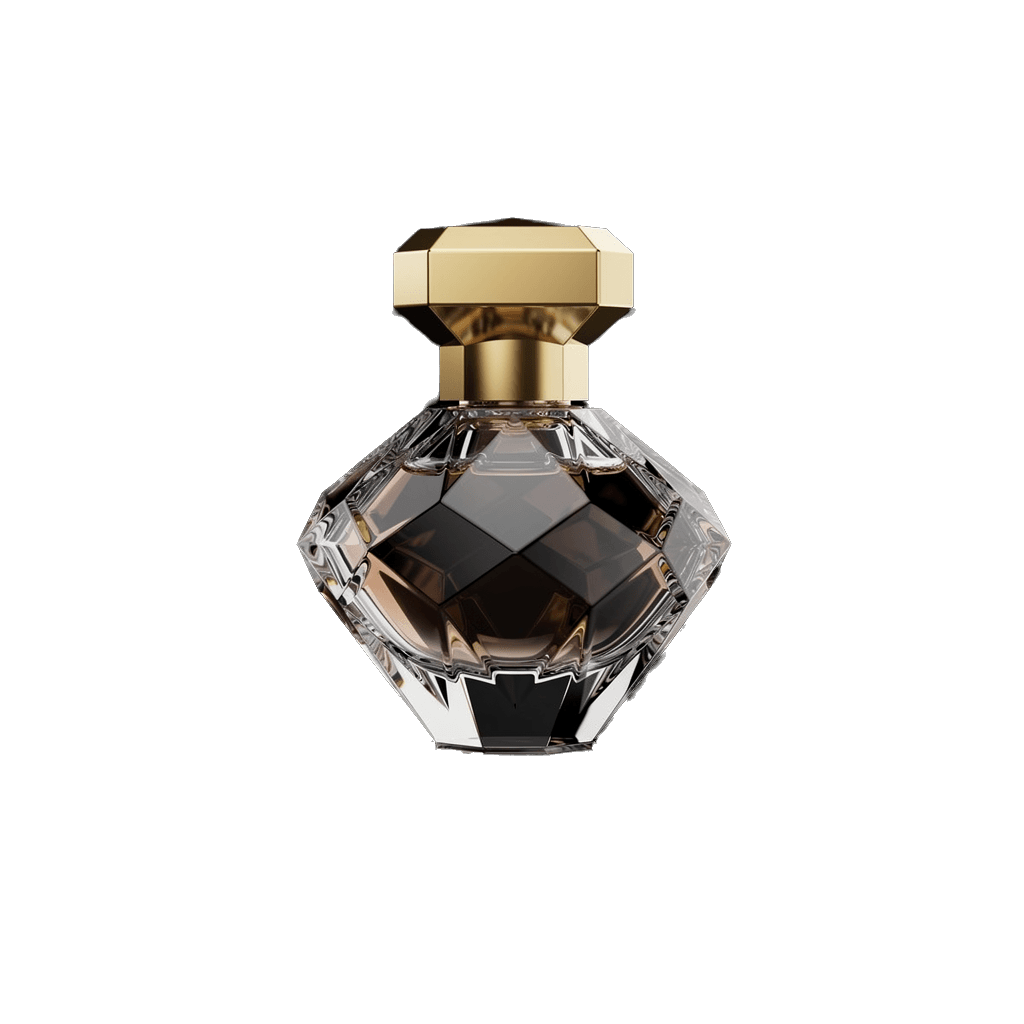
Visually, Maria Candida Gentile adopts a minimalist language that lets the scent speak for itself. Bottles are clear or lightly tinted glass, often capped with brushed metal or matte black lids that convey a quiet elegance. Labels feature simple serif typography on off‑white cardstock, with the fragrance name embossed in gold or silver, echoing the brand’s reverence for classic Italian design. The packaging includes a thin, textured sleeve that hints at the natural inspiration behind each scent – for example, a leaf pattern for Luberon or a marble motif for Noir Tropical. The brand’s visual identity extends to its candles, which appear in slender jars with the same understated labeling, reinforcing a cohesive look across product lines. Marketing imagery favors natural settings – stone walls, garden paths, sun‑lit terraces – rather than staged glamour, aligning with the founder’s emphasis on authenticity. Social media posts often showcase close‑up details of ingredients, the atelier’s workbench, or the surrounding Tuscan landscape, reinforcing the narrative of a scent born from place and process rather than hype.
Philosophy
The maison’s vision centers on creating scents that act as an extension of place rather than a fleeting trend. Maria Candida Gentile describes her work as an act of listening to nature’s rhythms and translating them into olfactory stories. She avoids conjectural formulas, instead grounding each perfume in a concrete reference – a garden, a fresco, a memory. The brand values authenticity, transparency and a personal connection with the wearer. It offers a custom‑made service that lets clients collaborate on a fragrance, reinforcing the idea that scent should be intimate and reflective of individual experience. Sustainability informs ingredient choices; the house prefers natural essences harvested with respect for local ecosystems. This philosophy extends to the atelier’s atmosphere, which the founder portrays as a sanctuary of stillness where each bottle is assembled with intention. By treating perfumery as a dialogue between the natural world and human memory, Maria Candida Gentile positions her creations as quiet companions rather than statements of status.
Key Milestones
2009
Launch of the first two fragrances, Exultat and Sideris, establishing the brand’s presence in niche perfumery.
2010
Introduction of Hanbury and Barry Lyndon, expanding the line with both floral and woody compositions.
2012
Release of Burlesque and Luberon, marking the brand’s exploration of theatrical and Provençal inspirations.
2013
Noir Tropical debuts, showcasing the house’s ability to blend dark amber with bright citrus.
2022
Yazemeenah arrives, drawing on Middle‑Eastern garden motifs and broadening the geographic palette.
2023
Viridarium launches, built from botanical research of an ancient Roman fresco.
At a Glance
Brand profile snapshot
Origin
Italy
Founded
2009
Heritage
17
Years active
Collection
4
Fragrances released
Avg Rating
3.7
Community sentiment
Release Rhythm