The Heritage
The Story of Marks & Spencer
Marks & Spencer offers a curated fragrance portfolio that blends British heritage with contemporary scent trends. The line includes Lyn Harris La Fleur (2012), Per Una Originale Rosa, Lyn Harris Le Cologne (2012), Sea Salt & Amber, Sandalwood & Tobacco, Hello Kitty London (2010), Jasmine and Honeysuckle, Fresh Citrus & Moss, Restful (2024) and Infinite (2018). Each bottle arrives in a clean, understated package that mirrors the retailer’s broader aesthetic of accessible quality. The brand positions its scents as everyday companions, suitable for work, travel and quiet evenings at home.
Heritage
Michael Marks arrived in Leeds in 1884 and secured a stall at Kirkgate Market. He partnered with Thomas Spencer, a railway clerk, and together they opened the first Marks & Spencer shop in 1894. The company moved its head office to London in 1924 and expanded rapidly across the United Kingdom throughout the early twentieth century. In 2000 the retailer introduced its first private‑label fragrance, a modest launch that tested the market for scent‑focused products. By 2010 Marks & Spencer released Hello Kitty London, a playful scent that demonstrated the brand’s willingness to experiment with pop culture references. The 2012 collaboration with perfumer Lyn Harris produced La Fleur and Le Cologne, marking the retailer’s first partnership with a named fragrance creator. In 2018 the line added Infinite, a scent that emphasized sustainable sourcing and modern olfactory structures. The 2024 release of Restful highlighted the brand’s response to post‑pandemic wellness trends, offering a calming blend designed for home environments. Most recently, Marks & Spencer announced a partnership with Estée Lauder Fragrance to broaden its beauty offering, a move confirmed by a press release in 2023. Over more than a century, the retailer has evolved from a market stall to a multinational chain that includes a respected fragrance portfolio, reflecting its long‑standing commitment to quality and value.
Craftsmanship
Marks & Spencer oversees fragrance development from concept to shelf. The brand commissions perfumers to draft initial accords, then conducts internal testing with focus groups drawn from its customer base. Production takes place in licensed European facilities that follow Good Manufacturing Practice guidelines. Ingredients arrive from vetted farms in France, Italy and the United States, where the company audits harvest methods for purity and environmental impact. The retailer favors natural extracts such as sandalwood, amber and citrus, but also incorporates synthetics that enhance stability and longevity. Each batch undergoes quality control checks for scent consistency, concentration accuracy and packaging integrity. The company stores finished products in climate‑controlled warehouses before distributing them to its network of stores and online channels. By maintaining a hands‑on approach, Marks & Spencer ensures that every bottle meets its standards for safety, performance and value.
Design Language
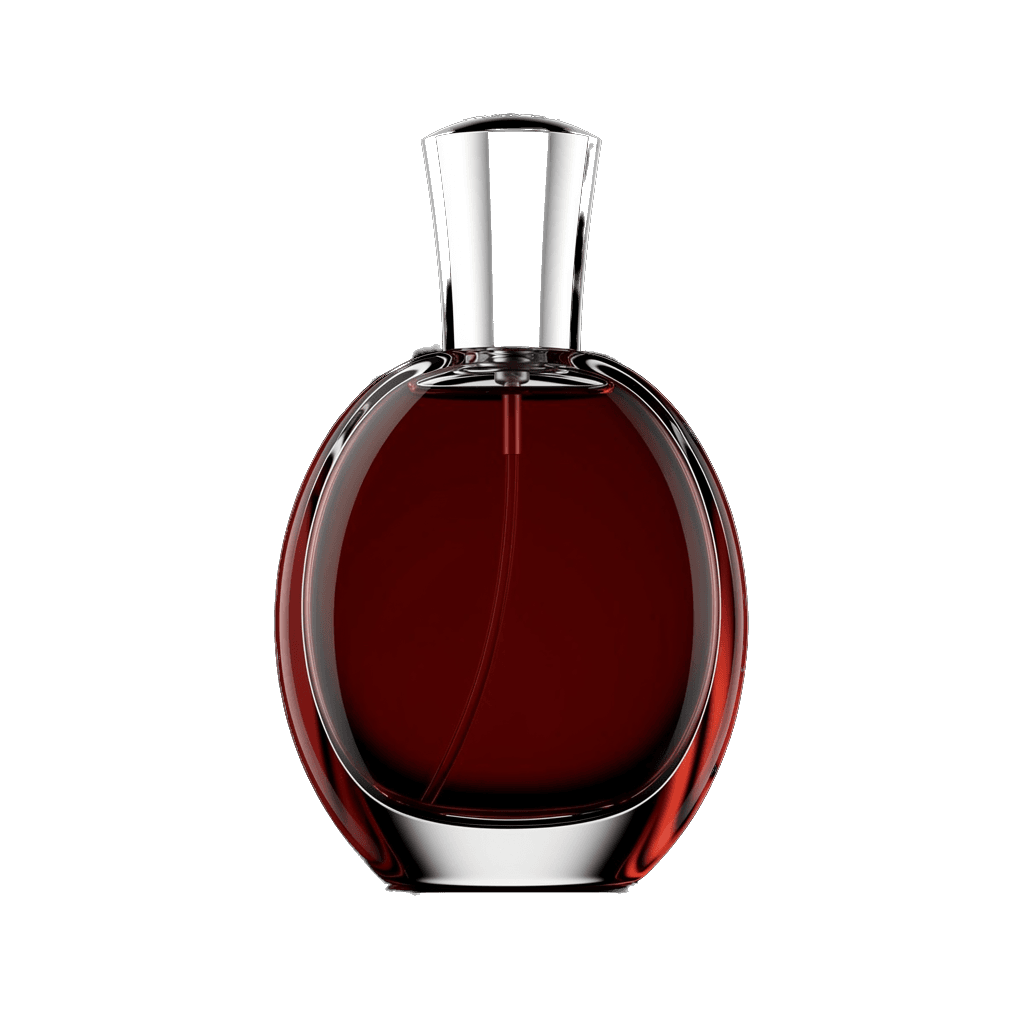
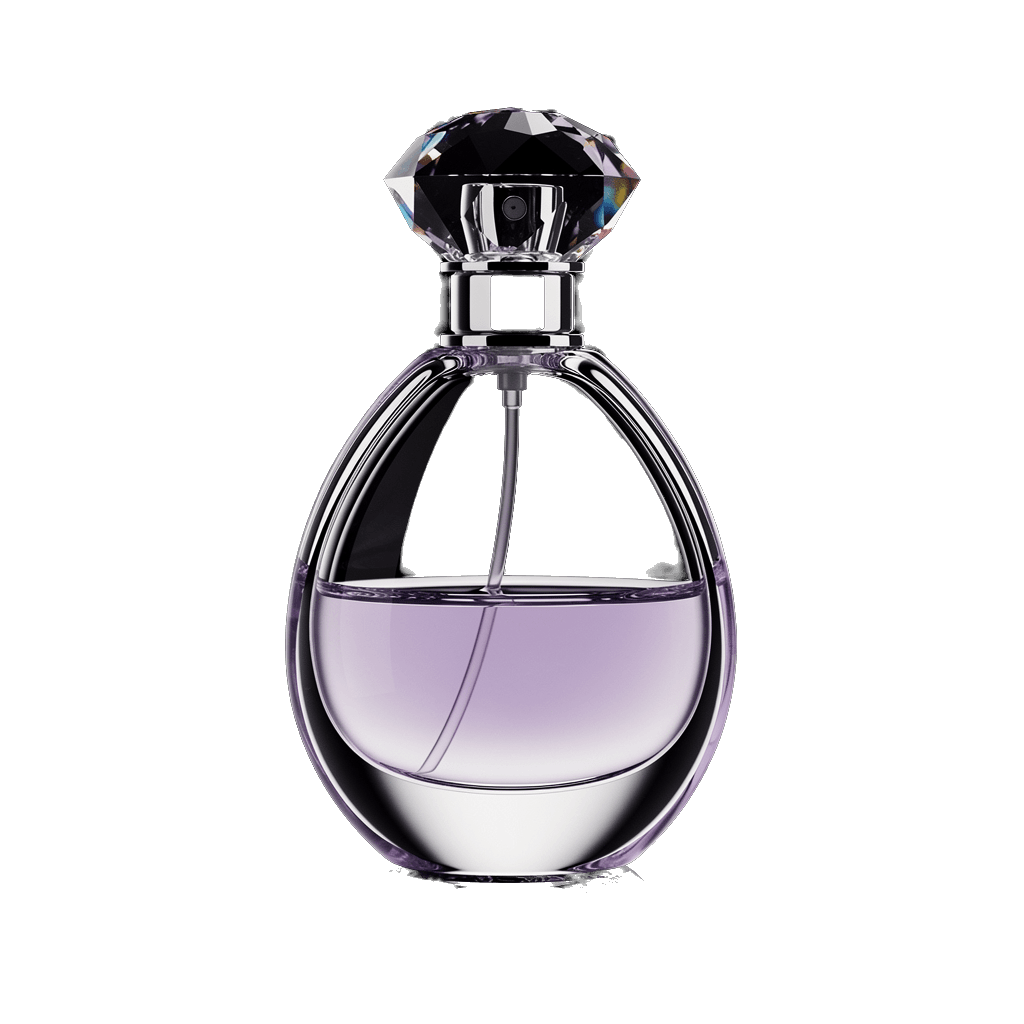
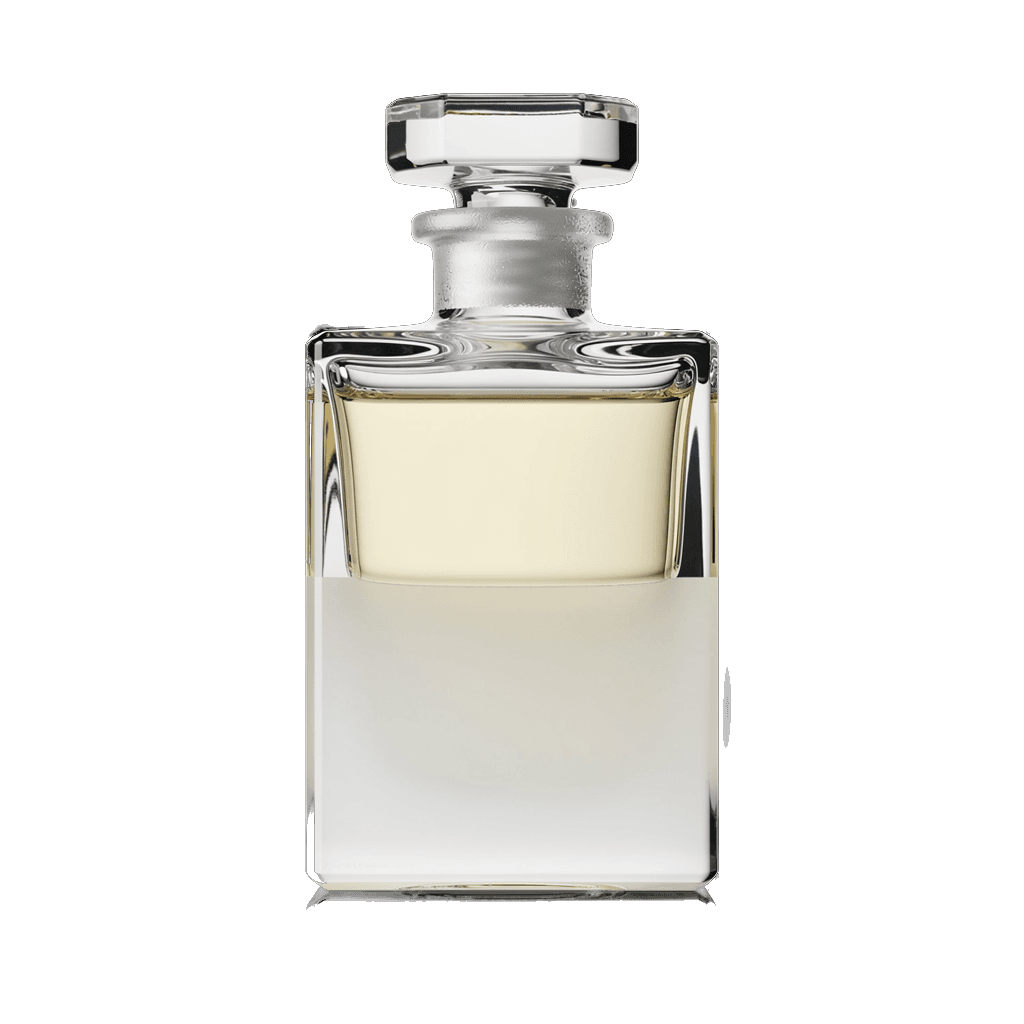
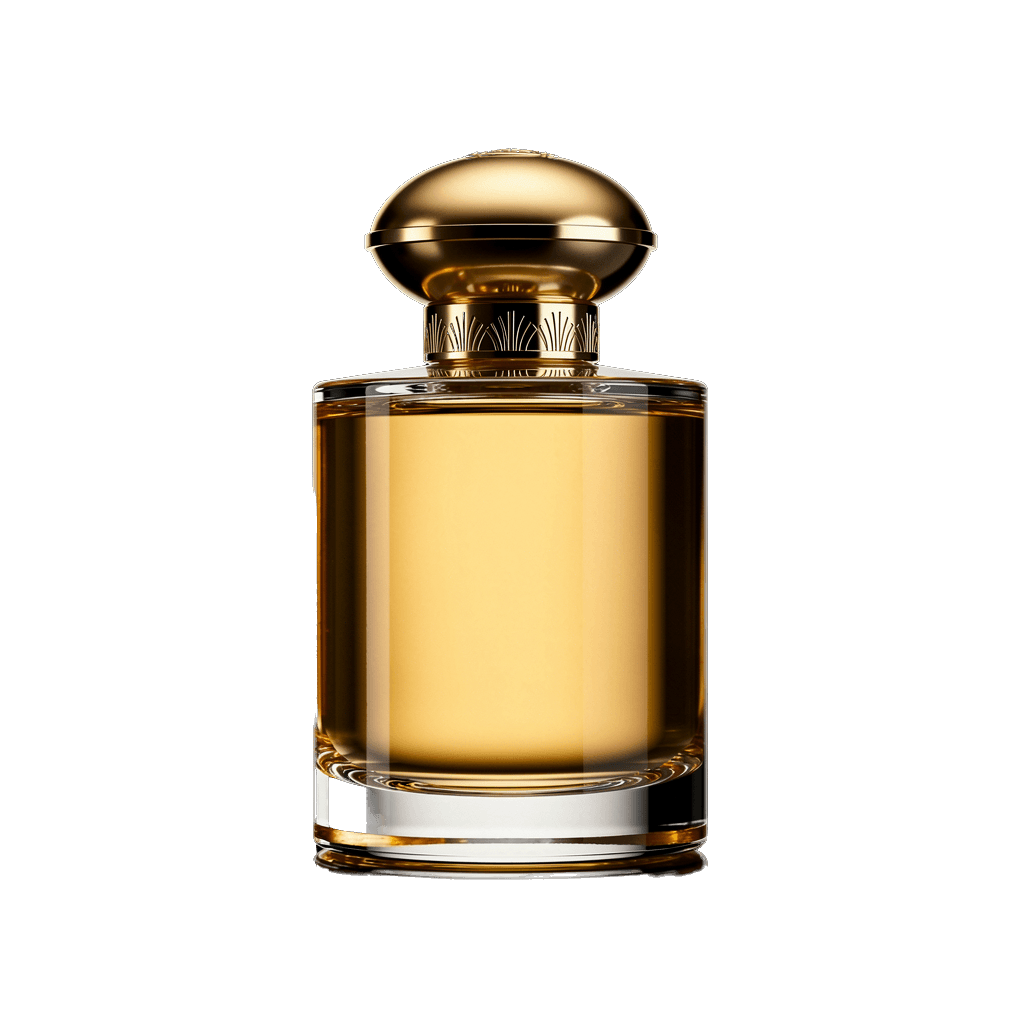
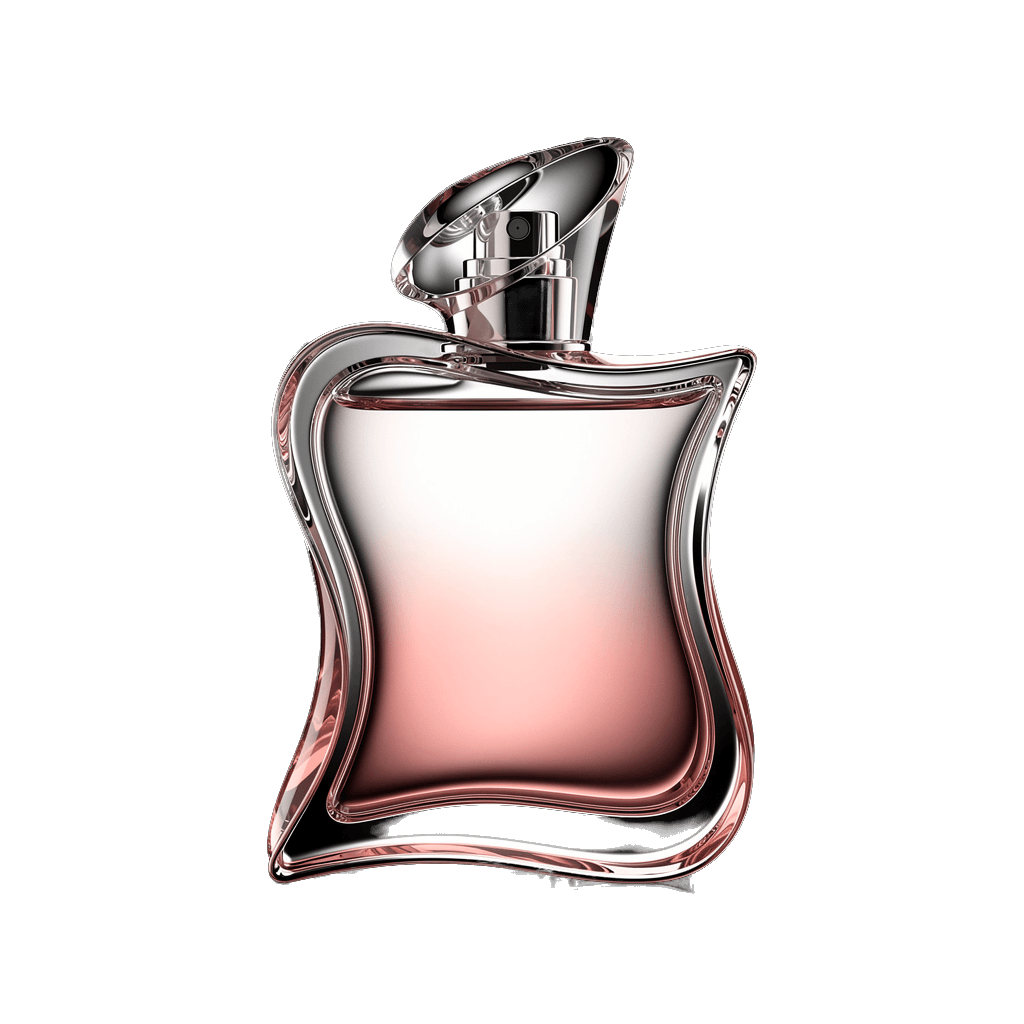
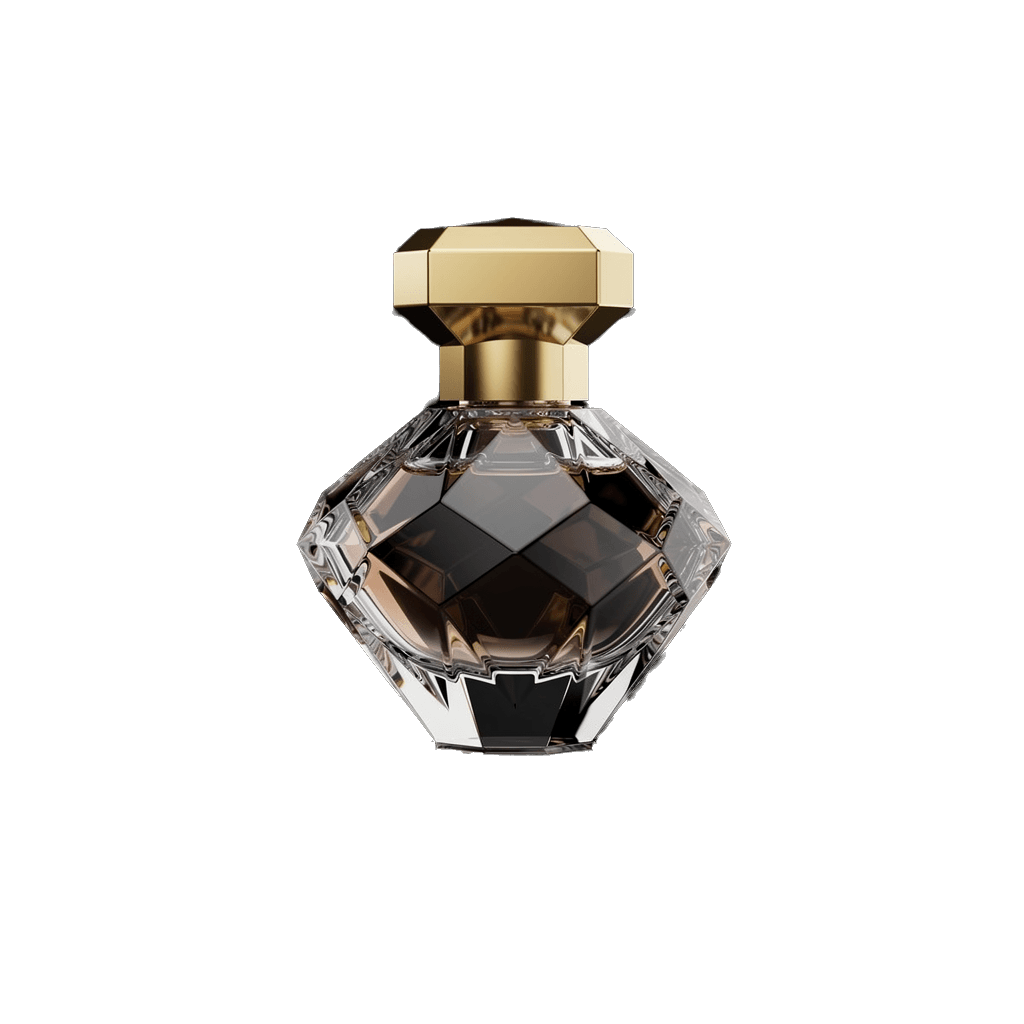
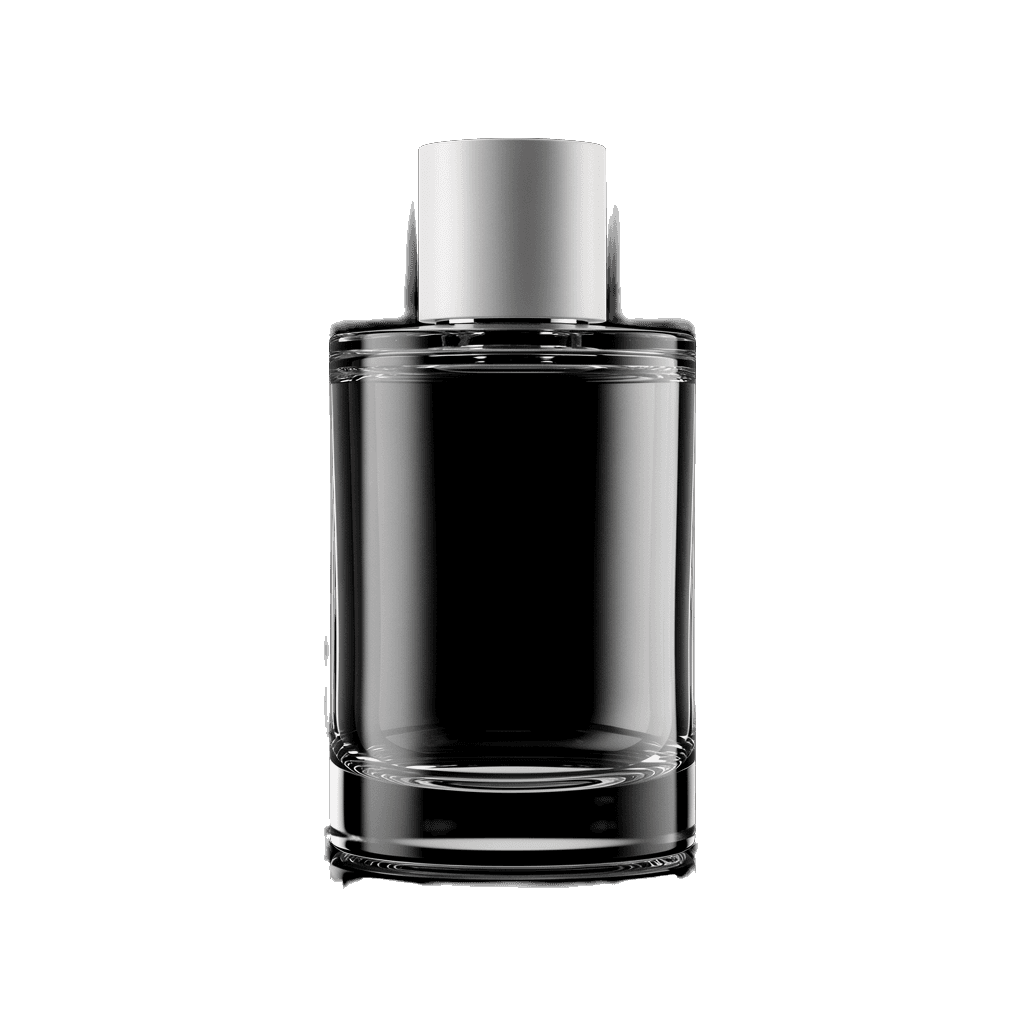
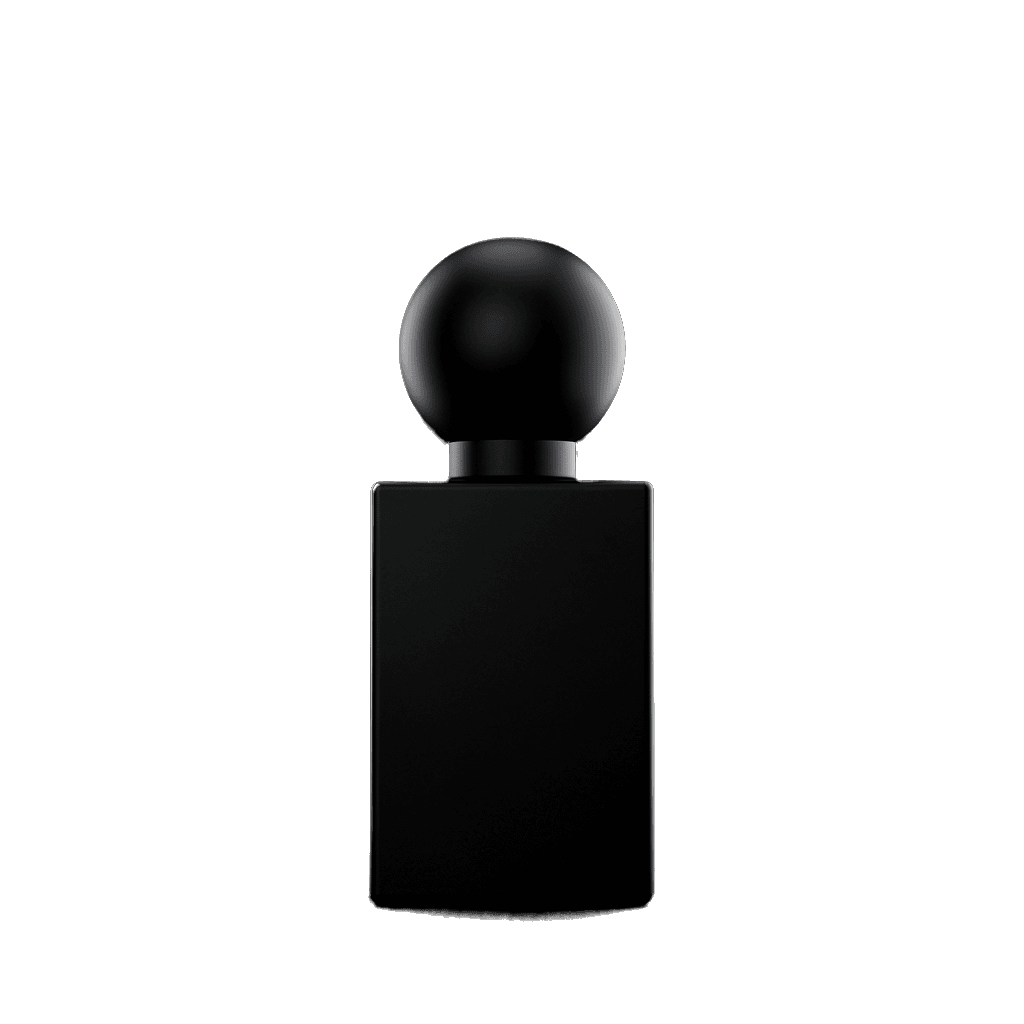
Marks & Spencer presents its fragrances in sleek, rectangular bottles that feature muted colour palettes and simple typography. The label often displays the scent name in a clean sans‑serif font, reinforcing the brand’s minimal‑style identity. Caps are matte‑finished, and the outer packaging uses recyclable cardboard with subtle embossing that hints at the scent’s character. Visual merchandising in stores aligns with the retailer’s broader design language: bright lighting, organized shelving and clear signage guide shoppers toward the fragrance section. Advertising imagery favors natural settings—gardens, coastal cliffs or urban rooftops—paired with models in relaxed poses, underscoring the everyday‑use narrative. The overall aesthetic avoids overt luxury cues, instead opting for an approachable, trustworthy look that resonates with the brand’s wide customer base.
Philosophy
Marks & Spencer treats fragrance as an extension of daily life. The brand believes that scent should enhance routine moments without demanding special occasions. It values transparency, sourcing ingredients that meet UK safety standards and offering clear ingredient lists. The company encourages collaboration with established perfumers, allowing creative expertise to guide scent composition while keeping price points within reach of a broad audience. Sustainability informs its decisions; the brand seeks renewable raw materials and supports suppliers that practice responsible farming. Marks & Spencer also emphasizes inclusivity, designing scents that appeal to diverse age groups and cultural backgrounds. By aligning fragrance with its broader retail ethos, the company aims to provide reliable, pleasant experiences that customers can trust.
Key Milestones
1884
Michael Marks opens a market stall at Kirkgate Market in Leeds
1894
Marks partners with Thomas Spencer and opens the first Marks & Spencer shop
2000
Marks & Spencer launches its first private‑label fragrance
2012
Collaboration with perfumer Lyn Harris yields La Fleur and Le Cologne
2018
Infinite fragrance releases, highlighting sustainable ingredient sourcing
2023
Marks & Spencer announces partnership with Estée Lauder Fragrance
At a Glance
Brand profile snapshot
Origin
United Kingdom
Founded
1884
Heritage
142
Years active
Collection
1
Fragrances released
Avg Rating
3.8
Community sentiment
Release Rhythm