The Heritage
The Story of Massimo Dutti
Massimo Dutti began as a modest menswear shop in Barcelona in 1985 and has grown into a pan‑European lifestyle brand that offers clothing, accessories and a curated line of fragrances. The perfume portfolio, launched in the late 1990s, reflects the brand’s quiet confidence and its focus on timeless style. Recent releases such as Sunset Hues (2024) and Leather Mirage (2024) show a willingness to explore warm woods and modern accords while staying true to an understated aesthetic that appeals to both longtime customers and new fans of refined scent.
Heritage
The company was founded in November 1985 by Armando Lasauca, a Spanish entrepreneur who opened a small menswear boutique in Barcelona. Within a few years the label expanded to include women’s clothing and quickly earned a reputation for classic tailoring with a contemporary edge. In 1991 Inditex, the multinational fashion group behind Zara, acquired Massimo Dutti, providing the capital and distribution network that enabled rapid international growth. By the early 2000s the brand operated stores across Spain, Portugal and France, and later entered markets in Latin America and Asia. The first fragrance, Massimo Dutti Woman, appeared in 1997 and was developed in partnership with established perfume houses, marking the brand’s entry into the scented market. Over the next decade the house released a series of limited‑edition scents, each tied to a seasonal theme or a specific material, such as the 2021 Red Evening and the 2022 Amber Attar. In 2024 the brand introduced a cluster of new fragrances – Sunset Hues, Suede at Dawn, and 1985 Fresh Eau de Parfum – that reference both the brand’s founding year and its evolving olfactory narrative. The following year saw the launch of Leather Mirage and Kashbah Elixir, further expanding the collection with leather‑rich and aromatic compositions. Today Massimo Dutti maintains a network of more than 643 stores in over 78 markets, and its fragrance line continues to be sold alongside its apparel, reinforcing the brand’s integrated approach to lifestyle design.
Craftsmanship
The perfume creation process at Massimo Dutti blends in‑house direction with the expertise of established fragrance houses such as Givaudan, whose historic role in European perfumery provides a technical foundation for many of the brand’s releases. Formulations are built around a core of high‑quality natural extracts – for example, the amber accord in Amber Attar (2022) combines labdanum, benzoin and a touch of sustainably sourced ambergris substitute – and modern synthetics that ensure stability and projection. Ingredient sourcing follows a traceability protocol; suppliers must meet criteria for ethical labor practices and environmental stewardship. Once a brief is approved, perfumers develop multiple drafts, which undergo sensory evaluation by a panel that includes brand designers and retail staff. Stability testing is performed under varied temperature and humidity conditions to guarantee consistent performance across markets. Bottles are filled in facilities that adhere to ISO 9001 quality standards, and each batch is batch‑tested for concentration and aroma fidelity before release. The brand also invests in limited‑edition packaging runs that use recycled glass and biodegradable caps, aligning the tactile experience with its sustainability goals.
Design Language
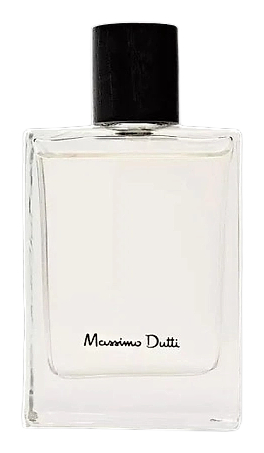
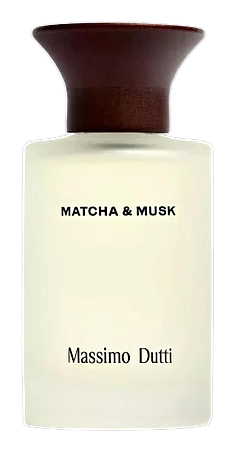
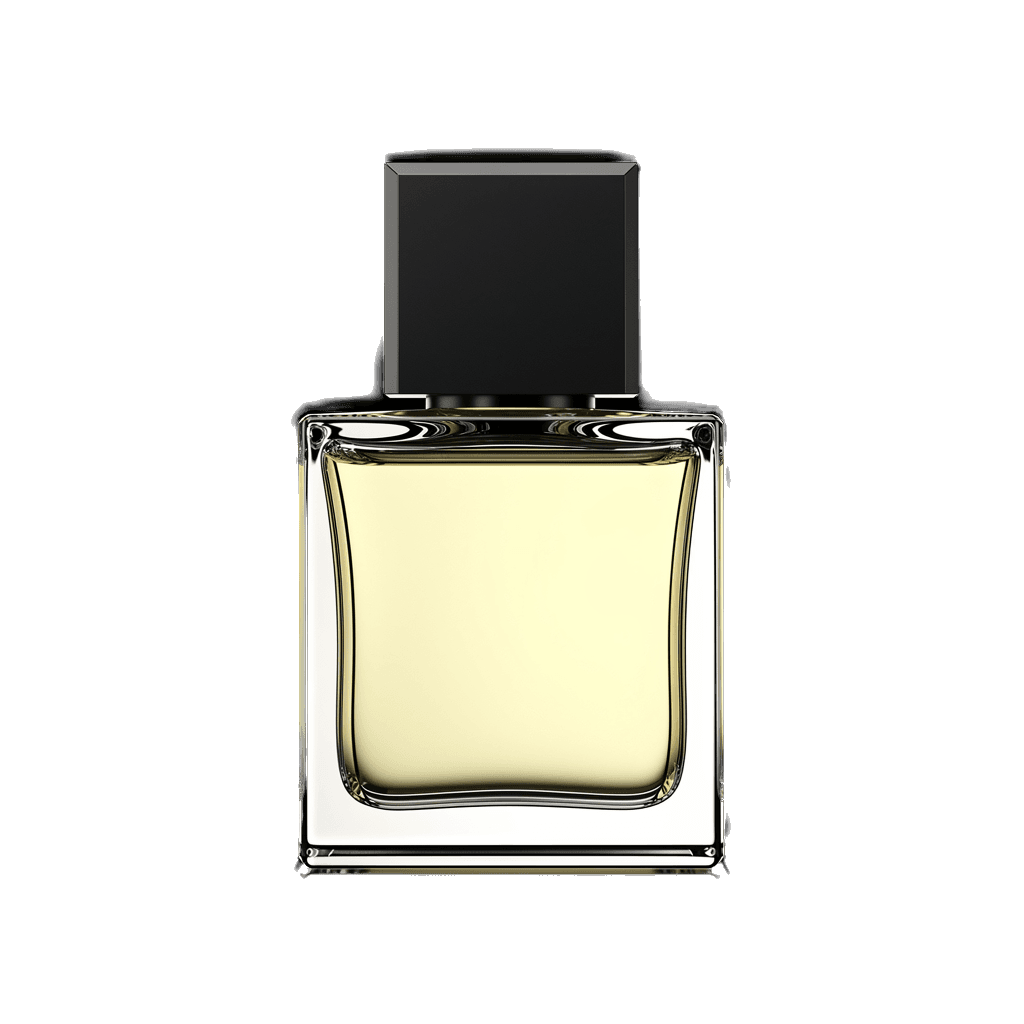
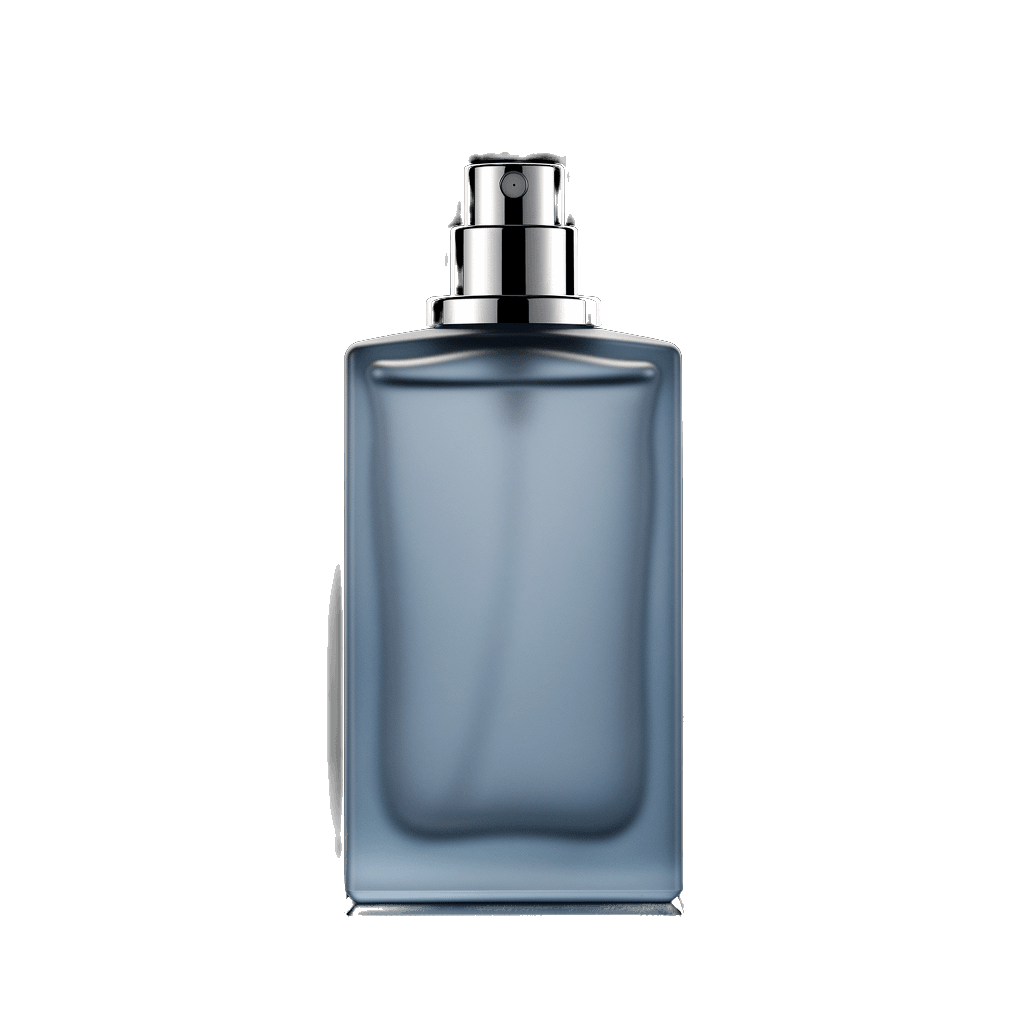
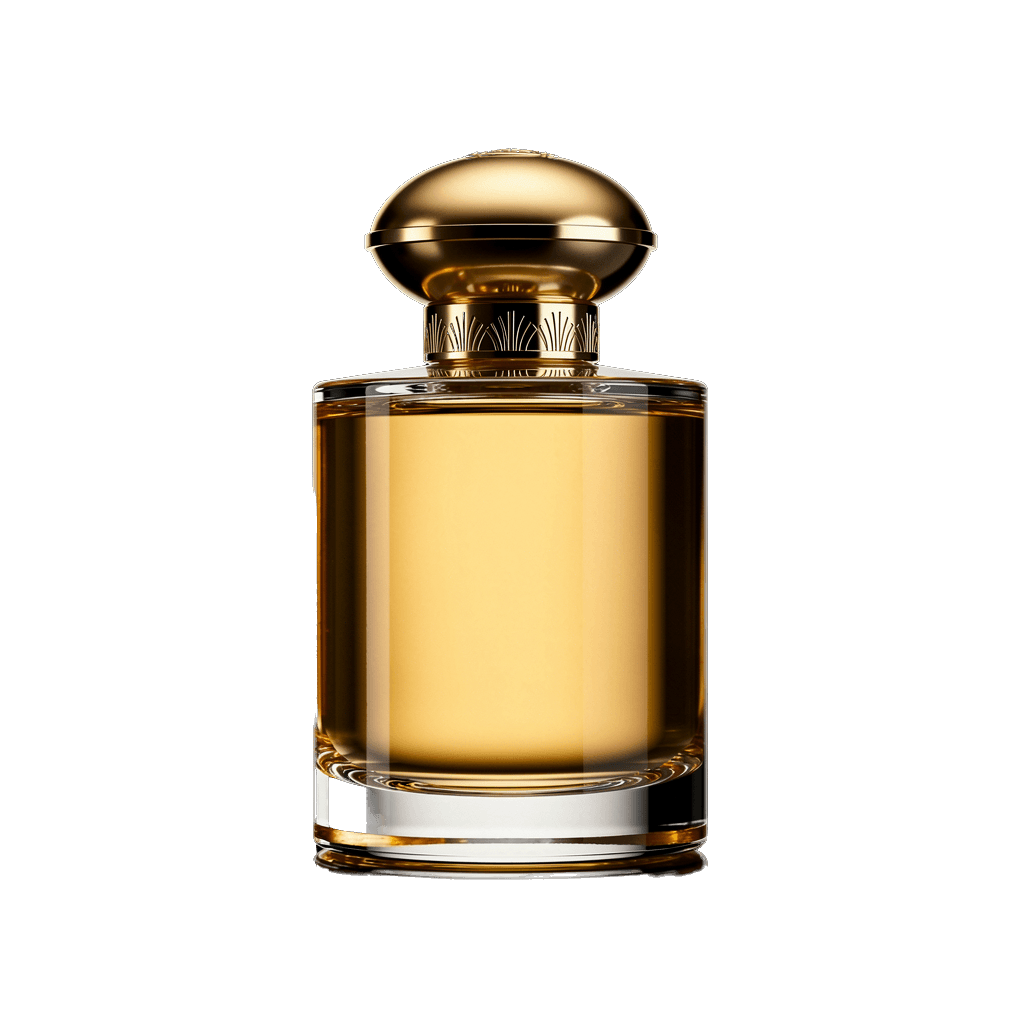
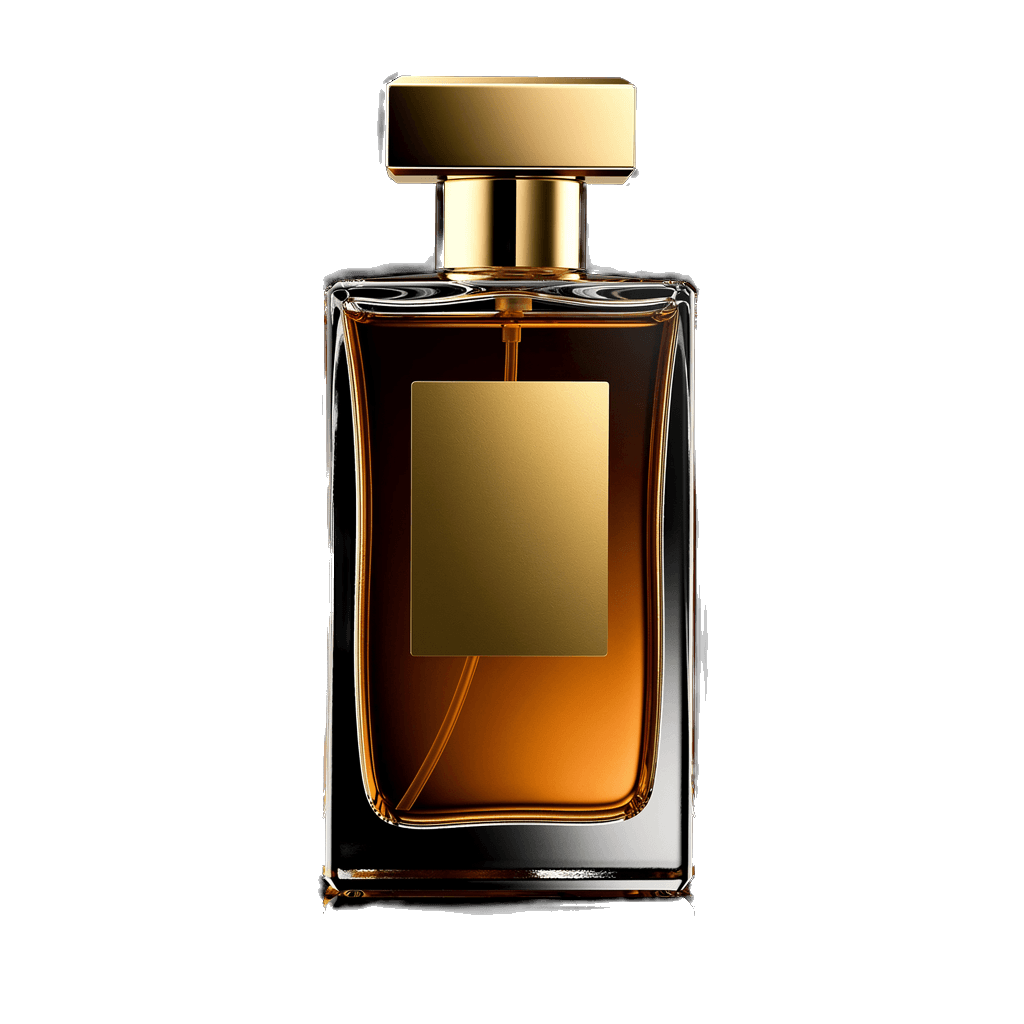
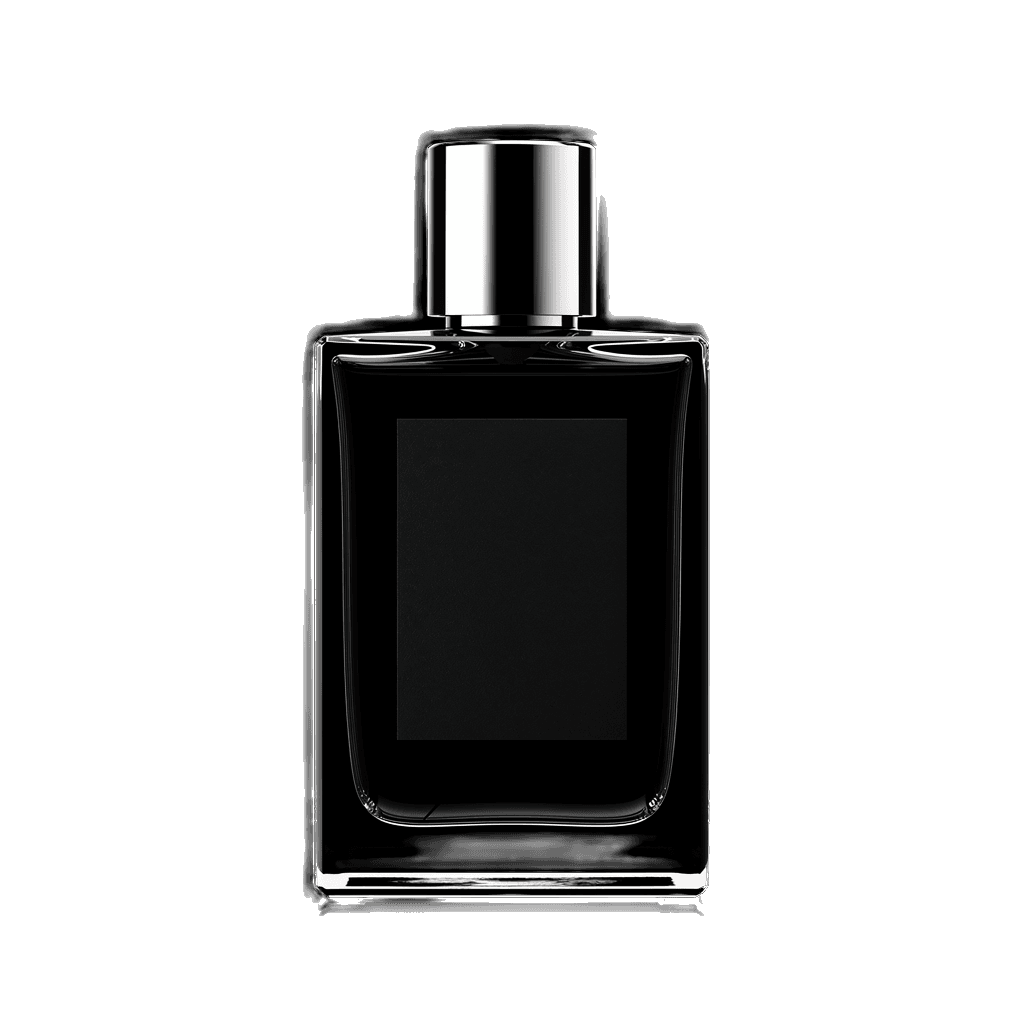
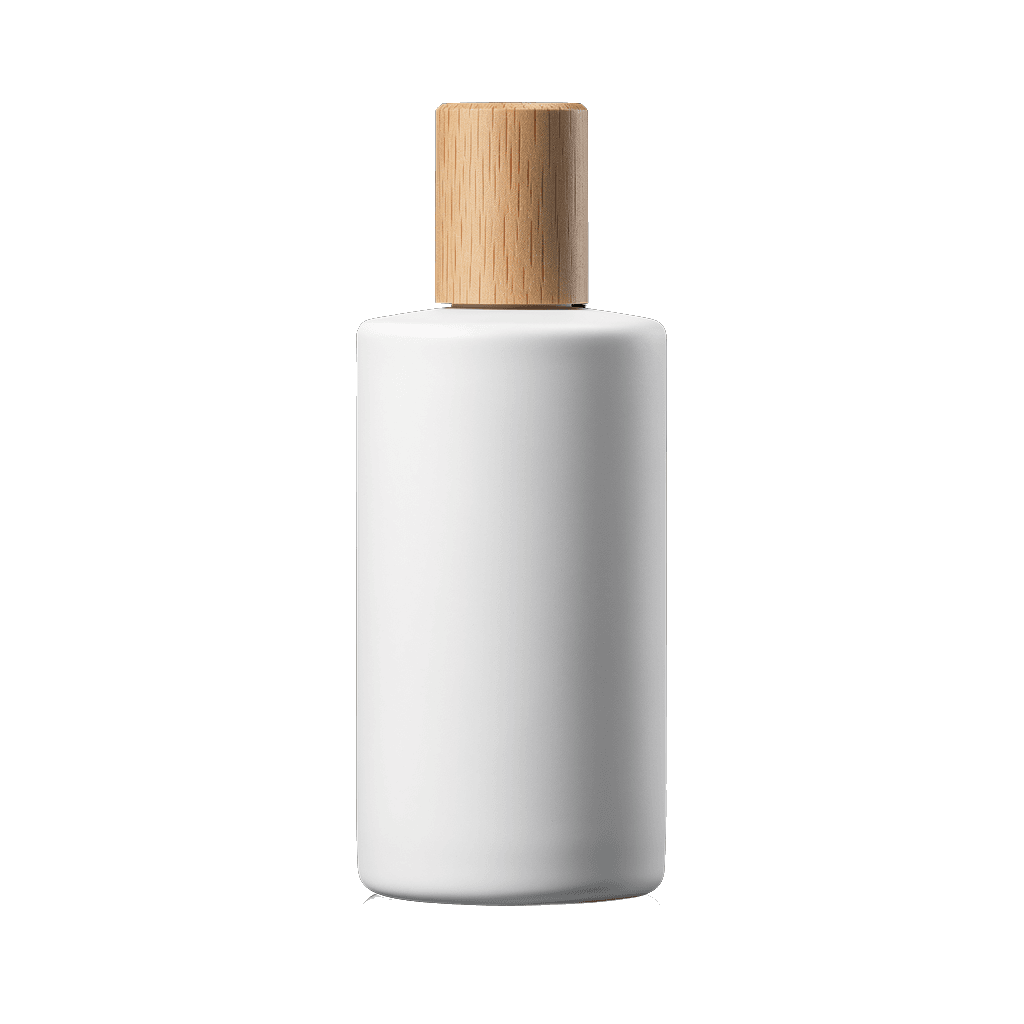
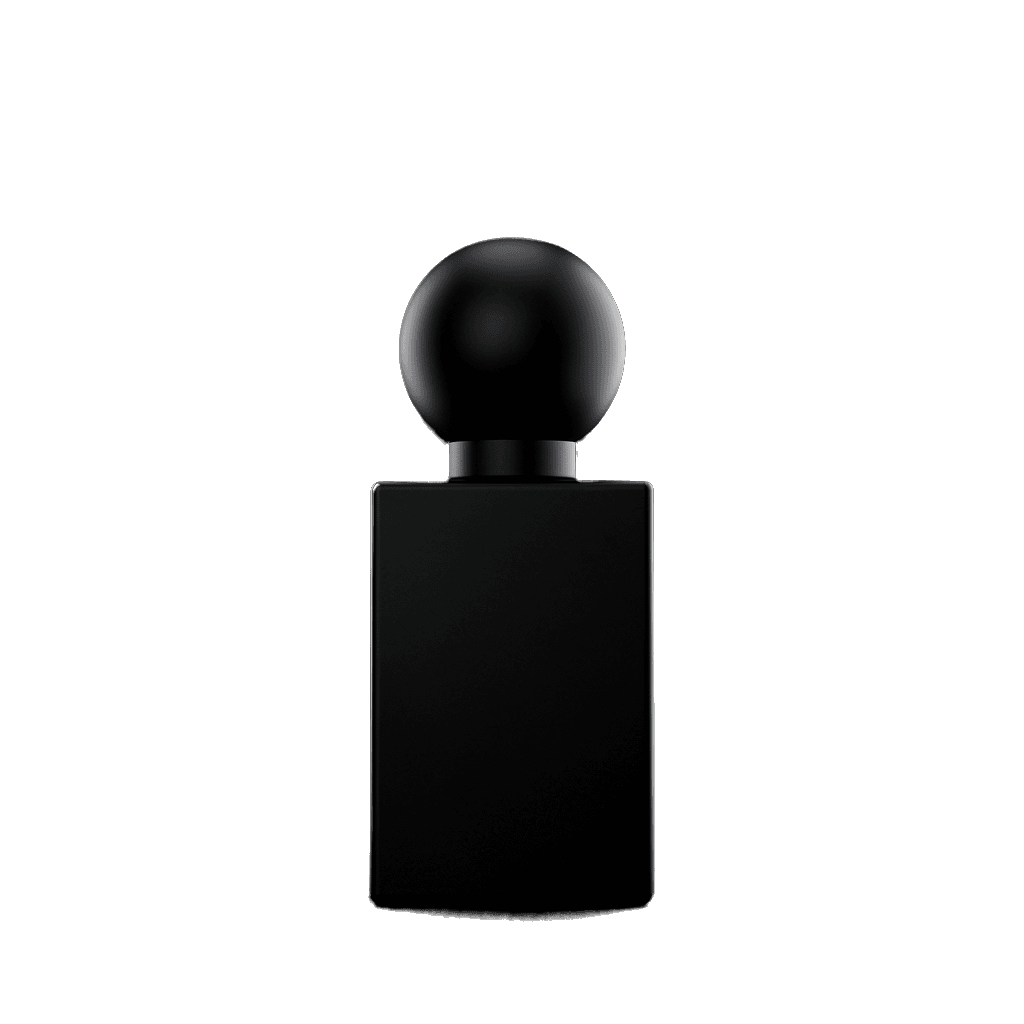
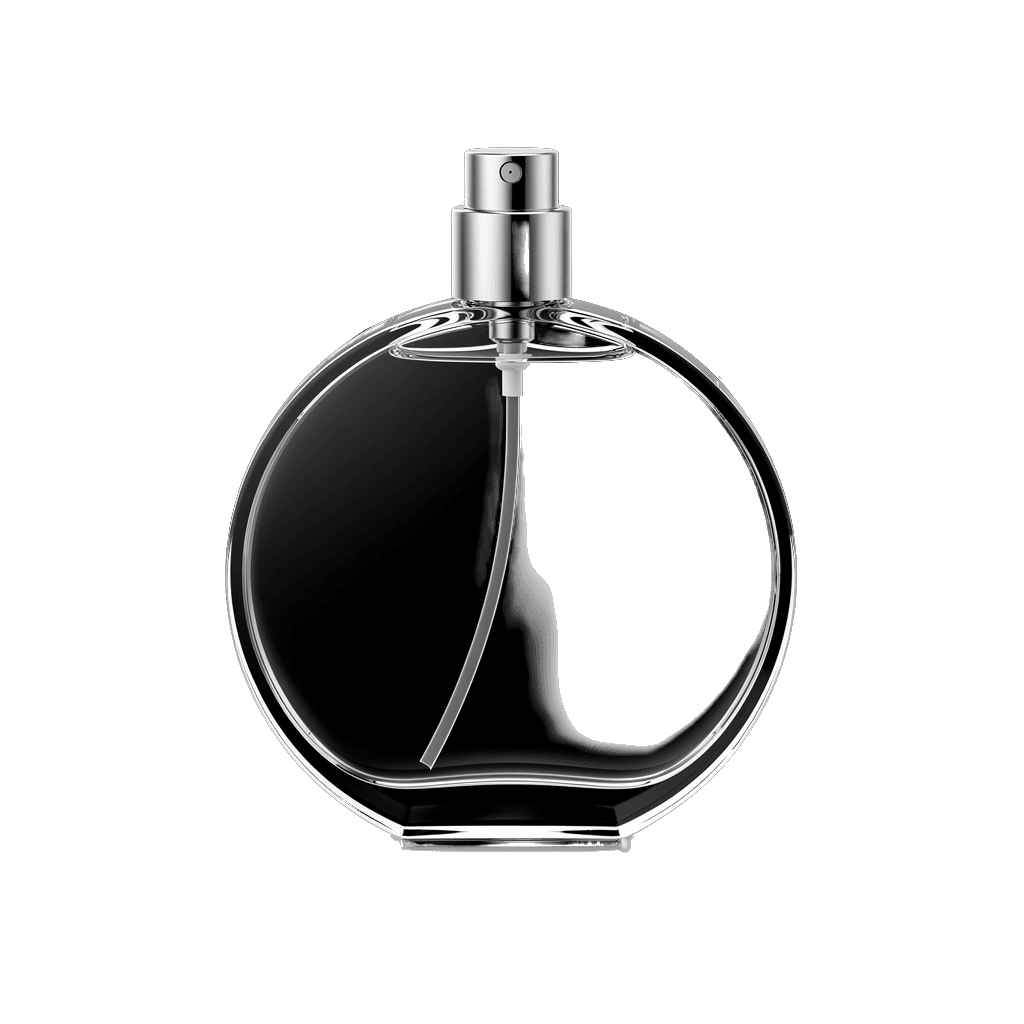
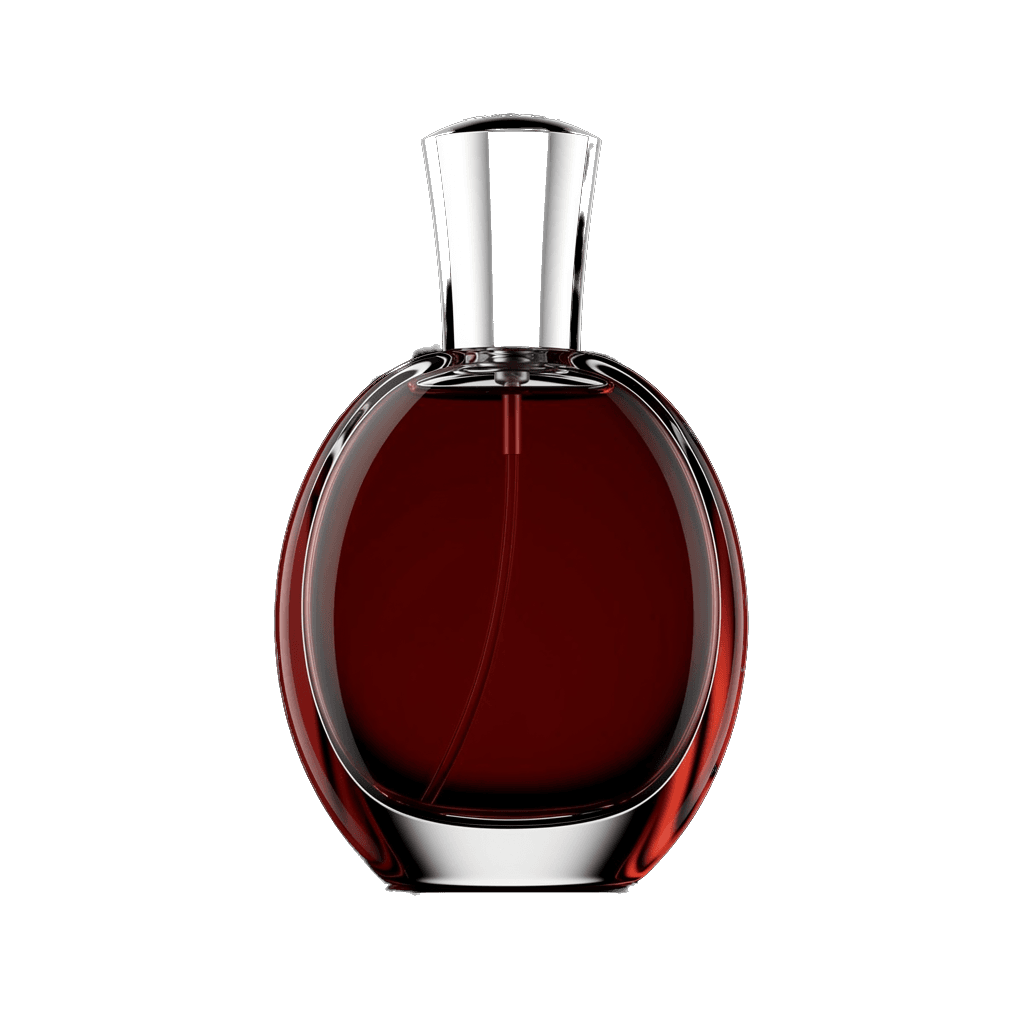
Visually, Massimo Dutti presents a restrained palette of muted greys, deep navy and soft ivory, both in its retail environments and in fragrance packaging. Bottle designs favor clean lines and matte finishes, often featuring a slender silhouette that rests on a simple metal base. The label typography uses a sans‑serif font that mirrors the brand’s contemporary clothing tags, reinforcing a cohesive identity across product categories. For seasonal scents such as Sunset Hues, the glass adopts a warm amber tint that hints at the fragrance’s golden accords, while Leather Mirage is presented in a dark, textured bottle that evokes the material’s tactile quality. Marketing imagery typically showcases the perfume alongside tailored garments, set in urban or natural backdrops that convey a lifestyle of understated sophistication. The overall visual language avoids overt branding, instead relying on subtle embossing and a consistent layout that signals quality without shouting.
Philosophy
Massimo Dutti’s creative vision centers on a quiet elegance that avoids flash in favor of lasting appeal. The brand describes its aesthetic as modern classic, a balance between tradition and contemporary relevance. In fragrance development the house seeks scents that complement its clothing collections, using olfactory cues that echo the textures and colors of its garments. Sustainability has become a guiding principle; the company reports that a growing share of its raw materials are sourced from certified suppliers, and it works with partners who practice responsible harvesting. Transparency in ingredient disclosure is encouraged, and the brand supports initiatives that reduce waste in packaging. The overall philosophy positions scent as an extension of personal style, a subtle layer that enhances the wearer’s confidence without overwhelming the senses.
Key Milestones
1985
Armando Lasauca opens the first Massimo Dutti menswear shop in Barcelona.
1991
Inditex acquires Massimo Dutti, providing resources for international expansion.
1997
Launch of the first Massimo Dutti fragrance, Massimo Dutti Woman.
2022
Release of Amber Attar, a warm amber‑focused scent.
2024
Three new fragrances debut: Sunset Hues, Suede at Dawn, and 1985 Fresh Eau de Parfum.
2025
Leather Mirage and Kashbah Elixir join the collection, expanding the brand’s leather and aromatic offerings.
At a Glance
Brand profile snapshot
Origin
Spain
Founded
1985
Heritage
41
Years active
Collection
4
Fragrances released
Avg Rating
4.4
Community sentiment
Release Rhythm