The Heritage
The Story of Max Factor
Max Factor began as a Hollywood makeup studio and grew into a recognizable name in American fragrance. The brand translates the glamour of classic cinema into scent, offering a portfolio that spans from the citrus‑bright Aquarius (1969) to the warm, powdery Hypnotique (1958). Today, Max Factor sits under Coty Inc., delivering fragrances that echo its makeup heritage while reaching a broad, scent‑curious audience.
Heritage
Max Factor was founded in 1909 by Maximilian Faktorowicz, a Polish‑Jewish chemist who emigrated from Russia to the United States. He opened a small salon in Los Angeles, where he quickly earned a reputation for creating makeup that could survive the bright lights of early film sets. By the 1930s his products, including the first powder he called "make‑up," became standard on Hollywood sets, and the name Max Factor entered the public lexicon as a synonym for stage‑ready beauty. In 1938, after the founder’s death, his son, Max Factor Jr., expanded the company into a full‑line cosmetics house, adding skin care and fragrance. The first Max Factor perfume, Primitif, launched in 1956 and introduced a soft, floral profile that matched the brand’s makeup aesthetic. Two years later Hypnotique arrived, a scent that blended aldehydic florals with a powdery base, and it quickly became a bestseller, aided in part by a mention in the 1962 novel "Sex and the Single Girl." The 1970s saw a burst of new releases: Green Apple (1974) captured a crisp fruit note that appealed to younger buyers, while Blasé (1975) and Just Call Me Maxi (1976) explored more gourmand and playful directions. The 1980s added Le Jardin (1982) and its companion Le Jardin d'Amour (1986), both of which emphasized fresh green accords and romantic florals. Throughout the decades, Max Factor maintained a presence in department stores and drug chains, positioning its fragrances as accessible extensions of its makeup line. In 1999 Coty Inc. acquired Max Factor, integrating the brand into a larger portfolio while preserving its historic name. The acquisition allowed the fragrance division to benefit from Coty’s global distribution network, leading to renewed releases such as Liaisons Affair (1988) and a series of limited editions in the 2000s. Despite changes in ownership, the brand continues to reference its Hollywood origins in marketing and product storytelling, reminding consumers that the scent experience is part of the same performance art that made Max Factor a household name in makeup.
Craftsmanship
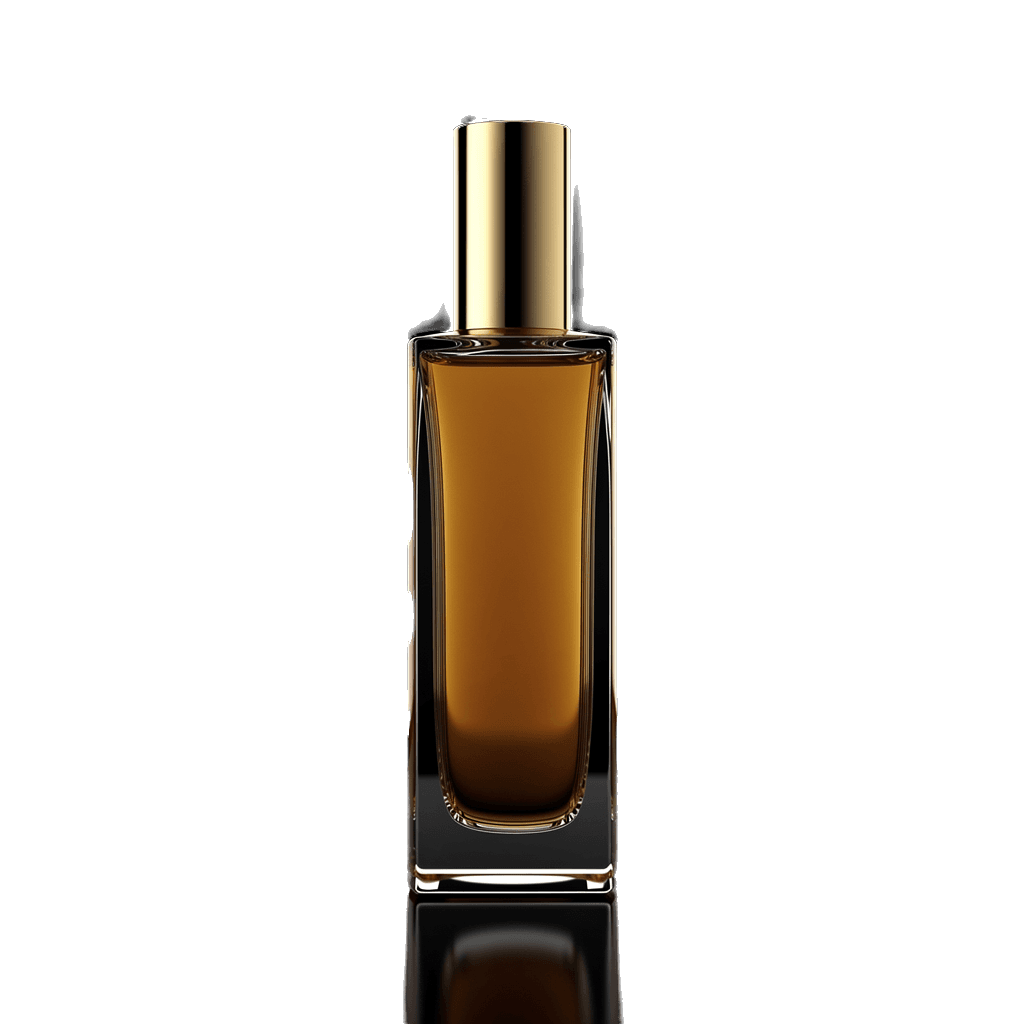
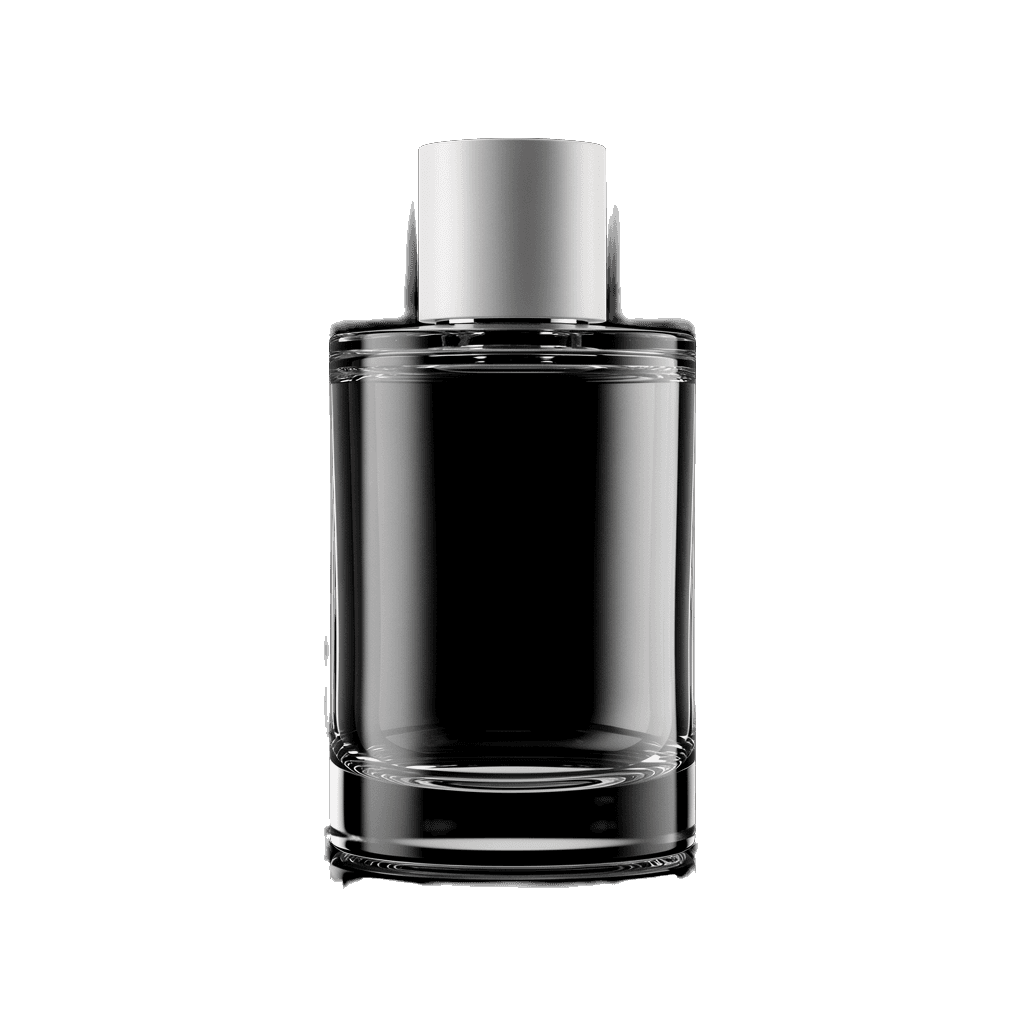
The production of Max Factor fragrances follows a process that mirrors the brand’s makeup manufacturing standards. Raw materials arrive at the fragrance lab after passing quality checks that verify purity and origin. While the brand does not disclose specific supplier names, it has indicated that it works with both synthetic and natural aromachemicals, selecting each for stability and scent fidelity. Formulation takes place in a controlled environment where perfumers draft accords on paper before moving to bench trials. The company often partners with external fragrance houses, allowing access to a broader palette of ingredients. Once a formula is approved, it enters a batch‑mixing stage in which precise ratios are measured using calibrated equipment. The mixture then matures in stainless‑steel tanks for a period that can range from a few weeks to several months, depending on the scent’s complexity. After maturation, the perfume is filtered to remove any particulate matter, then transferred to bottling lines that operate under clean‑room conditions. Max Factor employs automated filling machines that ensure consistent volume per bottle, while still allowing for manual inspection of each unit for visual defects. The brand’s packaging includes a signature matte black cap and a simple rectangular bottle, choices that reflect its makeup heritage and facilitate efficient production. Quality control includes olfactory testing by trained panels who evaluate each batch for scent accuracy and stability. Samples are also subjected to accelerated aging tests that simulate long‑term exposure to light and temperature, confirming that the fragrance retains its intended character over time. In recent years, Max Factor has begun to incorporate recycled glass in select bottle runs and has explored biodegradable cap materials, aligning its manufacturing practices with broader industry moves toward sustainability. These steps complement the brand’s longstanding emphasis on reliable, accessible fragrance that can be enjoyed by a wide audience.
Design Language
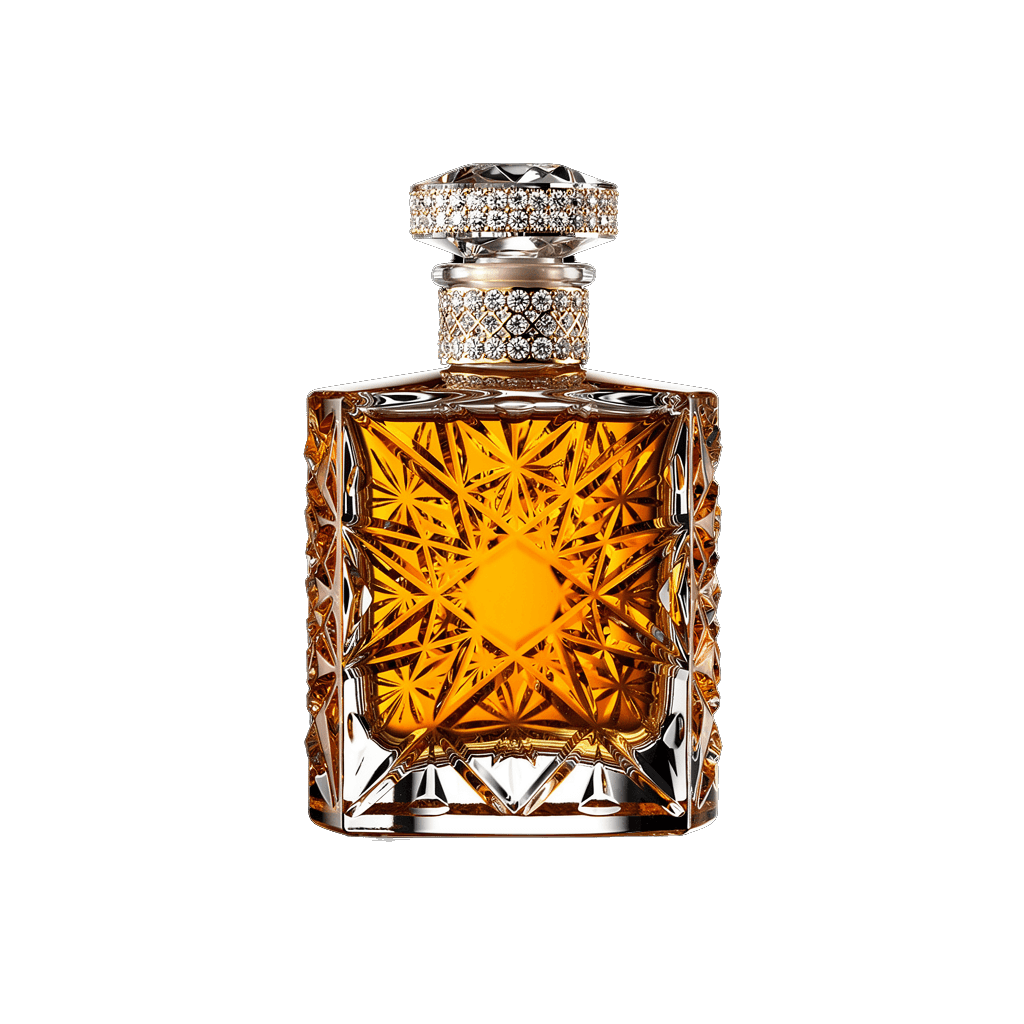
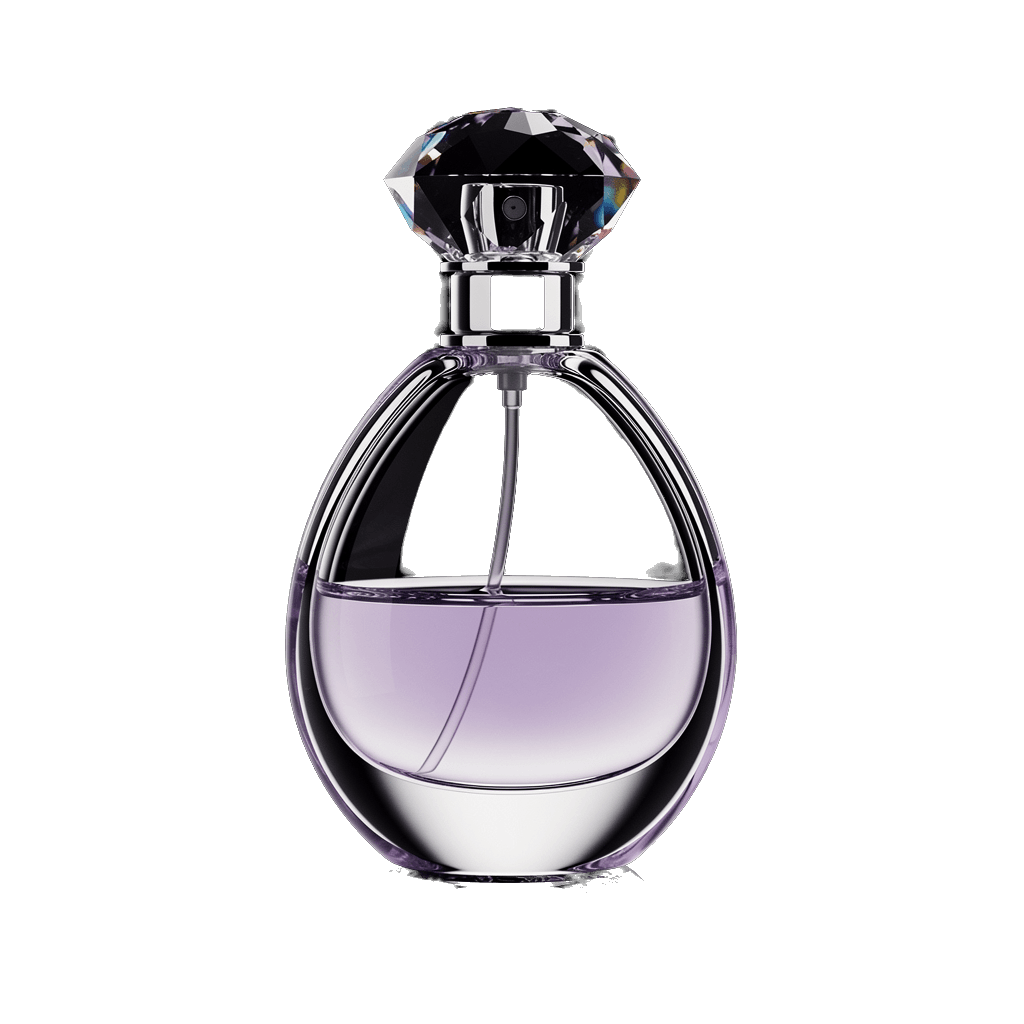
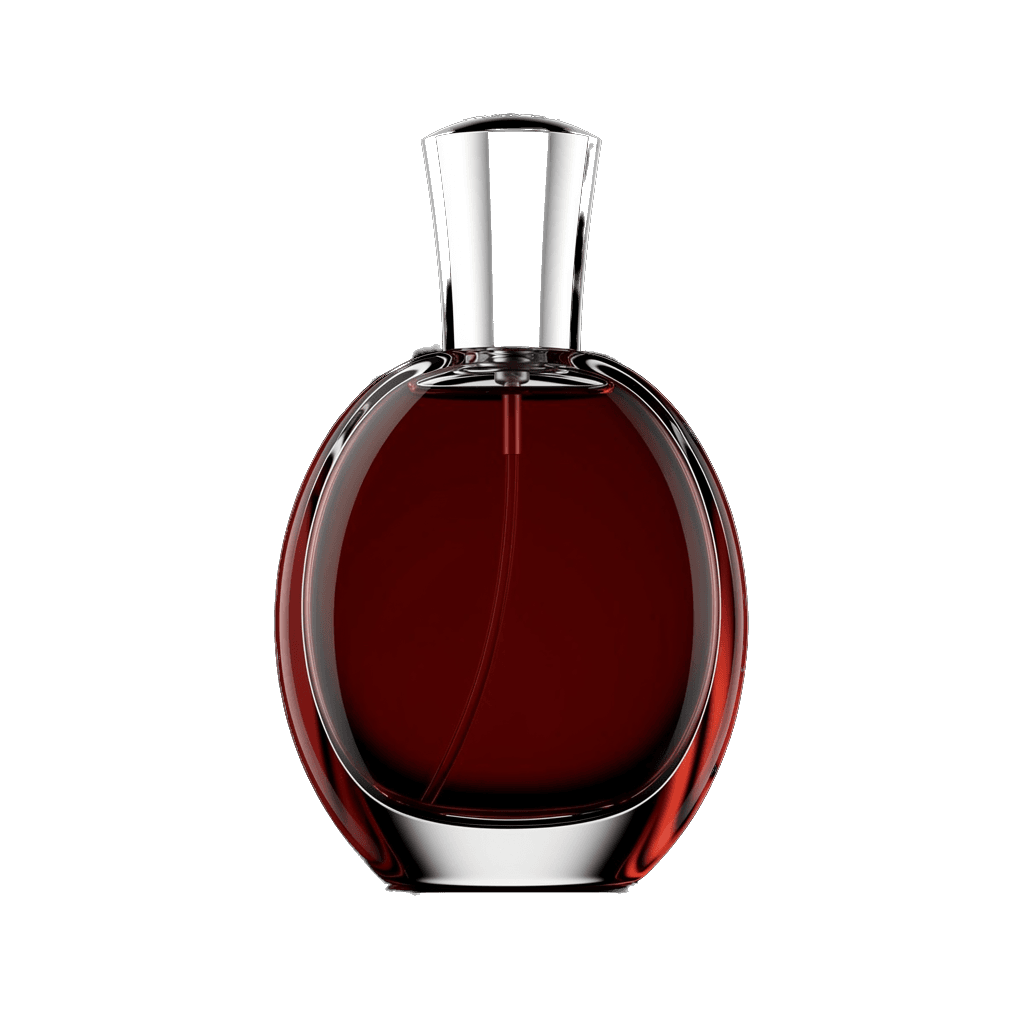
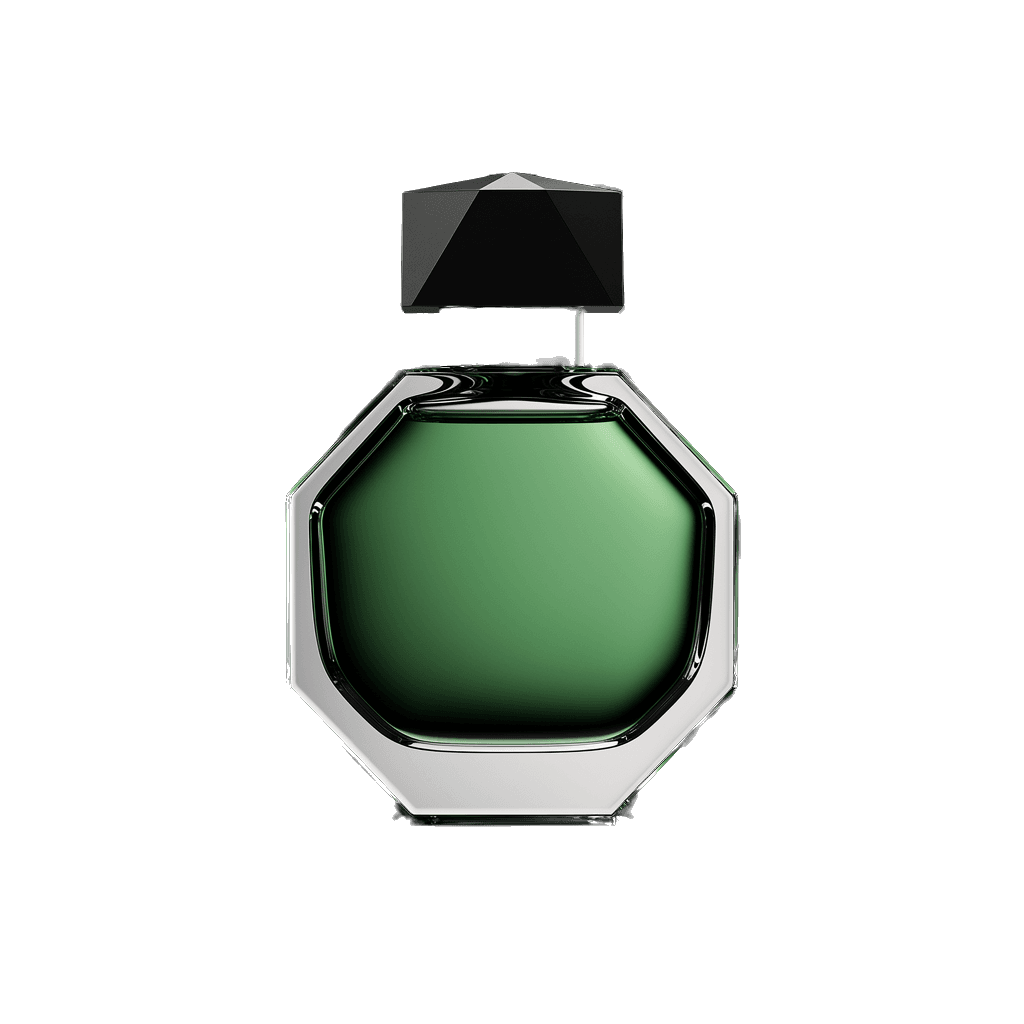
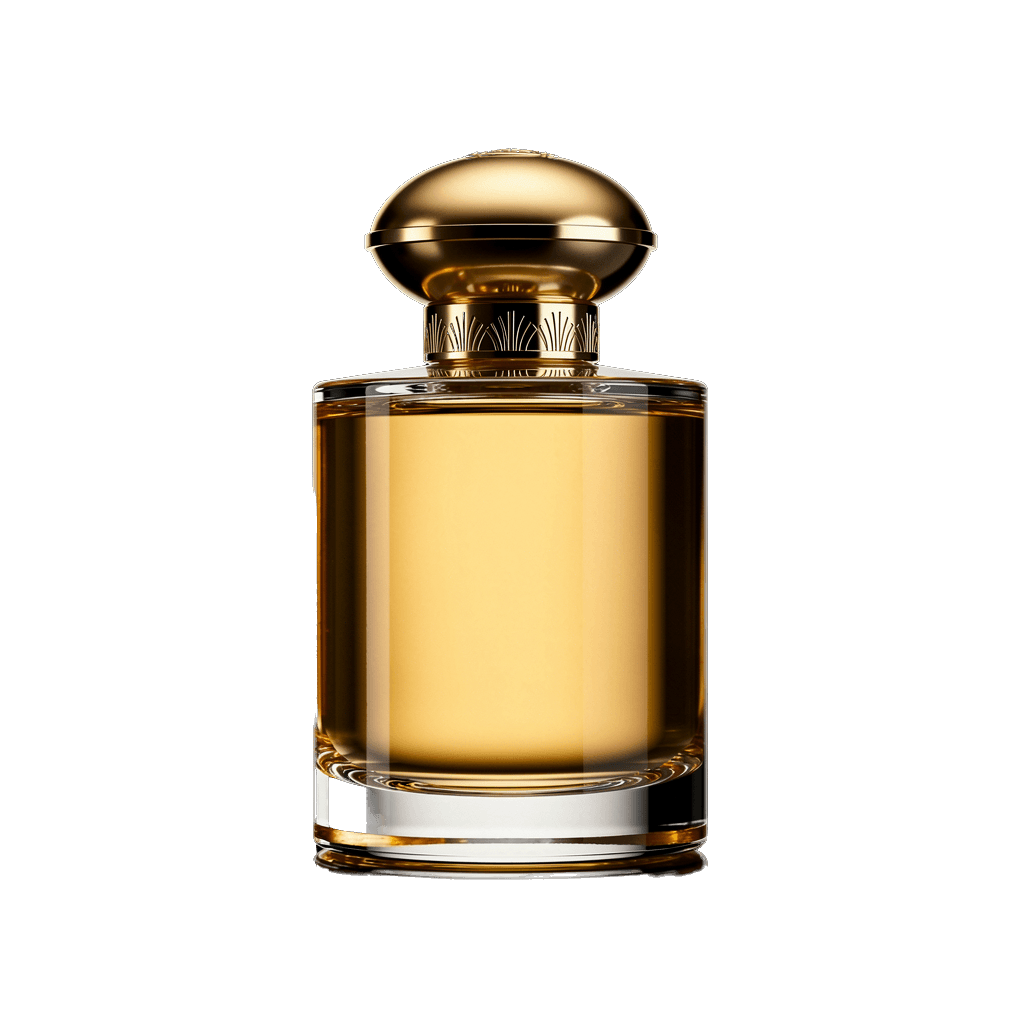
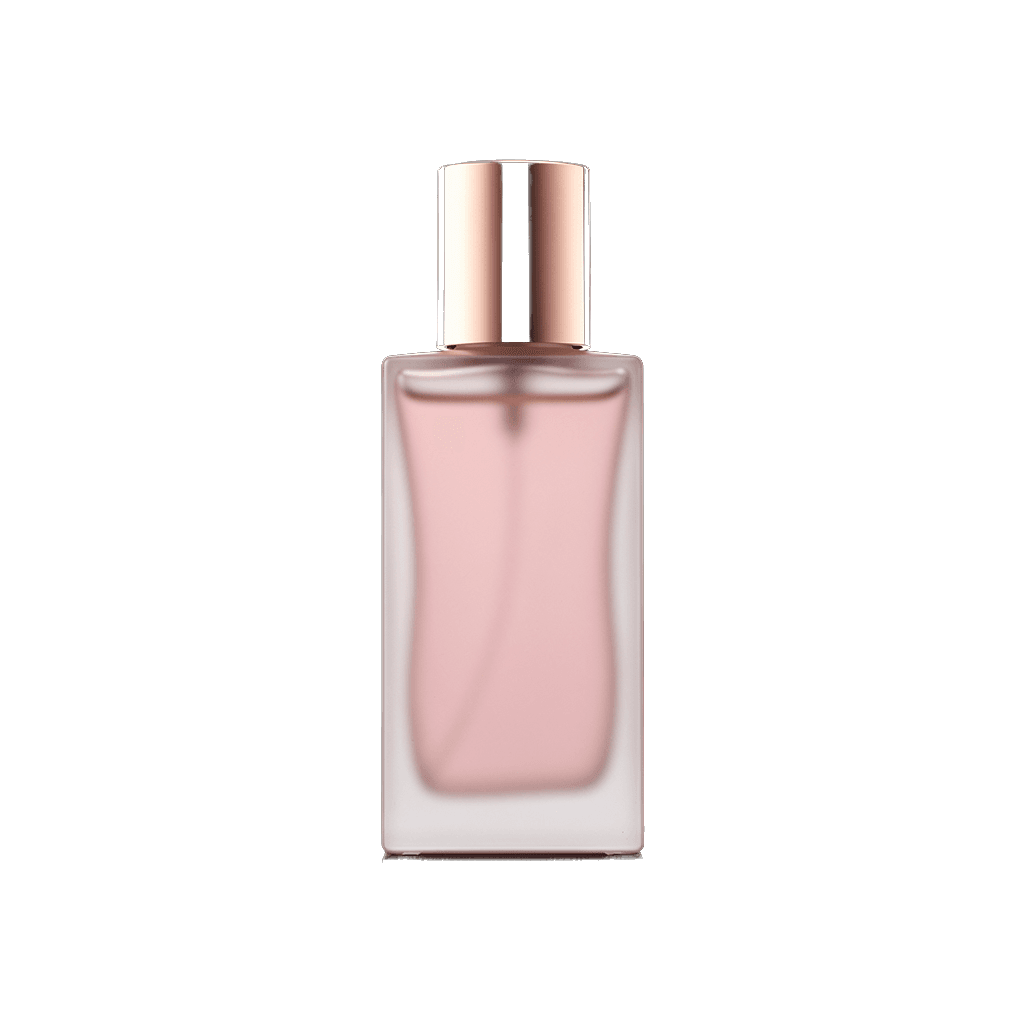
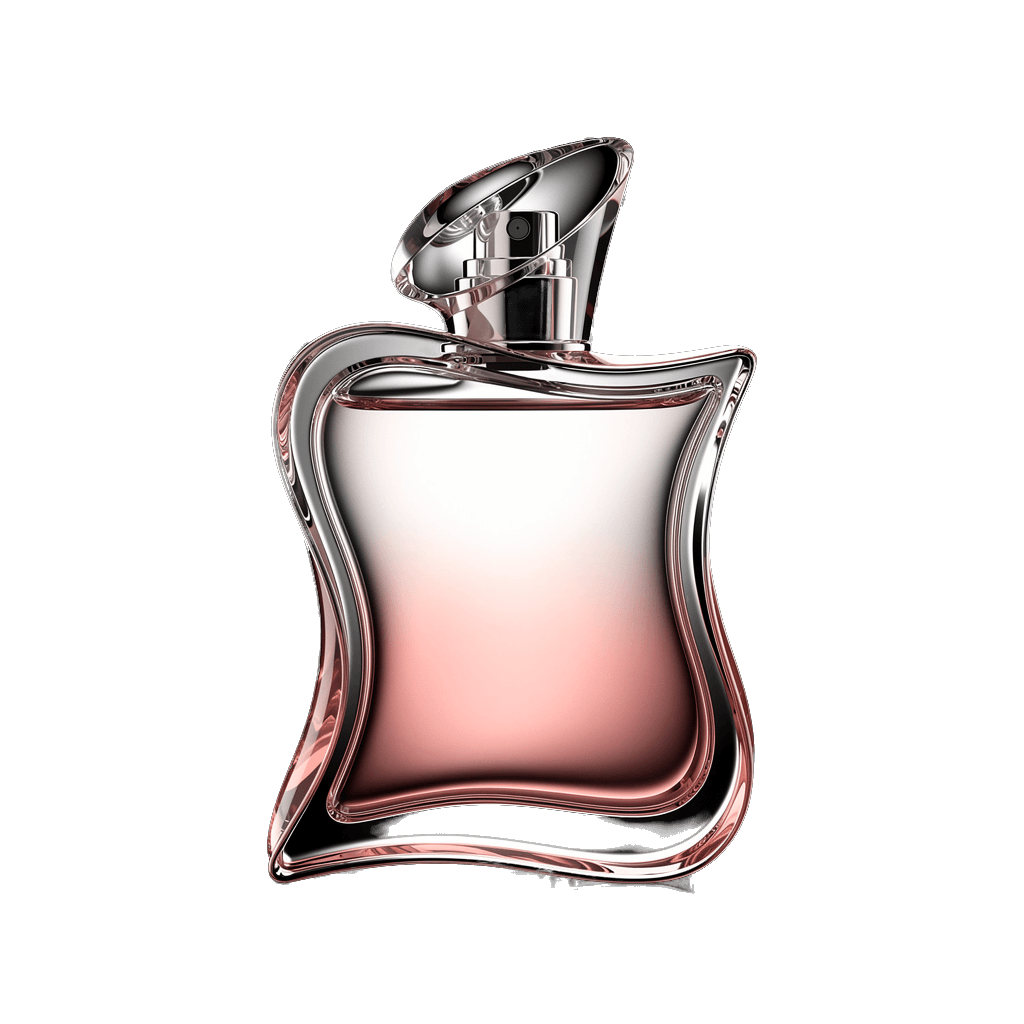
Max Factor’s visual language draws directly from its makeup legacy. The brand’s logo features a stylized script that echoes the hand‑painted lettering used on early cosmetic packaging. Bottles typically adopt a sleek, rectangular silhouette with clean lines, a nod to the streamlined design of 1950s perfume flacons. The color palette favors matte black, silver, or soft pastels, allowing the fragrance name to stand out without excessive ornamentation. Caps often incorporate a brushed metal finish, reminiscent of the metal applicators used in the brand’s historic makeup tools. This tactile detail reinforces the connection between scent and beauty routine. For limited‑edition releases, Max Factor sometimes adds subtle embossing or a thin metallic band, but it never strays far from the understated elegance that defines its core identity. Advertising imagery frequently places the perfume alongside makeup products, positioning the scent as the final touch to a complete look. Photographs feature models with classic Hollywood makeup – winged eyeliner, bold lips, and soft, diffused lighting – reinforcing the brand’s origin story. The overall aesthetic balances nostalgia for the golden age of cinema with a contemporary, minimalist approach that appeals to modern shoppers seeking both heritage and simplicity.
Philosophy
Max Factor treats scent as an extension of personal presentation, a principle that stems from its makeup origins. The brand believes that a fragrance should complement a wearer’s style the way a well‑chosen lipstick finishes a look. This perspective drives a focus on balance, ensuring that each perfume offers a clear structure that can be layered with other Max Factor products. The company values approachability; it avoids overly niche compositions in favor of scents that can be recognized and enjoyed in everyday settings. At the same time, Max Factor respects the craft of perfumery, selecting ingredients that echo the tactile qualities of its cosmetics – for example, the powdery musk in Hypnotique mirrors the soft finish of its signature face powder. Sustainability has entered the brand’s agenda in recent years. Max Factor reports that it sources certain raw materials from certified suppliers and works to reduce waste in its packaging. The brand’s creative teams collaborate with external perfumers, allowing fresh perspectives while retaining a consistent house DNA rooted in classic, clean lines. Overall, Max Factor’s fragrance philosophy blends Hollywood heritage with a modern, inclusive outlook, aiming to make scent a seamless part of daily grooming rather than a separate ritual.
Key Milestones
1909
Max Factor & Co. founded by Maximilian Faktorowicz in Los Angeles.
1938
Founder Max Factor passes away; his son expands the company into a full cosmetics line.
1956
First fragrance, Primitif, launches, marking the brand’s entry into perfumery.
1958
Hypnotique released; becomes a cultural reference after appearing in "Sex and the Single Girl".
1974
Green Apple introduced, reflecting the era’s trend toward fresh fruit notes.
1999
Coty Inc. acquires Max Factor, integrating the brand into a global beauty portfolio.
At a Glance
Brand profile snapshot
Origin
United States
Founded
1909
Heritage
117
Years active
Collection
1
Fragrances released
Avg Rating
4.1
Community sentiment
Release Rhythm