The Heritage
The Story of Miraculum
Miraculum is a Polish fragrance house that traces its roots back to the early twentieth century. Founded in 1924 in Kraków by Dr. Leon Luser, the brand began as one of the first cosmetic manufacturers in the country, alongside names such as Max Factor. Over the decades it expanded from skin‑care to a modest but steady line of perfumes, now numbering close to fifty distinct scents. The portfolio includes early releases like Blue and Red, as well as more recent offerings such as Bonjour (2016) and a 2024 edition that marks the latest chapter in a quietly enduring story.
Heritage
The story of Miraculum begins in interwar Kraków, where Dr. Leon Luser, a physician with an interest in dermatology, opened a small laboratory that produced soaps, creams and basic cosmetics. Contemporary accounts place the company among the pioneering Polish cosmetic firms, a distinction that set it apart from later entrants. The brand survived the upheavals of World War II, maintaining production in a reduced capacity and re‑establishing its market presence in the post‑war years. In the 1960s Miraculum broadened its scope, adding fragrance development to its catalogue. The first documented perfume, released in 1971, marked a turning point, signalling a shift from pure cosmetics to olfactory creations. Throughout the 1980s and 1990s the house introduced a series of colour‑coded scents—Blue, Red, Black—each aimed at a specific consumer segment. The early 2000s saw a renewed focus on artistic naming, with titles such as "Być Może… Summer in Paris" (2011) and "Romantic Pink" (2011) reflecting a more narrative approach. The 2016 launch of Bonjour demonstrated a modern, urban sensibility, while the 2024 release confirmed that Miraculum continues to produce new fragrances after more than a century of operation. Throughout its history the brand has remained privately owned, with limited public disclosure, which contributes to its low‑profile yet resilient reputation in the Polish fragrance market.
Craftsmanship
Detailed production information for Miraculum is not widely published, but the brand’s longevity hints at a reliance on traditional formulation techniques common among early Polish cosmetic houses. Historical records show that the original laboratory used locally sourced botanical extracts and basic chemical processes, a practice that likely evolved as the company introduced perfume. The 1971 debut fragrance was reportedly crafted by an in‑house perfumer, suggesting that Miraculum maintained internal expertise rather than outsourcing to external noses. Over time, the house appears to have adopted modern quality controls, as indicated by the consistent release schedule and the absence of major recalls in public safety databases. Ingredient sourcing is believed to involve European suppliers, a standard practice for regional brands seeking reliable raw materials. The brand’s modest scale allows for batch‑by‑batch testing, ensuring that each bottle meets the sensory profile established during development. While specific details about distillation methods or aging processes remain undisclosed, the continuity of the product line implies a stable, repeatable manufacturing workflow that balances heritage techniques with contemporary safety standards.
Design Language
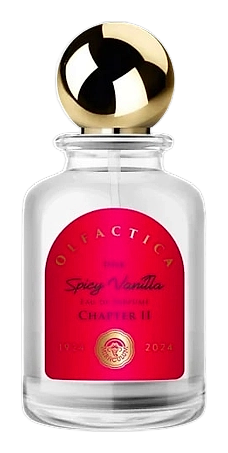
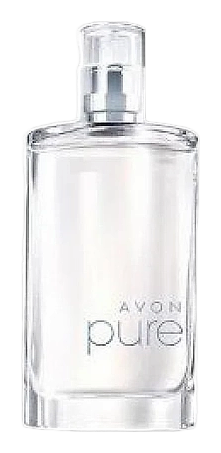
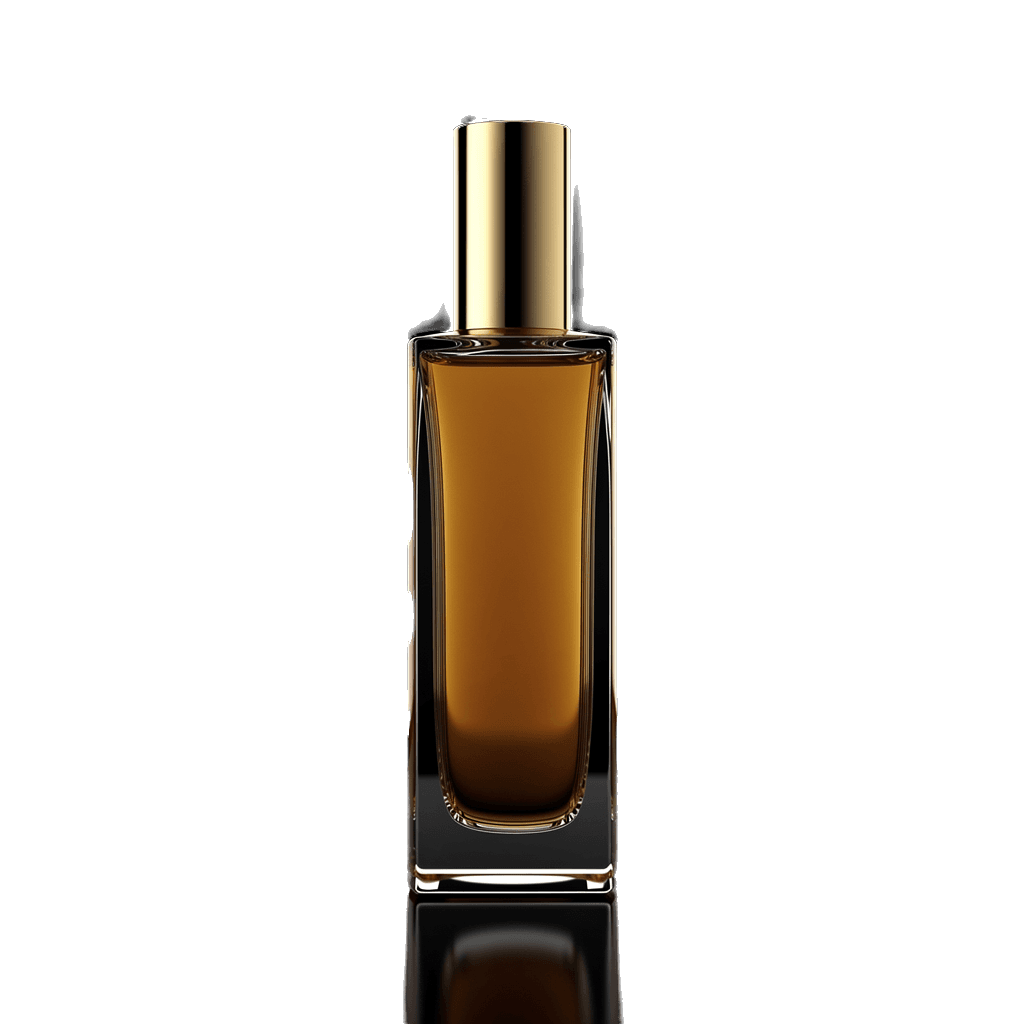
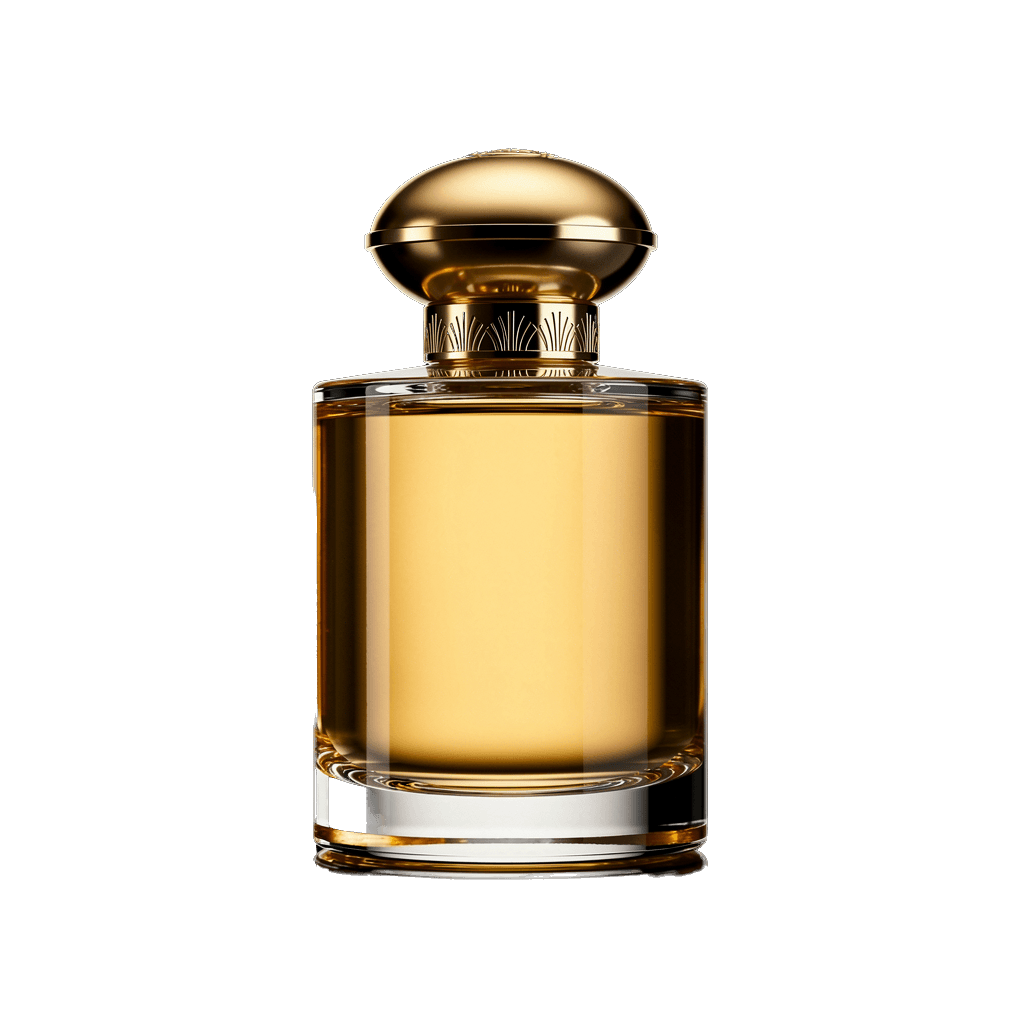
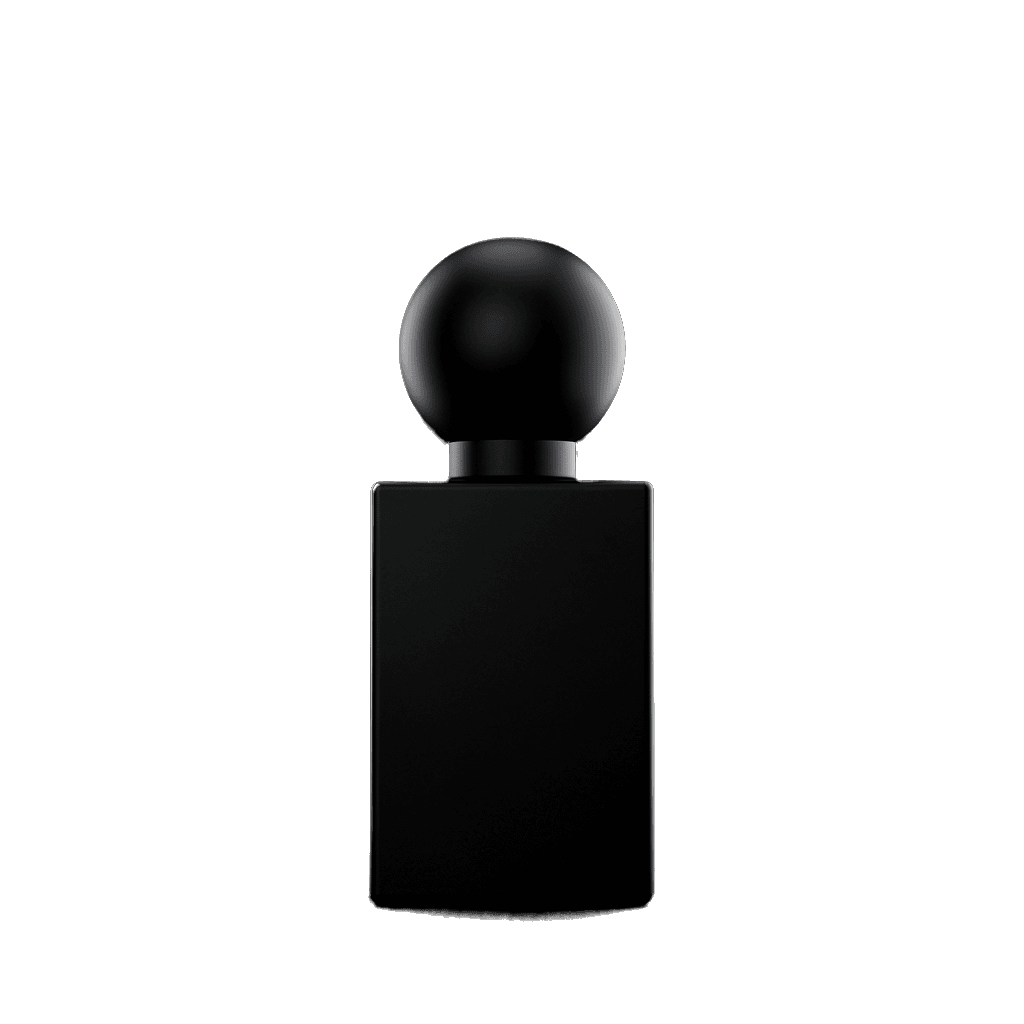
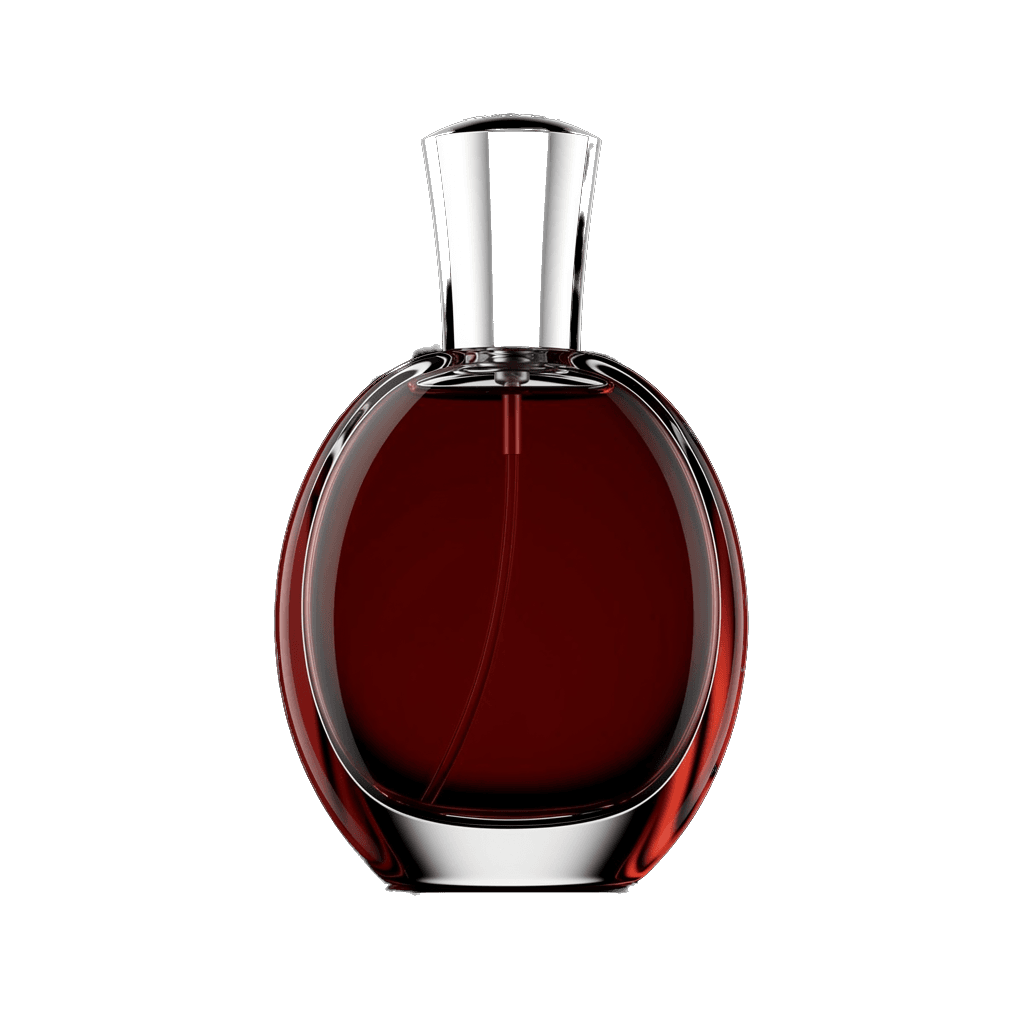
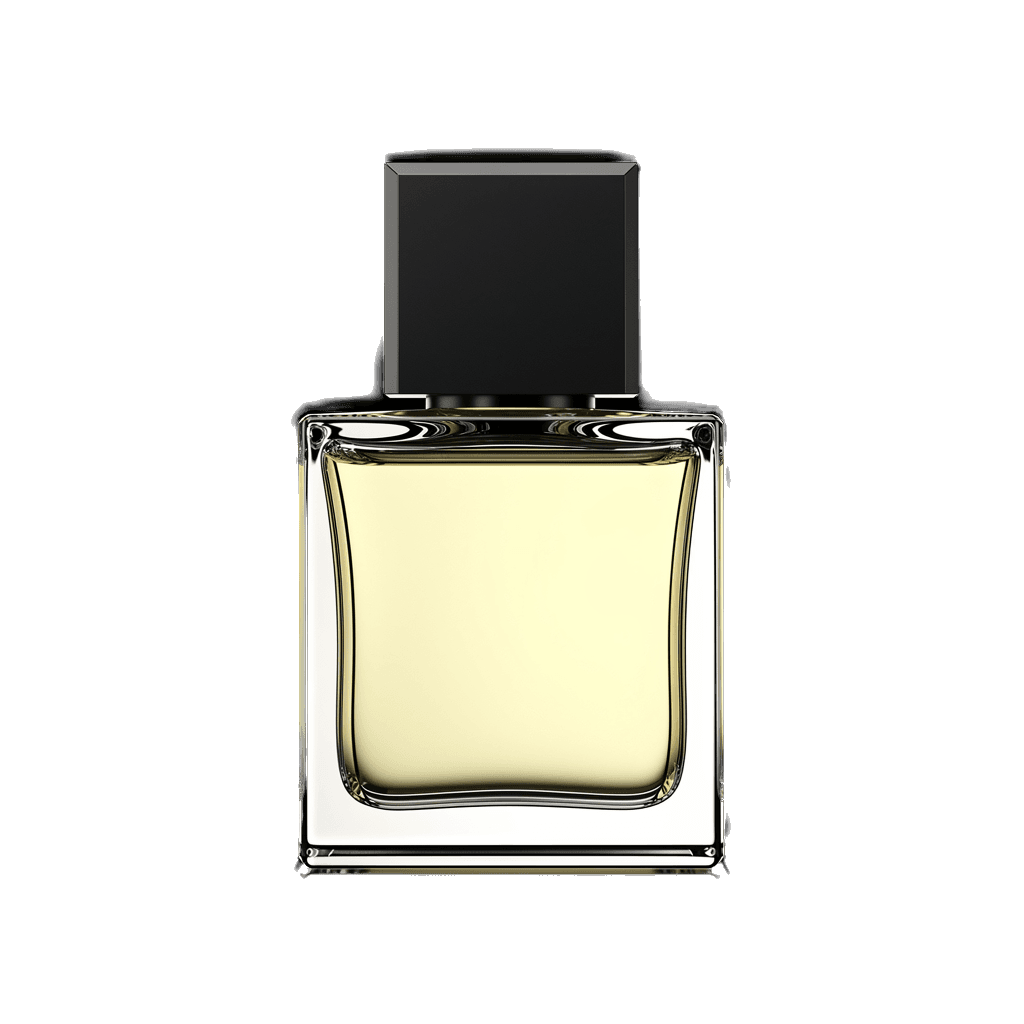
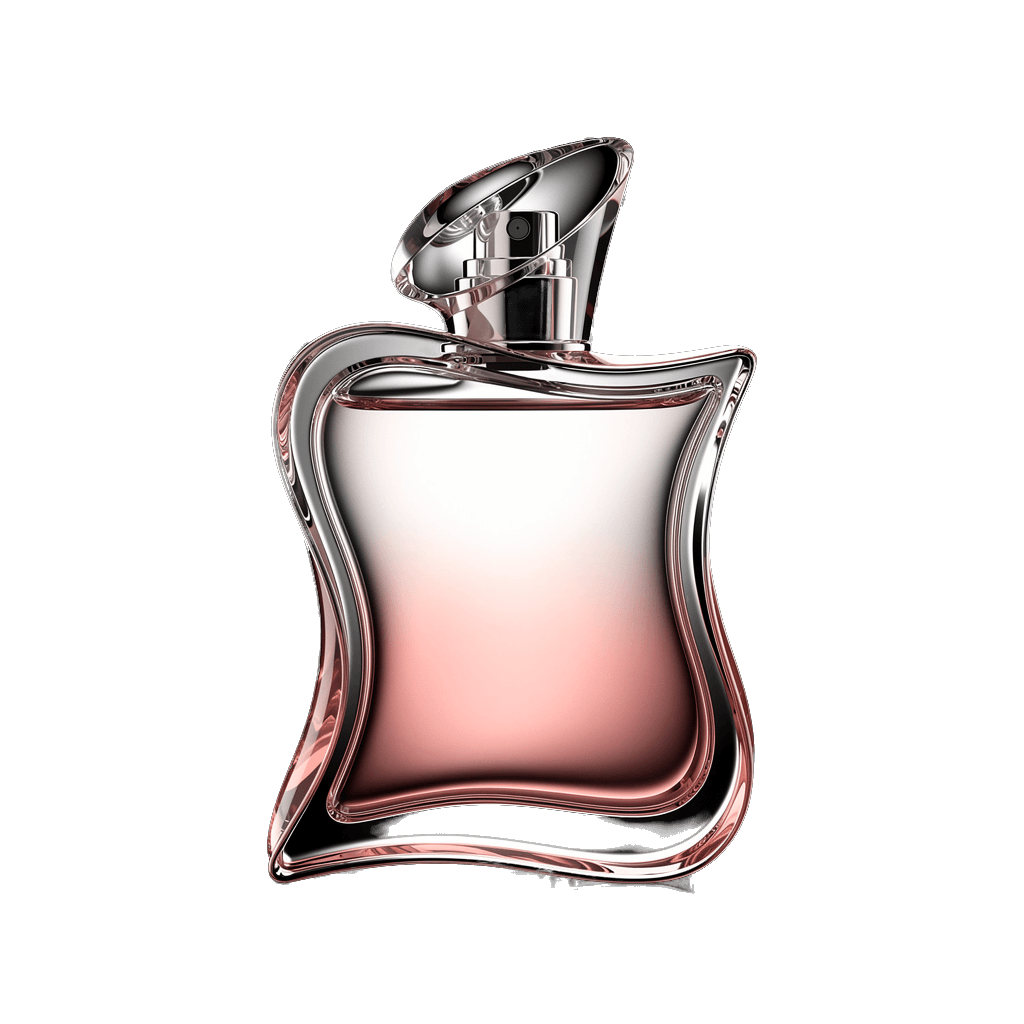
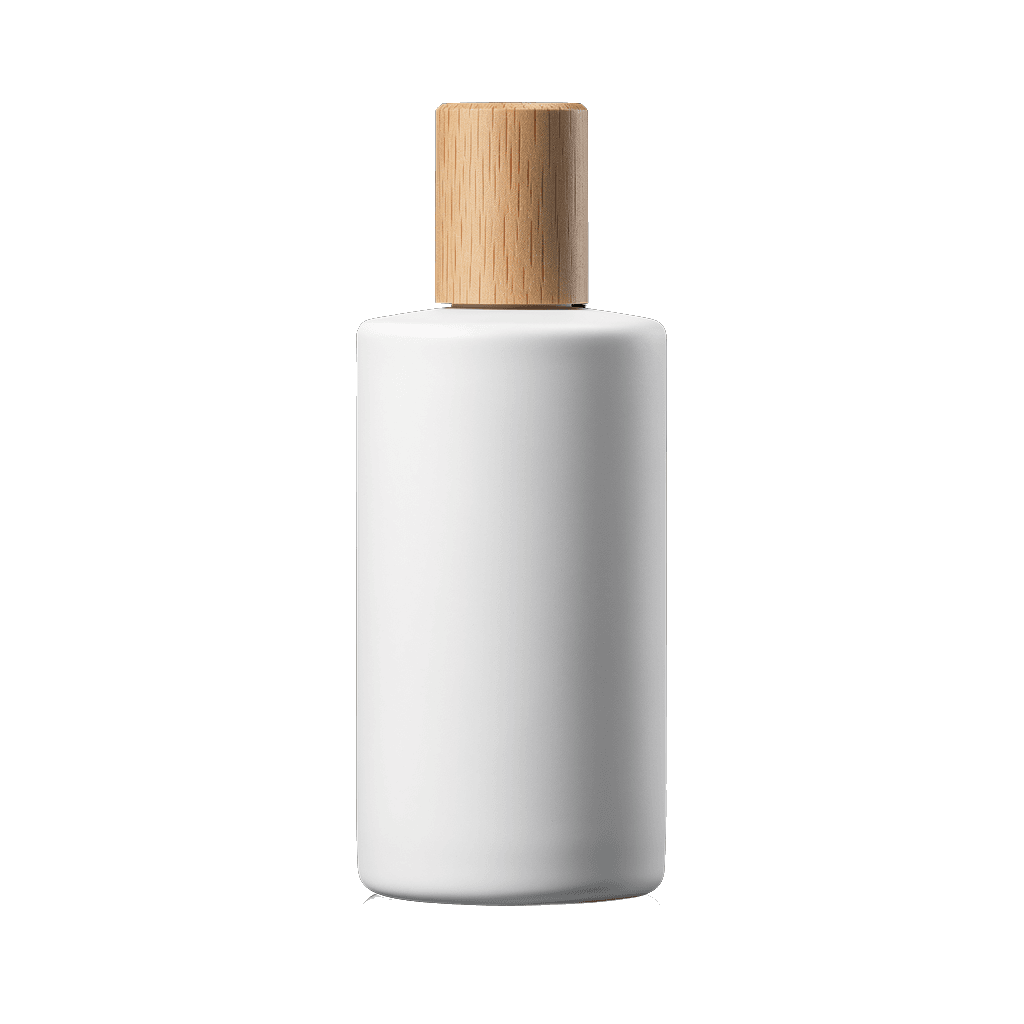
Miraculum’s visual language leans toward understated classicism. Bottle designs typically feature simple, clear glass containers with minimal ornamentation, allowing the fragrance name and color to take centre stage. Early releases such as Blue and Red employed solid‑colored caps that corresponded to the scent’s theme, a practice that continued with later editions like Romantic Pink, where a soft pink hue reinforces the fragrance’s mood. The brand’s typography favors clean, sans‑serif lettering, reinforcing a modern yet timeless feel. Packaging often includes a modest paper label that lists the scent name, year of launch and a brief descriptive phrase, echoing the brand’s narrative‑driven philosophy. Promotional imagery, when present, showcases the perfume in everyday settings—tables, vanity trays, or hand‑held moments—underscoring the idea that the scent integrates seamlessly into daily life. Overall, Miraculum’s aesthetic avoids overt luxury cues, opting instead for a restrained elegance that mirrors its low‑key market positioning.
Philosophy
Public statements from Miraculum suggest a focus on timeless elegance rather than fleeting trends. The brand appears to value continuity, drawing on its early‑twentieth‑century origins while allowing each new scent to reflect contemporary tastes. Sources indicate that the company emphasizes a personal connection between fragrance and memory, choosing names that evoke places, emotions or moments. This narrative‑driven approach aligns with a belief that perfume should act as a quiet companion in daily life, rather than a bold proclamation. The modest size of the portfolio—around forty‑nine fragrances as of 2024—implies a deliberate, curated development process, where each launch receives careful consideration before reaching market. Miraculum’s stated aim is to provide reliable, well‑balanced scents that suit a broad audience, reflecting a pragmatic yet affectionate view of perfumery.
Key Milestones
1924
Dr. Leon Luser establishes Miraculum in Kraków, launching a cosmetics laboratory.
1971
Miraculum releases its first perfume, marking entry into the fragrance market.
2011
A series of colour‑coded scents, including Blue, Red, and Być Może… Summer in Paris, expands the portfolio.
2016
Launch of Bonjour, a modern urban fragrance that reflects contemporary Polish tastes.
2024
The newest fragrance in the line is released, bringing the total to 49 distinct scents.
At a Glance
Brand profile snapshot
Origin
Poland
Founded
1924
Heritage
102
Years active
Collection
2
Fragrances released
Avg Rating
3.0
Community sentiment
Release Rhythm