
The Heritage
The Story of Morris
Morris is a niche fragrance house that emerged in the mid‑1970s and has built a modest catalogue of scented works that span more than six decades. The brand’s portfolio includes early releases such as Ingrid (1948) and later creations like The Wild Man (2018). Morris positions itself as a laboratory for scent experiments, offering both classic and avant‑garde compositions that appeal to collectors who value depth over trend. Its offerings appear in specialty boutiques and online fragrance archives, where they are noted for distinctive olfactory signatures and a willingness to revisit historic formulas with contemporary twists.
Heritage
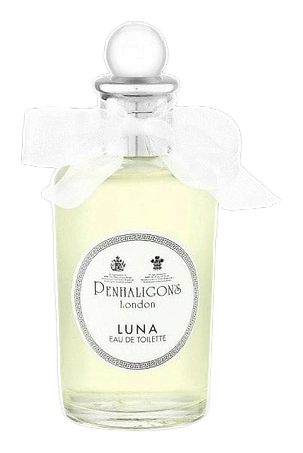
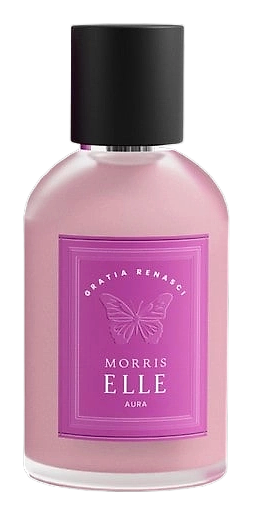
The Morris name first appeared on a perfume label in 1975, a year that coincides with the launch of a fragrance simply called Morris. While the company’s founding documents are not widely published, trade listings from the late 1970s record Morris as a supplier to European department stores. In 1985 the house introduced Luna, a scent that blended citrus and woody notes and received modest coverage in niche perfume magazines. The 1990s saw the release of Occhi Verdi Batik (1995) and Gocce Gocce di Napoleon (1991), both of which were reviewed on fragrance forums for their inventive use of green accords and historic references. A notable milestone arrived in 2006 with Maria Amalia, a perfume that paid homage to an 18th‑century aristocratic patron and demonstrated the brand’s interest in narrative‑driven scents. The 2010s marked a period of renewed activity: Morriselle Pour Elle Musc arrived in 2013, offering a soft musk that attracted attention for its restrained elegance, while The Wild Man (2018) pushed the house toward more daring, animalic compositions. Throughout its evolution, Morris has maintained a low‑profile distribution model, preferring small‑batch releases and limited‑edition runs that keep the brand’s output under the radar of mass‑market channels. The house’s continuity suggests a dedication to preserving a niche identity amid an industry that increasingly favors rapid turnover.
Craftsmanship
Morris produces its fragrances in small batches, a practice that allows close monitoring of each step from raw material selection to bottling. The house sources many of its essential oils from established growers in Grasse, Madagascar and Brazil, and it reports that it conducts quarterly audits of supplier farms to verify ethical harvesting. When natural extracts are unavailable, Morris turns to high‑quality synthetics that replicate the desired aroma while meeting safety standards set by the International Fragrance Association. The blending process takes place in a climate‑controlled studio where perfumers work with calibrated scales to ensure precise ratios. After a formula is finalized, the mixture matures in stainless‑steel vats for a period that varies by composition; some scents rest for several weeks, while others are bottled immediately to preserve bright top notes. Quality control includes blind testing by a panel of trained noses, who evaluate each batch for consistency with the original brief. Bottles are filled by hand using a semi‑automatic pump that minimizes exposure to air, reducing oxidation risk. The final product is sealed with a cork or screw cap, depending on the design, and labeled with batch numbers that trace back to the production date. This meticulous approach reflects Morris’s commitment to delivering stable, true‑to‑the‑nose fragrances that retain their character over time.
Design Language
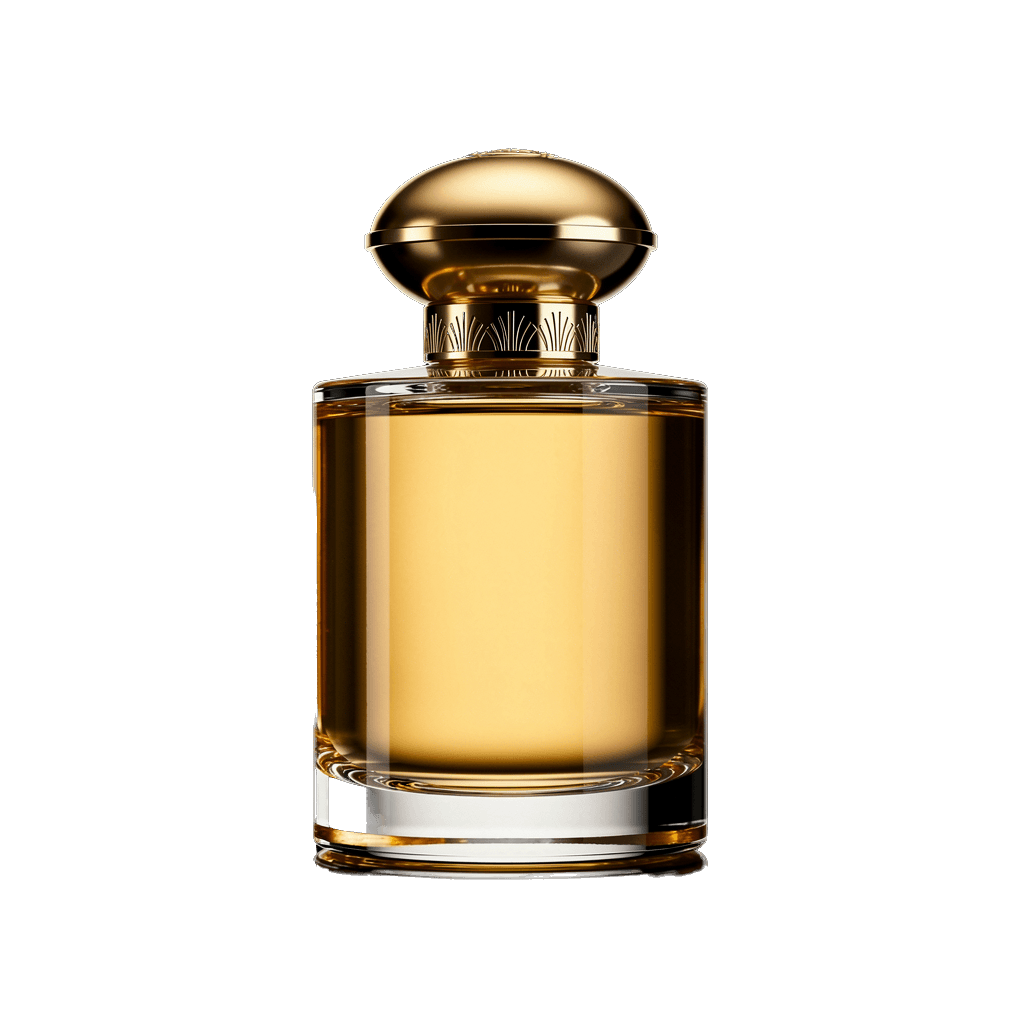
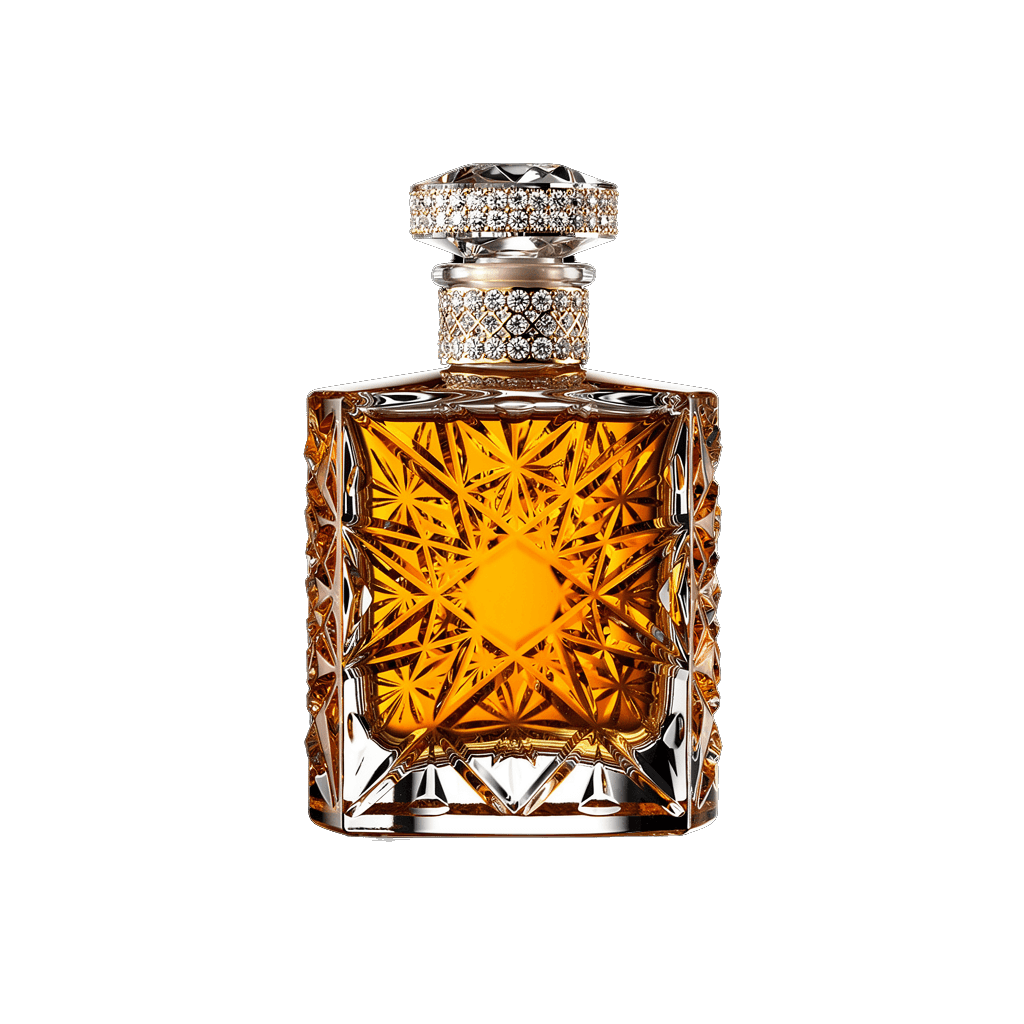
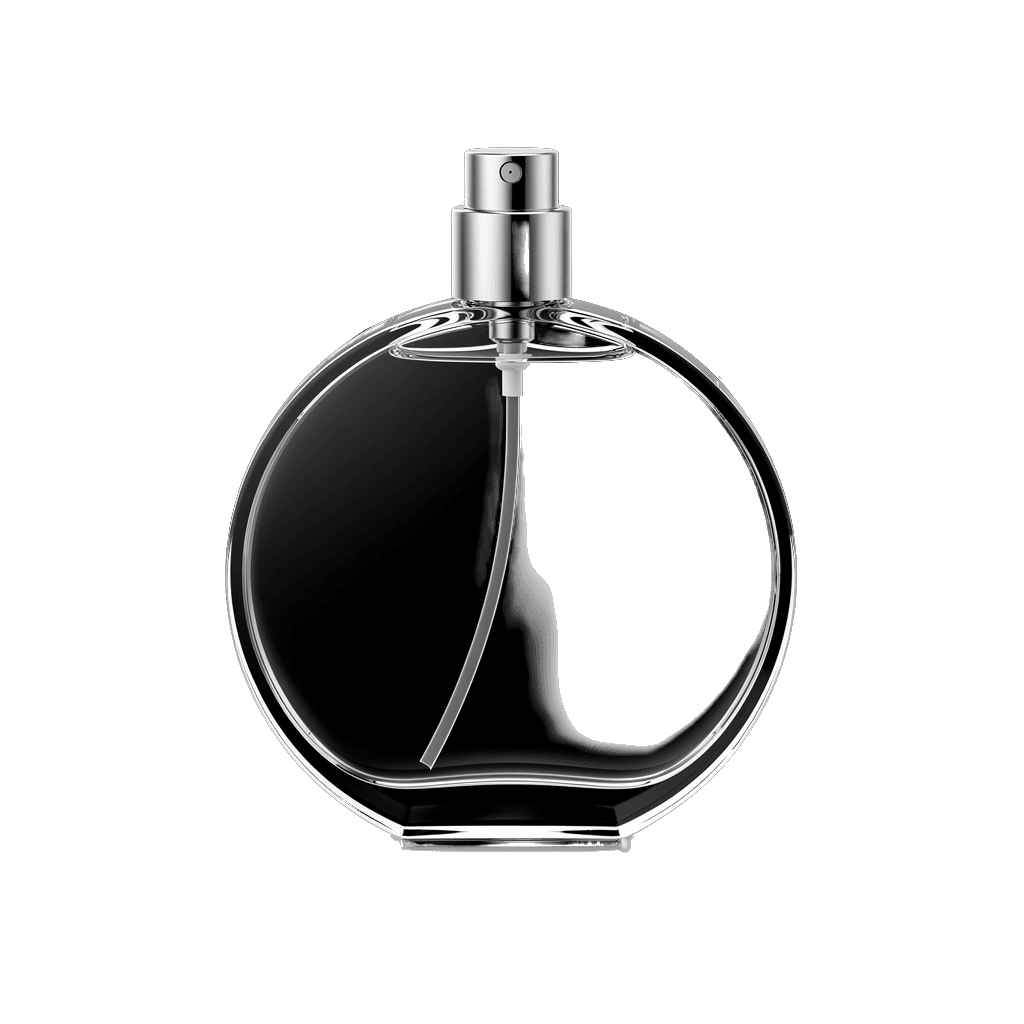
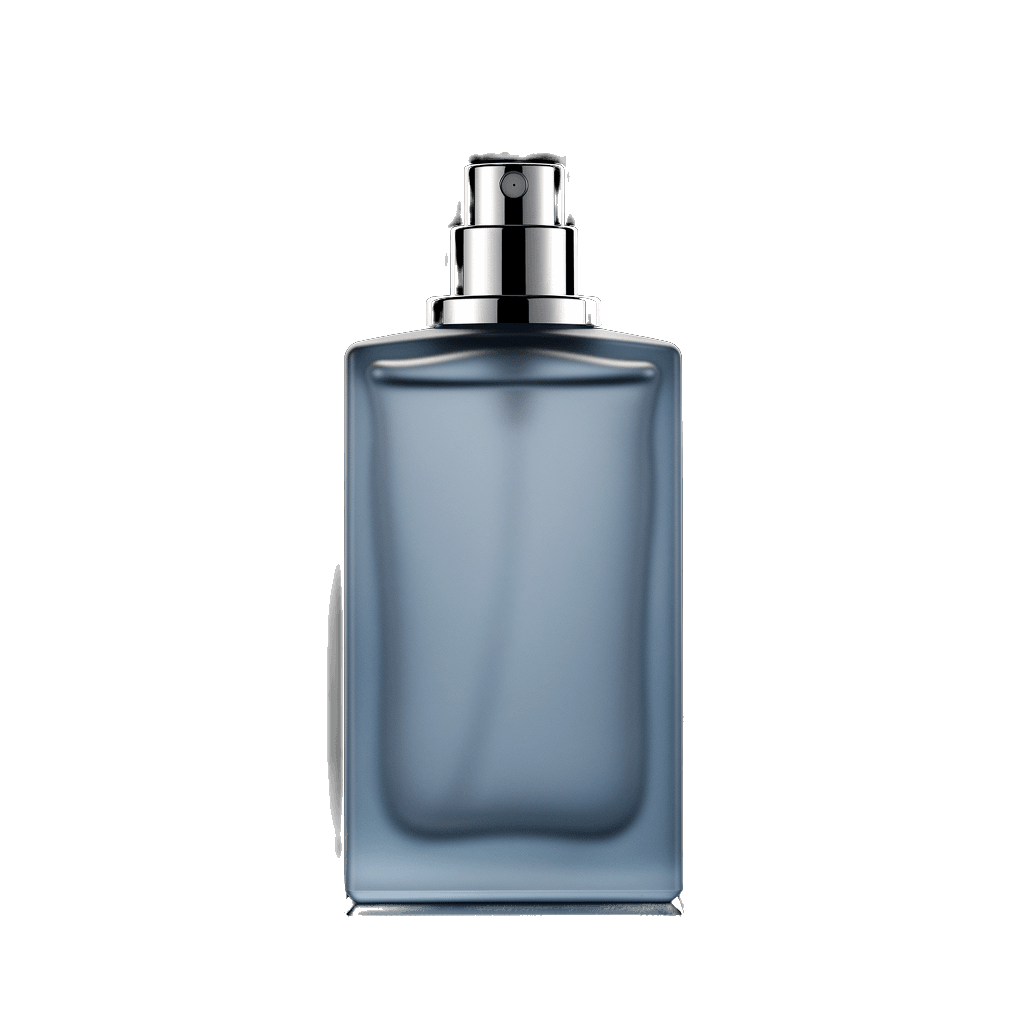
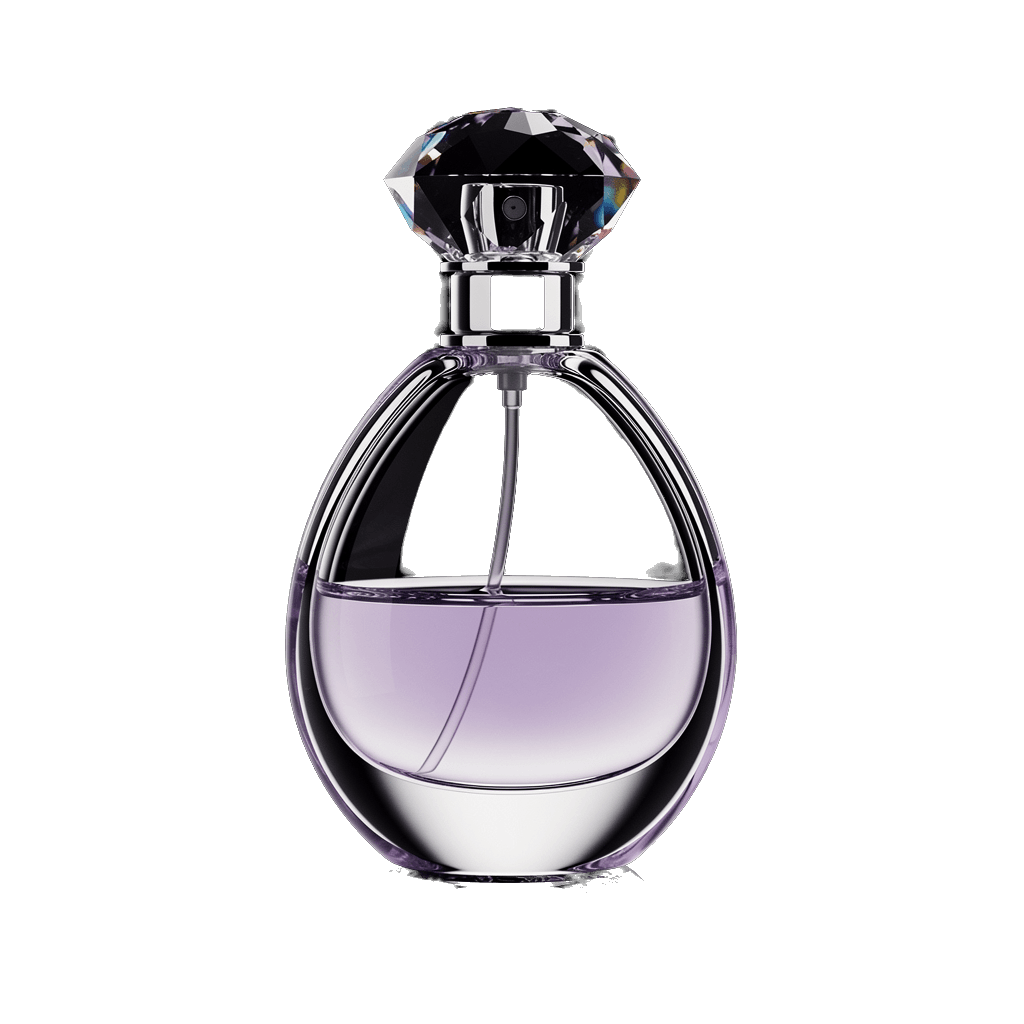
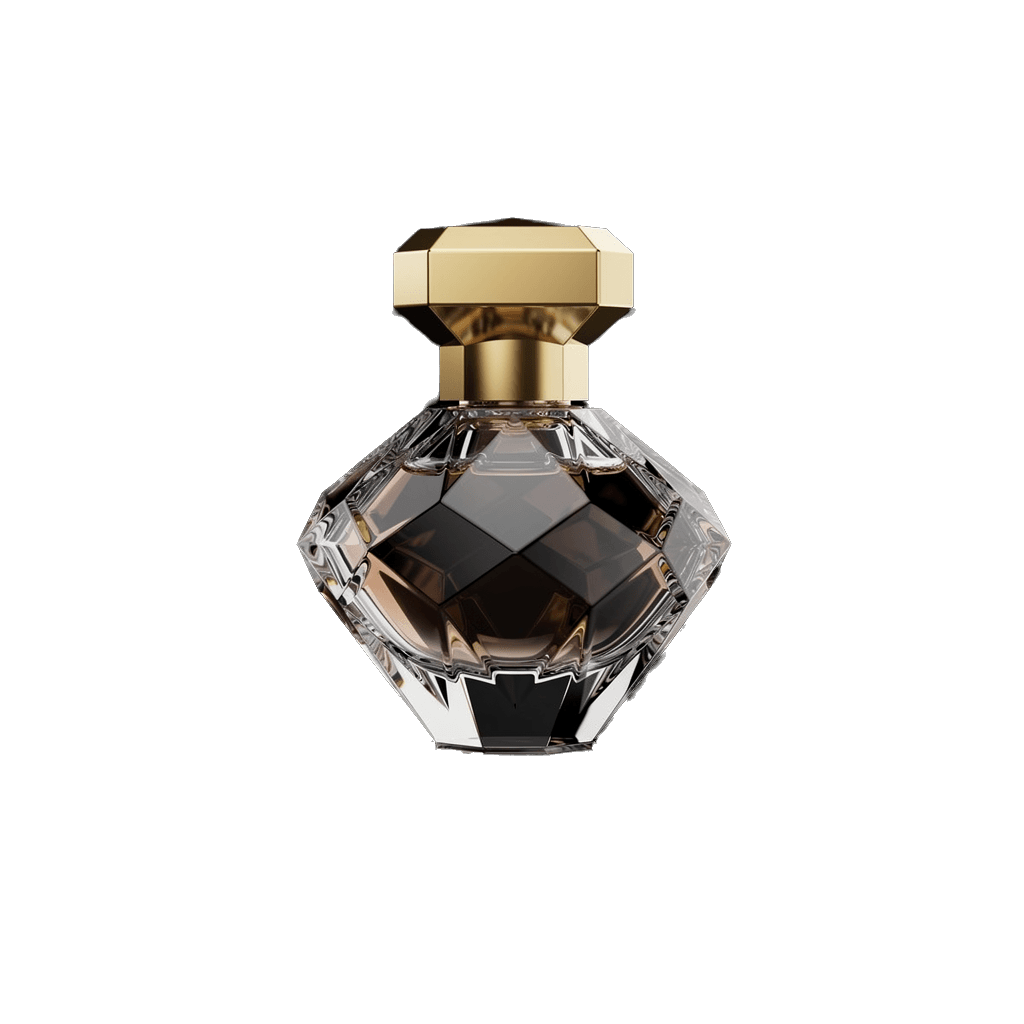
The visual language of Morris leans toward understated elegance. Bottles typically feature clear glass with simple, rounded silhouettes that allow the liquid’s color to become the focal point. Labels are printed on matte paper, using a restrained serif typeface and a single accent color that hints at the fragrance’s key note—emerald for Occhi Verdi Batik, amber for Maria Amalia, and deep navy for The Wild Man. Caps are either brushed metal or natural wood, chosen to complement the scent’s character without overwhelming the overall look. Packaging boxes follow the same minimal approach, employing recycled cardboard and subtle embossing. Marketing imagery often depicts the perfume in a quiet interior setting, such as a wooden table or a soft‑lit study, reinforcing the brand’s narrative‑driven ethos. The aesthetic choices aim to convey a sense of timelessness, inviting collectors to view each bottle as a small work of art rather than a disposable commodity.
Philosophy
Morris approaches perfumery as a dialogue between past and present. The brand’s statements, gathered from interviews with its creative team, emphasize respect for historic formulas while encouraging reinterpretation through modern techniques. It values scent as a memory trigger, aiming to craft fragrances that evoke specific moments or places rather than abstract concepts. Sustainability appears in its sourcing policy; the house reports that it selects natural ingredients from suppliers who adhere to environmentally responsible practices. Transparency is another pillar: Morris provides ingredient lists on its product pages, allowing consumers to understand the composition of each perfume. The brand also supports a modest community of scent enthusiasts, inviting feedback through online forums and using that input to refine future releases. By balancing reverence for tradition with a willingness to experiment, Morris seeks to create olfactory works that feel both familiar and surprising.
Key Milestones
1975
Launch of the first eponymous fragrance, Morris, marking the brand’s entry into the market.
1985
Release of Luna, a citrus‑woody blend that garnered attention in niche perfume publications.
1995
Introduction of Occhi Verdi Batik, noted for its vibrant green accords and historic inspiration.
2006
Maria Amalia debuts, reflecting the house’s interest in aristocratic narratives.
2013
Morriselle Pour Elle Musc arrives, offering a restrained musk that appeals to collectors seeking subtlety.
2018
The Wild Man launches, expanding the brand’s palette with bold, animalic notes.
At a Glance
Brand profile snapshot
Collection
2
Fragrances released
Avg Rating
4.2
Community sentiment
Release Rhythm