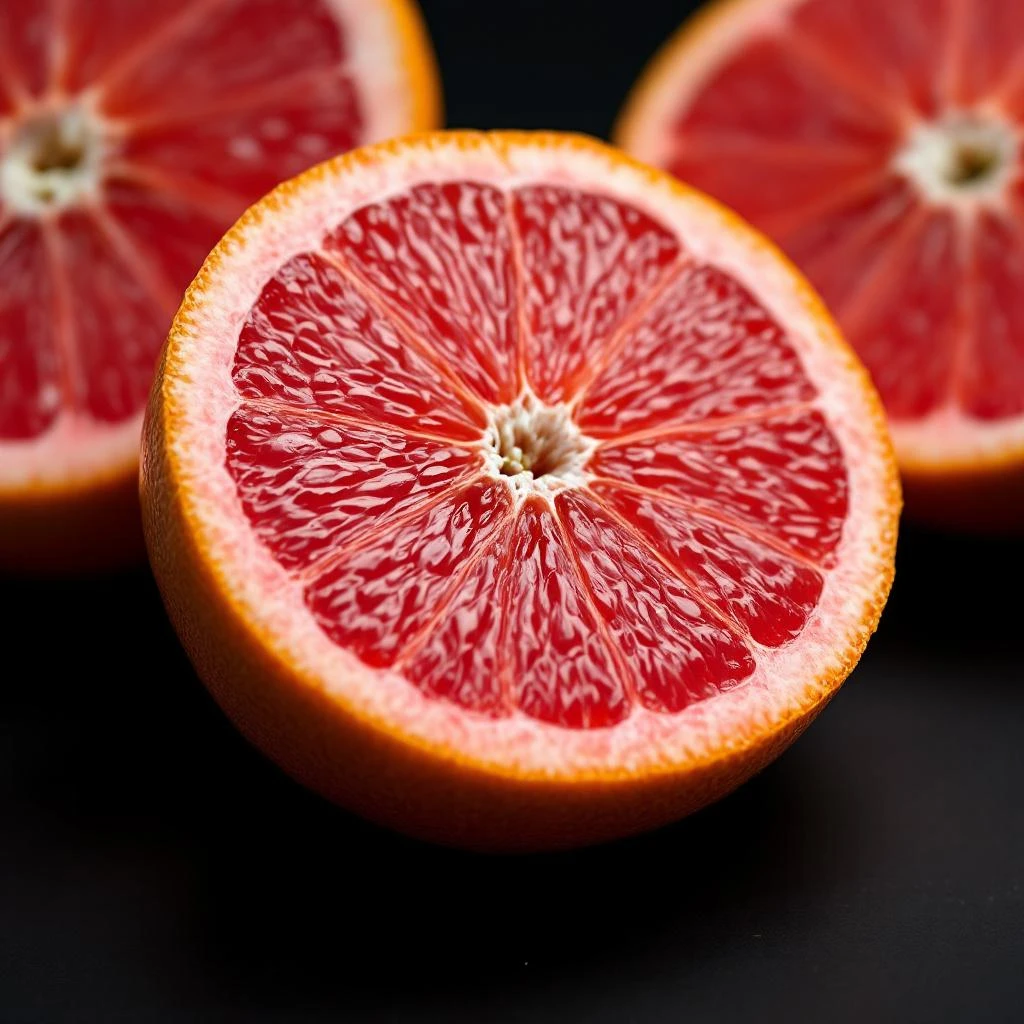


The Story
Why it exists.
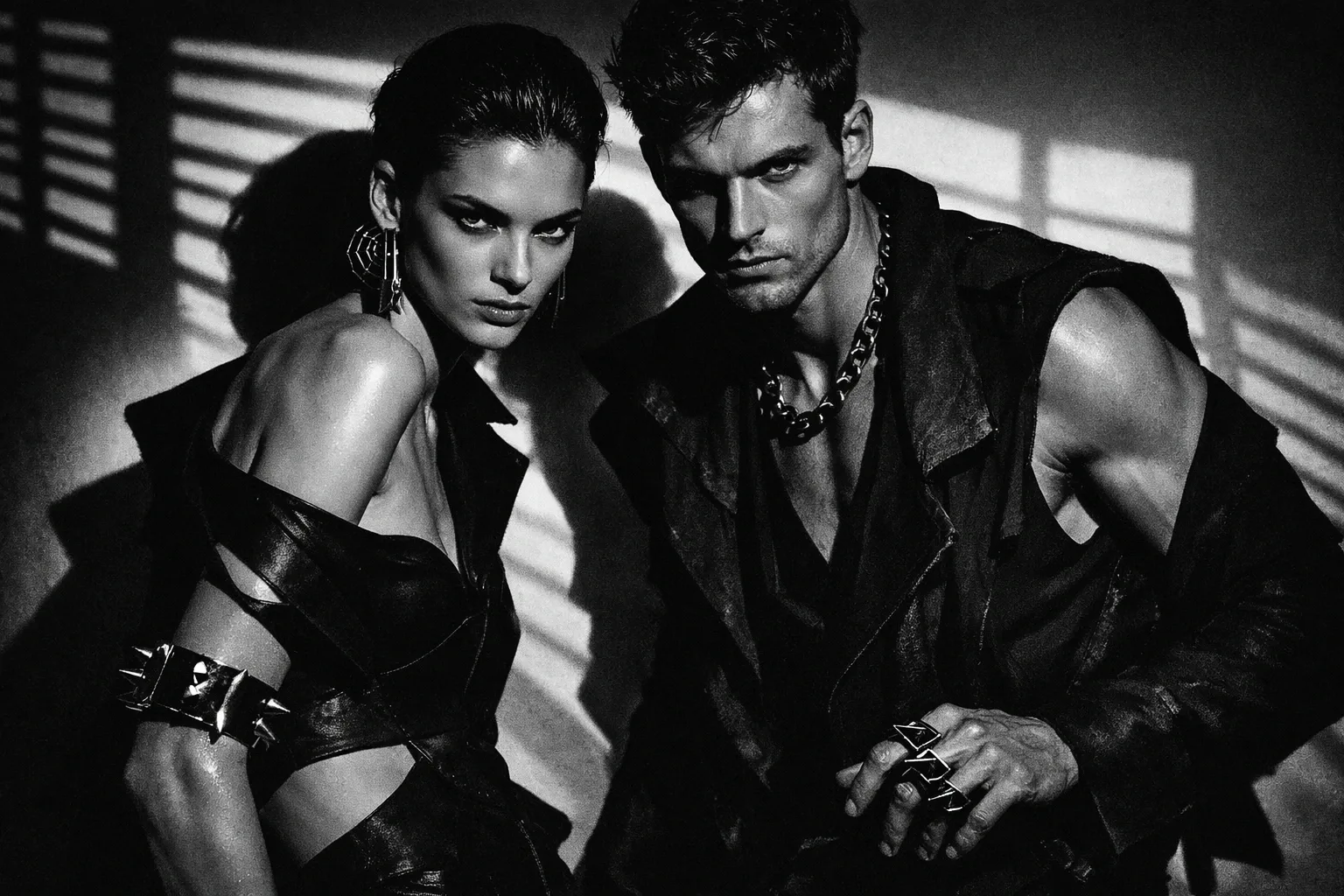
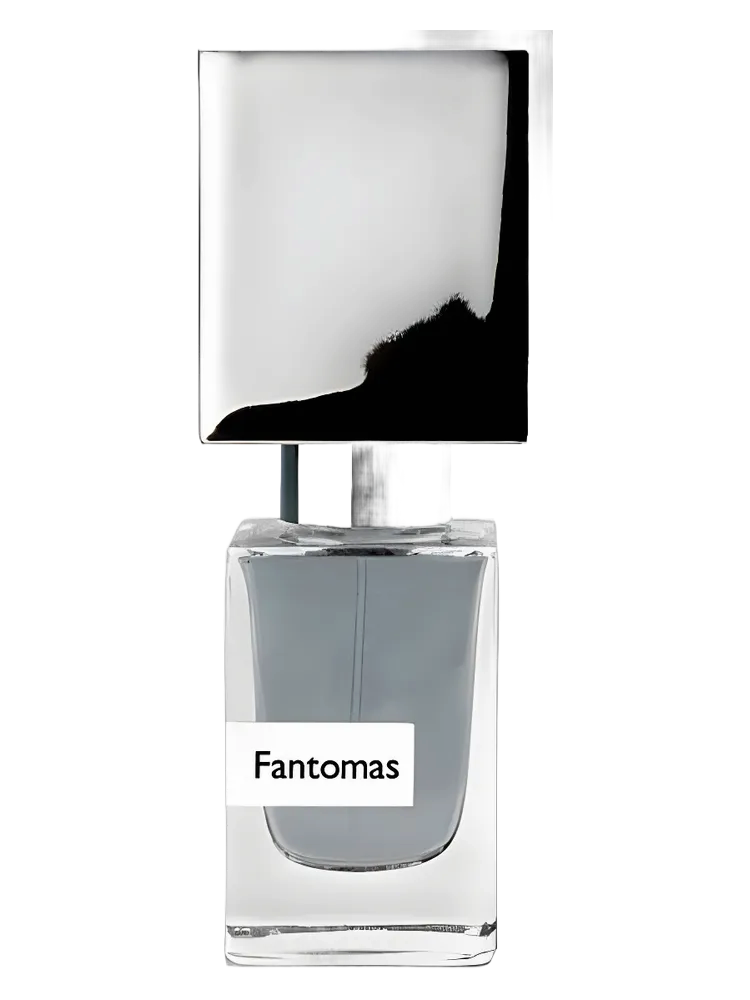
Fantomas arrived in 2020 from Alessandro Gualtieri's laboratory, carrying the Nasomatto name like a business card for trouble. The name references the villain, a figure that operates outside conventional boundaries. Gualtieri built the fragrance around an unusual tension: fruity sweetness meeting industrial smoke, held together by a woody-oud base that refuses to clarify the composition's intentions. It's a scent that refuses to explain itself, which is entirely on brand. The contrast runs through every layer of the fragrance, creating an experience that feels deliberately unresolved, where each note seems to be pulling in a different direction but somehow holds together.
If this were a song
Community picks
Midnight City
M83
The Beginning
Fantomas arrived in 2020 from Alessandro Gualtieri's laboratory, carrying the Nasomatto name like a business card for trouble. The name references the villain, a figure that operates outside conventional boundaries. Gualtieri built the fragrance around an unusual tension: fruity sweetness meeting industrial smoke, held together by a woody-oud base that refuses to clarify the composition's intentions. It's a scent that refuses to explain itself, which is entirely on brand. The contrast runs through every layer of the fragrance, creating an experience that feels deliberately unresolved, where each note seems to be pulling in a different direction but somehow holds together.
What makes Fantomas unusual isn't any single note, it's how the top and base layers seem to occupy different fragrances. The opening arrives with tropical melon sweetness, almost playful, backed by rubber and plastic accords that feel distinctly modern and synthetic. Meanwhile, the base of oud, vanilla, and woody notes operates in a completely different register, warm, resinous, almost biblical. Most fragrances resolve this kind of contrast. Fantomas holds it open, like a door left ajar. The cashmeran in the accord functions as a bridge, soft and musky enough to keep both worlds in the same room without forcing them to talk.
The Evolution
The first minutes announce melon and a faintly ozonic sweetness, clean fruit drifting over something warmer, more industrial. Within ten minutes the smoke arrives, not as a dramatic curtain but as an undertone that refuses to leave. The fruity heart hangs in the middle registers while the base settles quietly underneath. Then something shifts. The sweetness retreats, leaving the oud and vanilla as the dominant actors, a warm, slightly animalic drydown that many wearers describe as the fragrance's true identity. On fabric, Fantomas can hold for a full day. On skin, expect 4-6 hours with a moderate sillage that keeps the wearer present rather than projected across the room.
Cultural Impact
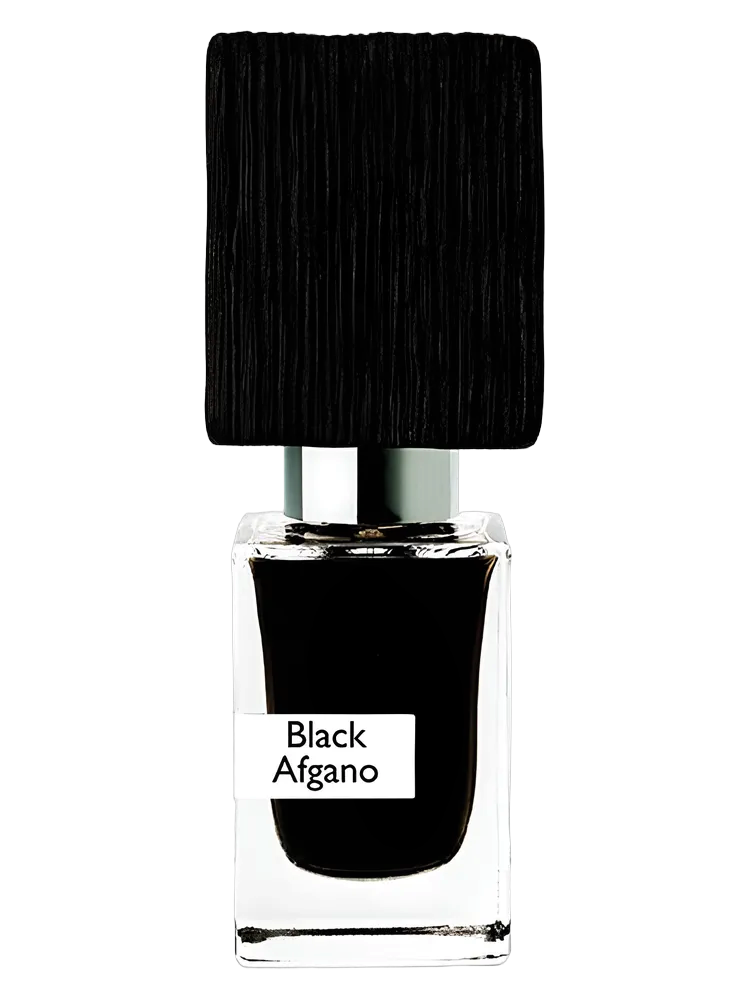
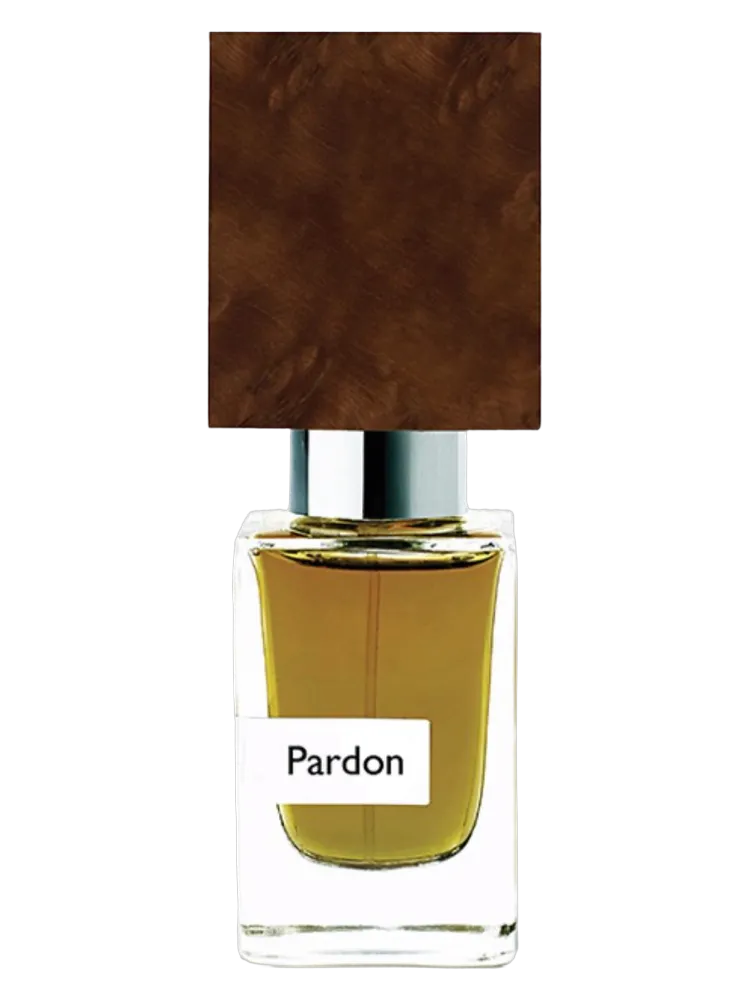
Fantomas occupies a specific niche in the Nasomatto lineup, positioned alongside compositions like Black Afgano, Pardon, and Narcotic Venus. It continues the house's approach by pairing accessible fruit notes with industrial and smoky elements, a combination that divides wearers. The launch placed it within a context where ozonic and fruity-forward compositions have gathered attention, though Fantomas' darker undercurrent gives it an edge that keeps it from feeling straightforward. Community reception shows a clear split between wearers who embrace the fruity-to-smoky evolution and those who find the transition jarring.
The House
Netherlands · Est. 2007
Nasomatto is an Amsterdam-based niche fragrance house founded by Italian perfumer Alessandro Gualtieri. The name translates to "crazy nose" in Italian, a self-aware nod to the brand's deliberately provocative approach to perfumery. Gualtieri established the house in 2007 after departing the traditional fragrance industry, where he had grown frustrated with commercial constraints. The brand occupies a singular position in niche perfumery, operating on instinct rather than market research, and refuses to publish ingredient lists for its compositions. Instead, Nasomatto offers only abstract, evocative descriptions that invite personal interpretation. Each fragrance arrives as an extrait de parfum, prioritizing longevity and intensity. The collection spans roughly a dozen releases since 2007, including standouts like Black Afgano (inspired by cannabis), the woody-baritone Duro, the whiskey-tinged Baraonda, and the provocative Pardon. The brand maintains a cult following among enthusiasts who seek fragrance as artistic expression rather than mere grooming.
If this were a song
Community picks
Fantomas has the energy of a late-night conversation in a place with low lighting and better music than you expected. The opening reads like a track that builds slowly, bright synth notes over a steady beat, before dropping into something warmer and more atmospheric. The drydown sits in the lower registers, the kind of sound that occupies the room without filling it. Think lo-fi electronic, smoky jazz, or a slow-building score that doesn't announce its presence until you've already been pulled in.
Midnight City
M83