The Heritage
The Story of O Boticário
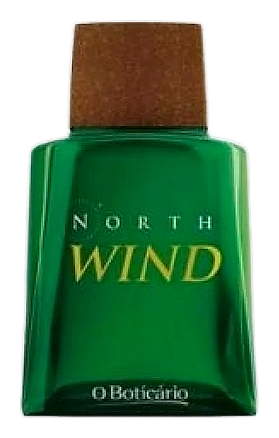
O Boticário is a Brazilian fragrance house that grew from a modest pharmacy in Curitiba to a national retailer with a catalogue that exceeds two hundred scents. The brand blends South American botanical heritage with contemporary olfactory trends, offering perfumes that feel both familiar and adventurous. Its stores line streets across Brazil and have begun to appear in a few overseas markets, inviting shoppers to explore a scent story rooted in the country’s diverse flora.
Heritage
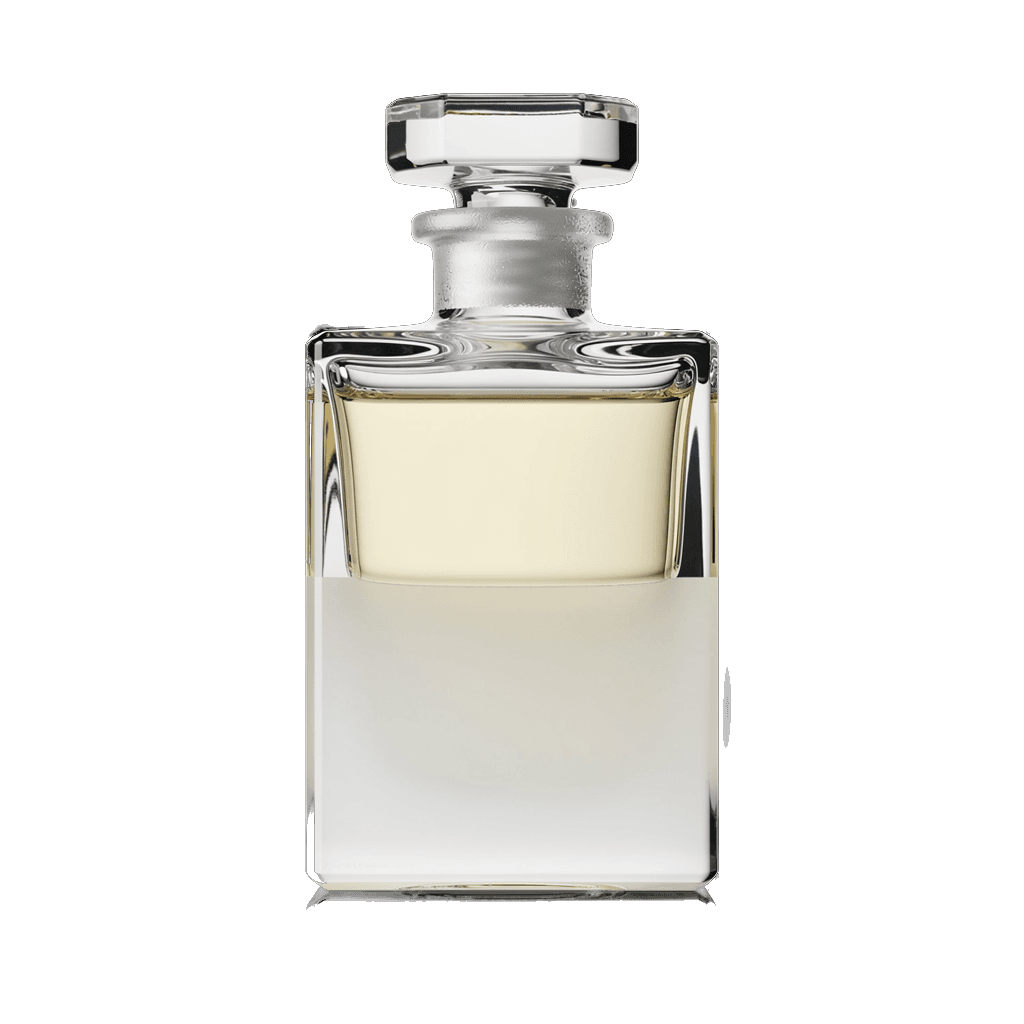
Miguel Krigsner opened a small pharmacy in Curitiba in 1977, naming it O Boticário after the Portuguese word for apothecary. The shop sold handmade cosmetics and a handful of fragrance blends that Krigsner created with the help of local botanists. By the early 1980s the business opened its first dedicated perfume boutique, introducing scents such as Samurai (1980) and Ravel (1992) that referenced Brazilian culture and geography. Throughout the 1990s O Boticário expanded its retail footprint, establishing a network of franchised stores that carried both cosmetics and a growing perfume line. In 2002 the brand launched Clipping, a fragrance that highlighted modern urban influences, and in 2009 it released the Egeo Kiss Me Woman collection, which quickly became a reference point for youthful, vibrant perfume design in Brazil. The 2010s saw O Boticário invest in sustainable sourcing, partnering with local growers to obtain essential oils from native species such as neroli and vetiver. In 2019 the 214 White Néroli was introduced, showcasing a transparent bottle that emphasized the brand’s move toward minimalist packaging. A notable technological milestone arrived in 2020 when O Boticário announced a partnership with an artificial‑intelligence research team to assist perfumers in formulating new accords, a project that aimed to accelerate development while preserving creative control. By 2022 the company exported its EGEO Cogu fragrance to the United States, marking the first time a core Brazilian perfume line entered the North American market. Over four decades, O Boticário has remained privately held, headquartered in São José dos Pinhais, Paraná, and continues to be guided by Krigsner’s original vision of a welcoming apothecary that celebrates scent as a personal experience.
Craftsmanship
Production takes place in a dedicated laboratory in São Paulo, where chemists and perfumers collaborate on each formula. Raw materials arrive from both Brazilian farms and approved overseas suppliers, and each batch undergoes a series of analytical tests to verify purity and concentration. The brand favors natural extracts such as Brazilian rosewood, guarana, and Amazonian copaiba, but it also incorporates synthetics when they enhance stability or longevity. Quality control includes gas‑chromatography profiling, which ensures that every bottle matches the original aromatic blueprint. Since 2020 the AI platform analyses historical sales data, consumer feedback, and ingredient compatibility to suggest novel combinations; however, human perfumers review and refine every recommendation before a scent moves to pilot production. Bottles are assembled by hand in a facility that follows ISO 9001 standards, and each container receives a final visual inspection for defects. The company has introduced recyclable glass and biodegradable caps for several lines, reflecting a commitment to reduce waste without compromising the tactile experience of unboxing a perfume.
Design Language
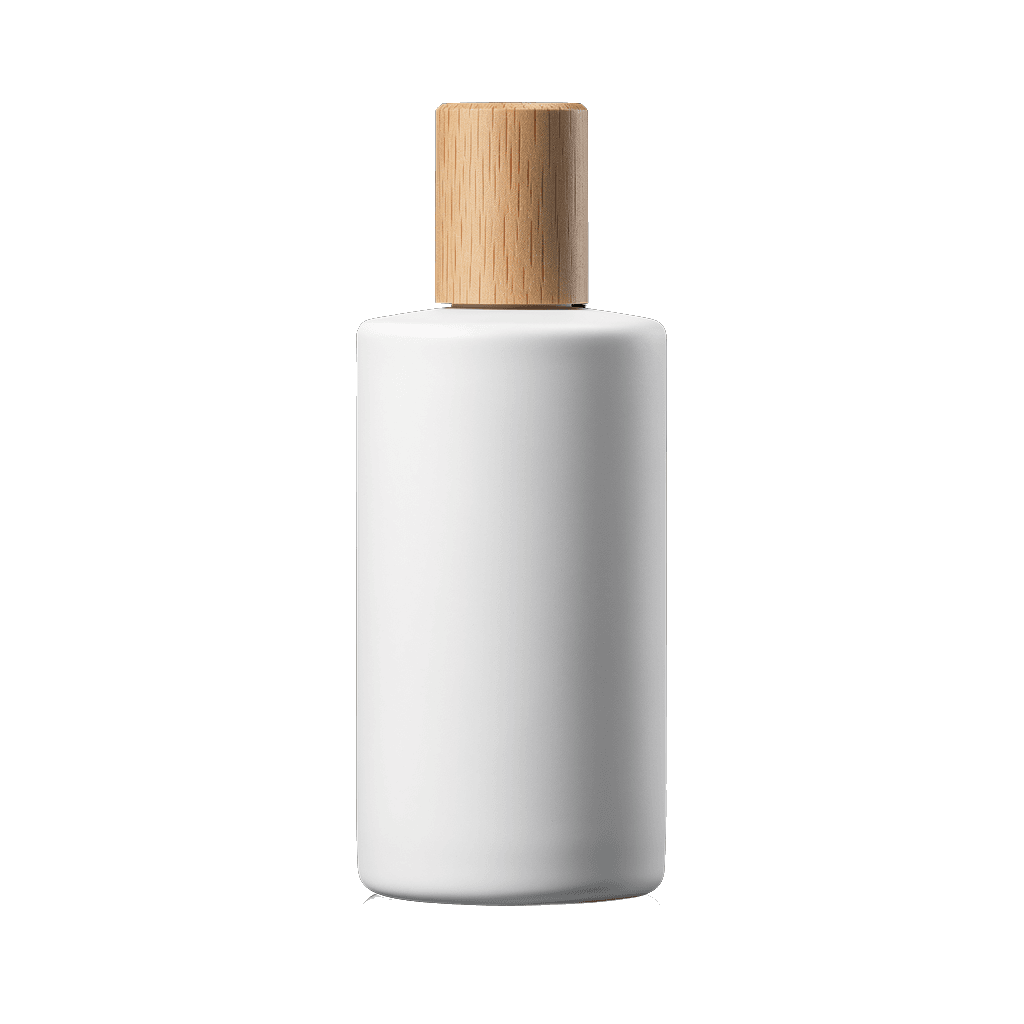
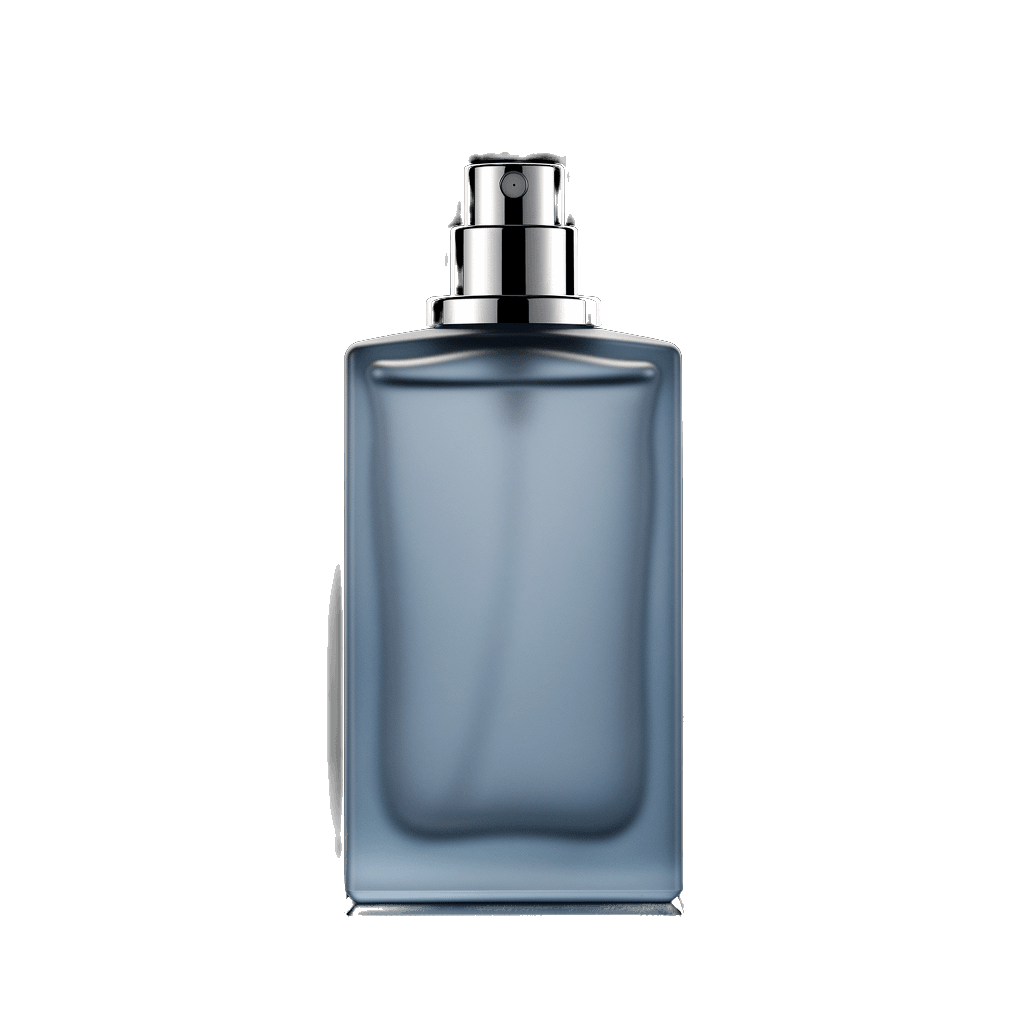
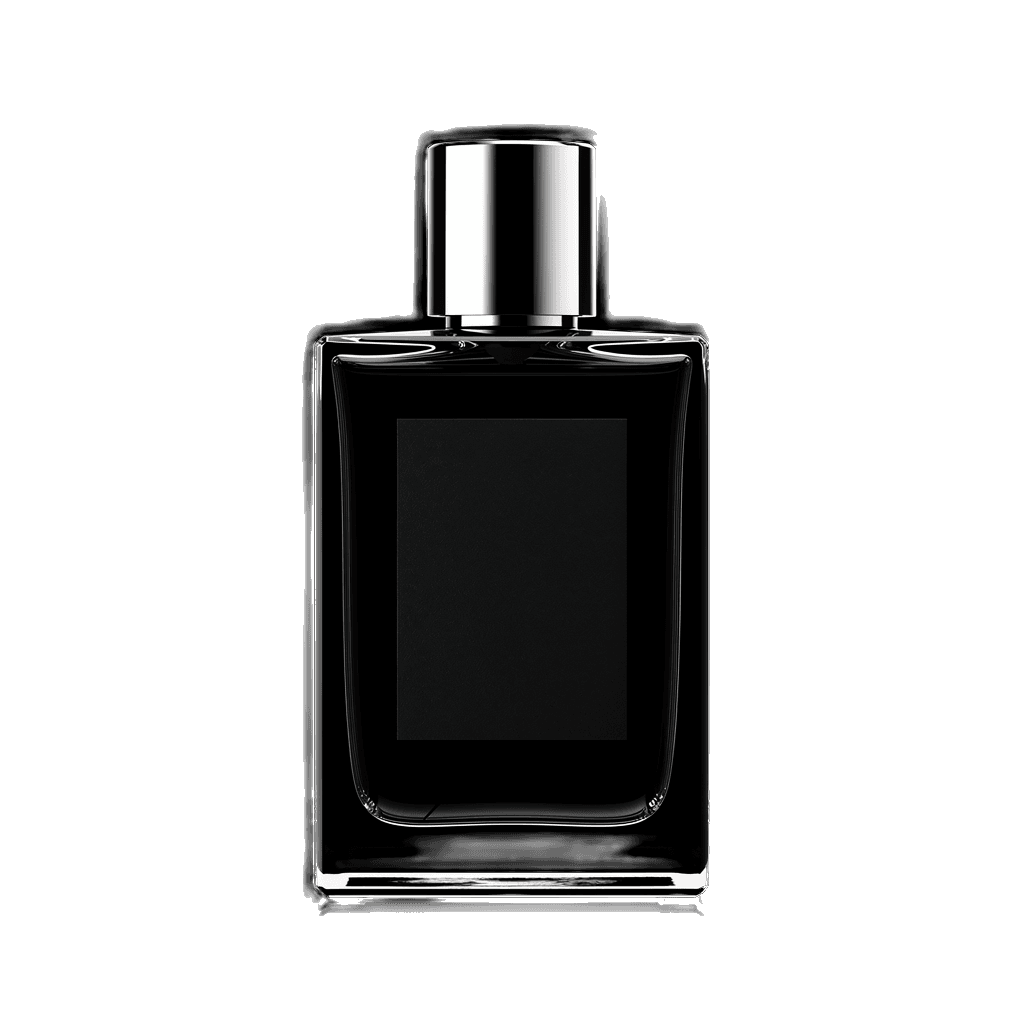
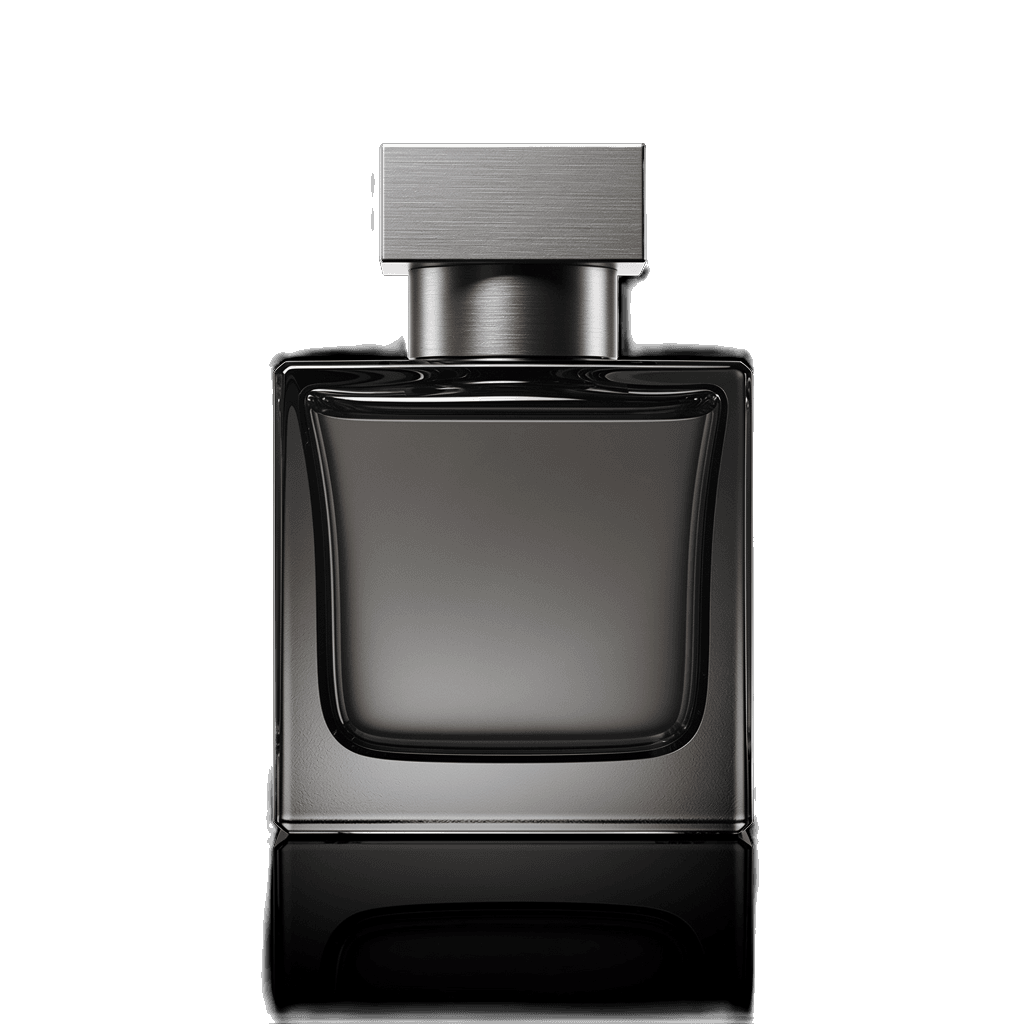
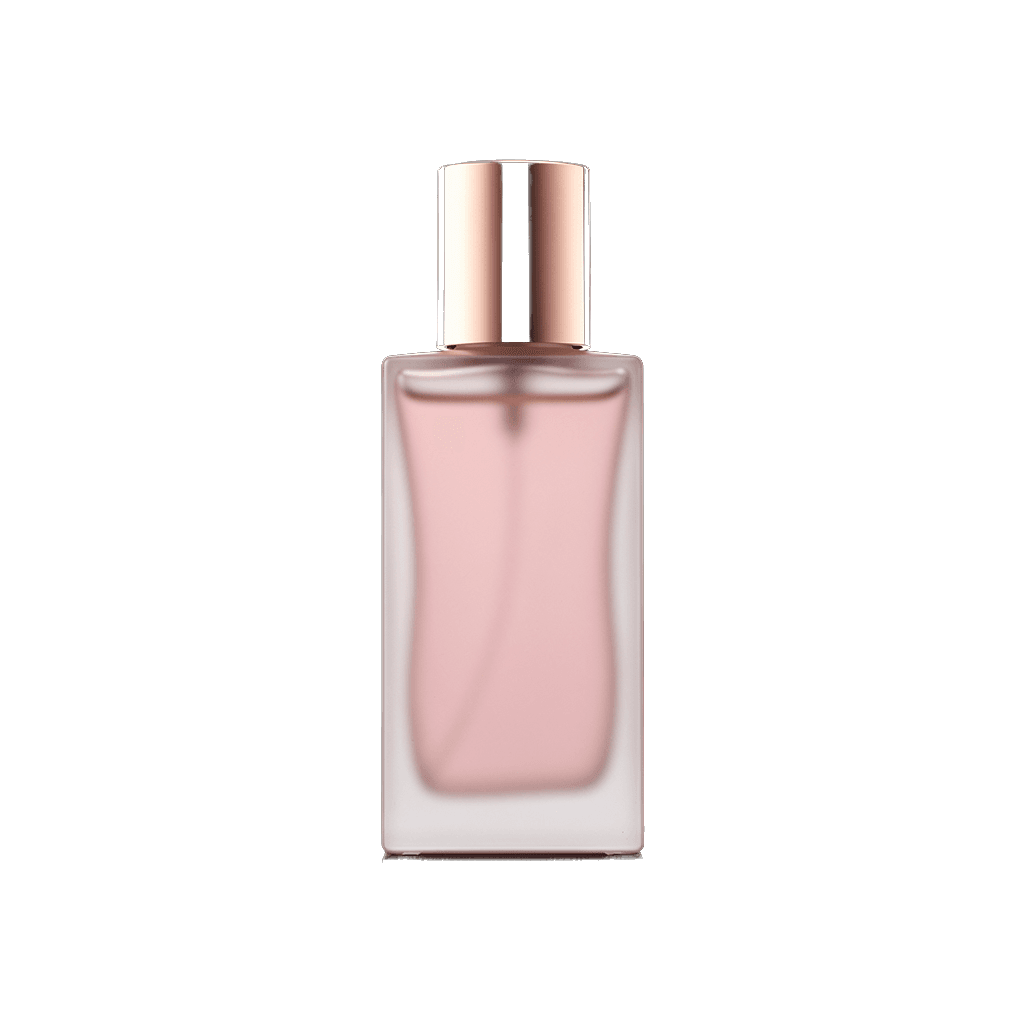
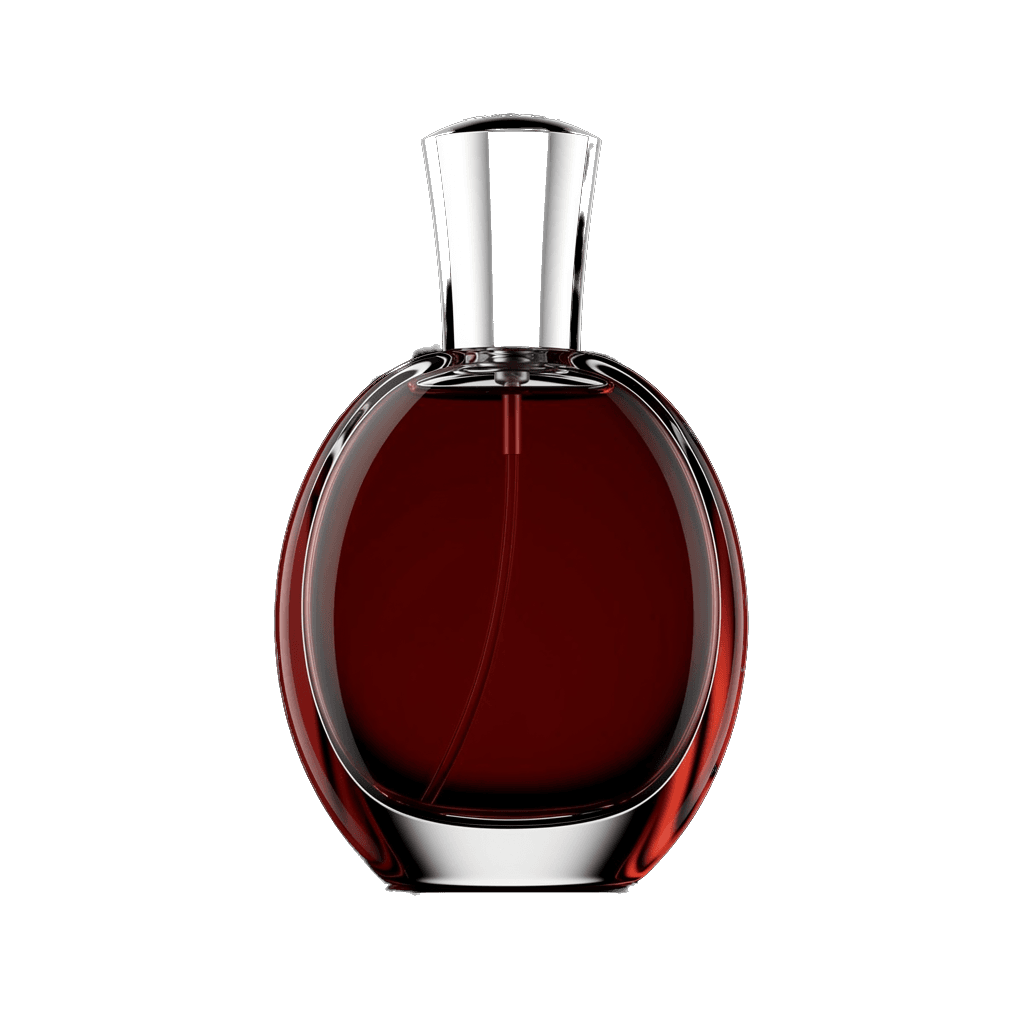
O Boticário’s visual language balances vibrant Brazilian colors with clean, modern typography. Early advertising featured bold, tropical imagery, while recent campaigns favor minimalist photography that highlights the perfume bottle as a sculptural object. Glass vessels often adopt soft curves that echo natural forms, such as the rounded silhouette of the 214 White Néroli, which uses a clear bottle to showcase the fragrance’s luminous character. Labels employ a sans‑serif typeface paired with subtle embossing, creating a tactile contrast that invites touch. In‑store displays echo the brand’s botanical roots, using reclaimed wood and living plants to frame product shelves. Seasonal collections introduce limited‑edition packaging that incorporates regional motifs, for example, a limited run of Egeo Kiss Me Woman featured a pastel gradient reminiscent of a Brazilian sunset. Across all touchpoints, the aesthetic strives for an approachable elegance that feels both contemporary and rooted in local culture.
Philosophy
The brand frames fragrance as a dialogue between the wearer and Brazil’s natural landscape. Its creative teams draw inspiration from regional ecosystems, translating the scent of a rainforest canopy or a coastal breeze into olfactory notes. O Boticário stresses authenticity, insisting that each perfume reflects a specific story rather than a generic trend. Sustainability underpins this narrative; the company prefers ingredients that are harvested with minimal impact on biodiversity, and it supports small‑scale farmers through fair‑trade agreements. Transparency guides product development: label information lists key natural components, and the brand publishes brief notes on the sourcing origins of prominent ingredients. Innovation is approached as a tool, not a goal; the recent AI initiative serves to augment, not replace, the intuition of seasoned perfumers. Ultimately, O Boticário seeks to make scent accessible, encouraging customers to experiment with fragrance as a form of self‑expression rather than a status symbol.
Key Milestones
1977
Miguel Krigsner opens the first O Boticário pharmacy in Curitiba, Brazil.
1980
Launch of Samurai, one of the brand’s early fragrance icons.
1992
Ravel is introduced, expanding the line with a scent inspired by Brazilian art.
2002
Clipping debuts, reflecting urban influences in the perfume portfolio.
2009
Egeo Kiss Me Woman collection releases, targeting a youthful audience.
2019
214 White Néroli launches with a minimalist bottle design.
At a Glance
Brand profile snapshot
Origin
Brazil
Founded
1977
Heritage
49
Years active
Collection
19
Fragrances released
Avg Rating
4.0
Community sentiment
Release Rhythm