The Heritage
The Story of Pancaldi
Pancaldi is an Italian fragrance line that emerged from a partnership between the menswear house Pancaldi Co. and the perfumer known as Hanorah. The debut scent arrived in 1988 as a classic eau de toilette, later refined into an Eau de Toilette Concentrée in 1989. Though the brand never pursued mass‑market exposure, it cultivated a discreet following among connoisseurs who appreciate a scent that mirrors the precision of tailored clothing. Pancaldi’s offerings remain a quiet chapter in the broader story of niche perfumery, celebrated for their understated elegance and commitment to a gentleman’s aesthetic.
Heritage
The story of Pancaldi begins with an Italian sartorial firm that built its reputation on handcrafted suits and refined accessories. In the late 1980s the company sought a signature fragrance that could translate the tactile quality of its fabrics into olfactory form. Hanorah, a perfumer operating under the creative direction of Diana di Silva, answered that call, delivering a composition that debuted as Pancaldi & B in 1988. The fragrance was positioned as a masculine, aromatic blend that complemented the brand’s emphasis on structure and detail. A year later, the formula received a concentration upgrade to Eau de Toilette Concentrée, a move that subtly altered the scent’s intensity while preserving its core character. Throughout the 1990s and early 2000s, Pancaldi maintained a low‑key distribution strategy, offering its perfume primarily through select boutique retailers and directly to loyal clients of the clothing line. The brand’s archives remain modest, and no extensive public records of additional releases have surfaced, suggesting that Pancaldi chose depth over breadth in its olfactory portfolio. While the house never announced large‑scale expansions, it continued to align new scent releases with seasonal collections of its apparel, reinforcing a cohesive brand narrative that ties scent to style. Today, Pancaldi is referenced in niche fragrance databases such as Basenotes and The Scented Devil, where collectors note its rarity and the subtle evolution between the 1988 and 1989 versions. The brand’s heritage, therefore, rests on a clear moment of collaboration that linked Italian tailoring with a bespoke fragrance, a partnership that still resonates with enthusiasts who value quiet craftsmanship over headline‑grabbing marketing.
Craftsmanship
The production of Pancaldi fragrances follows a hands‑on methodology that blends traditional Italian perfumery techniques with modern quality controls. According to the Basenotes profile, the original 1988 formula was assembled in small batches, allowing the perfumer to monitor the integration of each essential oil and aroma chemical. Ingredient sourcing leans heavily on Mediterranean raw materials—citrus from Sicily, rosemary from Tuscany, and leather accords derived from natural birch oil—chosen for their regional authenticity. The 1989 concentration upgrade involved a recalibration of the perfume’s oil‑to‑alcohol ratio, a process that required precise measurement to preserve the scent’s balance while enhancing its longevity. Quality assurance includes a series of stability tests conducted in temperature‑controlled chambers, ensuring that the fragrance retains its intended character over time. Packaging is sealed with a screw‑cap that incorporates a nitrogen flush, a technique used to limit oxidation before the bottle reaches the consumer. The brand reportedly works with a single, long‑standing bottling partner in Milan, a facility known for its meticulous hand‑filling procedures. Each bottle undergoes a visual inspection for clarity and uniformity before being boxed in a minimalist, matte‑finished sleeve that bears the Pancaldi logo in embossed lettering. This attention to detail, from raw material selection to final packaging, underscores the brand’s commitment to delivering a product that reflects the same exacting standards found in its clothing line.
Design Language
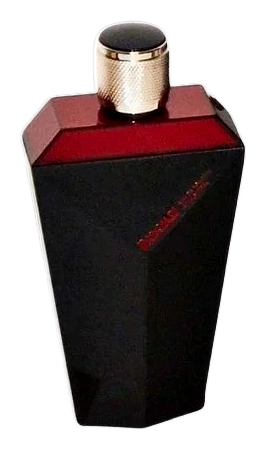
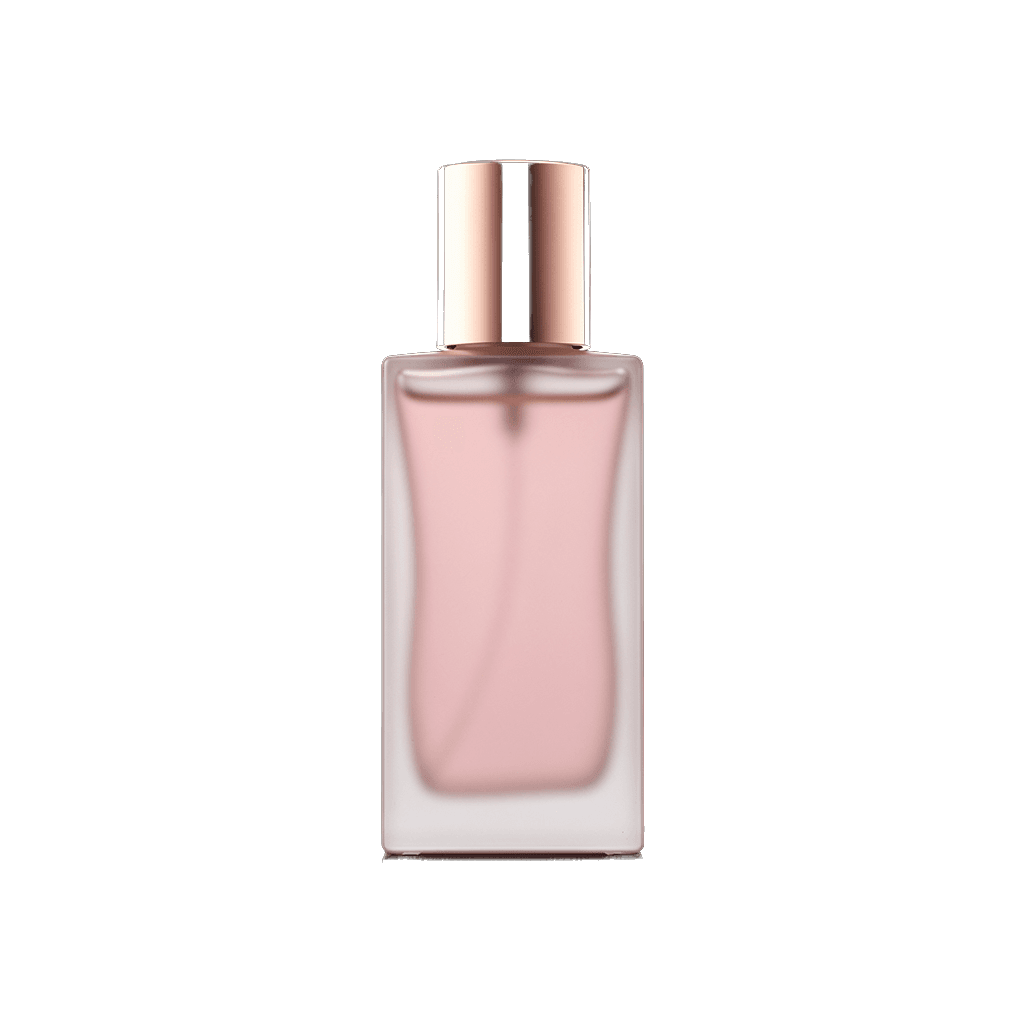
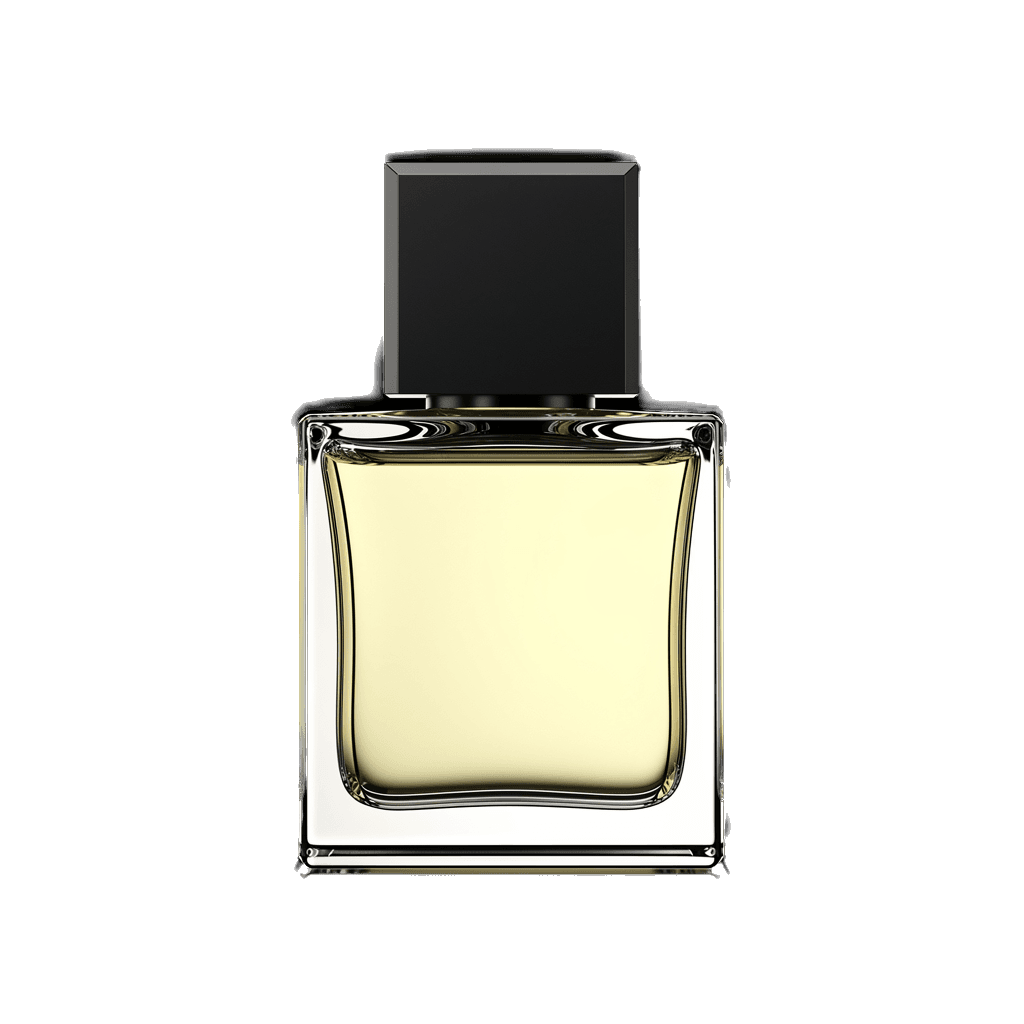
Visually, Pancaldi presents a restrained elegance that mirrors the clean lines of Italian tailoring. The original 1988 bottle features a slender, rectangular silhouette made of clear glass, allowing the pale amber hue of the liquid to be seen. A thin, brushed‑metal cap adds a subtle industrial touch, while the label displays the brand name in a serif typeface reminiscent of classic menswear branding. When the Eau de Toilette Concentrée was introduced in 1989, the design retained the same proportions but added a deeper, richer amber tint to the glass, signaling the heightened concentration. The packaging sleeve adopts a muted charcoal background with a faint pinstripe pattern, evoking the texture of a suit fabric. The logo, embossed in silver foil, provides a tactile cue that aligns with the brand’s emphasis on touch. Marketing imagery, when it appears in boutique displays, often pairs the bottle with monochrome photographs of tailored jackets, polished leather shoes, and minimalist interiors, reinforcing the notion that the fragrance is an extension of a well‑curated wardrobe. This visual strategy avoids flamboyant graphics, instead opting for a timeless, understated aesthetic that appeals to consumers who prefer subtle sophistication over overt branding.
Philosophy
Pancaldi’s creative vision centers on the idea that a fragrance should function as an invisible accessory, echoing the precision of a well‑cut suit. The brand asserts that scent, like fabric, can be engineered to support confidence without overwhelming the wearer. In interviews, the team behind Pancaldi (as reported by niche fragrance forums) emphasizes authenticity, stating that each note is chosen for its ability to complement rather than dominate a gentleman’s presence. The philosophy also embraces restraint; rather than chasing fleeting trends, Pancaldi opts for timeless accords that age gracefully on the skin. Sustainability is approached pragmatically: the brand sources ingredients from established European suppliers known for consistent quality, and it limits production runs to maintain exclusivity and reduce waste. By aligning the perfume’s narrative with the sartorial heritage of the parent company, Pancaldi seeks to create a holistic experience where the wearer feels both dressed and scented in harmony. This approach reflects a broader movement among niche houses that prioritize narrative cohesion over aggressive promotion, positioning the fragrance as a quiet statement of personal style.
Key Milestones
1988
Launch of Pancaldi & B, an eau de toilette created by perfumer Hanorah for Pancaldi Co.
1989
Release of Pancaldi Eau de Toilette Concentrée, a higher‑strength version of the original scent.
1995
Pancaldi fragrance begins limited distribution through select Italian boutique retailers, aligning releases with seasonal clothing collections.
2002
The brand’s scent is documented in niche fragrance databases, including Basenotes and The Scented Devil, cementing its status among collectors.
At a Glance
Brand profile snapshot
Origin
Italy
Collection
1
Fragrances released
Avg Rating
4.3
Community sentiment
Release Rhythm