
The Heritage
The Story of Rabanne
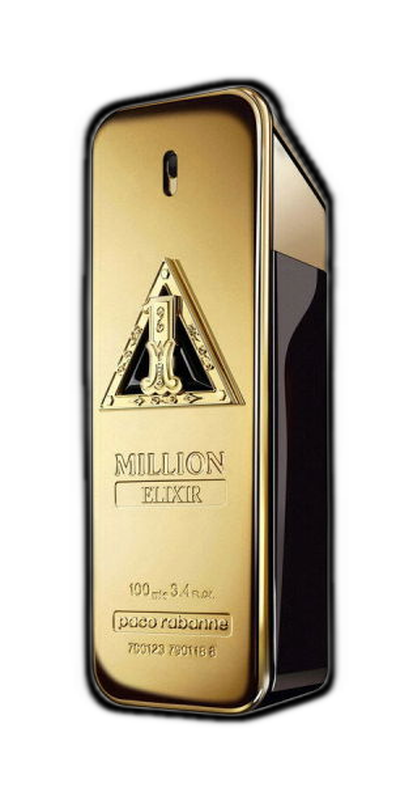
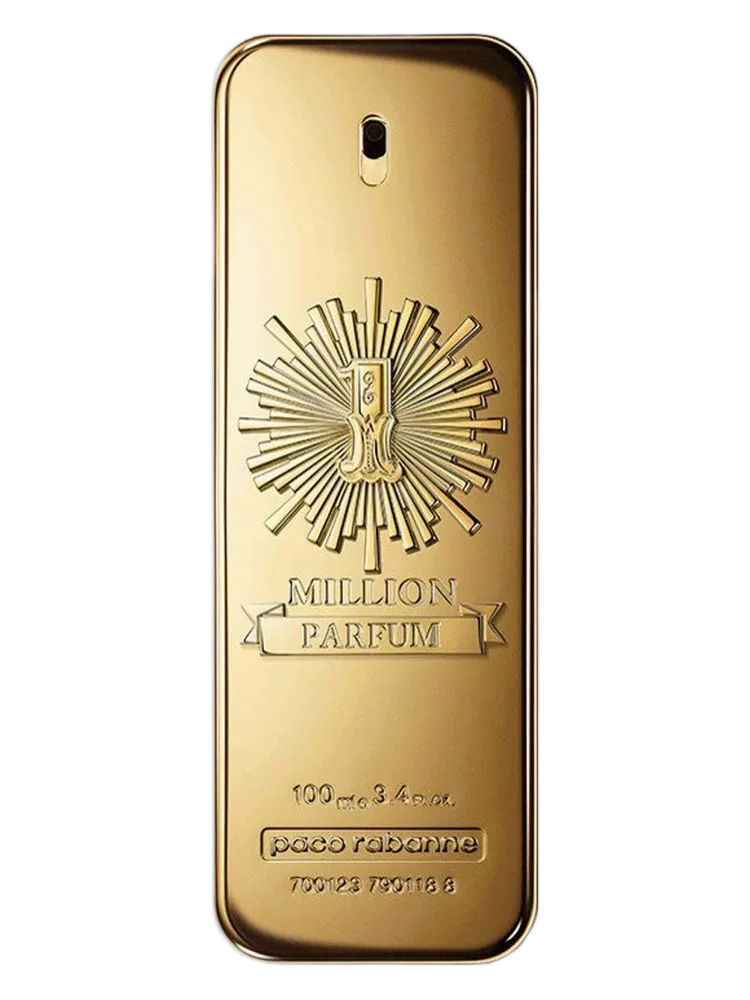
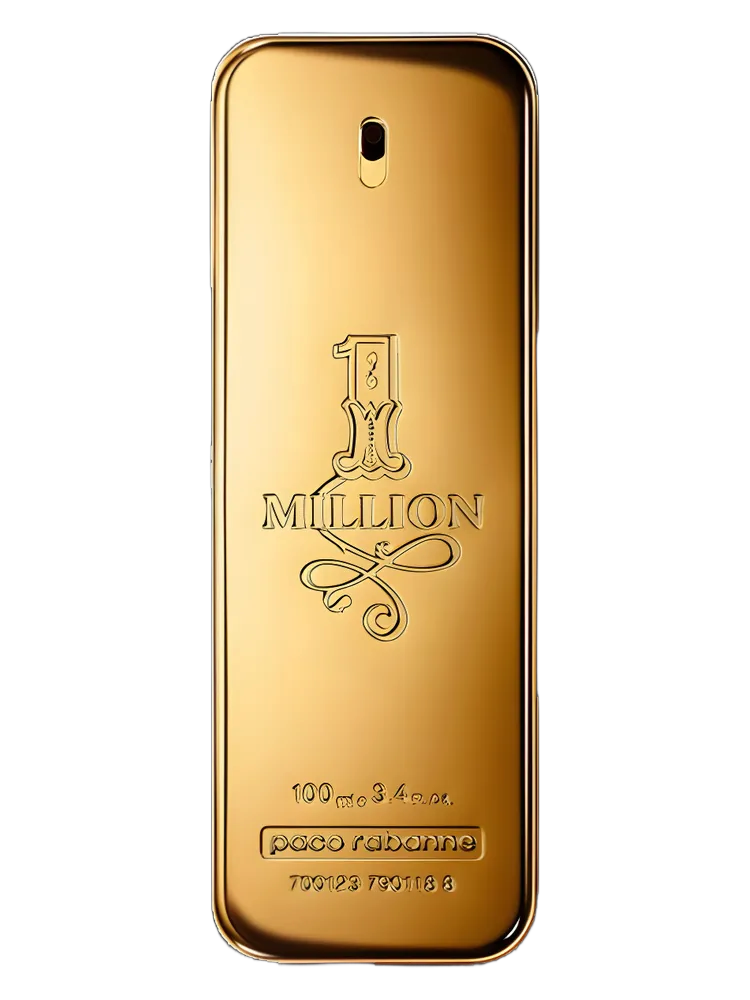
Rabanne is a Paris-based fashion and fragrance house founded by Spanish-born designer Francisco Rabaneda Cuervo, known professionally as Paco Rabanne. The house established itself in perfumery through a partnership with Spanish fragrance company Puig, beginning with the 1969 launch of Calandre. The brand's olfactory identity draws from its fashion heritage: architectural construction, metallic materials, and provocative design language that challenged 1960s fashion conventions. Rabanne built a portfolio of over 85 fragrances spanning multiple decades, from aldehydic florals and aromatic fougeres to orientals and fresh aquatic compositions. The house's gold ingot-shaped bottle for 1 Million (2008) became one of the most recognizable fragrance silhouettes in global retail. Nadia Dhouib was appointed General Manager in April 2022 after serving at Galeries Lafayette, tasked with unifying the brand's fashion and fragrance voices and expanding audience reach. In mid-2023, the house rebranded from Paco Rabanne to simply Rabanne, completing that consolidation.
Heritage
Francisco Rabaneda Cuervo, born in 1934 in Pasaia on Spain's Basque coast, arrived in Paris as a child refugee during the Spanish Civil War. He trained formally as an architect at l'Ecole Nationale des Beaux-Arts while supplementing his income with fashion sketches for Dior and Givenchy, and shoe designs for Charles Jourdan. After his studies, Rabanne worked for over a decade for Auguste Perret, France's leading reinforced concrete developer. That structural engineering background profoundly shaped his approach to fashion construction. In 1966 he founded his own fashion house in Paris, quickly gaining notoriety for designs built from unconventional industrial materials including metal chain mail, plastic links, and paper. These creations sparked fierce controversy within the Parisian fashion establishment. The notoriety, however, attracted a different kind of partnership. In 1968 Rabanne signed a licensing agreement with the Spanish fashion and fragrance company Puig (founded 1914 by Antonio Puig and the Castello family in Barcelona). The following year, 1969, saw the launch of Calandre, the house's debut fragrance, a collaboration that marked the beginning of Rabanne's fragrance division. The partnership deepened steadily, with Puig acquiring the house entirely in 1986. Rabanne continued overseeing fragrance development into his later years. His final contribution was 1 Million (2008), which emerged as the house's most commercially successful scent. He passed away in February 2023 at age 88.
Craftsmanship
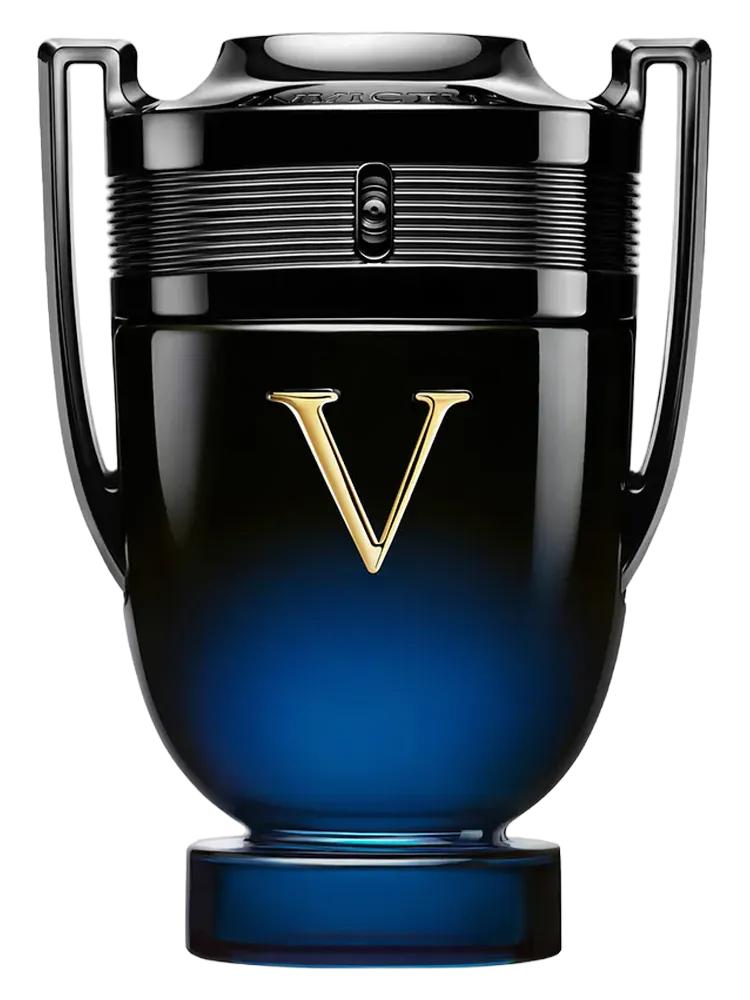
Rabanne fragrances are developed and distributed through parent company Puig, which has owned the brand since 1986. This corporate structure gives the house access to established fragrance development pipelines, ingredient sourcing networks, and global retail distribution spanning Europe, the Middle East, Asia, and the Americas. Rabanne produces fragrances across standard formats including eau de toilette, eau de parfum, pure parfum, and more recently, elixir concentrations as seen in Invictus Victory Elixir (2023) and 1 Million Elixir (2022). The brand maintains a broad olfactory portfolio with fragrances classified across aromatic, fougere, oriental, chypre, and fresh aquatic families. Ingredient sourcing follows industry-standard supply chains managed through Puig's fragrance division, with composition development handled by in-house perfumers working against specific creative briefs set by the brand. The house does not publicize proprietary ingredient partnerships comparable to private rose farms or exclusive raw material cultivations, placing it within the accessible luxury tier of the fragrance market rather than the ultra-niche segment. Notable production details include the involvement of French bottle designer Pierre Dinand on key packaging, and a broad geographic availability through duty-free retail, department stores, and selective perfumery doors. The rebranding to Rabanne (2023) coincided with internal restructuring under General Manager Nadia Dhouib, who signaled an intent to deepen coordination between fashion and fragrance divisions at a production and creative level.
Design Language
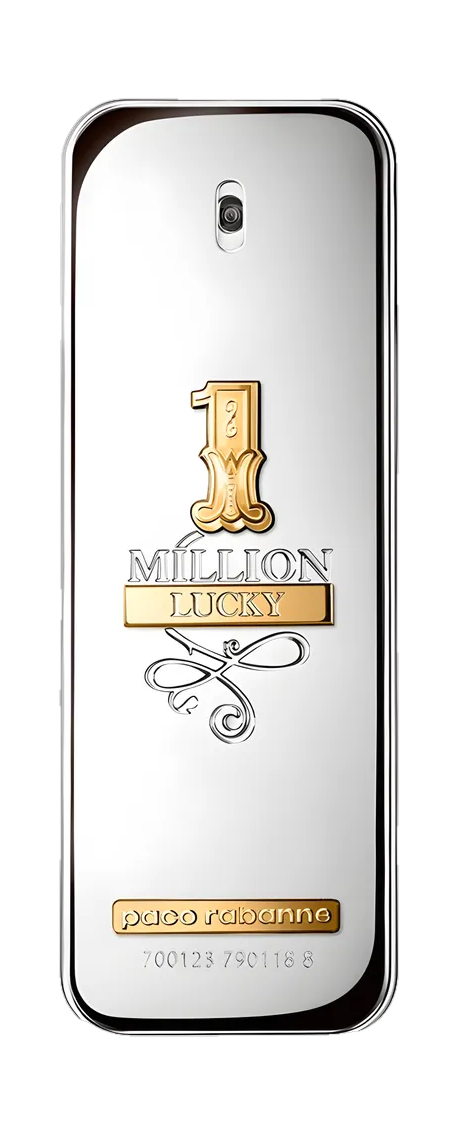
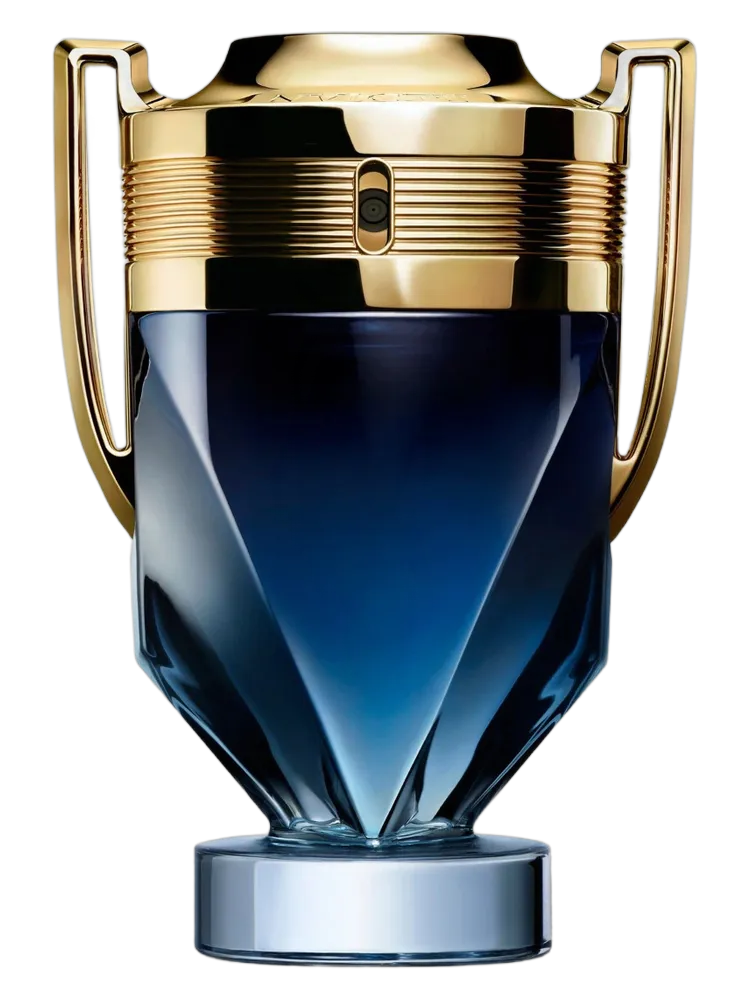
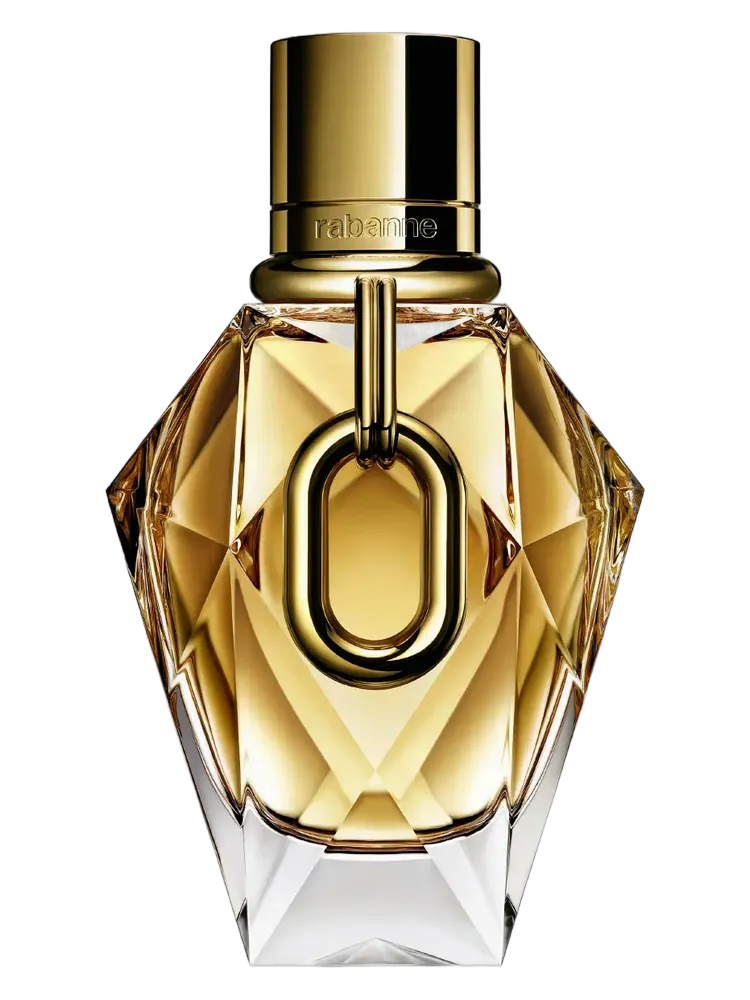
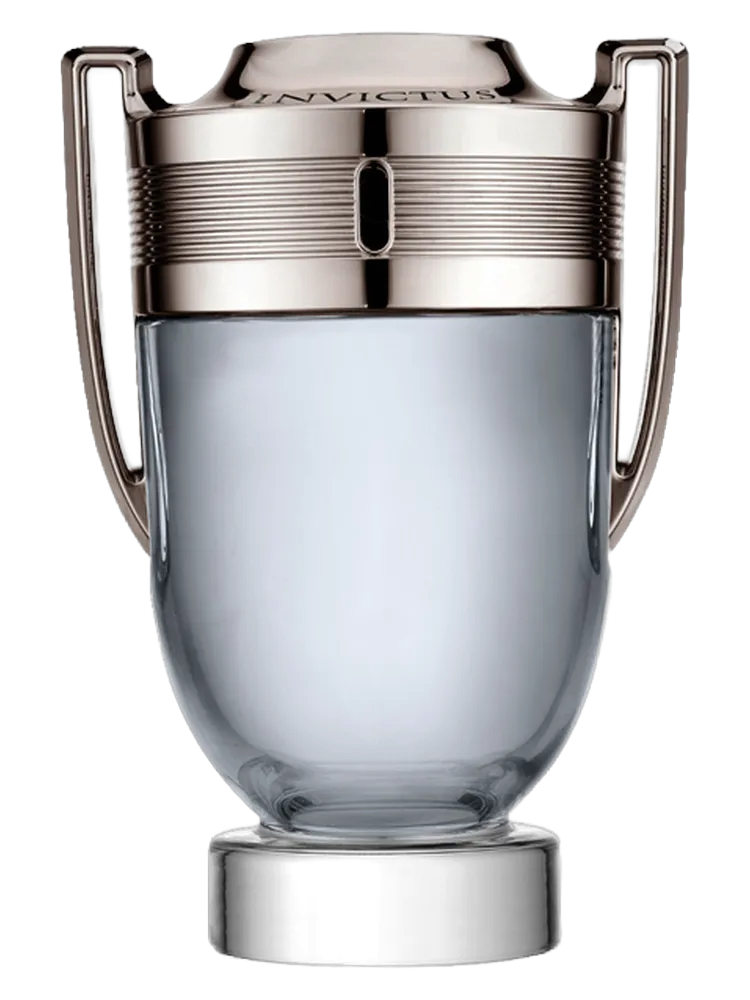
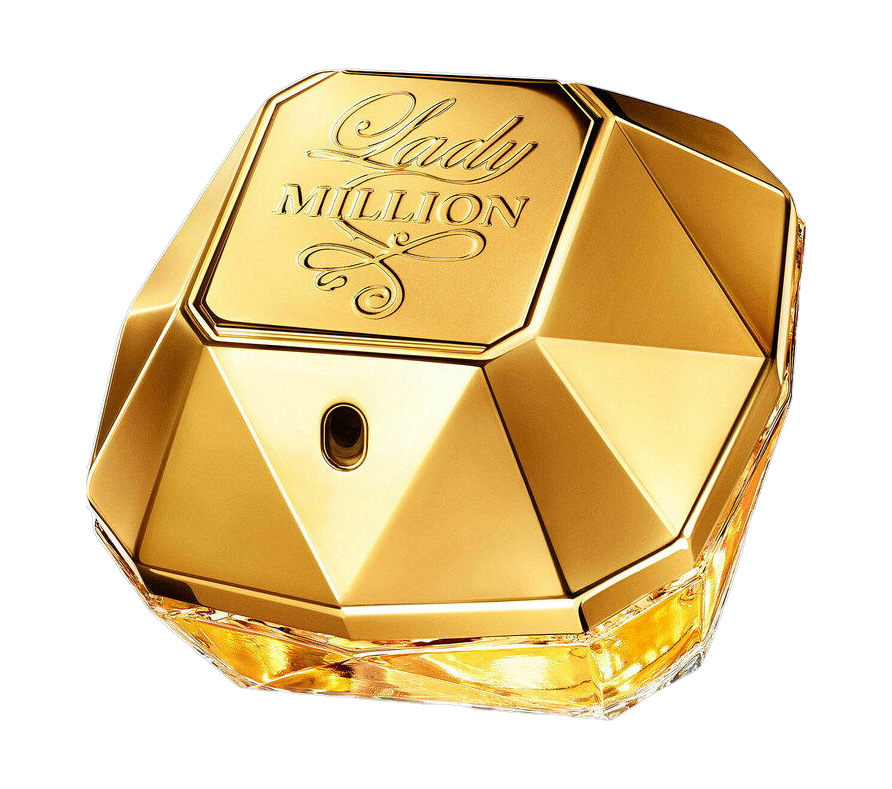
Rabanne's visual identity stems directly from the fashion house's most famous creative gesture: the use of metal, plastic, and industrial materials in couture construction. The signature gold ingot bottle for 1 Million, designed by Pierre Dinand, is the most recognizable expression of this aesthetic, translating the house's metallic fashion language into an object that feels simultaneously precious and confrontational. Lady Million extends the metallic motif through faceted bottles capped in gold. The broader visual language features clean geometric forms, strong contrasts between light and shadow, and a masculine confidence that reads as self-assured rather than ostentatious. Across fashion campaigns and fragrance imagery, the brand favors bold structural composition over decorative excess. Typography is direct and modern, and the palette often centers on metallic gold against dark grounds. The 2023 rebranding from Paco Rabanne to Rabanne simplified the visual identity by removing the personal first name, moving toward a house mark that functions as a unified brand entity rather than a celebrity attribution. The Invictus line, launched in 2013, introduced a parallel aesthetic track for the sport and freshness market, featuring angular blue bottles with a different visual vocabulary while maintaining the core structural discipline. Across all lines, the brand's packaging demonstrates the same architectural sensibility that defined the fashion house's couture work in the 1960s and 1970s.
Philosophy
Rabanne articulated his approach to fragrance with characteristic directness: 'I like my fragrances to be fresh first, then structured, full of vibrations and contrasts.' That statement captures a philosophy built around sensory impact and deliberate tension between elements rather than smooth, unified compositions. From its very first fragrance, the house pursued a strategy of provocation. Calandre (1969) combined aldehydes with floral notes in a composition that felt industrial and architectural, almost like a structural component. The house's approach has always been to take unconventional materials and unexpected contrasts, and make them feel classic rather than eccentric. Marcel Carles, who worked on Calandre, recalled the brief as almost cinematic: imagining a rich young man arriving in an E-type Jaguar. That sense of dramatic arrival informs the entire fragrance line. Rabanne described wanting vibrations and contrasts, not gentle transitions. Over nearly six decades and 85-plus fragrances, the house has maintained that willingness to be bold, to lean into propositions that some customers find challenging and others find exhilarating. The result is a portfolio that attracts consumers across generations, drawn to the house's provocative sensibility rather than any single house style. The 1 Million line, for instance, carries a distinctly edible, assertive character, while Lady Million pivots toward warmth and sensuality, and Invictus addresses a sportier, fresher market. Each extension takes a recognizable brand identity and pushes it into different emotional territory.
Key Milestones
1966
Francisco Rabaneda Cuervo founded his Paris fashion house, establishing the label that would become Rabanne.
1969
Rabanne launched its debut fragrance Calandre through a partnership with Puig, the Spanish fashion and fragrance company founded in 1914.
1973
Paco Rabanne pour Homme debuted as one of the earliest fragrances in the aromatic fougere family, uniting spicy, woody, and amber contrasts.
2008
1 Million launched, becoming the house's defining commercial fragrance and reportedly the last scent Paco Rabanne personally contributed to developing.
2013
Invictus launched, introducing a sporty fresh fragrance line that expanded the brand's reach into athletic and active lifestyle positioning.
2023
The brand officially rebranded from Paco Rabanne to Rabanne, simplifying its identity and consolidating fashion and fragrance divisions under unified creative direction.
At a Glance
Brand profile snapshot
Origin
France
Founded
1966
Heritage
60
Years active
Collection
12
Fragrances released
Avg Rating
4.0
Community sentiment
Release Rhythm