The Heritage
The Story of RboW
Rbow is a Seoul‑based fragrance house that emerged in 2020 with a clear intent: to treat scent as a visual art form. The label releases both personal perfumes and ambient home fragrances, each framed by a narrative drawn from Korean culture, contemporary art, and the natural world. Since its debut, Rbow has introduced a series of limited‑edition scents such as Monsoon (2023), O.A.C (2021), Atelier Chai (2023) and the recent Tokyo Fig (2025). The brand’s catalogue balances bright, citrus‑forward compositions with deeper, resinous statements, offering collectors a concise yet evolving library. Rbow’s products are sold through its own boutique website and a curated network of boutique retailers in Asia and Europe, positioning the house as a modest but steadily growing voice in the niche perfume landscape.
Heritage
Rbow was founded in April 2020 by So Hyung Kim, a former director of Gana Art, one of Korea’s earliest modern art galleries. After a decade curating exhibitions that juxtaposed traditional Korean aesthetics with contemporary practice, Kim turned his attention to olfaction, seeing scent as another medium for storytelling. The brand’s launch was announced in a feature on Startup Life, which noted Kim’s intent to translate his curatorial eye into fragrance composition. Early development relied on collaborations with independent perfumers in Seoul, who helped translate Kim’s mood boards into aromatic formulas. The first public release, O.A.C, arrived in 2021 and was presented at Seoul Design Week, where it received coverage from local design magazines. 2022 marked the introduction of the home‑fragrance line, expanding Rbow’s reach beyond personal wear. In 2023 the house released Monsoon, a scent inspired by the seasonal rains of the Indian subcontinent, and Black Wood, a darker, woody offering that earned a feature in the Korean edition of Vogue. 2024 saw Rbow partner with a Seoul‑based glass studio to craft a limited‑edition bottle for Santal Bleu, emphasizing the brand’s commitment to artisanal production. By 2025 the label had entered the Japanese market with Tokyo Fig and Tokyo Stripe, fragrances that reference the city’s seasonal fruit markets. Throughout its first five years, Rbow has maintained a small‑batch production model, releasing no more than 2,000 units per fragrance, a practice documented on its official website. The brand’s trajectory reflects a deliberate, art‑first philosophy rather than rapid commercial scaling, a point highlighted in a 2024 interview with Korea Economic Daily.
Craftsmanship
Rbow’s production workflow blends artisanal techniques with modern quality standards. Raw materials are sourced primarily from Korean farms that practice organic or low‑input agriculture; for example, the citrus notes in O.A.C come from Jeju Island’s tangerine groves, where growers employ hand‑picking to preserve oil content. The brand also imports select ingredients—such as Indian sandalwood for Black Wood—through certified fair‑trade channels, ensuring traceability from tree to bottle. Once ingredients arrive at Rbow’s modest laboratory in Seongsu‑dong, a team of perfumers conducts small‑scale trials, documenting each iteration in a physical lab notebook rather than a digital file, a nod to the house’s tactile aesthetic. After a formula is finalized, the blend is aged in stainless‑steel tanks for a period ranging from two weeks to three months, depending on the composition’s volatility. Quality control includes gas‑chromatography analysis to verify the purity of essential oils and to detect any unintended contaminants. Bottles are hand‑blown by a local glass artisan, then hand‑finished with a matte black lacquer that reduces light exposure and preserves scent integrity. Caps are machined from brushed aluminum and feature a subtle engraved Rbow logo. Each finished perfume is sealed with a cork that has been treated with a natural wax to prevent oxidation. The final product is packaged in a recycled cardboard box printed with soy‑based inks, and each box includes a printed card that outlines the fragrance’s inspiration, ingredient origins, and recommended usage. This meticulous approach, documented on Rbow’s website and in the Startup Life interview, underscores the brand’s commitment to craftsmanship over mass production.
Design Language
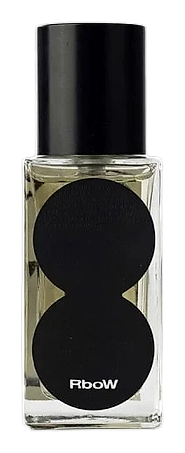
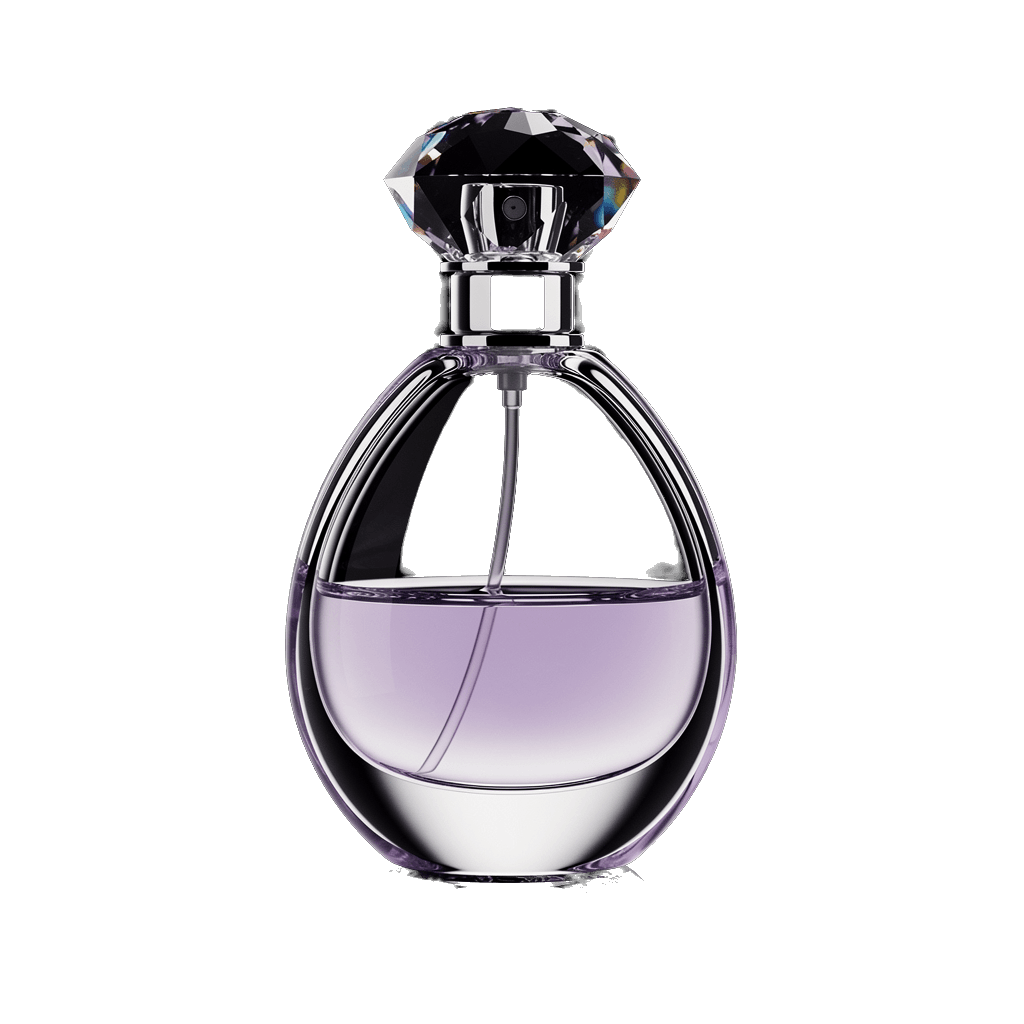
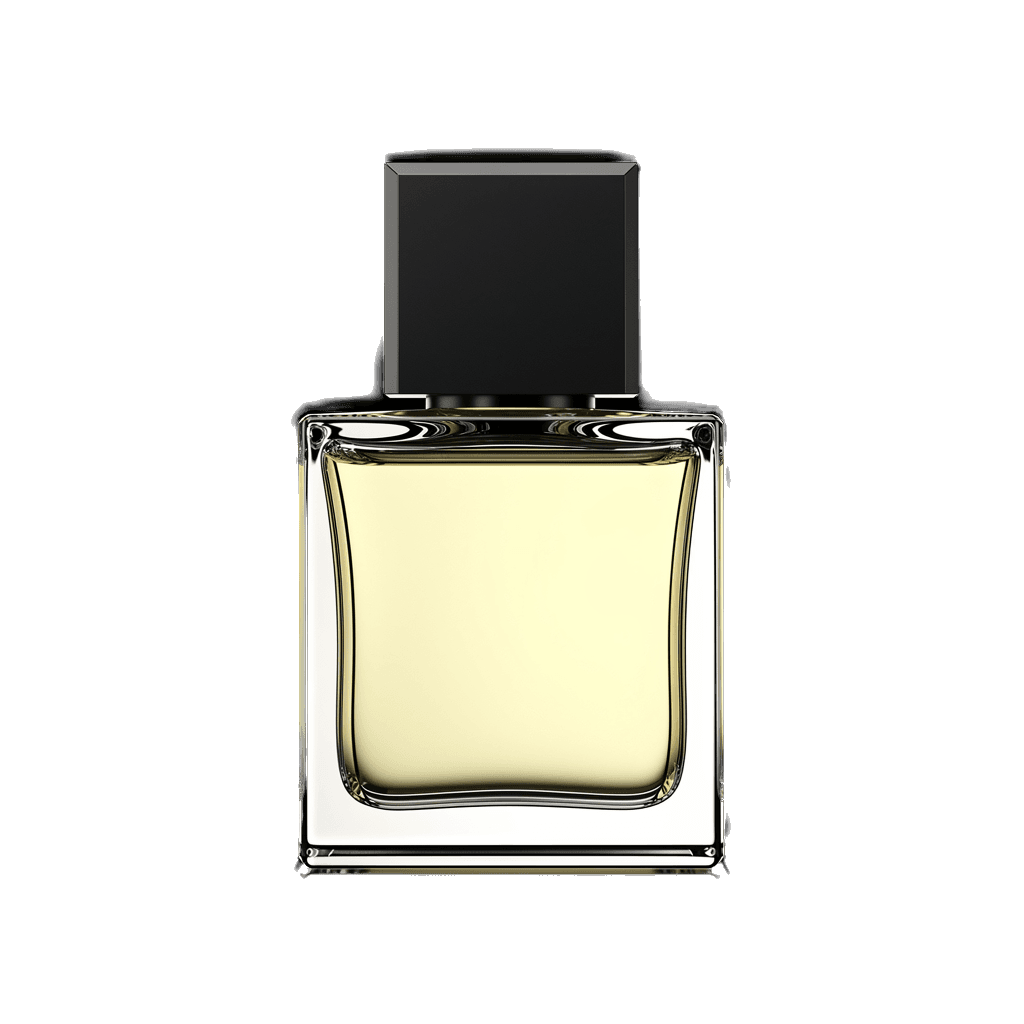
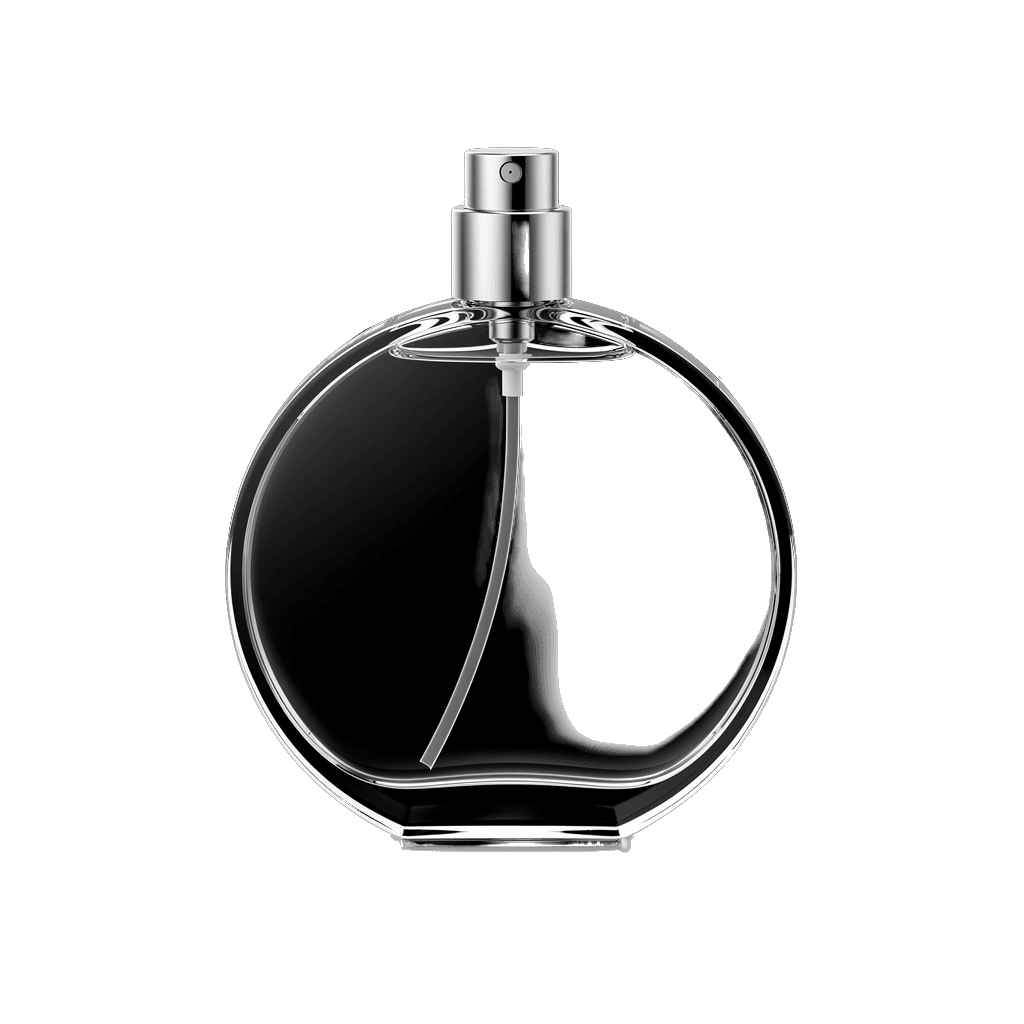
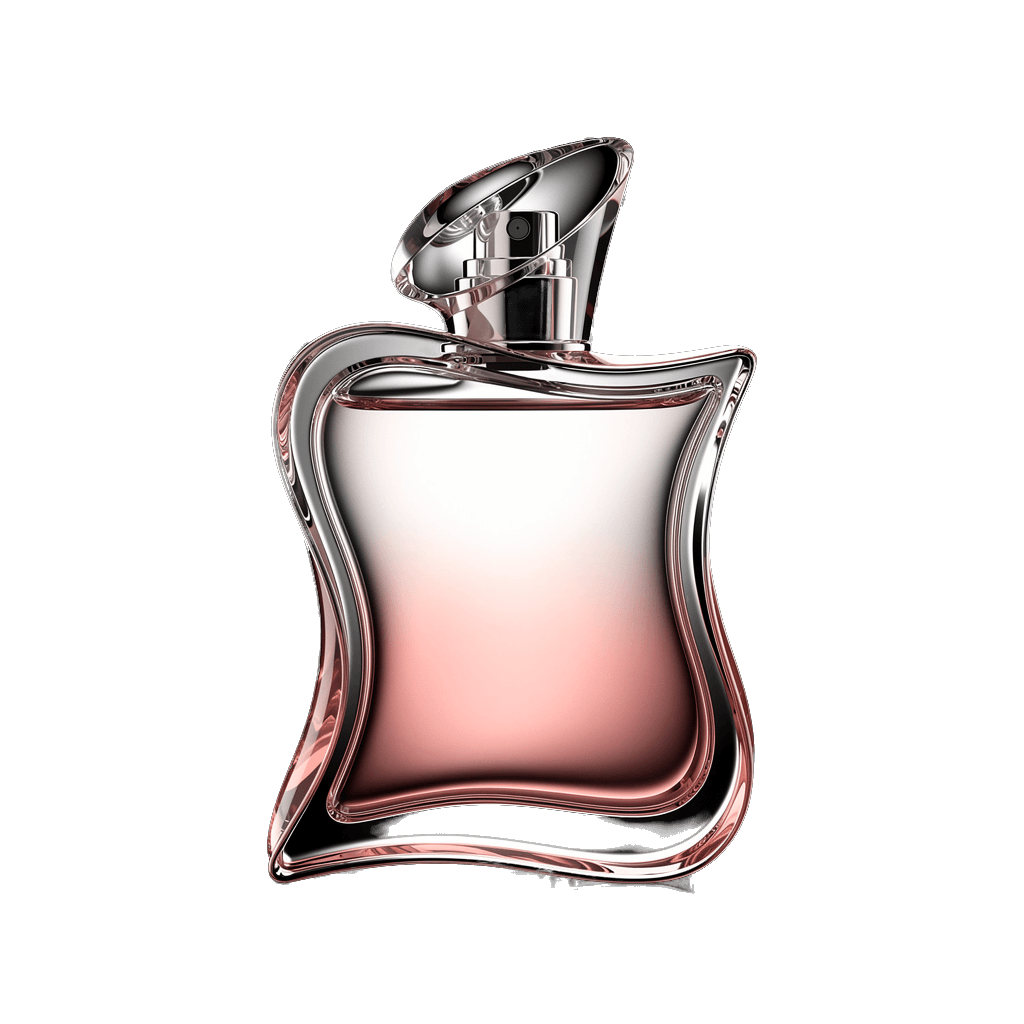
Rbow’s visual identity mirrors its olfactory restraint. The brand’s logo—a simple, lowercase "rbow" rendered in a clean sans‑serif typeface—appears in charcoal or muted earth tones, allowing the fragrance name to take visual precedence. Bottle design follows a minimalist language: a slender, cylindrical glass vessel with a slightly tapered neck, reminiscent of traditional Korean ink bottles. The glass is often left clear to showcase the perfume’s natural hue, but limited editions receive a hand‑applied matte finish in colors that echo the scent’s character—deep amber for Amber Sanguine, soft teal for Tokyo Stripe. Labels are printed on uncoated, recycled paper that feels like a sketchbook page, reinforcing the brand’s art‑first narrative. The packaging box incorporates subtle embossing of Korean hanji patterns, a nod to the founder’s gallery background. In promotional photography, Rbow pairs its products with monochrome studio shots of natural elements—fig leaves, sandalwood slabs, or rain‑drenched streets—allowing the scent’s story to unfold visually without overt styling. This restrained aesthetic has been highlighted in a 2024 feature in Design Magazine, which praised the brand’s ability to let “materiality speak louder than ornamentation.”
Philosophy
Rbow’s creative vision treats scent as an extension of visual narrative. The house believes that a fragrance should evoke a specific place, memory, or artistic concept, a principle that guides every brief. Kim’s background in gallery programming informs a process that begins with a research dossier—photographs, sketches, and historical references—before any aromatic ingredient is selected. The brand values transparency in ingredient sourcing, favoring natural extracts harvested with minimal environmental impact. Sustainability is not a marketing tagline but a working guideline: Rbow commissions local farmers for citrus peels, sandalwood, and fig orchards, and it employs recyclable packaging wherever possible. The house also embraces a modest scale, arguing that limited production allows for greater quality control and a closer relationship between creator and consumer. This philosophy is reinforced by the brand’s decision to keep its fragrance line under ten core scents, each revisited and refined over multiple releases. Rbow’s statements on its website stress a respect for tradition while encouraging contemporary reinterpretation, a balance that mirrors Korea’s own cultural dialogue between heritage and modernity.
Key Milestones
2020
Rbow launched in Seoul by former Gana Art director So Hyung Kim.
2021
First perfume O.A.C released at Seoul Design Week, marking the brand’s entry into the niche market.
2022
Introduction of the home‑fragrance line, expanding the brand’s product categories.
2023
Monsoon and Black Wood launched; both received coverage in Korean Vogue and Design Magazine.
2024
Collaboration with a Seoul glass studio for the limited‑edition Santal Bleu bottle.
2025
Tokyo Fig and Tokyo Stripe released, signaling Rbow’s entry into the Japanese market.
At a Glance
Brand profile snapshot
Origin
South Korea
Founded
2020
Heritage
6
Years active
Collection
1
Fragrances released
Avg Rating
4.0
Community sentiment
Release Rhythm