


The Story
Why it exists.
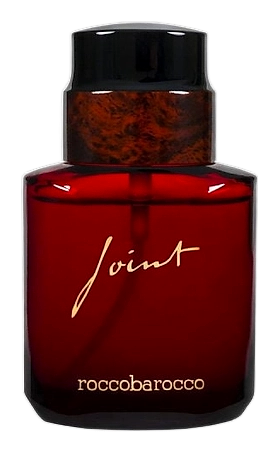
Joint pour Homme arrived in 1993 as Roccobarocco’s first masculine woody‑chypre, following the brand’s debut fragrance line that began with Uno. Fresh from the runway, the house wanted a scent that echoed its bold Italian tailoring, a meeting point where crisp herbs collide with deep animalic warmth. The name hints at a joint, a convergence of contrasting ingredients, crafted for the modern Italian gentleman who values style as much as substance.
If this were a song
Community picks
Blue in Green
Miles Davis
The Beginning
Joint pour Homme arrived in 1993 as Roccobarocco’s first masculine woody‑chypre, following the brand’s debut fragrance line that began with Uno. Fresh from the runway, the house wanted a scent that echoed its bold Italian tailoring, a meeting point where crisp herbs collide with deep animalic warmth. The name hints at a joint, a convergence of contrasting ingredients, crafted for the modern Italian gentleman who values style as much as substance.
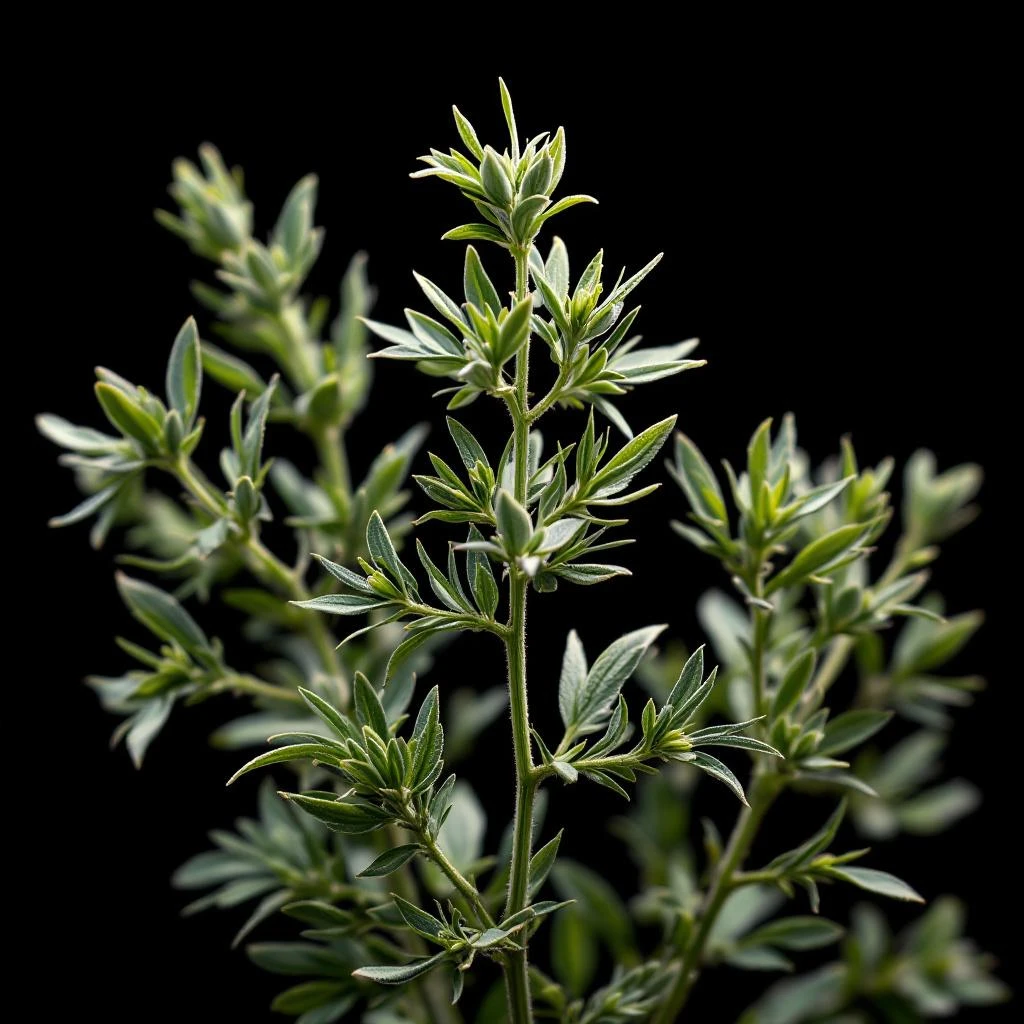
The fragrance’s architecture leans on a bright, aromatic opening of basil, aldehydes and artemisia, punctuated by bergamot’s citrus snap and a green, slightly bitter edge from coriander and caraway. That herbaceous burst gives way to a heart where tobacco mingles with honey, rose and jasmine, while cardamom and geranium add spice‑floral depth. The base anchors the journey with civet’s animalic bite, patchouli’s earth, leather’s sleekness, and amber‑toned cedar, letting the scent settle into a warm, lingering trail that feels both refined and unapologetically bold.
The Evolution
At first spray, the green‑herb cocktail erupts: basil and artemisia flash like a freshly cut garden, while aldehydes give a clean, almost metallic sheen that catches the eye. Within ten minutes the citrus of bergamot and lemon softens the edge, and the spicy whisper of coriander and caraway settles. The heart emerges around the half‑hour mark, where tobacco’s smoky sweetness intertwines with honey’s golden glaze; rose and jasmine add a soft floral cushion, and cardamom injects a peppery spark that keeps the composition lively. As the day wears on, the base asserts itself. Leather and civet introduce an animalic, slightly raw edge, while patchouli and vetiver lay an earthy foundation. Amber, cedar and tonka bean melt into a warm, lingering amber‑sweet trail that clings into night, fading only into a faint, comforting musk after eight to ten hours.
Cultural Impact
Since its 1993 debut, Joint pour Homme has become a quiet cultural marker of Italian masculine elegance, reflecting the era’s shift toward greener, more herbaceous compositions that broke from the dominant woody trends of the early ’90s. Its blend of basil, artemisia and tobacco resonated with a generation seeking both freshness and depth, influencing later releases that emphasized herbal‑spice balances. Over the decades, collectors have cited the scent as a reference point for modern green‑herb masculinity, and its understated marketing helped solidify Roccobarocco’s reputation for crafting timeless, unpretentious fragrances that still feel contemporary today.
The House
Italy · Est. 1975
Roccobarocco is an Italian fashion and fragrance house that grew out of the eponymous designer’s runway success in the mid‑1970s. The label translates the designer’s bold aesthetic into a line of perfumes that balance classic Italian ingredients with contemporary flair. Over the past three decades the brand has released more than a dozen scents, ranging from the woody Vetiver (1993) to the recent Platinum Dream (2023). Each bottle carries the same confident silhouette that the clothing collections are known for, making the fragrance portfolio a natural extension of the house’s style language.
If this were a song
Community picks
The scent feels like a late‑evening jazz lounge: smoky, herb‑spiced, with a warm amber glow.
Blue in Green
Miles Davis