The Heritage
The Story of Rudy Profumi
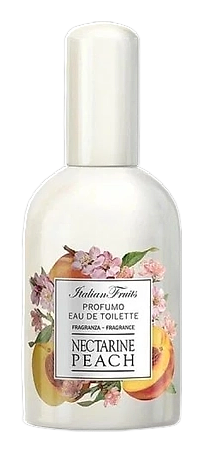
Rudy Profumi is an Italian fragrance house rooted in Milan since 1920. The family‑run label creates scents that echo the country’s landscapes, from the citrus groves of Sicily to the lavender fields of Tuscany. Its portfolio includes region‑inspired Eau de Toilettes such as Roma, Firenze and Taormina, as well as fruit‑forward blends like Cocoa Strawberry and Nectarine Peach. Rudy Profumi balances tradition with contemporary taste, offering a curated line of personal‑care products that reflect a distinctly Italian sensibility.
Heritage
Spiridione Calabrese founded Rudy Profumi in Milan in 1920, naming the company after the celebrated Italian actor Rodolfo. Early records show the workshop produced both perfume and cosmetics for local boutiques, establishing a reputation for reliable quality. Throughout the 1930s the house expanded its catalogue, introducing scents that referenced Italian cities and coastal towns. By the 1950s the brand had opened a dedicated laboratory, allowing in‑house formulation and tighter control over ingredient selection. The post‑war era brought a modest export push, with neighboring European markets receiving the first shipments. In the 1990s Rudy Profumi entered the United States through specialty retailers, positioning its fragrances as niche alternatives to mass‑market offerings. The turn of the millennium saw the launch of a region‑focused line, each fragrance named for a specific Italian locale and crafted to evoke its atmosphere. In 2020 the company celebrated its centennial with a limited edition collection that revisited historic formulas while incorporating modern techniques. Throughout its century‑long journey the brand has remained family‑owned, with successive generations overseeing production, marketing and distribution, preserving the founder’s commitment to authenticity and craftsmanship.
Craftsmanship
Production at Rudy Profumi takes place in a Milan facility that blends traditional methods with modern quality controls. Skilled perfumers formulate each scent on small batches, allowing precise adjustments before scaling up. The house sources essential oils from Italian producers in Sicily, Calabria and the Veneto, while also importing select absolutes from Morocco and Madagascar to complement the local palette. Synthetic aroma chemicals are chosen for stability and to reduce reliance on endangered natural resources. Once a formula is approved, the blend undergoes a maturation period in temperature‑controlled tanks, a step that smooths volatile edges and enhances depth. The final mixture is filtered through stainless‑steel membranes to remove impurities, then filled into glass bottles on a semi‑automated line that still permits hand‑checking for consistency. Quality inspectors verify concentration, scent profile and packaging integrity before each batch leaves the factory. The brand maintains documentation for each ingredient, ensuring traceability and compliance with EU cosmetic regulations.
Design Language
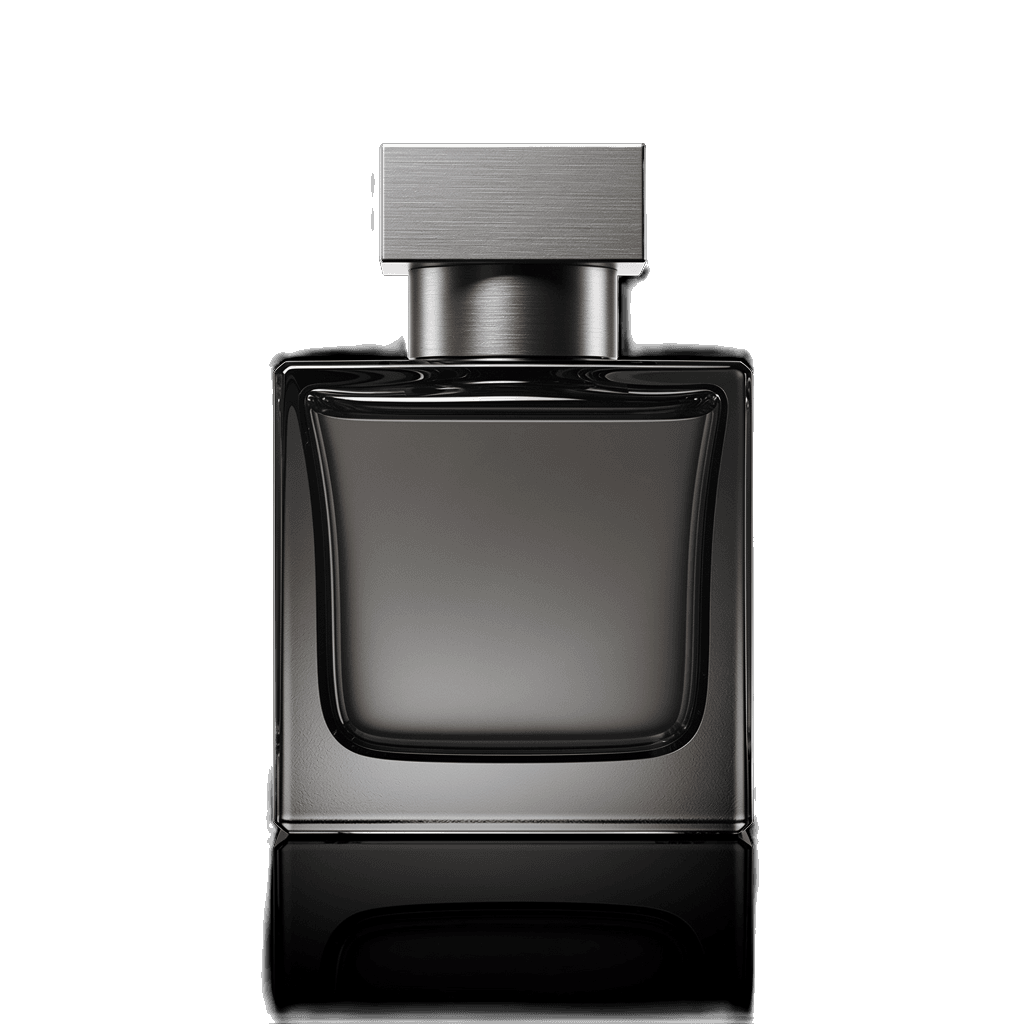
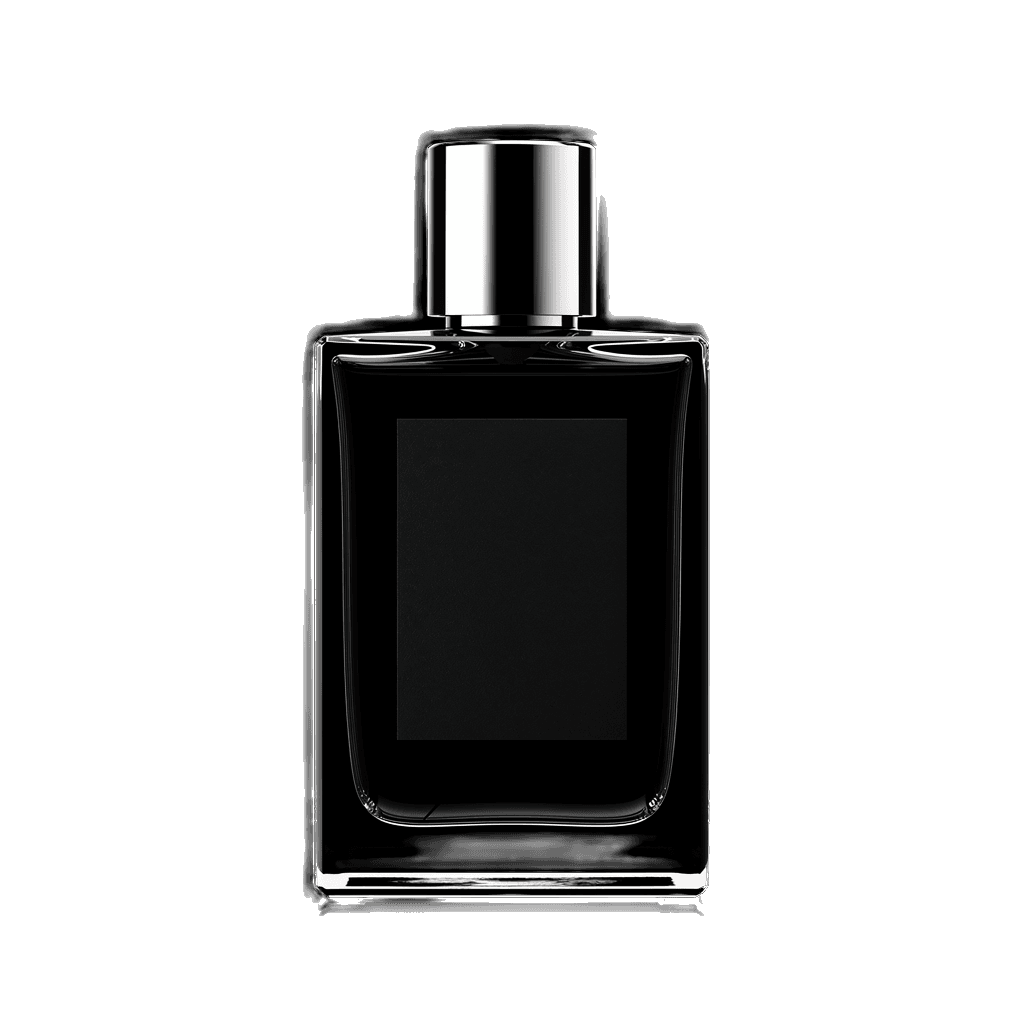
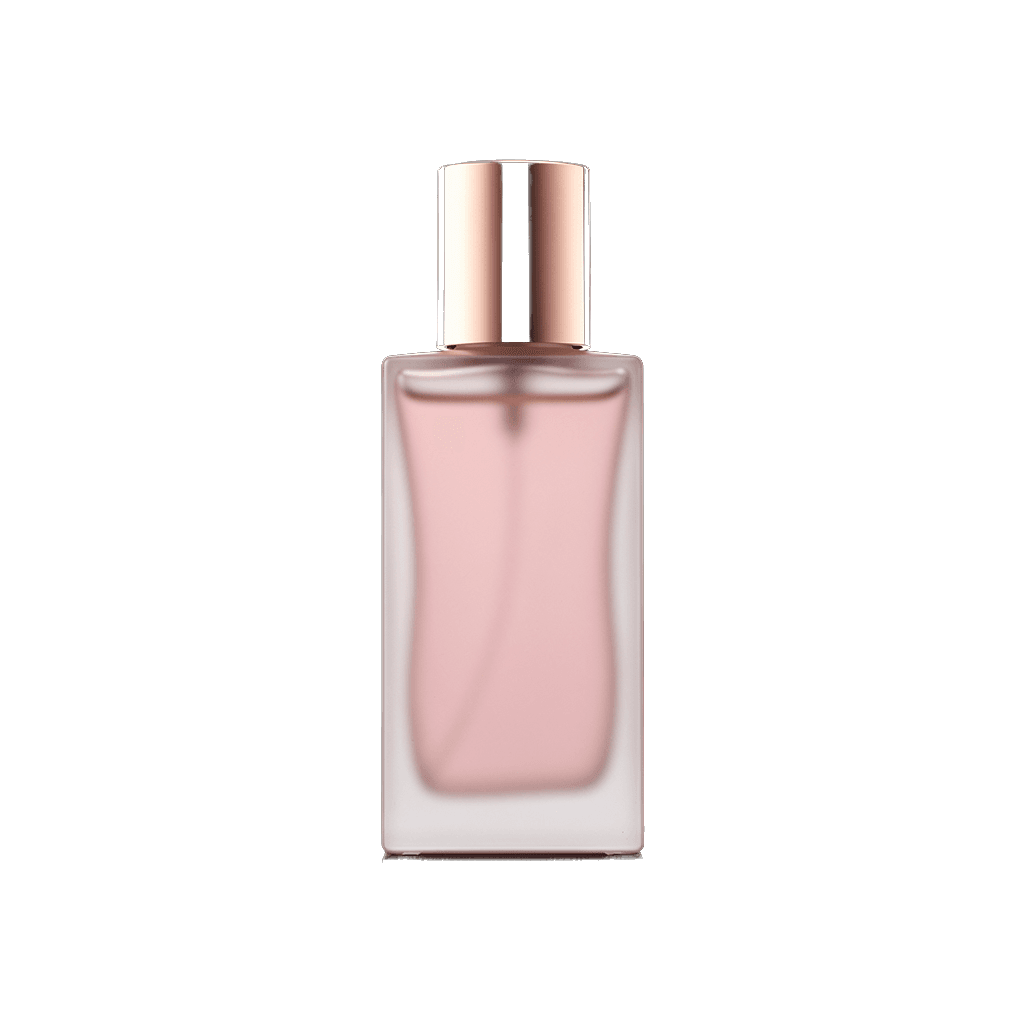
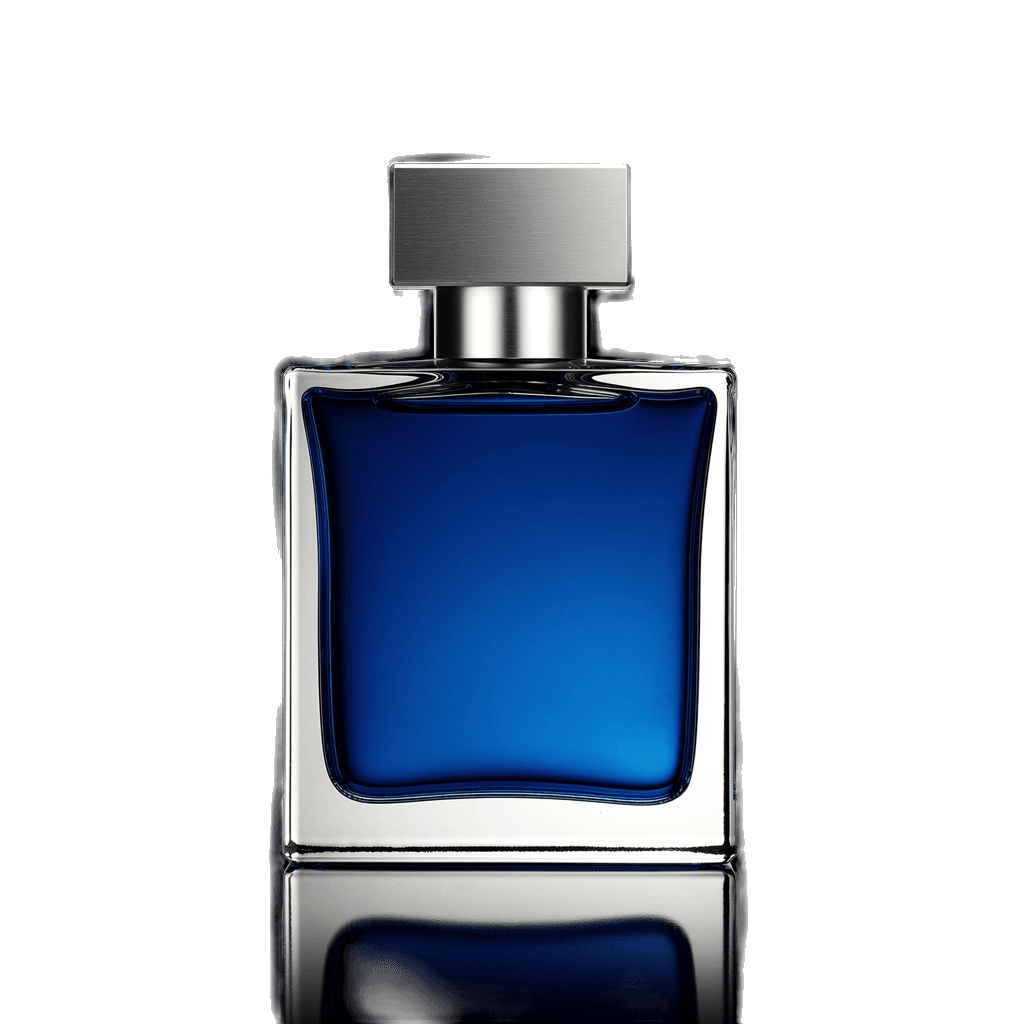
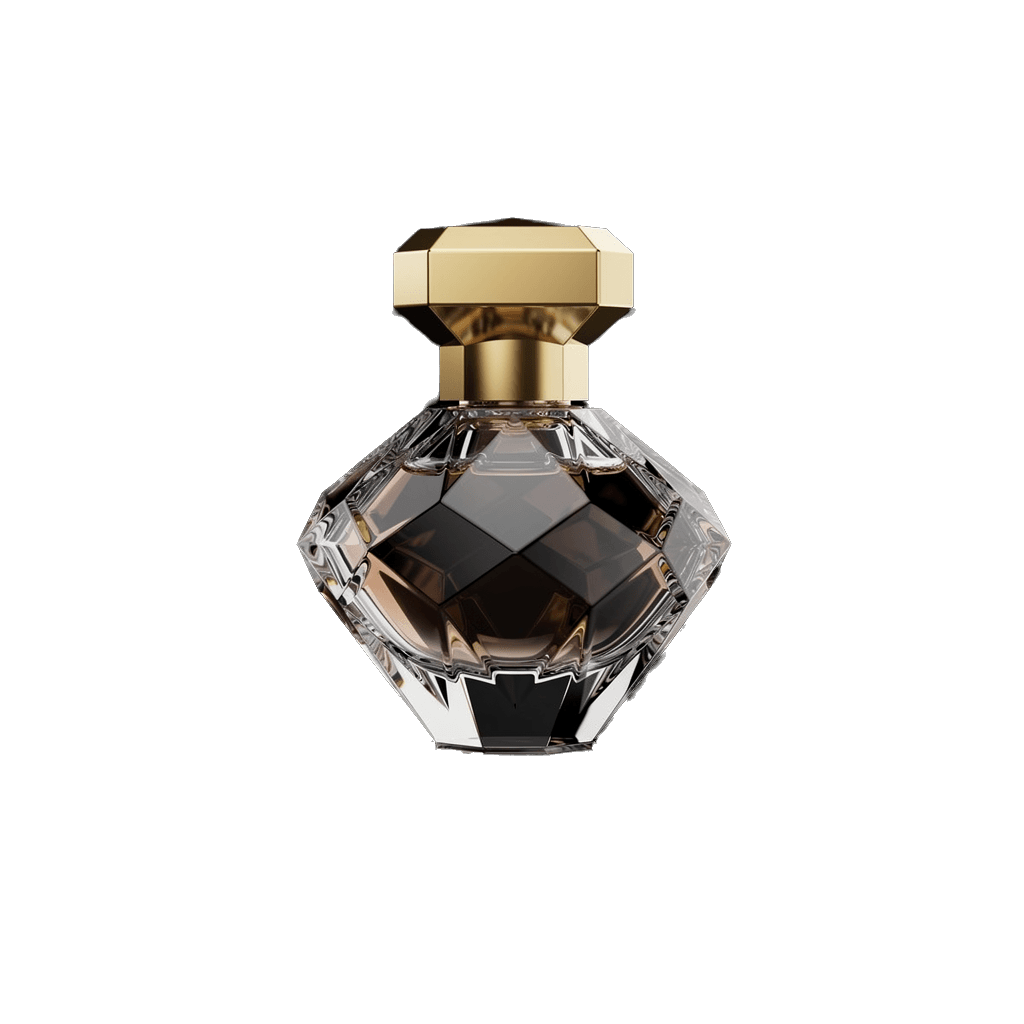
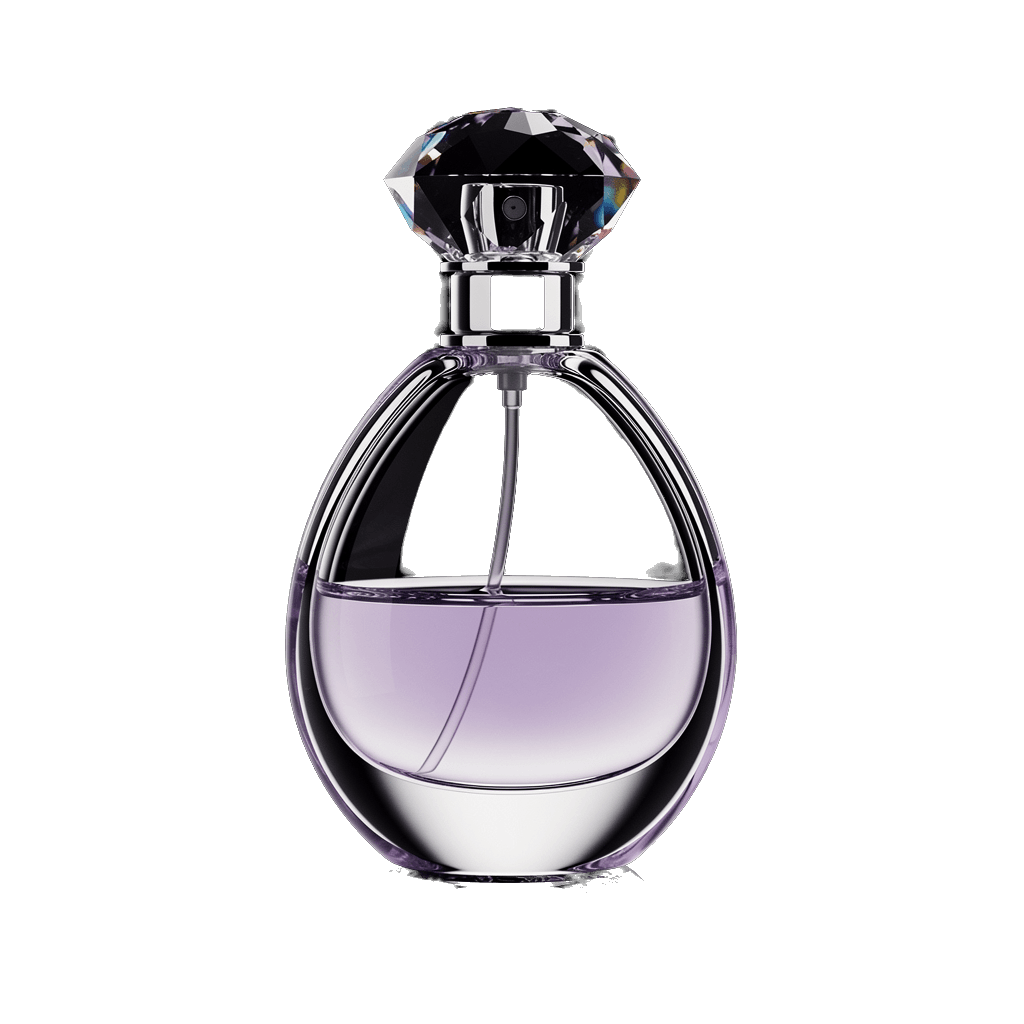
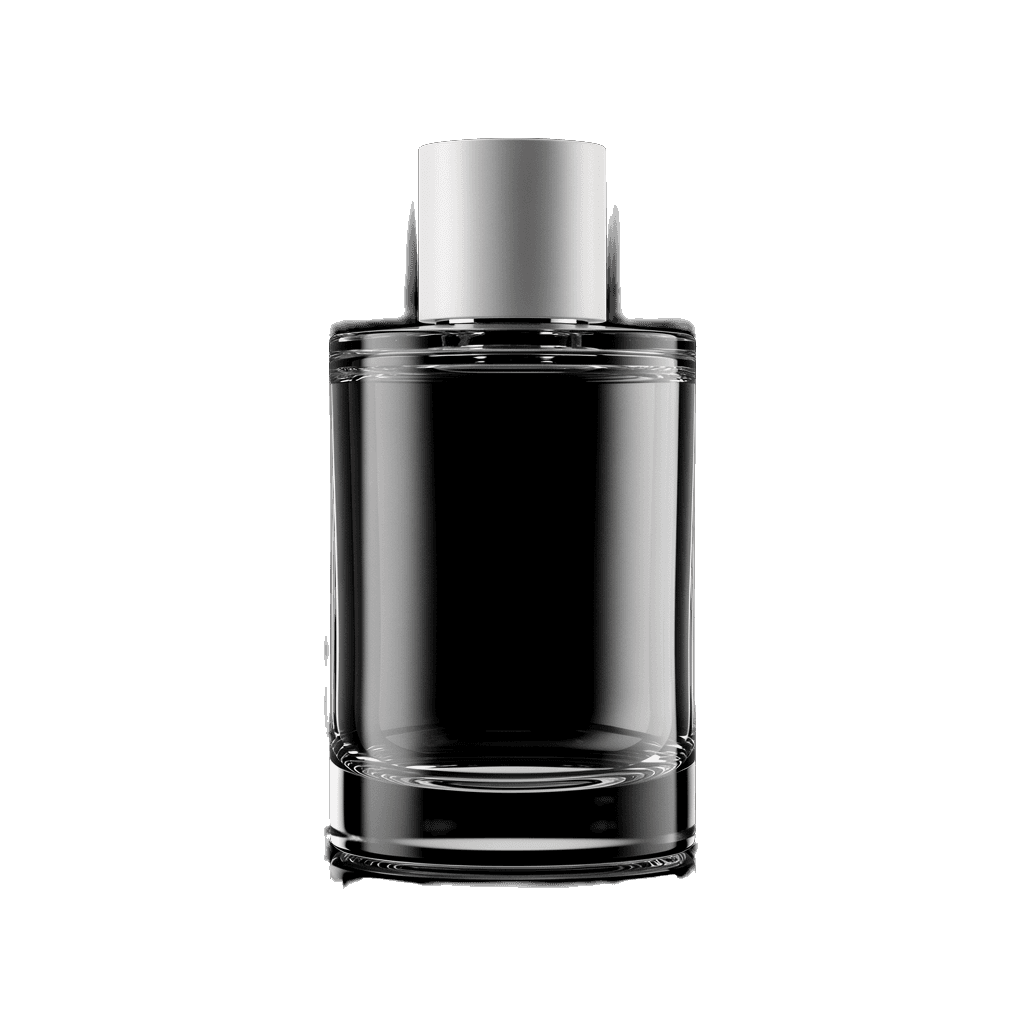
Rudy Profumi presents its fragrances in clear glass vessels that showcase the liquid’s hue, a nod to the brand’s minimalist ethos. Caps are typically brushed metal or matte black, offering a tactile contrast to the smooth bottle. Labels feature understated typography, often in a serif font that evokes classic Italian print, paired with a small illustration of the region that inspired the scent. The packaging palette relies on muted earth tones—soft greens, warm terracotta and deep navy—reflecting the natural environments referenced in the fragrances. Marketing imagery frequently depicts Italian landscapes, from Amalfi cliffs to Tuscan vineyards, reinforcing the connection between scent and place. In recent years the brand has introduced limited‑edition boxes made from recycled cardboard, printed with a subtle foil accent that highlights the collection’s name without overwhelming the design.
Philosophy
Rudy Profumi approaches scent as a narrative of place. The creative team selects a geographic reference, then translates its climate, flora and cultural memory into aromatic notes. The brand values transparency, sourcing raw materials from Mediterranean growers whenever possible and disclosing the composition of each fragrance. It favors a balanced palette that pairs natural extracts with carefully chosen synthetics, aiming for longevity without sacrificing subtlety. Rudy Profumi encourages personal connection, inviting wearers to recall a seaside promenade or a sun‑drenched orchard when they apply the perfume. The company also supports sustainable practices, opting for recyclable packaging and limiting waste in its Milan workshop. This philosophy reflects a broader Italian tradition of celebrating regional identity through art and craft.
Key Milestones
1920
Spiridione Calabrese establishes Rudy Profumi in Milan, naming it after actor Rodolfo.
1935
First city‑inspired fragrance, Roma, launches, marking the start of the region‑focused line.
1952
Company opens a dedicated laboratory for in‑house formulation and quality testing.
1994
Rudy Profumi begins exporting to the United States through specialty boutique channels.
2008
Introduces the Taormina and Pantelleria fragrances, expanding the Italian‑locale series.
2020
Centennial celebration includes a limited edition collection revisiting historic formulas.
At a Glance
Brand profile snapshot
Origin
Italy
Founded
1920
Heritage
106
Years active
Collection
1
Fragrances released
Avg Rating
3.7
Community sentiment