The Heritage
The Story of Sultan Pasha Attars
Sultan Pasha Attars is a London‑based atelier that creates oil‑based attars using natural raw materials. Founder Sultan Pasha blends his Bangladeshi heritage with the olfactory traditions of the Middle East, offering scents such as Cuir au Miel (2013) and Juriah Privé (2024). The house focuses on hand‑crafted compositions that unfold on fabric or skin, appealing to collectors who value authenticity and depth.
Heritage
Sultan Pasha grew up between Bangladesh and London, absorbing the scent memories of his mother’s kitchen and the spice markets of his childhood. He pursued studies in organic chemistry before family circumstances redirected his path toward fragrance. In the early 2010s he began experimenting with natural essential oils in a modest London flat, guided by the attar traditions of South Asia and the Arabian Peninsula. By 2013 he released Cuir au Miel, a leather‑and‑honey blend that marked his first public offering and attracted attention from niche‑fragrance forums. The following year he added Encens Chypre, expanding his palette to include incense‑rich chypre structures. Over the next several years he introduced Tabac Grande (2016), Dewaniya (2017), L’Heure D’Or (2018) and Juriah (2019), each reinforcing his reputation for layered, ingredient‑forward scents. In 2020 Cheval d'Arabie arrived, pairing oud with equine‑inspired accords, and in 2024 Juriah Privé launched as a refined reinterpretation of the 2019 original. Throughout this period Sultan Pasha registered Sultan Pasha Artisanal Perfumery Ltd with Companies House, formalising the business while retaining a small‑batch production model. The brand remains independent, with no corporate ownership, and continues to serve a global community of attar enthusiasts who seek rare, natural compositions.
Craftsmanship
Every Sultan Pasha attar begins with a selection of raw materials sourced from established growers. For Mysore sandalwood he partners with a Karnataka cooperative that follows age‑old silviculture practices, while his agarwood arrives from a certified Indonesian plantation that monitors resin yield to protect wild populations. Once the oils arrive in London, they are stored in temperature‑controlled vaults to preserve volatility. Sultan Pasha then macerates the ingredients in high‑grade carrier oils, typically jojoba or fractionated coconut oil, allowing the aromatic compounds to dissolve fully. He measures each maceration period by scent development rather than a fixed timeline, often extending the process for several months. After maceration, the blend undergo a gentle filtration through stainless‑steel mesh to remove particulate matter. The final oil is decanted into amber‑tinted glass bottles that shield the perfume from light. Each batch is hand‑filled, sealed with a cork, and labeled with a handwritten note that includes the batch number and date. Quality control includes a blind sniff test by a small panel of trusted perfumery professionals, ensuring consistency with the original formula. The house records every ingredient batch, allowing traceability from forest to final bottle.
Design Language
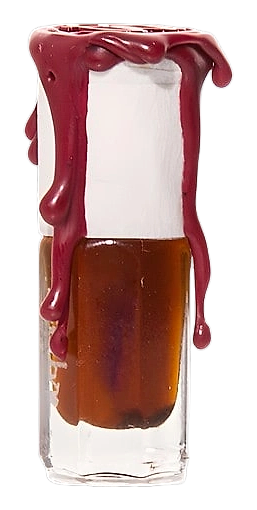
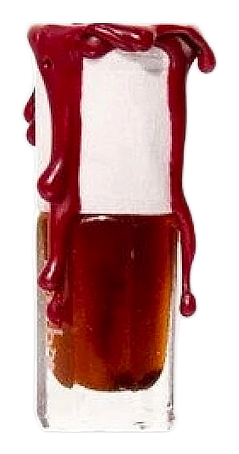
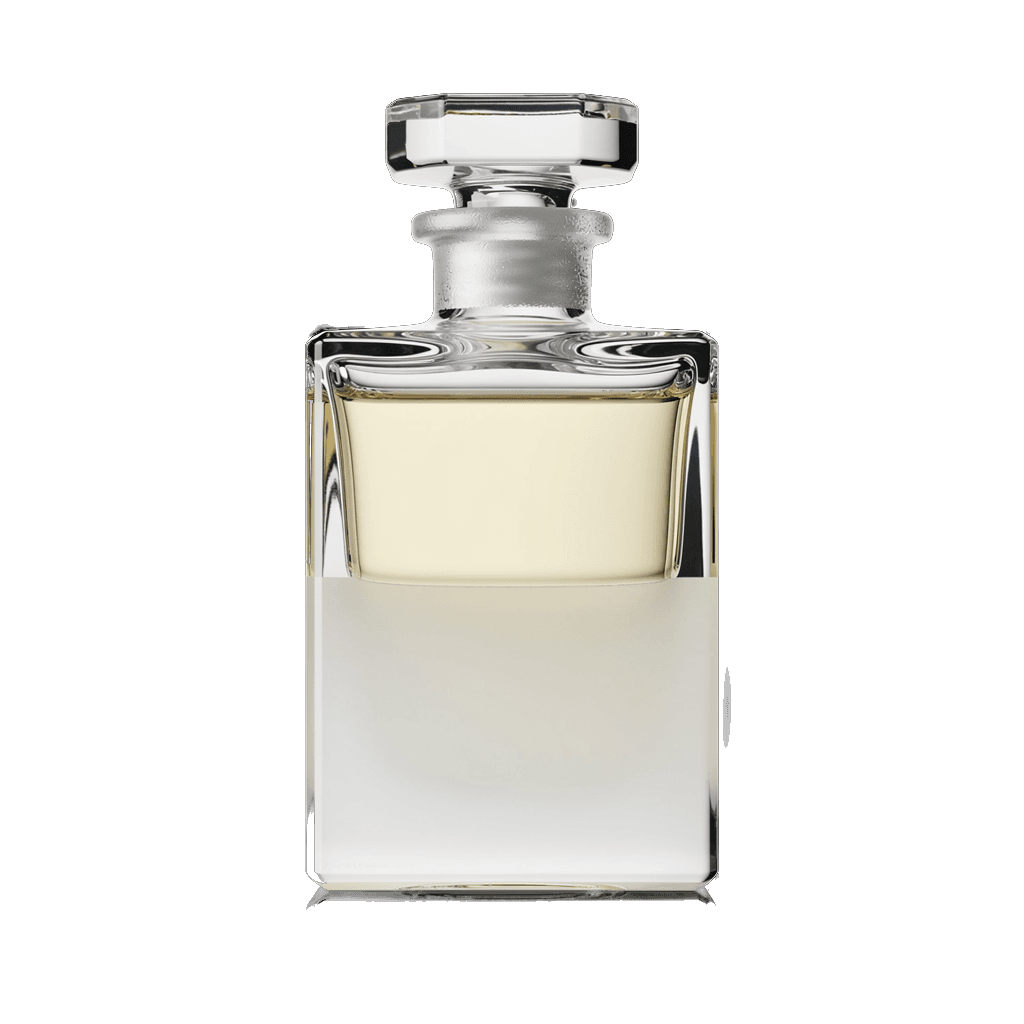
The visual language of Sultan Pasha Attars mirrors the simplicity of its scents. Bottles feature clear amber glass that showcases the golden hue of the oil, capped with a natural cork that reinforces the artisanal feel. Labels are printed on recycled paper, bearing minimal typography: the fragrance name in a classic serif font, the year of release, and a brief ingredient highlight. The brand’s online presence uses muted earth tones, echoing the natural palette of sandalwood, amber and spice. Photographic spreads often depict the raw materials—sandalwood logs, rose petals, agarwood chips—arranged on textured fabrics, reinforcing the connection between source and scent. Packaging includes a small wooden box for limited editions, carved with a subtle geometric pattern inspired by Bangladeshi textile motifs. This restrained visual approach positions the brand as a quiet connoisseur rather than a loud commercial player.
Philosophy
Sultan Pasha frames his work as a dialogue between memory and material. He believes that a scent should evoke a specific place or moment rather than chase trends. This belief drives his choice of ingredients: he selects raw materials that carry a cultural story, such as Mysore sandalwood, Bulgarian rose or Indian agarwood. He avoids synthetic shortcuts, preferring to let the natural character of each oil dictate the structure of the perfume. The house treats each attar as a living composition, allowing it to evolve on the wearer over time. Sustainability informs his sourcing; he works with cooperatives that practice responsible harvesting, especially for endangered woods. Transparency guides his communication, with ingredient lists published on the brand’s website and social channels. By keeping production small, he maintains control over quality and ensures that each bottle reflects his personal standards.
Key Milestones
2013
Launch of Cuir au Miel, the first public attar offering
2014
Release of Encens Chypre, expanding the incense line
2016
Tabac Grande debuts, introducing tobacco accords
2017
Dewaniya arrives, highlighting traditional Arabian notes
2018
L’Heure D’Or launches, featuring a sunrise-inspired blend
2019
Juriah is released, later refined as Juriah Privé in 2024
At a Glance
Brand profile snapshot
Origin
United Kingdom
Collection
2
Fragrances released
Avg Rating
4.7
Community sentiment
Release Rhythm