
The Heritage
The Story of The Body Shop
The Body Shop is a British‑origin retailer that blends cosmetics, skin care and fragrance into a single ethical concept. Founded in 1976 by Anita Roddick in Brighton, the brand introduced its first fragrance, White Musk, in 1981 and has since built a catalogue that includes perfume oils such as Indian Night Jasmine (2010) and Tender Tonka (2025). Its stores carry scented body lotions, shower gels and a line of fragrance oils that emphasize natural ingredients and transparent sourcing.
Heritage
The Body Shop began as a modest green storefront on Brighton’s Western Road in 1976. Anita Roddick, a former schoolteacher and activist, used the space to sell fair‑trade soaps she had sourced from Kenya and Ghana. The shop’s open‑plan layout invited customers to touch and smell each product, a practice that set a new retail tone in the UK. By 1979 the brand opened a second shop in London and began experimenting with scented body care. In 1981 it released White Musk, the first fragrance to carry the Body Shop name, and the scent quickly became a staple in the chain’s expanding portfolio. The late 1980s saw the formalisation of the Community Trade programme, a network that linked smallholder farmers in countries such as India, Brazil and Tanzania with the brand’s ingredient needs. The programme introduced transparent pricing and profit‑sharing, and it remains a core part of the company’s supply chain. Throughout the 1990s The Body Shop grew to more than 1,000 stores across Europe, Asia and the Americas, positioning itself as a socially conscious alternative to mainstream cosmetics. In 2006 French cosmetics giant L'Oréal purchased the company for $652 million, a move that sparked debate among activists but also provided capital for further expansion. The brand changed hands again in 2017 when Brazilian group Natura &Co acquired it, pledging to deepen the existing sustainability commitments. Today the company operates in over 60 markets, maintains a catalogue of fragrance oils that spans more than four decades, and continues to reference its Brighton origins in corporate communications.
Craftsmanship
The Body Shop’s production process begins with a rigorous audit of each community‑trade farm. Auditors verify that growers meet criteria for fair wages, safe working conditions and environmentally responsible cultivation. Once a crop such as Indian jasmine or Ghanaian shea is harvested, it is shipped to a regional processing hub where it undergoes cold‑press or steam‑distillation, methods chosen to preserve the natural character of the raw material. The resulting essential oils are tested for purity using gas chromatography, a step that ensures no synthetic additives are introduced before blending. In the fragrance lab, perfumers combine these natural extracts with a limited set of synthetics that meet the brand’s safety standards, creating oils such as the 2010 Indian Night Jasmine perfume oil. Each batch is produced in small‑scale facilities that allow for batch‑by‑batch quality checks; any deviation triggers a recall of the affected lot. The company also invests in sustainable packaging, using glass bottles made from recycled material and caps that are 100 % recyclable plastic. Labels are printed with soy‑based inks, and many stores now offer a refill station for popular scents, reducing single‑use waste. Throughout the supply chain, The Body Shop publishes annual impact reports that detail the volume of ingredients sourced, the number of farmers supported and the carbon footprint of its manufacturing sites.
Design Language
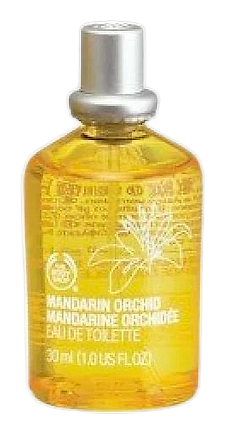
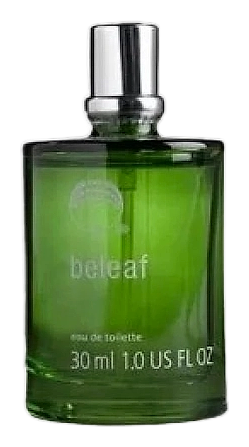
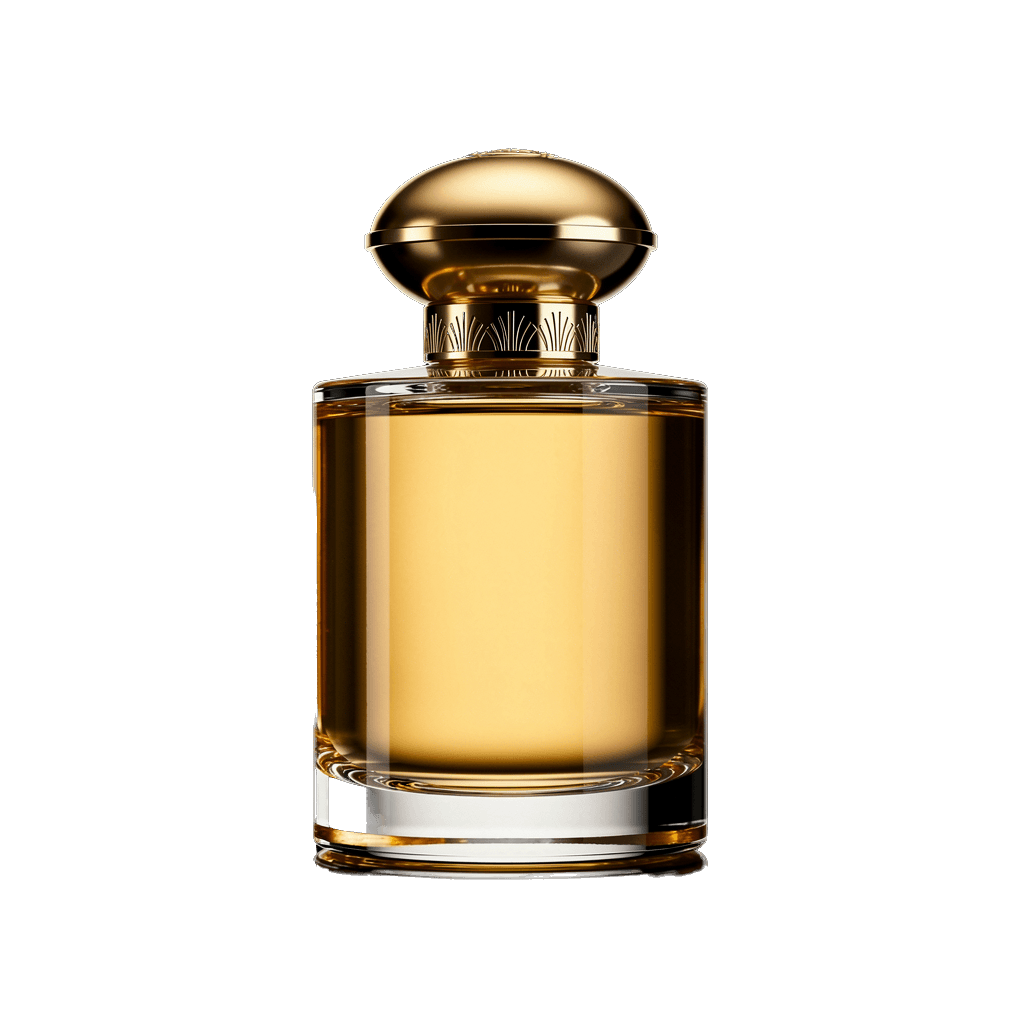
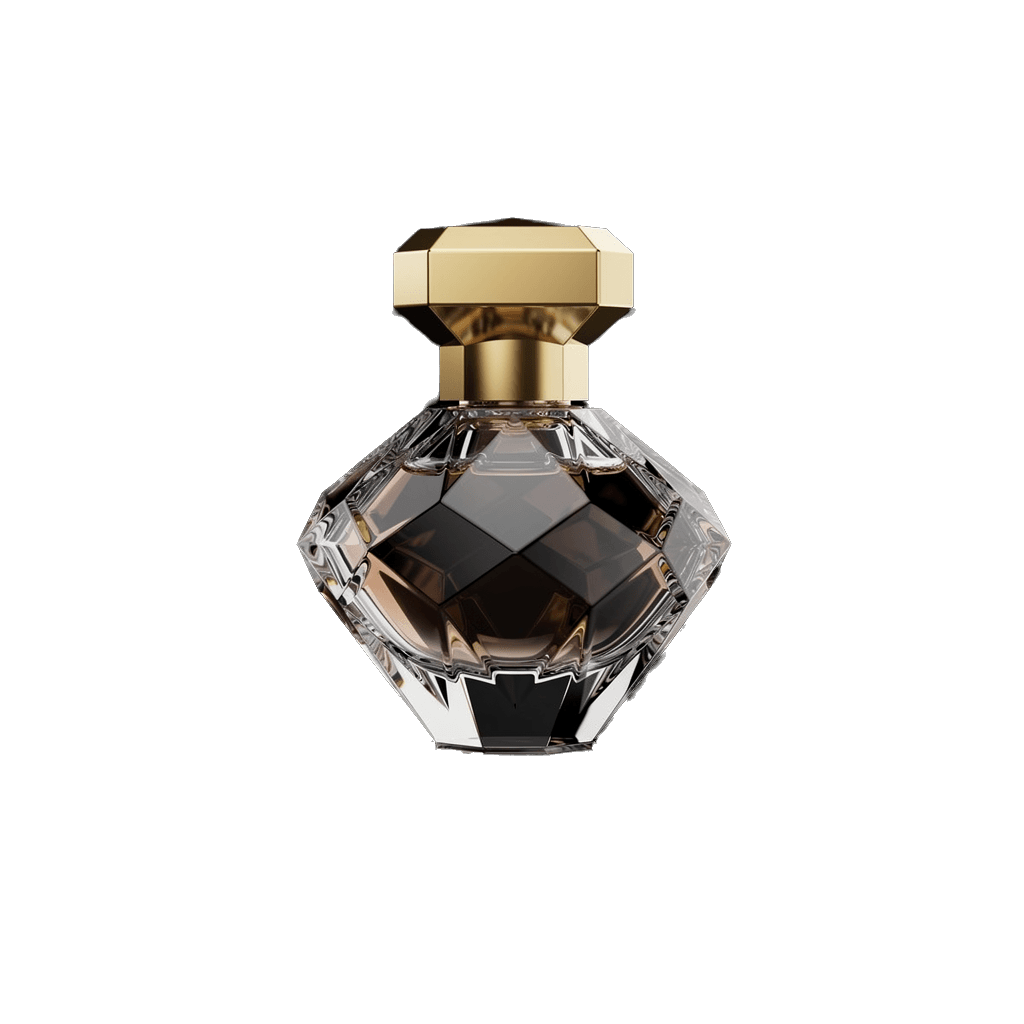
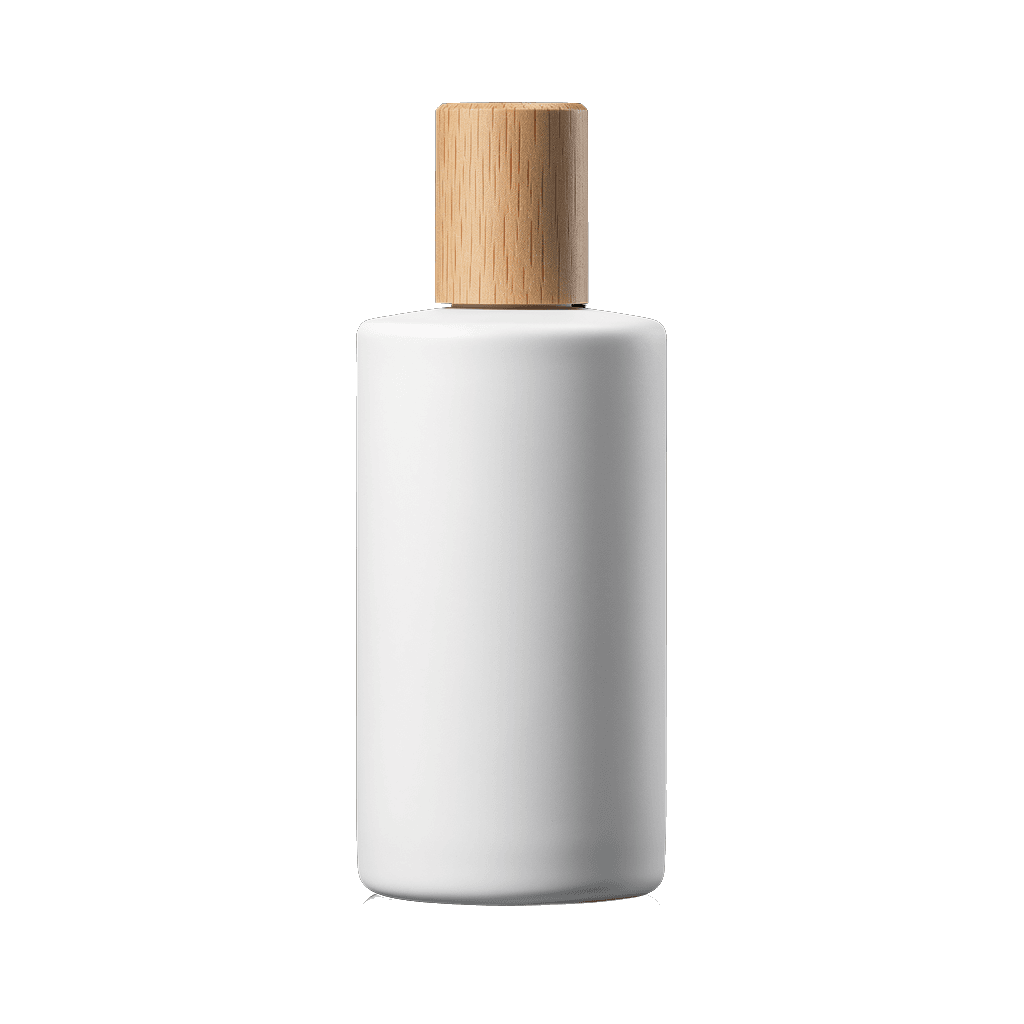
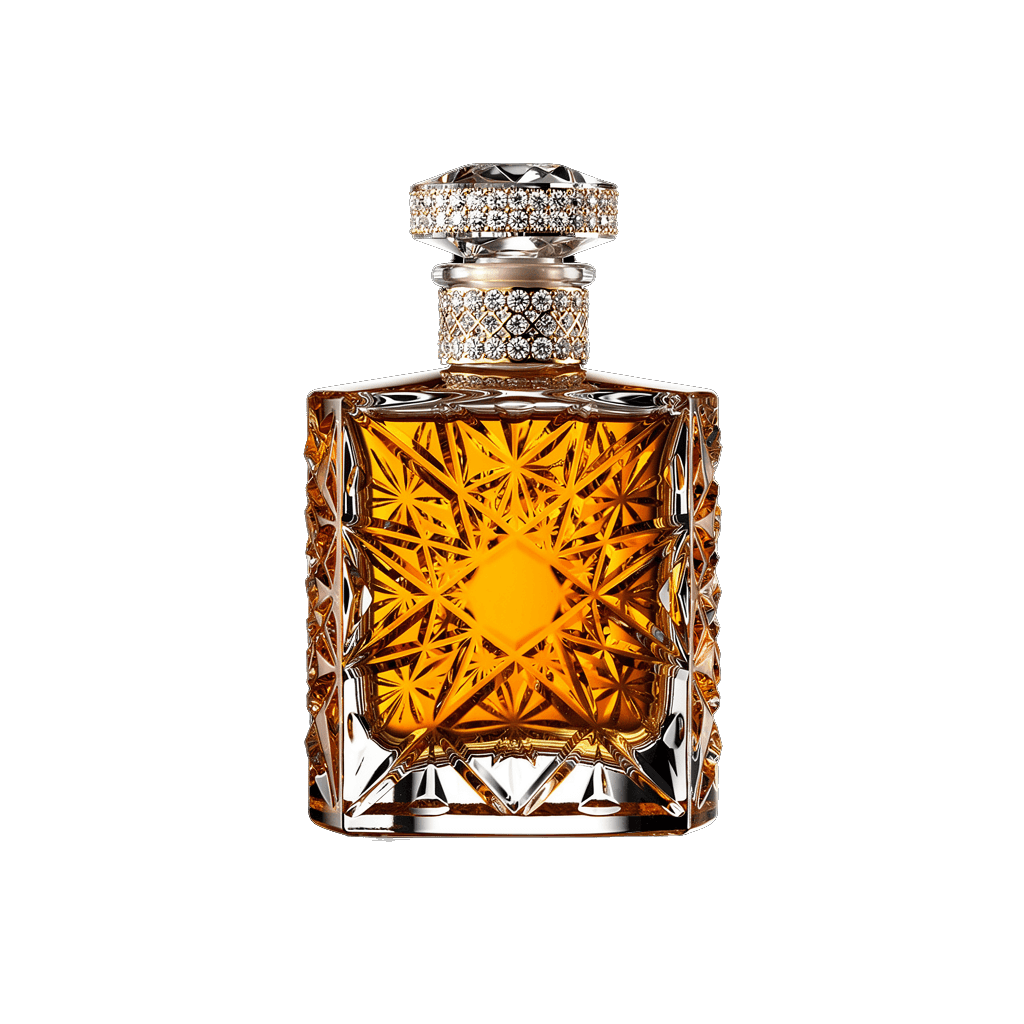
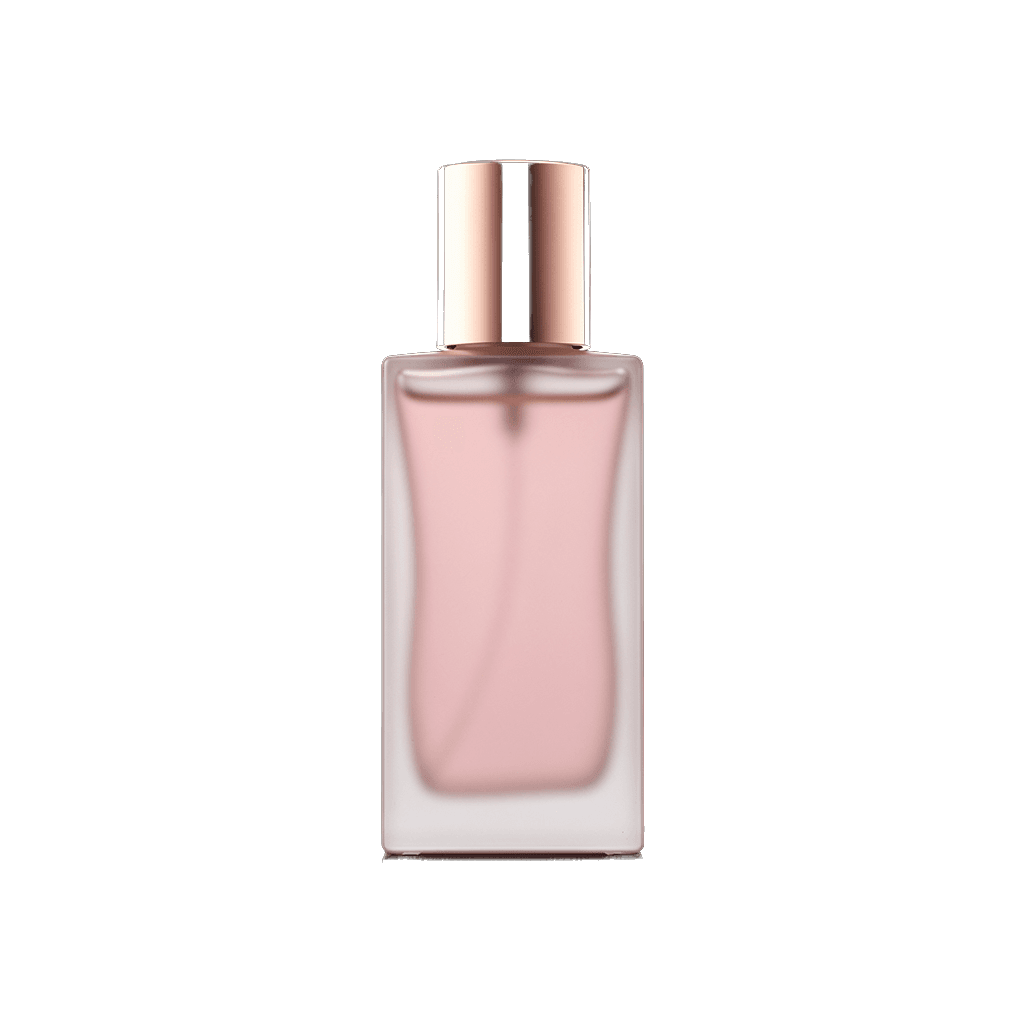
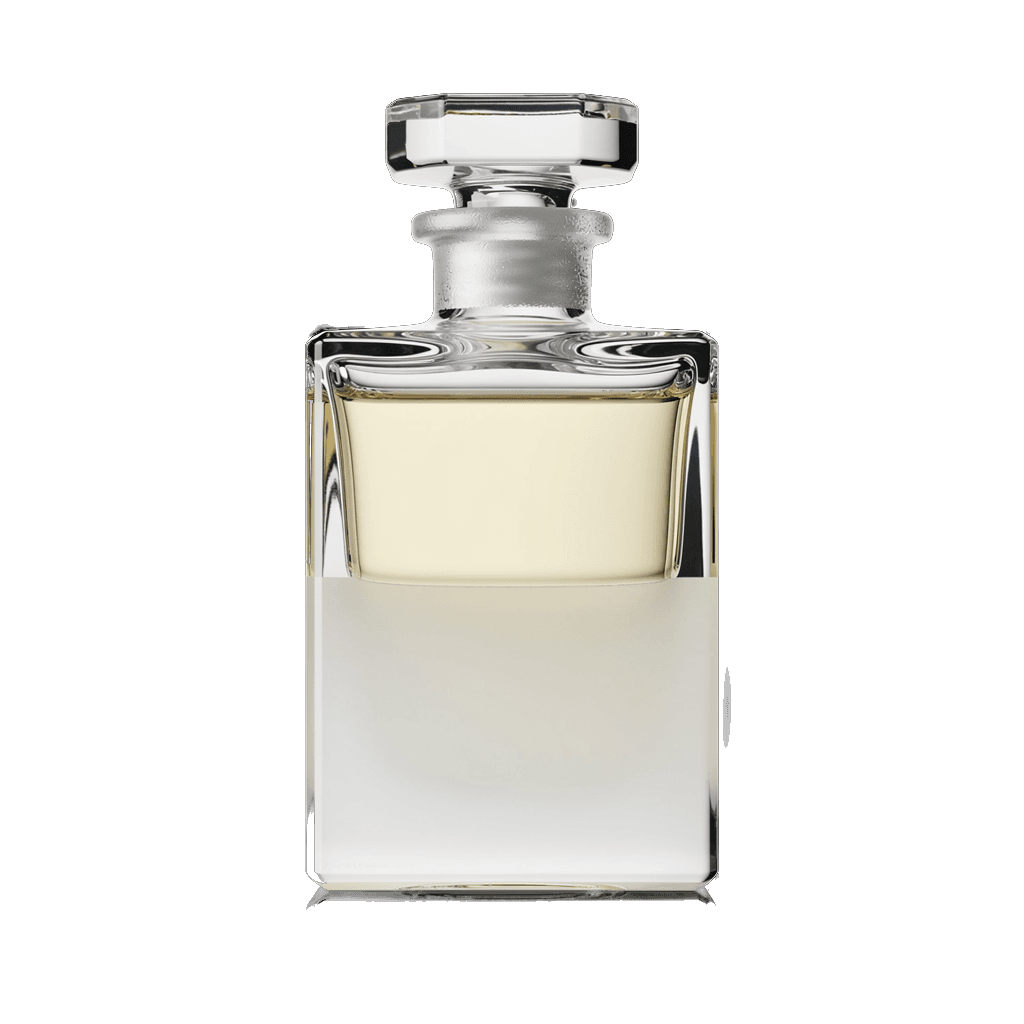
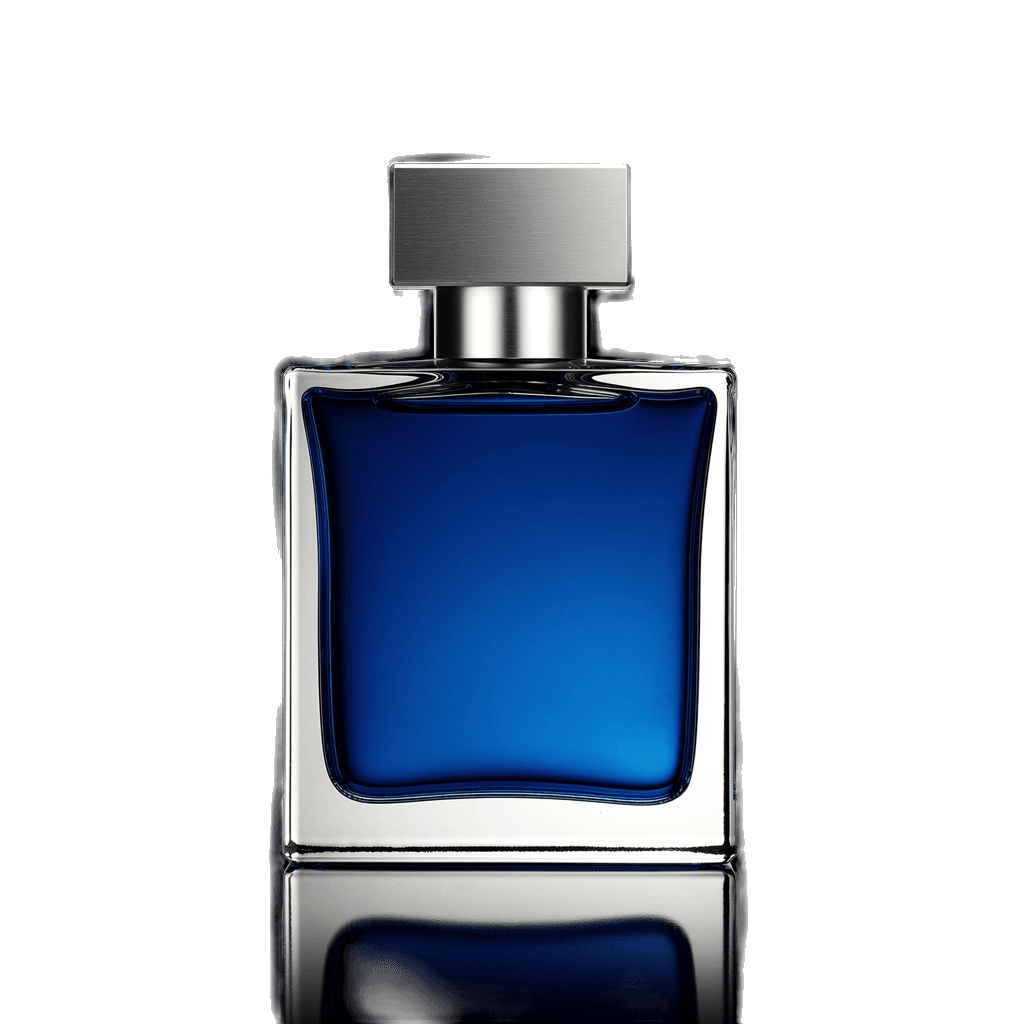
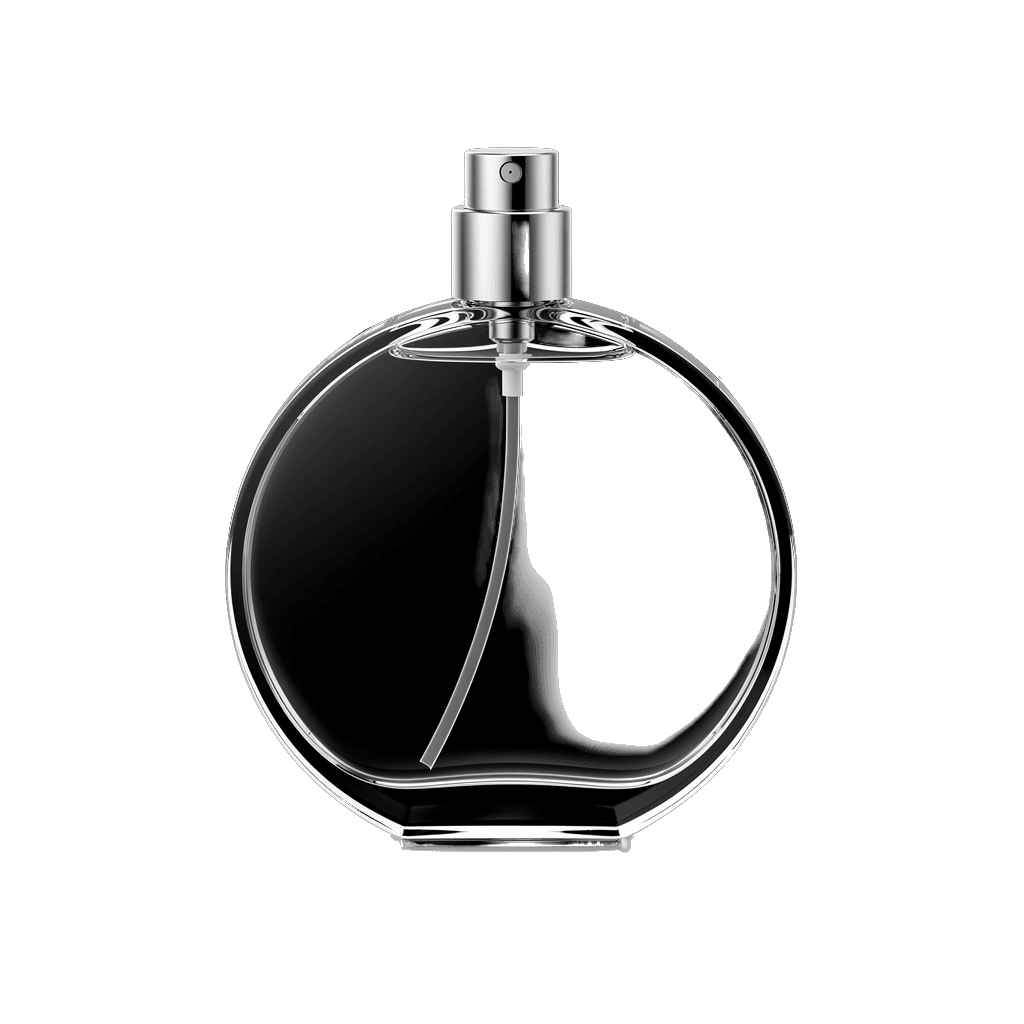
The visual language of The Body Shop is deliberately simple. Store façades feature reclaimed wood, reclaimed brick and a palette of muted greens that echo the brand’s environmental roots. Product bottles are clear or amber glass, allowing the colour of the oil or lotion to become the primary visual cue. Labels consist of a thin black typeface set against a white background, with the product name and a brief ingredient story printed in a clean sans‑serif font. The fragrance oil line follows the same template, adding a small illustration that hints at the scent’s origin, such as a jasmine blossom for the Indian Night Jasmine oil. Advertising campaigns use natural lighting and real‑life settings rather than studio sets, reinforcing the idea that the scents belong to everyday moments. In digital channels, the brand employs a grid layout that showcases product textures and ingredient portraits, while the website’s navigation mirrors the tactile experience of a shop aisle. This restrained aesthetic supports the overall narrative of authenticity and allows the scent itself to take centre stage.
Philosophy
The Body Shop’s creative direction rests on a set of principles rather than a single aesthetic. Its fragrance development team prioritises ingredients that can be traced to a community‑trade partner, allowing the scent story to begin with a farmer’s field rather than a laboratory. The brand insists on cruelty‑free testing, a stance that Anita Roddick championed publicly as early as the late 1970s and that remains codified in corporate policy. Sustainability informs every decision: packaging is designed for recyclability, and refill options are offered where store space permits. The company also frames fragrance as a vehicle for empowerment, encouraging shoppers to select scents that reflect personal memory rather than seasonal trends. By foregrounding transparency, the brand invites consumers to ask where a note of sandalwood or a drop of jasmine originated, and it answers with documented sourcing data on its website. This approach blends the tactile pleasure of scent with a broader social narrative, positioning each perfume oil as both a personal accessory and a small contribution to a global community.
Key Milestones
1976
Anita Roddick opens the first The Body Shop store in Brighton, UK.
1981
Launch of White Musk, the brand’s first fragrance.
1987
Community Trade programme is established, linking farmers to the supply chain.
2006
L'Oréal acquires The Body Shop for $652 million.
2017
Natura &Co purchases The Body Shop, pledging deeper sustainability commitments.
2020
Introduction of refill stations for fragrance oils in select stores.
At a Glance
Brand profile snapshot
Origin
United Kingdom
Founded
1976
Heritage
50
Years active
Collection
8
Fragrances released
Avg Rating
4.0
Community sentiment
Release Rhythm