
The Heritage
The Story of The Perfumist
The Perfumist positions itself as a niche fragrance house that bridges a centuries‑old private tradition with contemporary niche markets. Originating from a lineage that served Middle‑Eastern courts, the brand now curates a compact catalogue of artisanal scents, each released in limited batches. Recent collections such as CAM Reserve (2019) and Vet Musk (2018) illustrate a focus on rare raw materials and a restrained, modern aesthetic that appeals to collectors who value provenance as much as perfume.
Heritage
According to the brand’s social channels, The Perfumist traces its roots to more than three centuries of private perfumery for kings and rulers across the Middle East. The family narrative describes a continuous line of artisans who supplied bespoke scents to royal households, a practice that reportedly began around the early 1700s. In the sixth generation, master perfumer Mr. Ali Attar assumed stewardship of the atelier, preserving the original formulas while introducing subtle refinements. In 2018 the house announced its first public releases, debuting Vet Musk, SIB Musk, and Ratna Sri Lankan Oud Oil, each highlighting natural musk and high‑grade oud sourced from Sri Lanka. The following year saw the launch of the CAM series (Reserve, Restricted, Remarkable) and additional musk‑focused creations such as Kas Musk and Asm Musk. These releases marked a strategic shift from exclusive court service to a broader, though still limited, collector base. The brand’s narrative emphasizes continuity: a centuries‑old commitment to craftsmanship now expressed through a curated, contemporary catalogue that respects the original intent of creating “the perfect scent for kings and rulers.”
Craftsmanship
Production at The Perfumist unfolds in a modest atelier where master perfumers blend ingredients by hand, a practice that echoes the private workshops of historic royal courts. Natural raw materials are sourced from regions renowned for quality: oud oil arrives from Sri Lanka’s central highlands, while musk is obtained from certified farms that follow humane extraction methods. The brand reports that each fragrance undergoes a multi‑stage maturation, allowing volatile compounds to integrate fully before bottling. Quality control includes sensory evaluation by senior perfumers and independent olfactory panels, ensuring consistency across limited runs. Bottles are filled in a climate‑controlled environment to preserve aromatic integrity. Packaging materials are selected for durability and aesthetic harmony; glass is hand‑polished, and caps are machined from brass to provide a tactile finish. The house also documents each batch with a unique code, enabling traceability from raw material receipt to final product shipment. This meticulous approach reflects the brand’s commitment to preserving the authenticity of traditional perfumery while meeting the expectations of today’s discerning collectors.
Design Language
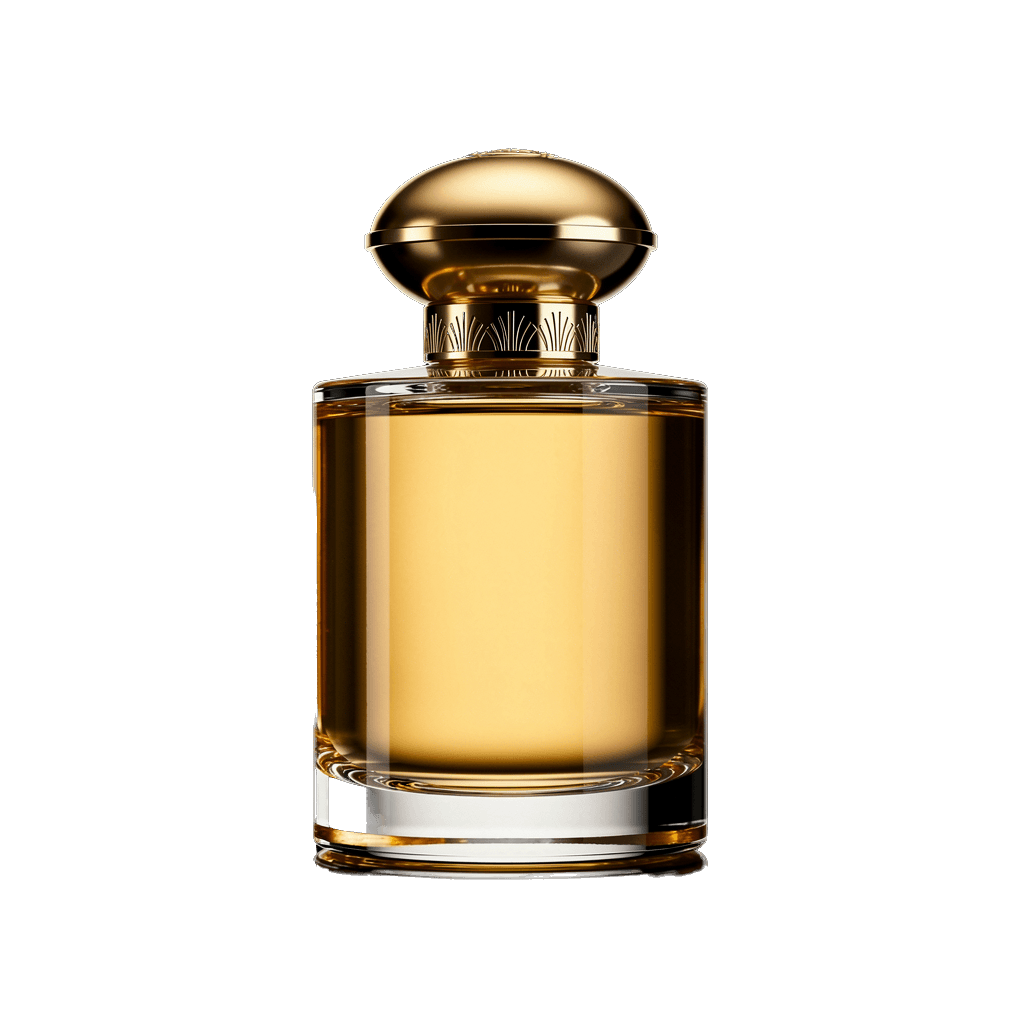
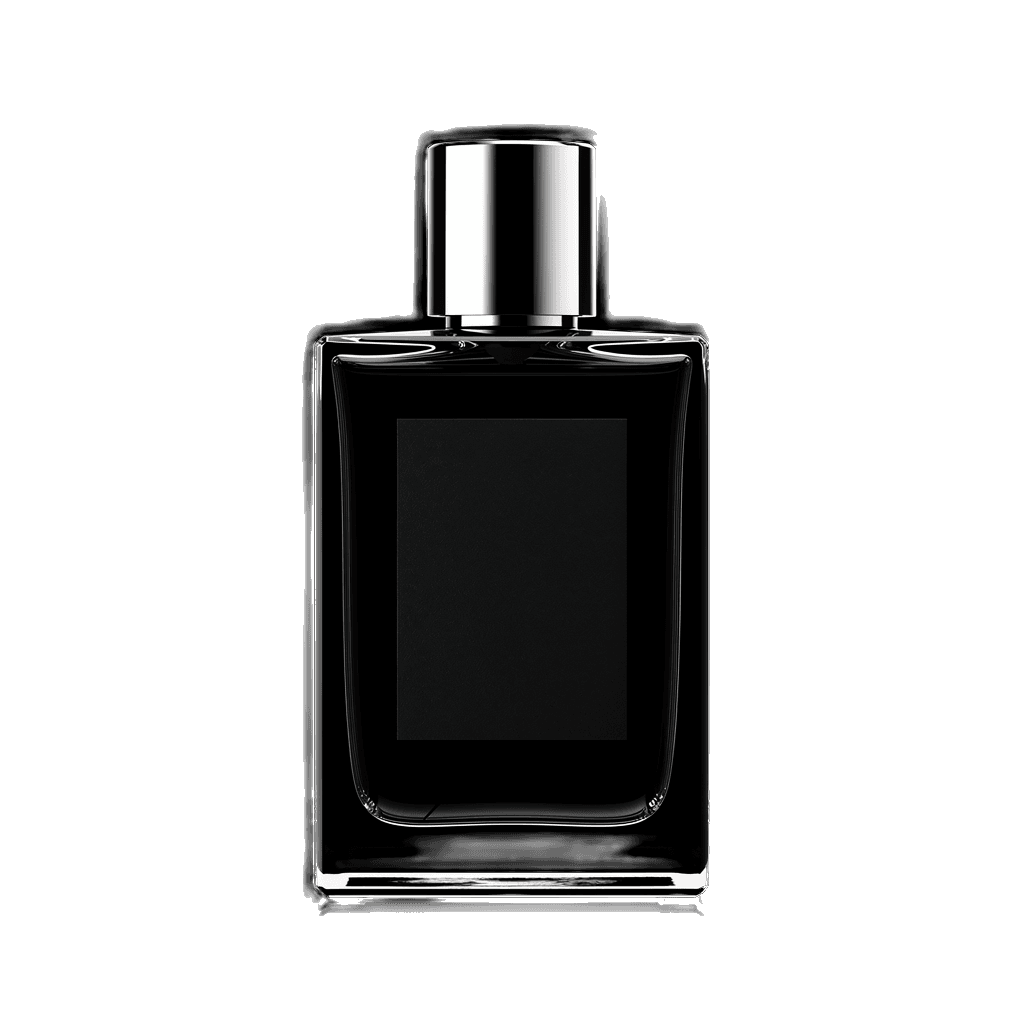
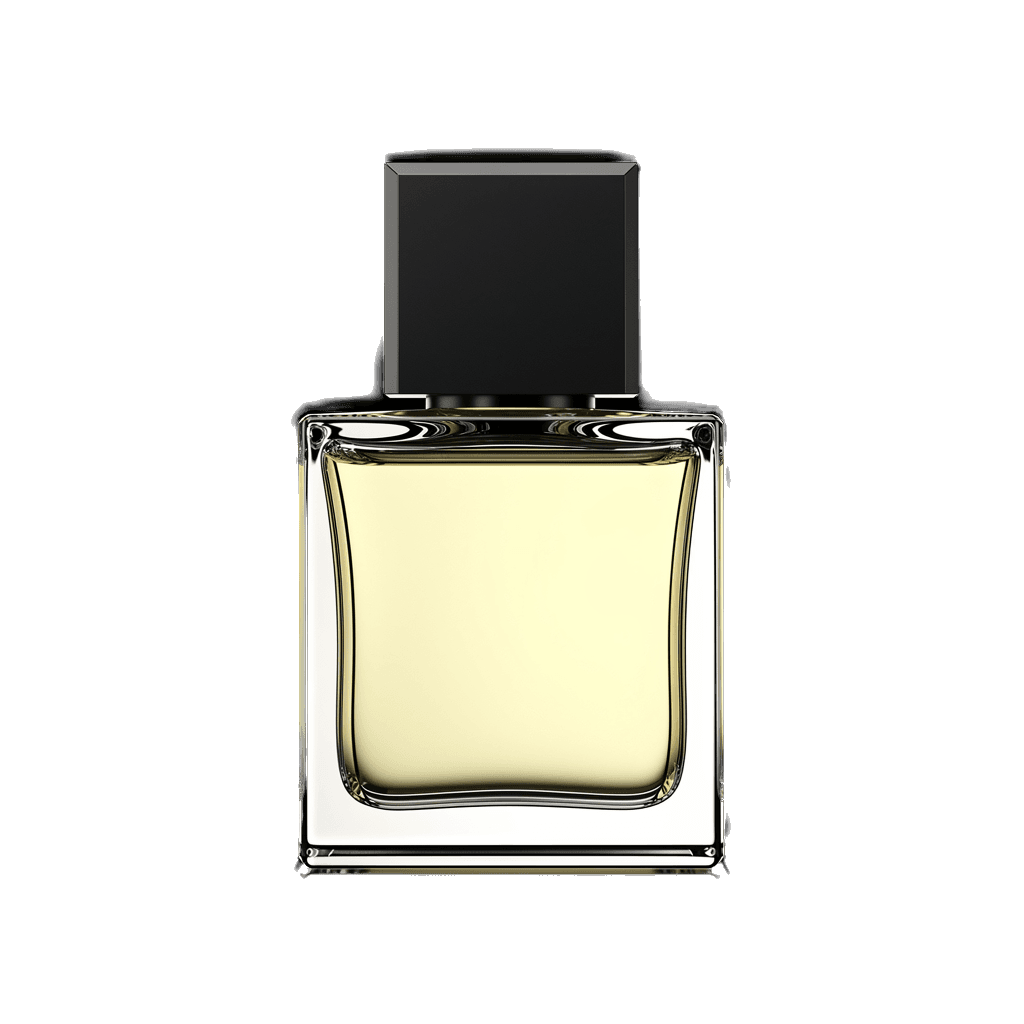
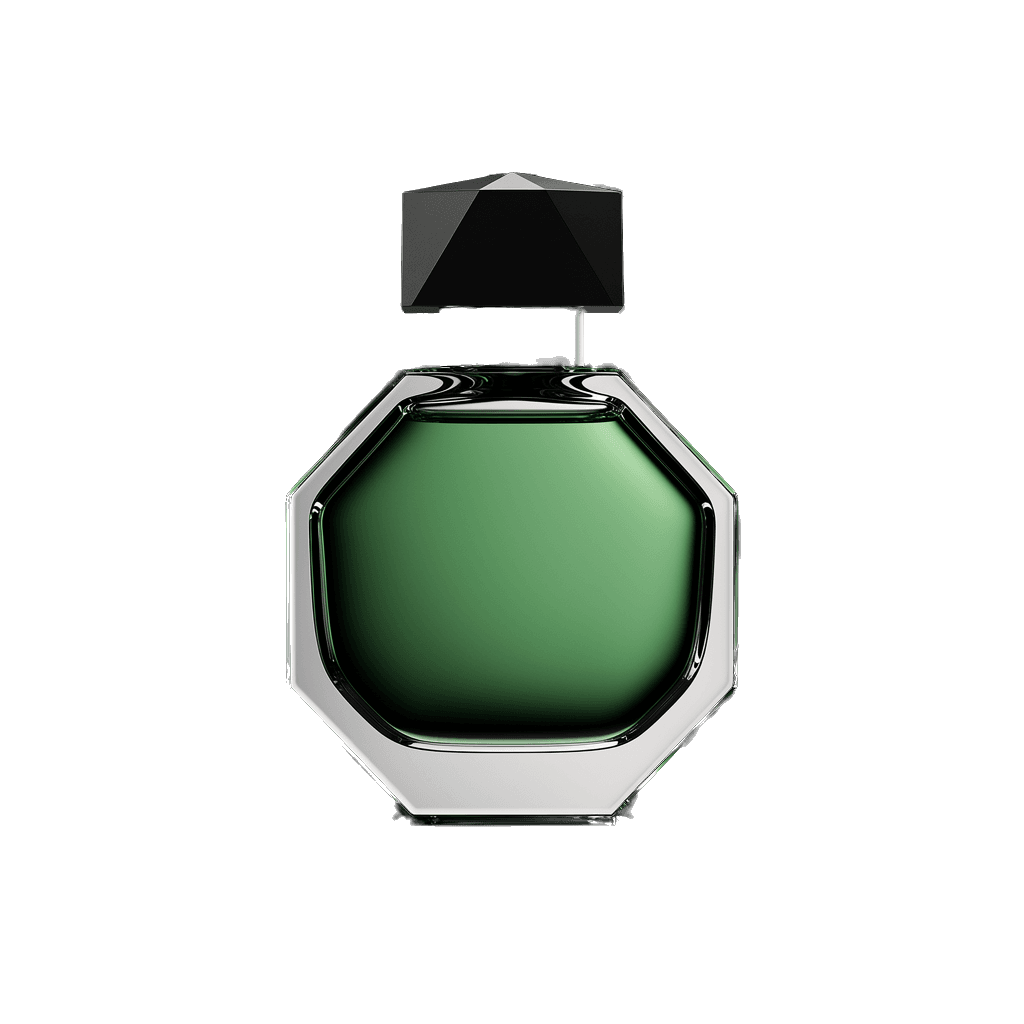
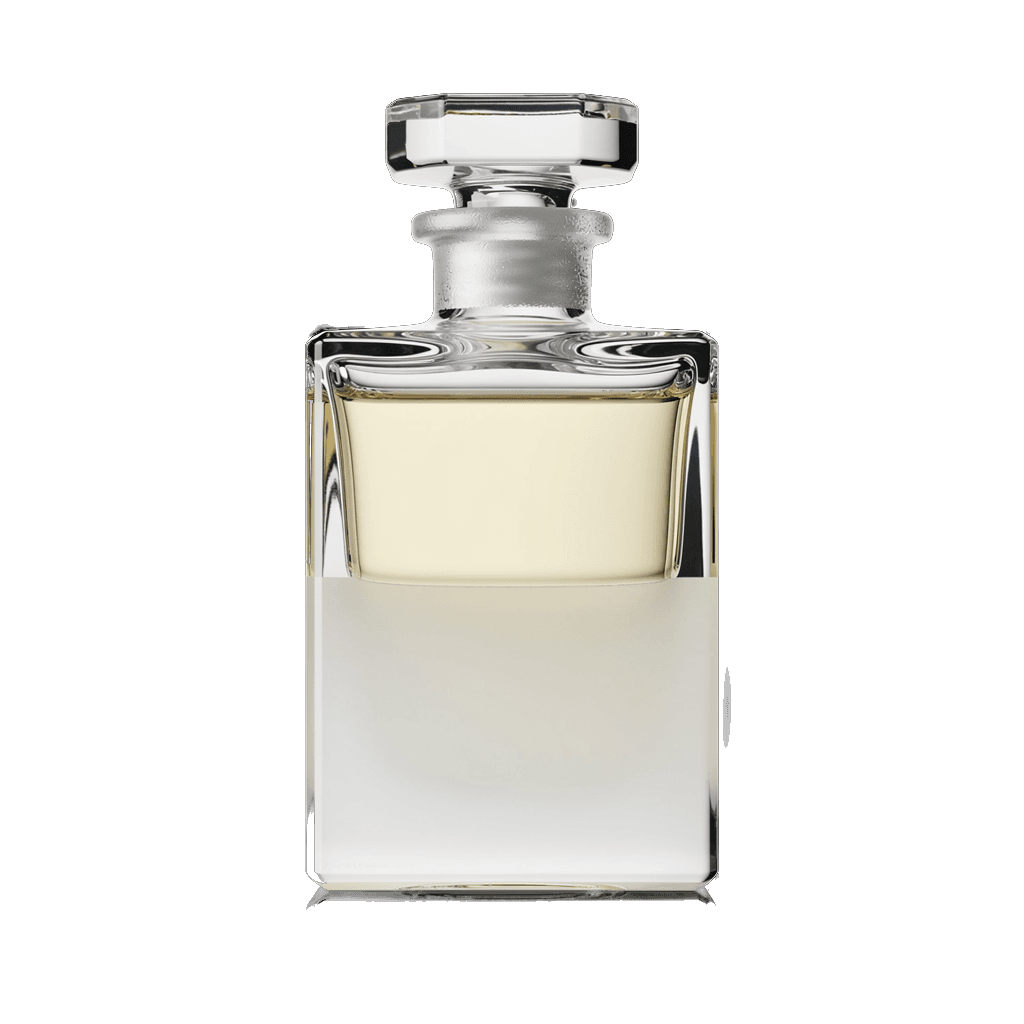
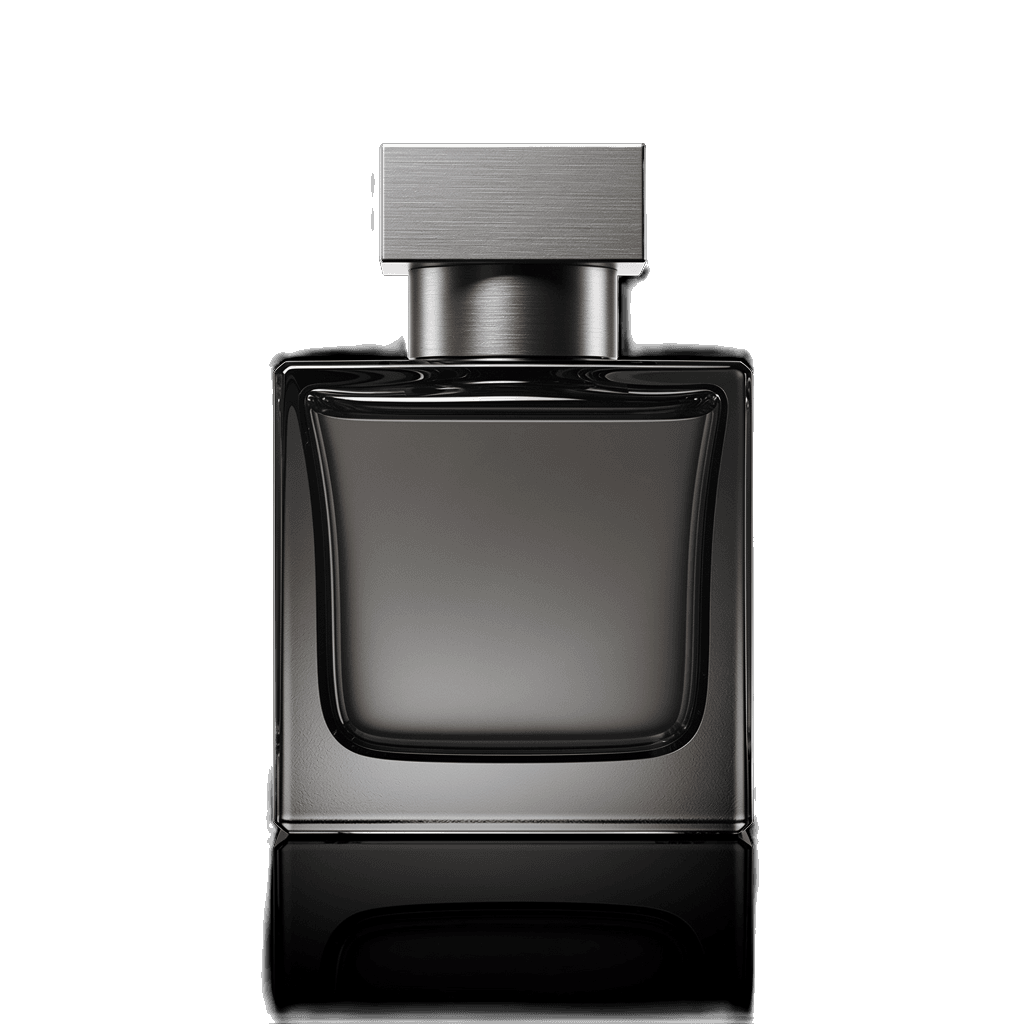
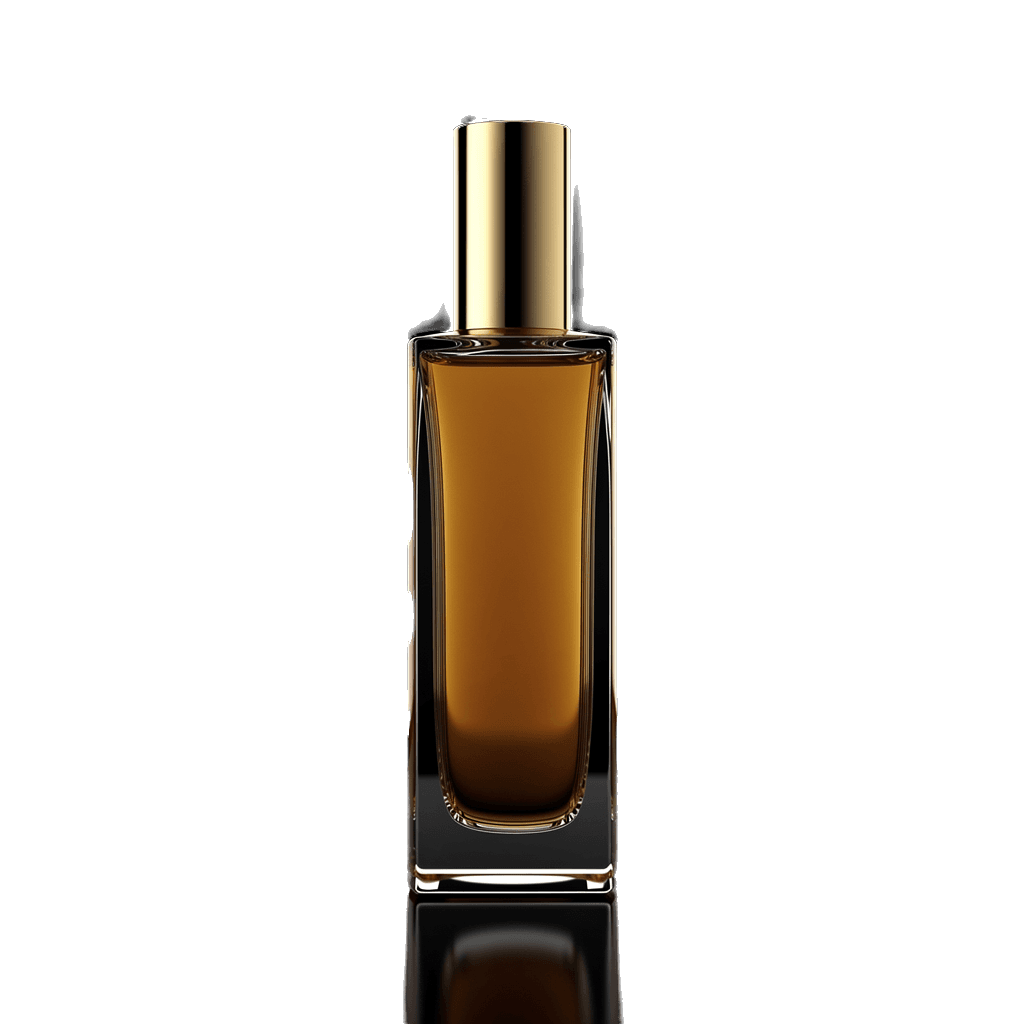
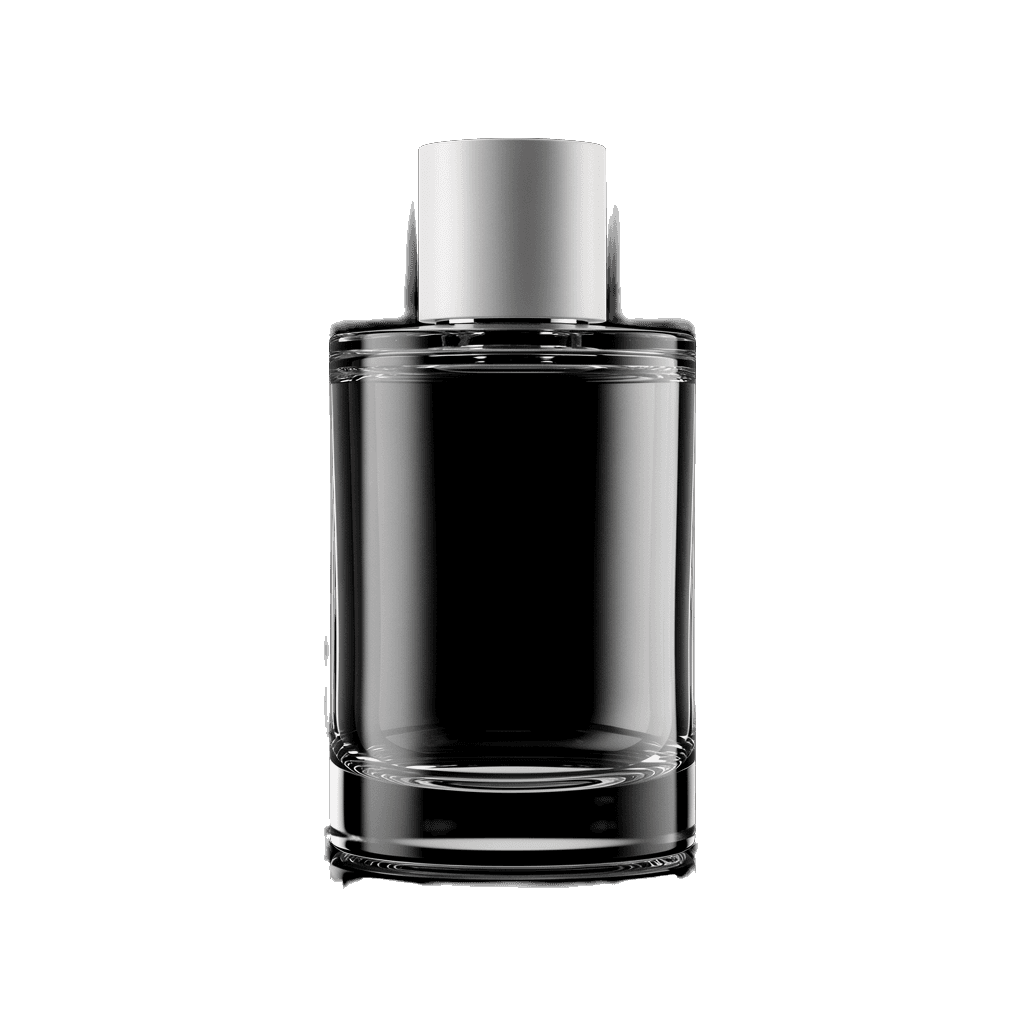
Visually, The Perfumist embraces a minimalist yet culturally resonant language. Bottle silhouettes are clean, cylindrical forms that avoid excessive ornamentation, allowing the perfume itself to become the focal point. Labels feature subtle Arabic calligraphy rendered in matte gold, a nod to the brand’s Middle‑Eastern heritage without resorting to overt extravagance. The color palette leans toward deep earth tones—mahogany, amber, and charcoal—that echo the natural origins of the ingredients. Packaging boxes are crafted from recycled kraft paper, stamped with the house’s emblem, and sealed with a simple ribbon, reinforcing the sense of a private, curated offering. This restrained visual identity aligns with the brand’s editorial tone: confident, specific, and inviting the collector to explore the scent narrative rather than being distracted by flashier design cues.
Philosophy
The Perfumist’s creative vision rests on a reverence for heritage coupled with a disciplined modernity. The house states that each fragrance should evoke a sense of place and lineage, allowing the wearer to experience a fragment of the historic courts for which the scents were originally crafted. Transparency in ingredient provenance is a core value; the brand prefers natural extracts such as Sri Lankan oud oil and ethically sourced musk, avoiding synthetic shortcuts unless they serve a precise olfactory purpose. Sustainability is addressed through small‑batch production, which limits waste and ensures that each bottle reflects the meticulous hand‑blending process. The brand also prioritises a personal connection with its audience, inviting collectors to explore the stories behind each note rather than relying on generic marketing language. This philosophy translates into a restrained portfolio where each launch is treated as a curated exhibition rather than a mass‑market offering.
Key Milestones
c.1720
Family perfumery reportedly begins serving Middle‑Eastern royalty in a private capacity.
2018
Public debut with Vet Musk, SIB Musk, and Ratna Sri Lankan Oud Oil, introducing natural musk and oud to a broader audience.
2019
Launch of the CAM series (Reserve, Restricted, Remarkable) and additional musk‑focused scents such as Kas Musk and Asm Musk.
2022
Expansion of limited‑edition releases and establishment of an online boutique for direct collector access.
At a Glance
Brand profile snapshot
Origin
United Arab Emirates (reported)
Collection
1
Fragrances released
Avg Rating
5.0
Community sentiment
Release Rhythm