The Heritage
The Story of WienerBlut
WienerBlut is an independent perfume house rooted in Vienna, Austria. Founded in 2009 by Alexander Lauber, the brand translates 19th‑century Viennese scent formulas into contemporary bottles. Each fragrance draws on historic recipes, archival advertisements and period‑specific ingredients. The house positions itself as a bridge between the past and today’s niche market, offering scents that feel like a quiet walk through a historic boulevard rather than a flash‑in‑the‑pan trend. WienerBlut’s catalogue includes Florentiner (2012), Indisch Leder (2012), Palais Nizam (2015) and the recent Elysion (2023), each anchored in a specific moment of Viennese culture.
Heritage
Alexander Lauber opened WienerBlut in 2009 after years of research in Vienna’s perfume archives. The name, coined in 1873, references a literary term that described the distinctive character of the city’s aristocratic circles. Lauber’s first launch, Klubwasser, arrived in the legendary Parisian concept store Colette, giving the brand immediate exposure among fashion‑forward clientele. Early releases such as Florentiner (2012) and Indisch Leder (2012) re‑interpreted recipes found in 19th‑century pharmacy ledgers, earning the house a reputation for scholarly rigor. In 2015 the line expanded dramatically with a quartet of scents—Palais Nizam, Nord du Nord, Hesperia and Ex Voto—each linked to a specific Viennese landmark or historical event. Freudian Wood (2016) marked the first foray into psychological narrative, while the 2019 reformulation of Klubwasser demonstrated the brand’s willingness to evolve original concepts. The most recent addition, Elysion (2023), draws on mythic references from Viennese opera, confirming a pattern of releasing a historically anchored fragrance roughly every two to three years. Throughout its evolution, WienerBlut has remained a privately held studio, avoiding large‑scale distribution in favor of curated boutique placements across Europe and Asia.
Craftsmanship
Production at WienerBlut follows a small‑batch model. Raw materials are sourced from suppliers that can trace their trade routes back to the 19th century, such as a French lavender farm that still delivers the same varietal used in historic Eau de Cologne. When original ingredients are no longer available, the house works with chemists to recreate the scent profile using modern aroma chemicals that meet EU safety standards. Each formula is tested in a laboratory that replicates the temperature and humidity of a Viennese summer, ensuring that the final perfume behaves as the historic reference would have. The blending process takes place in a Vienna studio where Lauber personally oversees the weighing of each component, often using a scale that measures to the nearest milligram. After maceration, the mixture rests for a period that mirrors the aging time recorded in period journals—typically three to six months—before being filtered and transferred into hand‑blown glass bottles. Quality control includes blind olfactory panels composed of perfumers and historians who verify that the scent aligns with its source material. Packaging is assembled by local artisans who apply hand‑etched labels that echo 19th‑century typography, reinforcing the brand’s commitment to detail at every stage.
Design Language
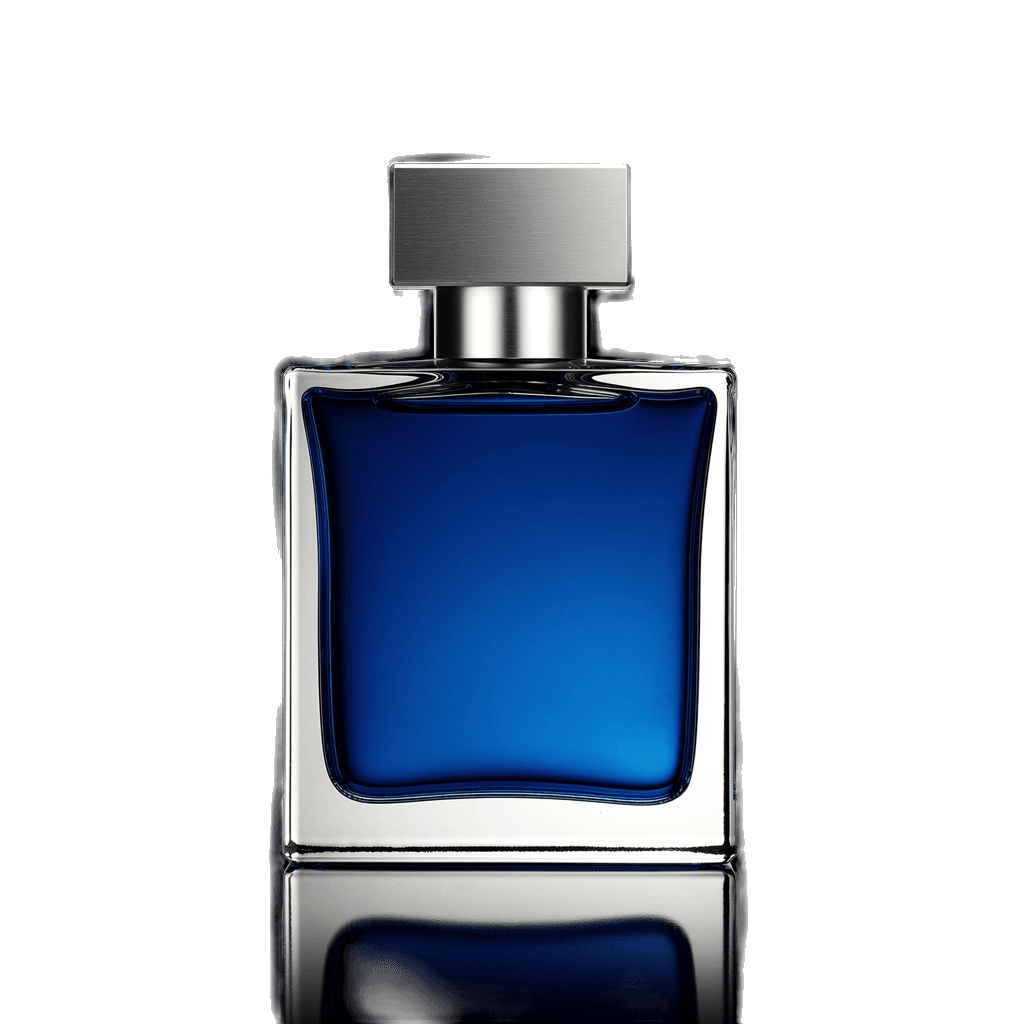
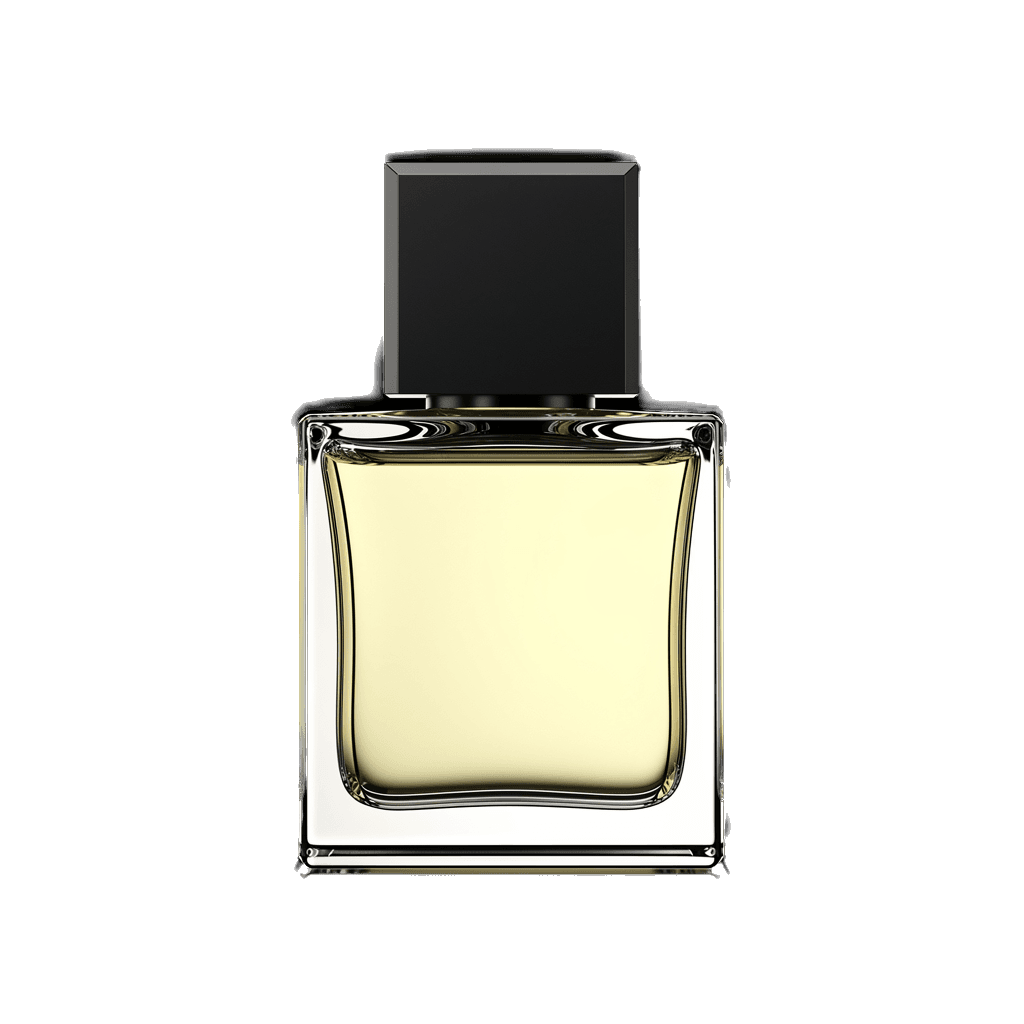
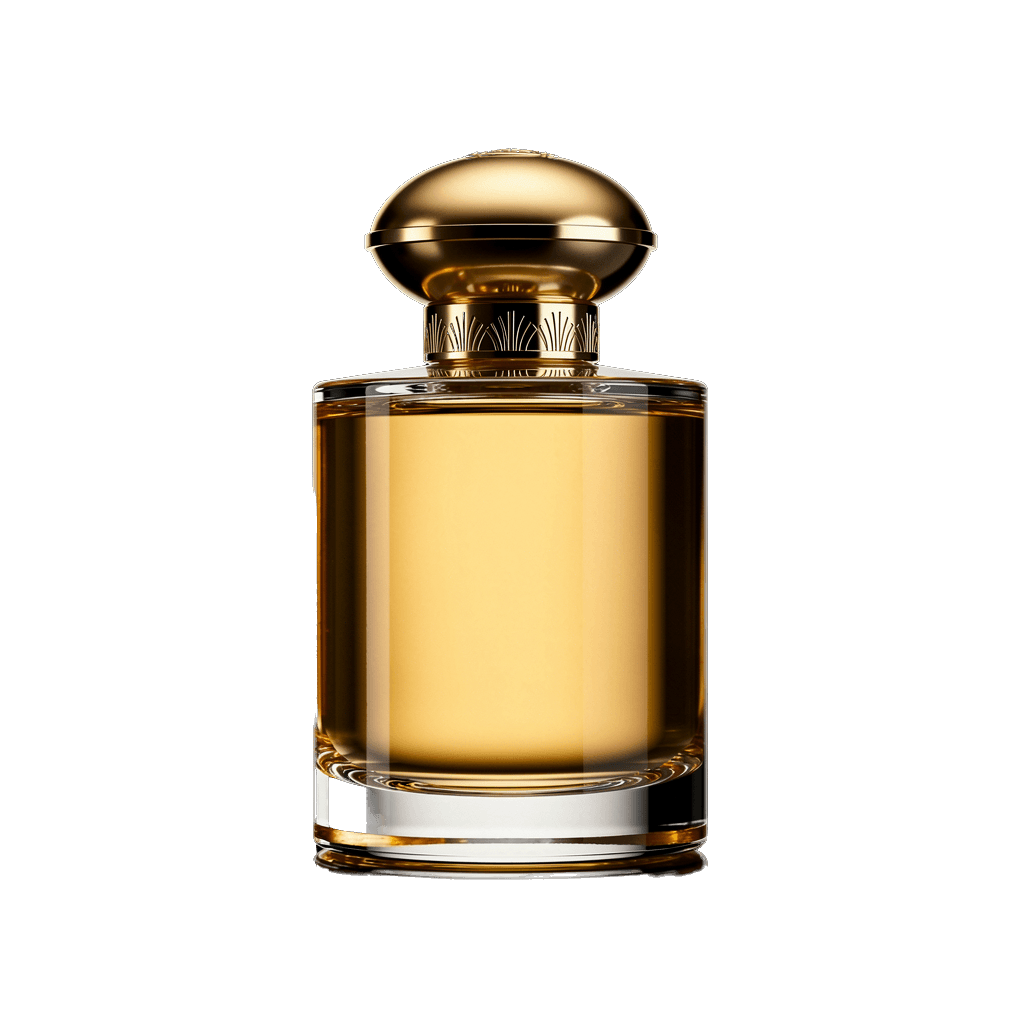
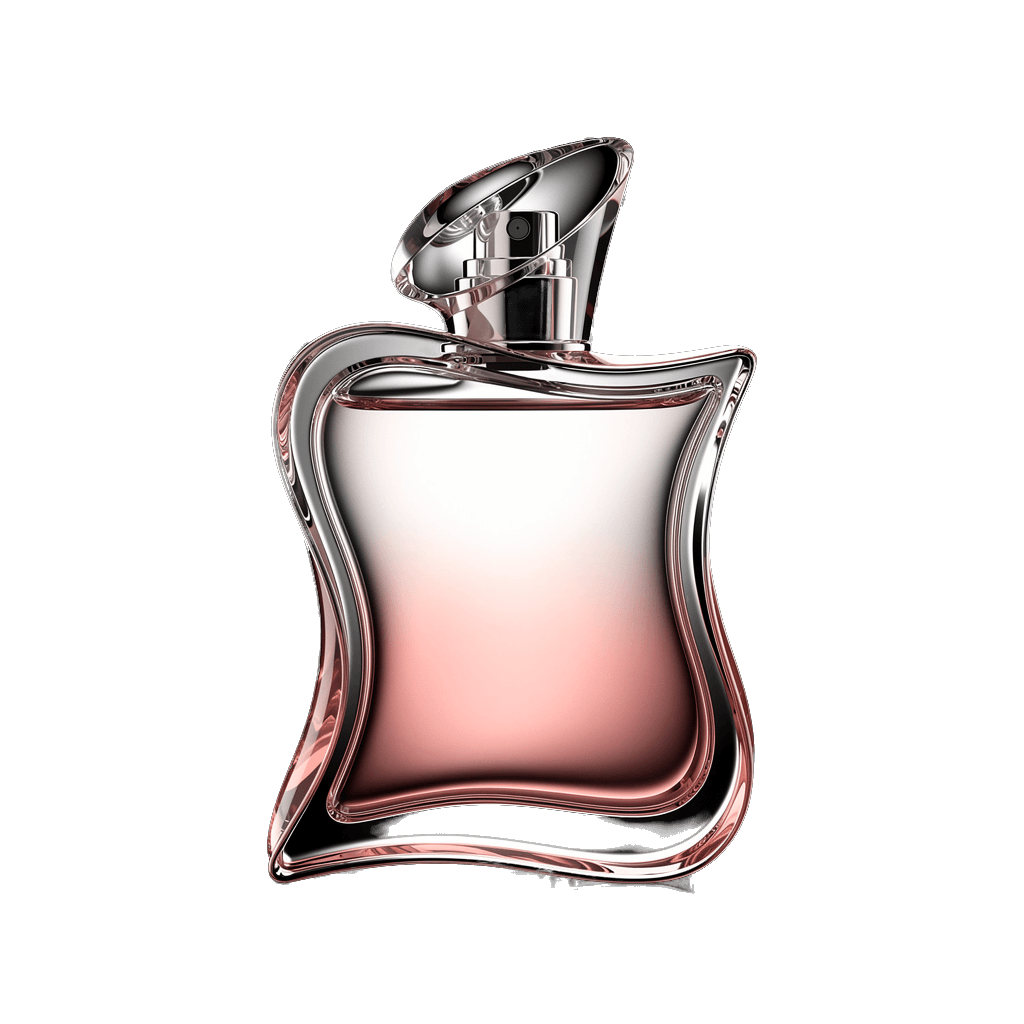
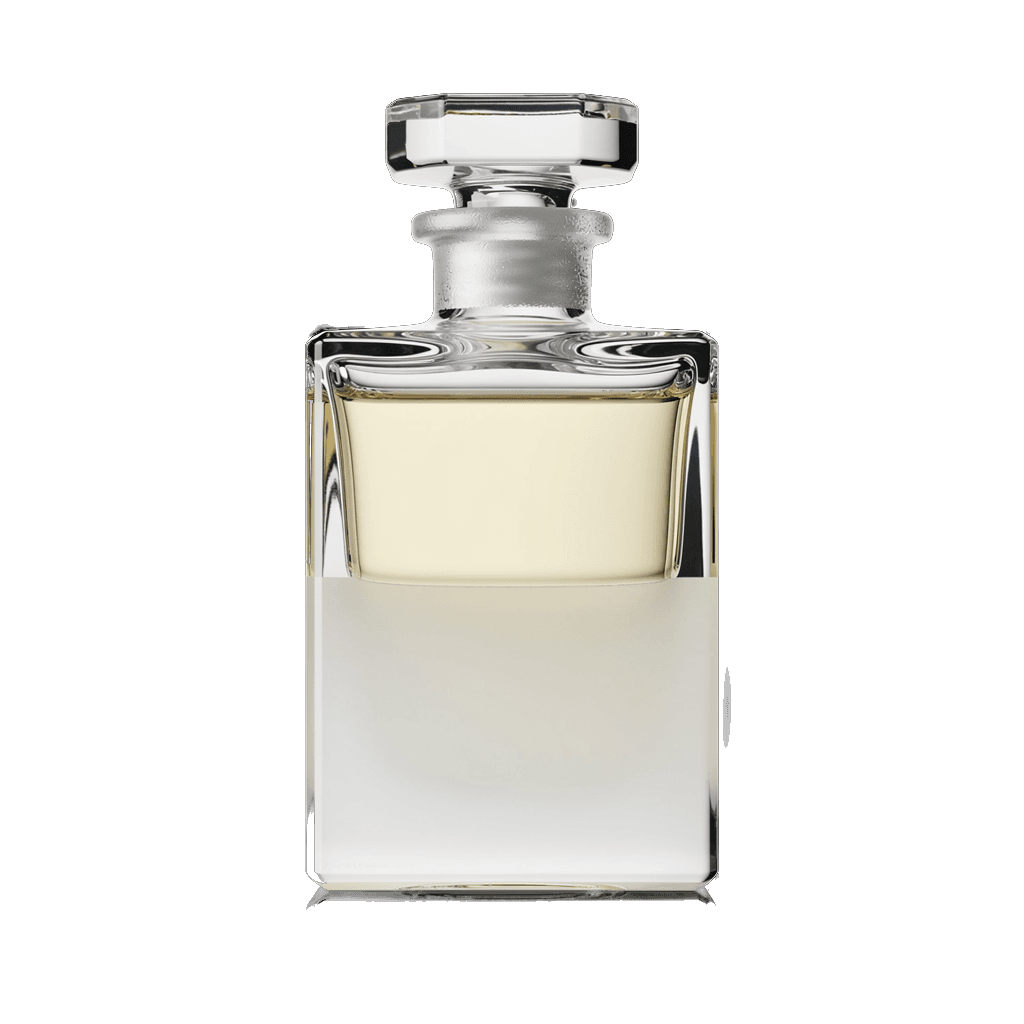
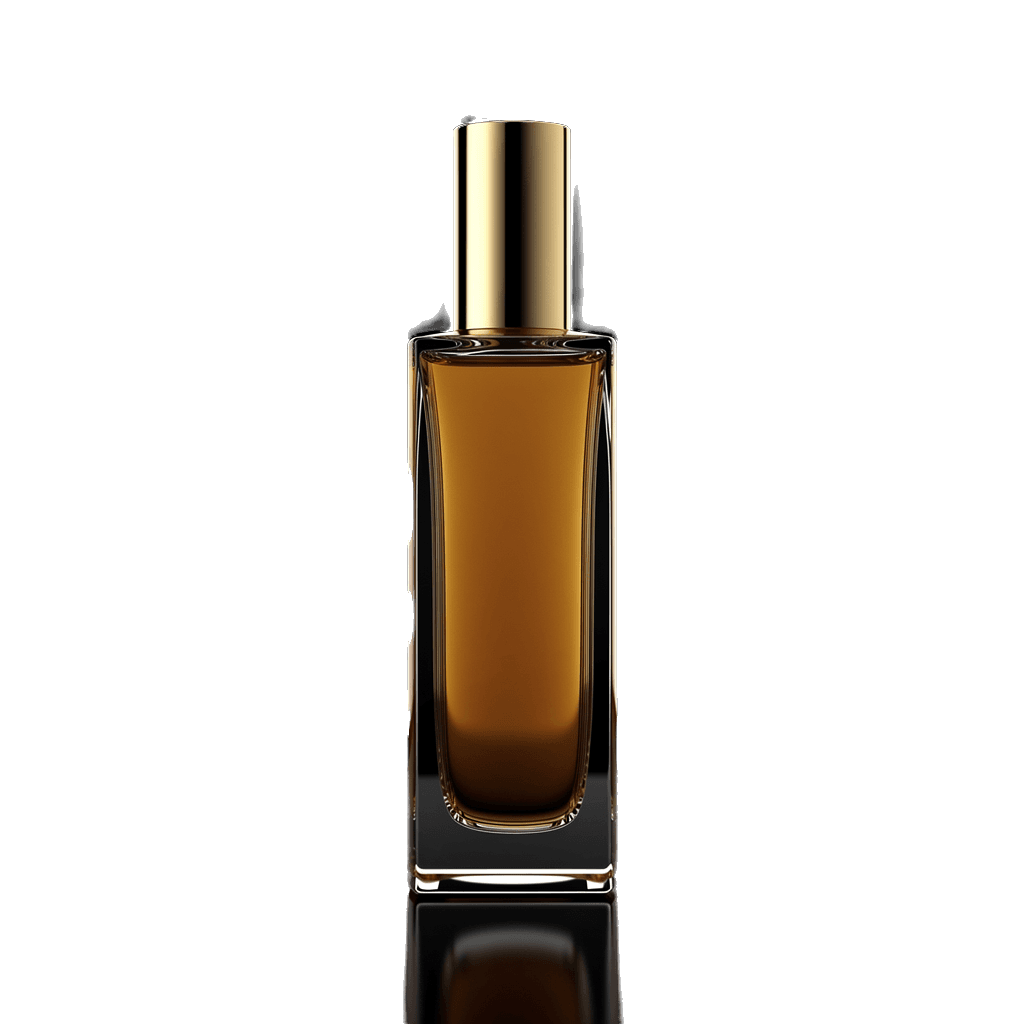
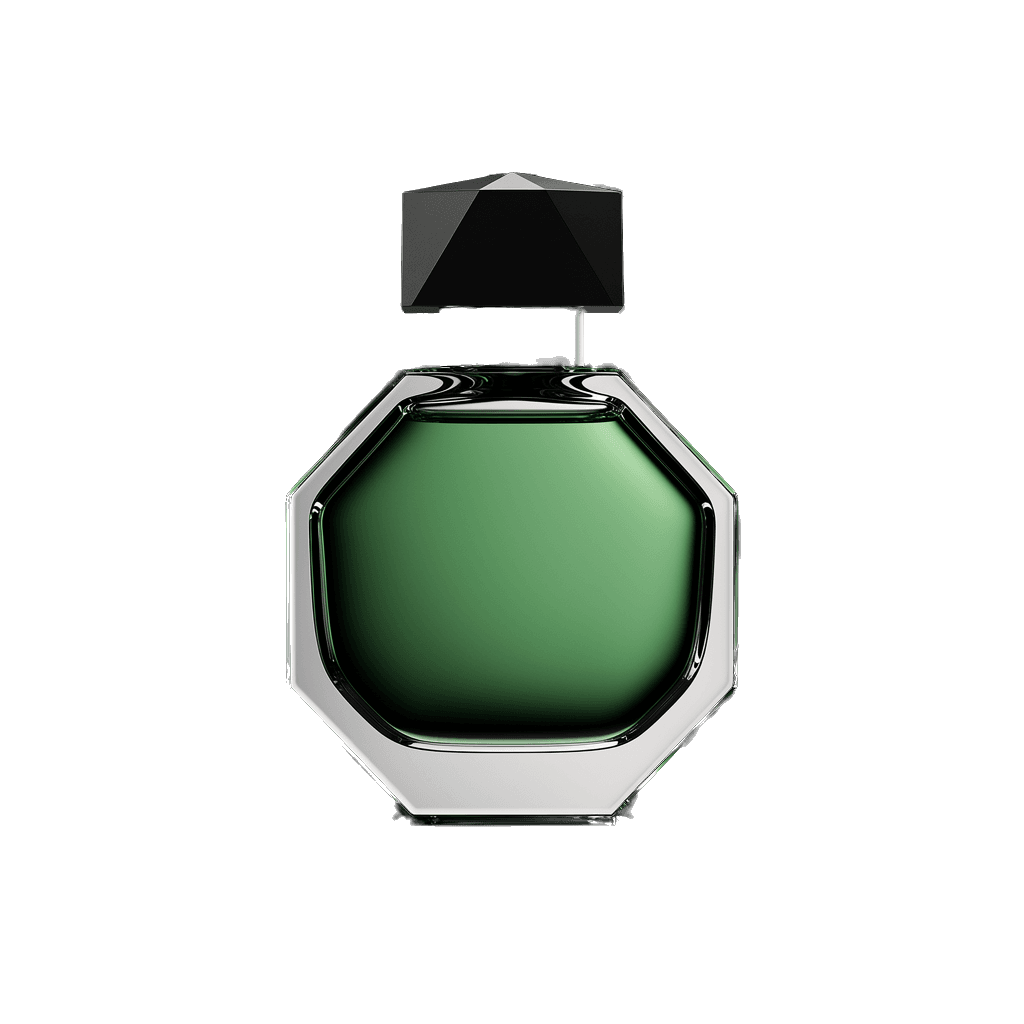
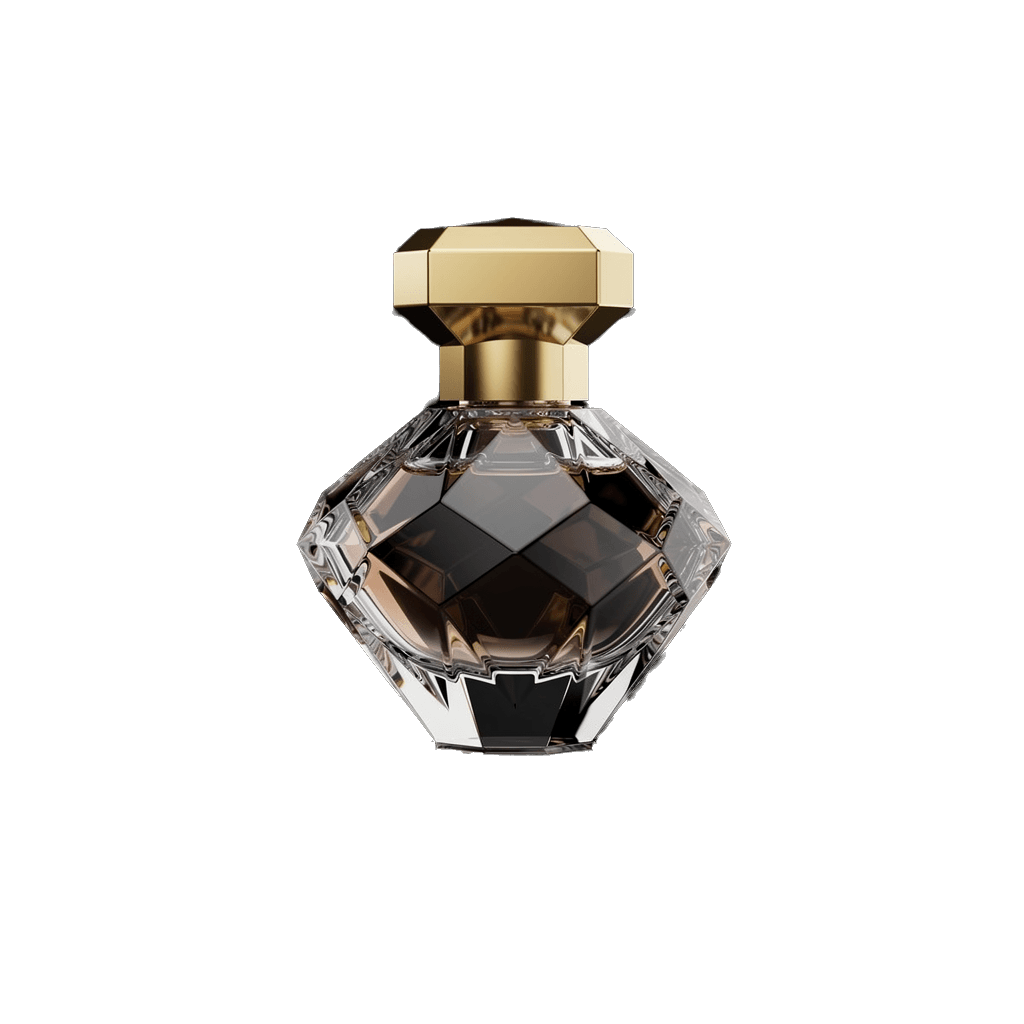
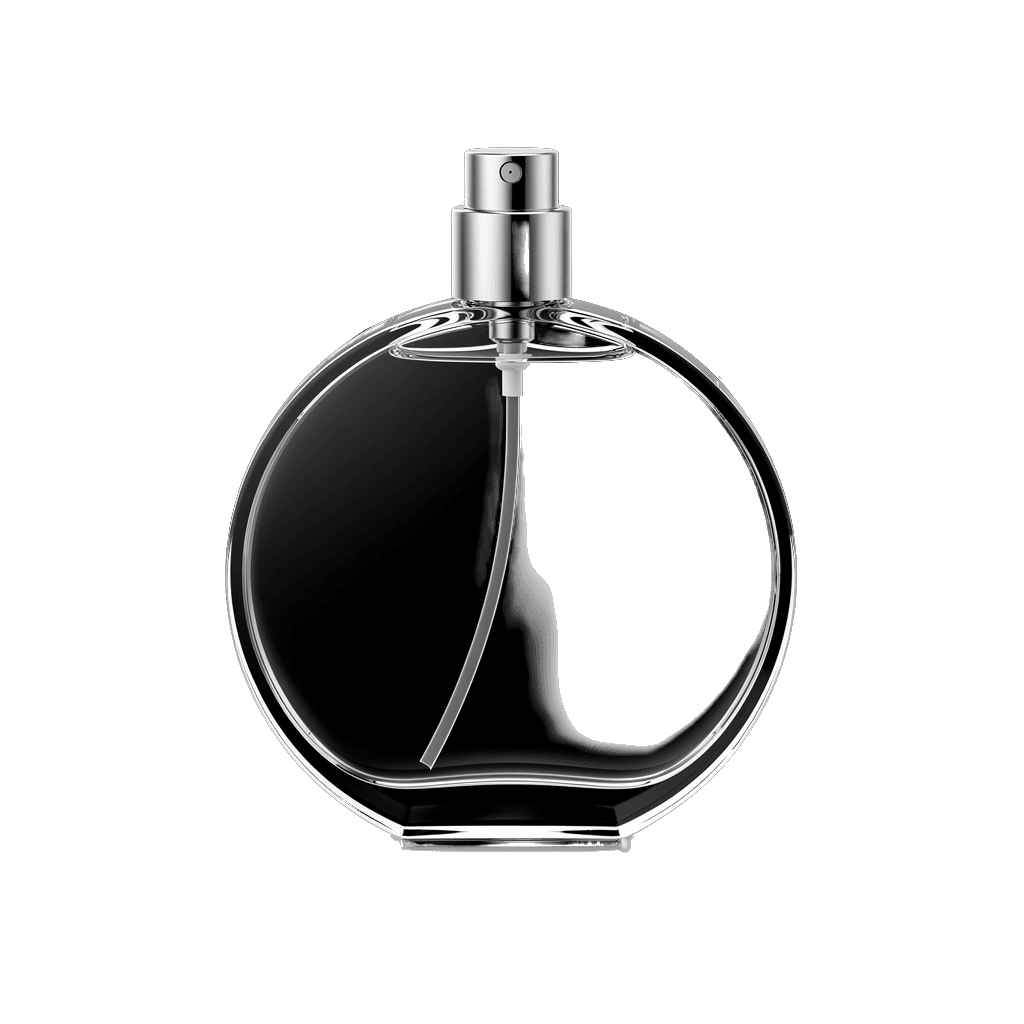
Visually, WienerBlut embraces a restrained, Viennese‑inspired language. Bottles are clear or lightly tinted glass, allowing the perfume’s colour to speak for itself. Labels feature a serif typeface reminiscent of 1800s newspaper headings, set against a muted background of cream, deep burgundy or charcoal. The brand’s logo—a stylised blood drop rendered in a simple line—appears in gold foil on premium editions, echoing the historic seal of the Austrian imperial court. Marketing imagery often shows the fragrance placed on marble surfaces, beside vintage postcards or within historic interiors, reinforcing the narrative of time travel. Retail displays are minimal, with wooden trays and brass accents that suggest a 19th‑century apothecary. This visual restraint mirrors the scent philosophy: the design does not compete with the perfume but frames it, inviting the viewer to focus on the olfactory story rather than on flashy branding.
Philosophy
WienerBlut treats perfume as a historical document. The house believes that scent can preserve a moment as clearly as a photograph, so each creation begins with archival research. Rather than chasing novelty for its own sake, the brand seeks authenticity: it asks what a Viennese noble might have smelled like in 1885, then translates that aroma into a modern concentration. Sustainability and material integrity guide ingredient choices; natural extracts are preferred when they match the original formula, and synthetic substitutes are introduced only when they respect the scent’s structure. The creative process involves a dialogue between past and present, where Lauber and his collaborators compare period texts with contemporary olfactory trends. This approach reflects a broader value system that prizes cultural memory, craftsmanship and a quiet confidence over loud marketing. The result is a collection that feels scholarly yet wearable, inviting the wearer to experience history on skin.
Key Milestones
2009
WienerBlut founded by Alexander Lauber in Vienna; first fragrance Klubwasser launched at Colette in Paris.
2012
Release of Florentiner and Indisch Leder, both based on archival Viennese recipes.
2015
Four major launches—Palais Nizam, Nord du Nord, Hesperia, Ex Voto—each tied to a specific Viennese landmark.
2016
Freudian Wood introduced, exploring psychological narrative within a historic scent framework.
2019
Klubwasser reformulated, updating the original 2009 profile while preserving its historic roots.
2023
Elysion released, drawing inspiration from Viennese opera and mythic themes.
At a Glance
Brand profile snapshot
Origin
Austria
Founded
2009
Heritage
17
Years active
Collection
1
Fragrances released
Avg Rating
3.7
Community sentiment
Release Rhythm