
The Story
Why it exists.
The Aoud takes its name from the Arabic word for agarwood, the precious, aromatic heartwood that's anchored high-oriental perfumery for centuries. Pierre Montale, already known for his deep relationship with Middle Eastern ingredients through his eponymous line, conceived this fragrance as a statement: agarwood as the undisputed centerpiece, surrounded by warmth and presence that matches it. No apology in the composition. No restraint in the execution. The name says everything, this is a fragrance built around the material, and everything else exists in its orbit.
If this were a song
Community picks
Teardrop
Massive Attack
The Beginning
The Aoud takes its name from the Arabic word for agarwood, the precious, aromatic heartwood that's anchored high-oriental perfumery for centuries. Pierre Montale, already known for his deep relationship with Middle Eastern ingredients through his eponymous line, conceived this fragrance as a statement: agarwood as the undisputed centerpiece, surrounded by warmth and presence that matches it. No apology in the composition. No restraint in the execution. The name says everything, this is a fragrance built around the material, and everything else exists in its orbit.
What makes The Aoud work is the structure beneath the oud. The opening doesn't tiptoe, bergamot cuts through the spice blend immediately, giving the cloves and cinnamon a brightness that prevents them from overwhelming. It's a rare move in this genre: spices that announce themselves but get reframed by something cool underneath. The geranium leaf in the heart doesn't play second fiddle to the rose, it brings an herbal, slightly green quality that keeps the florals from going syrupy. The leather isn't a trick; it's structural. It holds the composition together as the spices try to pull in different directions.
The Evolution
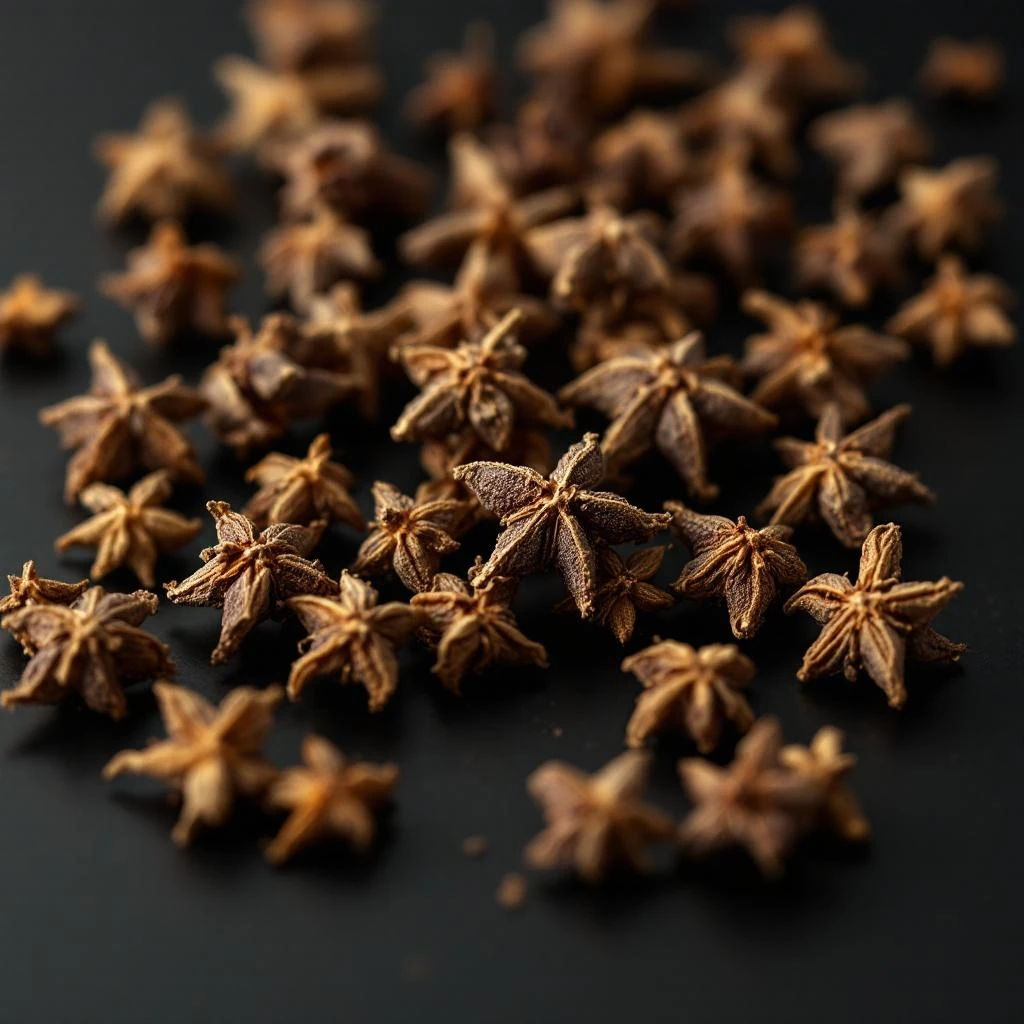
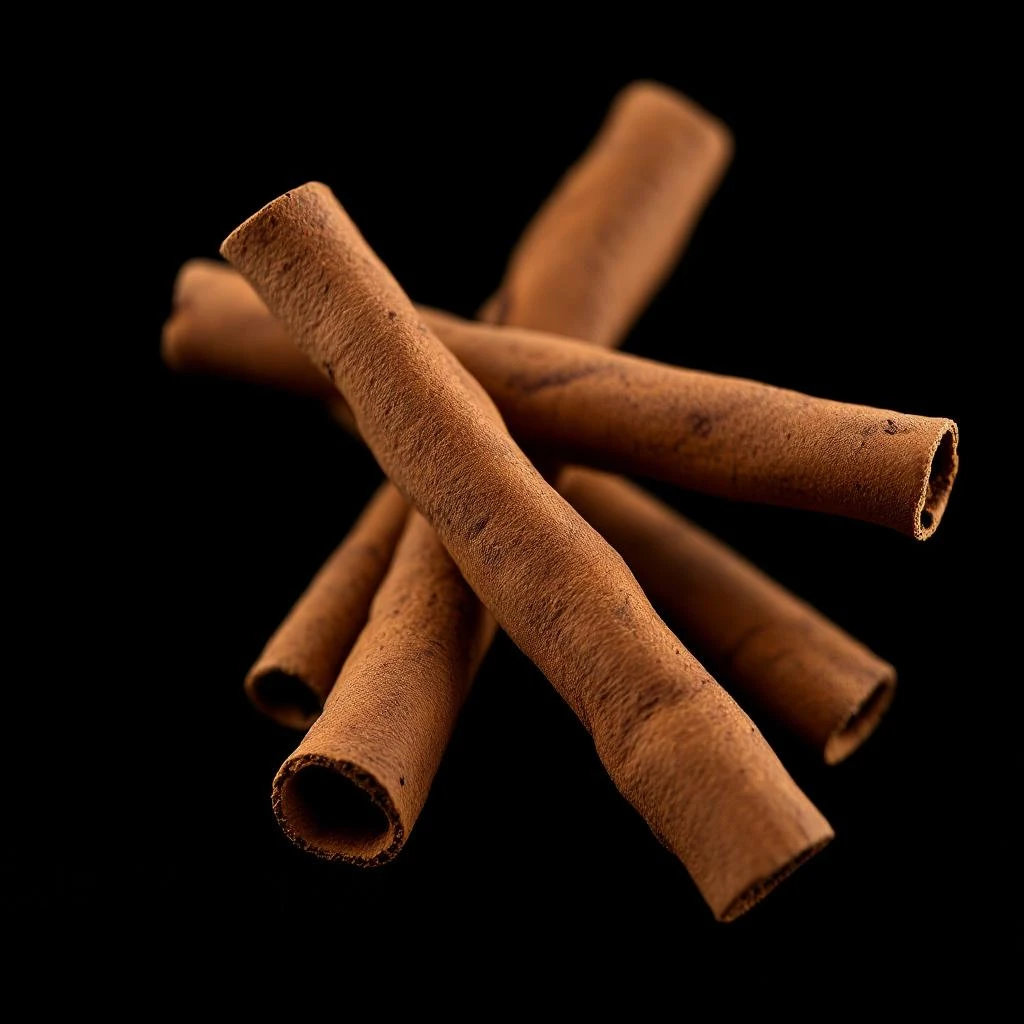
The opening announces itself immediately, a burst of clove and cinnamon with the bergamot doing quiet counterweight work in the background. The white pepper is the connective tissue; it keeps the spices from becoming one undifferentiated mass and gives the first hour a sharpness that demands attention. As time passes, the geranium and rose arrive and the composition shifts. The florals don't soften the spices, they complicate them. Rose and geranium together have a green, almost medicinal quality here that feels intentional rather than accidental. The leather starts to surface, marking another transition in the fragrance's development. The drydown takes over from there, and this is where the fragrance earns its name. The agarwood becomes the dominant material, warm, slightly animalic, dense.
Cultural Impact
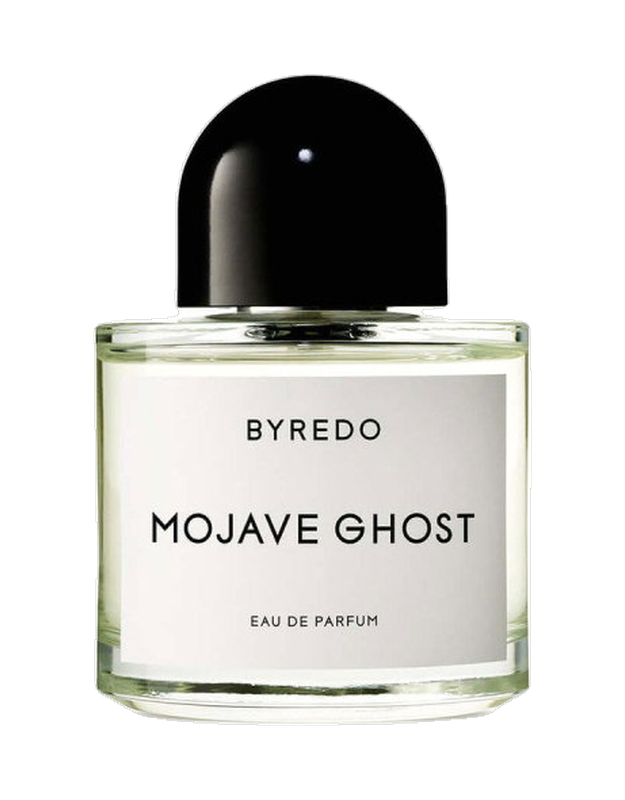
The Aoud sits comfortably in the woody-oriental category. Wearers describe it as the fragrance of someone who walks into a room and doesn't need to announce themselves, a strong presence that generates curiosity rather than declaration. The scent shares DNA with Montale's Black Aoud, and the Parfumo database lists similar fragrances including Mojave Ghost by Byredo, Liquid Illusion by Juliette Has A Gun, Musk Therapy by Initio, L'Instant Magic by Guerlain, and 1881 pour Femme by Cerruti.
The House
France · Est. 2008
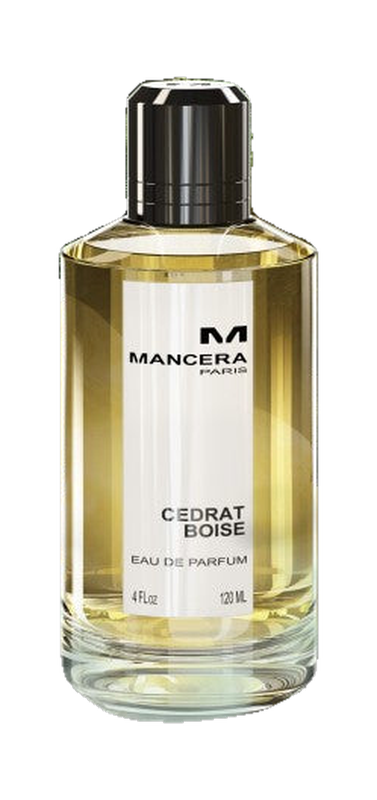
Mancera is a Parisian perfume house that masterfully blends the opulence of the East with a distinctly Western, Art Deco sensibility. The brand is famous for its powerful, long-lasting scents that offer a modern and accessible vision of niche luxury. It’s a go-to for fragrance lovers who want their scent to make a confident statement.
If this were a song
Community picks
Warm wood and spice. The weight of an evening that knows what it's doing. Think low light, a drink in hand, and a room that notices when you enter. Music that matches that particular confidence, present without announcing, sophisticated without trying too hard.
Teardrop
Massive Attack