Character
The Story of Geranium leaf
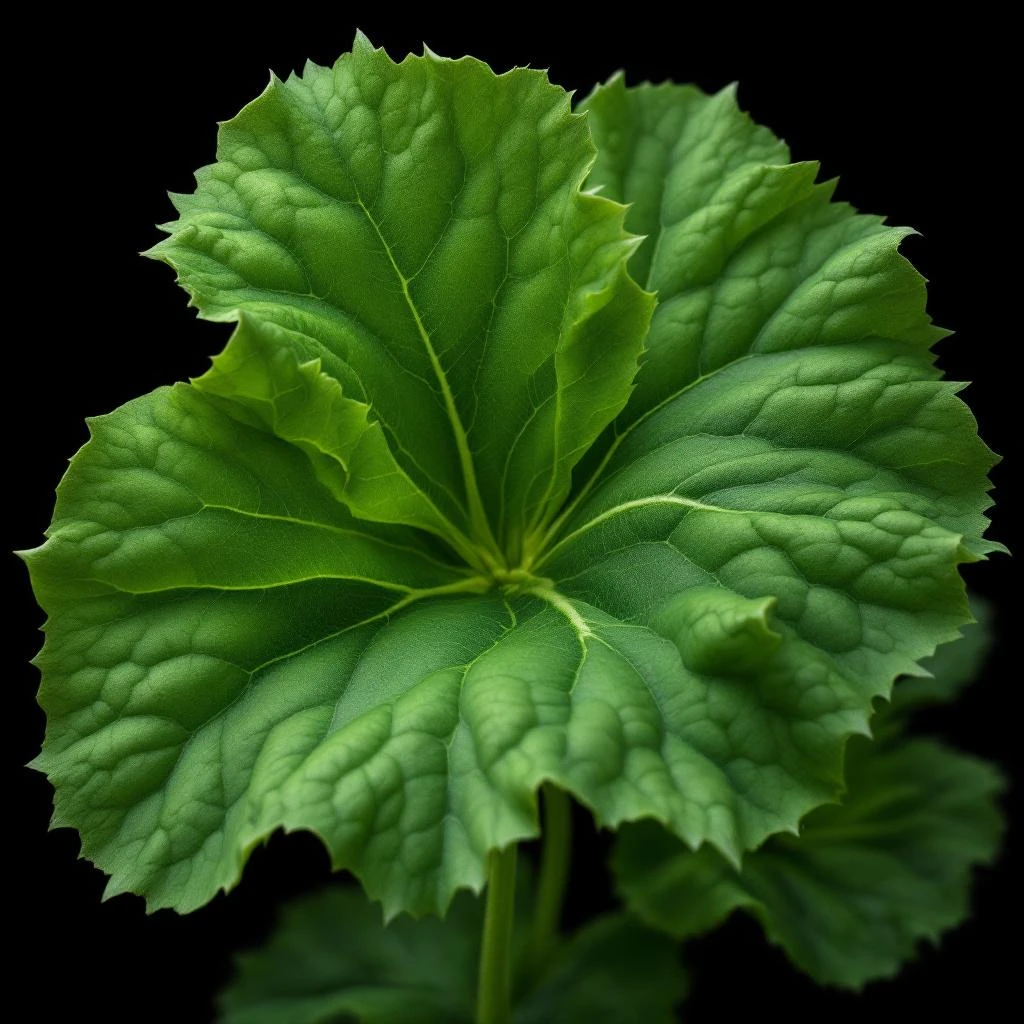
Geranium leaf delivers an unexpected green, rosy fragrance that bridges sharp vegetal brightness with soft floral warmth. The leaf of Pelargonium graveolens carries the essential oils that make rose geranium a perfumery classic, prized for its fresh, herbaceous character that adds lift to rose accords and green compositions.
Heritage
Rose geranium traces its origins to the Cape Province of South Africa, where Dutch botanists first catalogued the aromatic Pelargonium species in the 1600s. European collectors brought them home as ornamental curiosities, and by the 1700s the scented geraniums appeared in medicinal and kitchen gardens across the continent. Commercial cultivation for essential oil began in earnest on the French island of Réunion (then Bourbon) in the 19th century, establishing the famous Bourbon grade that set the global standard. Egypt became a major producer in the early 20th century, followed by China, Morocco, and Spain. The rose-scented Pelargonium capitatum and the broader Pelargonium graveolens species formed the backbone of this trade, their deeply lobed, fragrant leaves transformed by distillers into the aromatic material that would anchor floral and chypre compositions for generations.
At a Glance
1
Feature this note
South Africa
Primary source region
Ingredient Details
Steam distillation of fresh aerial parts
Fresh leaf blades, terminal stems, and flowering tops
Did You Know
"Geranium leaf yields only 0.08–0.1% essential oil by weight, yet this modest yield produces one of perfumery's most versatile naturals. The leaf blade itself holds more oil than any other part of the plant."