

The Story
Why it exists.
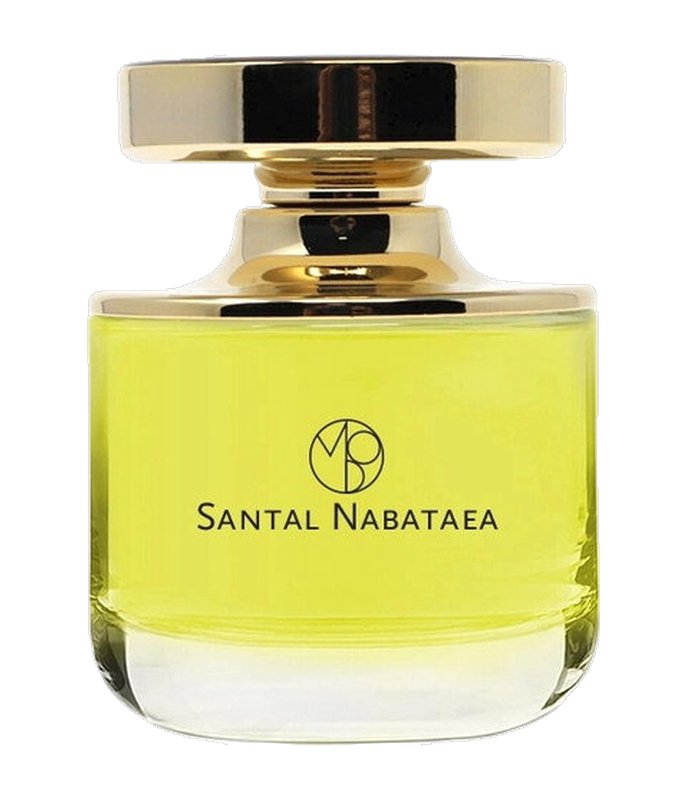
Santal Nabataea was created by Fredrik Dalman for Maison Mona di Orio, launched in 2011 as a meditation on the ancient Nabataean kingdom and its legendary capital, Petra. The name itself is a direct reference to this civilization, which controlled the frankincense and myrrh trade routes across the Arabian Peninsula for centuries. Dalman and creative director Jeroen Oude Sogtoen describe the fragrance as a kind of olfact ive archaeology, a layered reconstruction of ancient trade, architecture, and the landscapes that shaped a civilization.
If this were a song
Community picks
The Gift
Amini Kase
The Beginning
Santal Nabataea was created by Fredrik Dalman for Maison Mona di Orio, launched in 2011 as a meditation on the ancient Nabataean kingdom and its legendary capital, Petra. The name itself is a direct reference to this civilization, which controlled the frankincense and myrrh trade routes across the Arabian Peninsula for centuries. Dalman and creative director Jeroen Oude Sogtoen describe the fragrance as a kind of olfact ive archaeology, a layered reconstruction of ancient trade, architecture, and the landscapes that shaped a civilization.
What makes Santal Nabataea unusual is its approach to sandalwood. Commercial sandalwood in perfumery has become almost synonymous with sweet, creamy, milky interpretations that barely resemble the actual Santalum album oil. This composition rejects that convention entirely. The sandalwood here is dry, warm, and slightly animalic, closer to what you would experience in a sacred temple where the wood has been burning for centuries. Combined with opoponax and coffee, the result is a sandalwood that smells ancient rather than comforting.
The Evolution
The opening hits with real intent: coffee and black pepper, dark and slightly bitter. This initial phase lasts longer than expected for such bright notes, perhaps twenty minutes before the sandalwood begins its slow takeover. The transition is not abrupt. Apricot and blackcurrant leaf create a dusty, sun-dried bridge between the dark opening and the warm, woody heart that follows. Once settled, the drydown is where Santal Nabataea earns its reputation. The sandalwood is not creamy. It is warm, slightly animalic, with a mineral dryness that feels like sandstone rather than coconut. This phase lasts four to six hours on skin, eight to ten on fabric. The next day, a faint woody warmth remains, like sun-warmed stone in an empty temple.
Cultural Impact
Santal Nabataea occupies a distinctive position in niche perfumery as a sandalwood composition that deliberately rejects the dominant sweet, creamy interpretation. It attracted fragrance enthusiasts who had grown frustrated with commercial sandalwood and offered them something they had not encountered before: the actual aromatic profile of real Santalum album oil, interpreted with honesty rather than nostalgia. The fragrance also brought attention to the Nabataean civilization and Petra, sparking curiosity about ancient trade routes and Arabian perfumery traditions among those who discovered it through the scent itself.
The House
The Creator
Maison Mona di Orio was founded in Paris by Jeroen Oude Sogtoen following the unexpected death of its namesake perfumer, Mona di Orio, in 2011. Rather than retiring the house, Oue Sogtoen continued its mission: creating fragrances that prioritize authenticity of materials over commercial appeal. Each Mona di Orio fragrance is built around a single material or concept, explored deeply rather than broadly.
If this were a song
Community picks
Quiet ambition. The kind of music that plays in a well-appointed room where important things are decided. Oud-adjacent warmth without the swagger, sandalwood stillness, a coffee note that whispers rather than shouts.
The Gift
Amini Kase