Character
The Story of Blackwood Mimosa
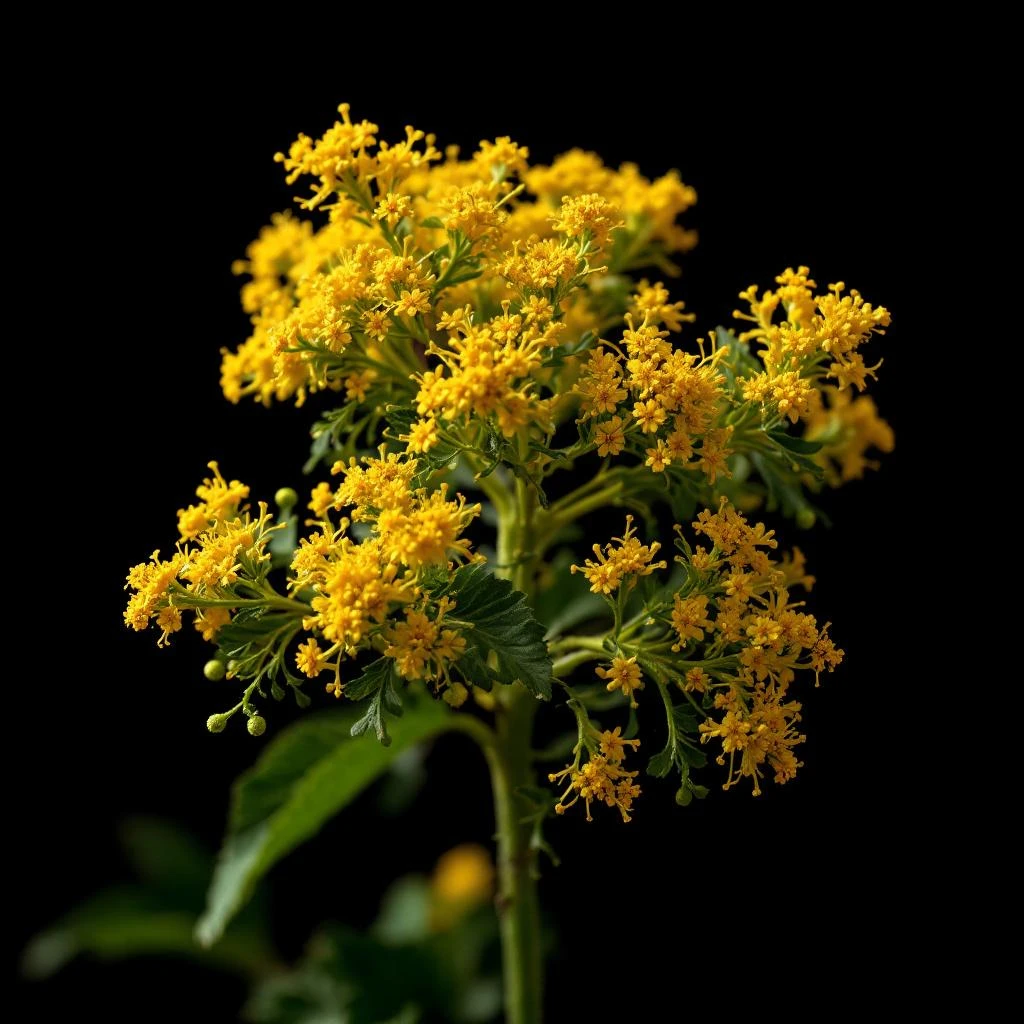
Blackwood Mimosa pairs the golden, powdery warmth of Acacia dealbata absolute with the dry, pencil-woody elegance of Cedrus atlantica. The result is a softly radiant floral accord grounded by textural cedary depth, creating an intimate dialogue between creamy pollen sweetness and bark-like austerity that lingers close to skin.
Heritage
Mimosa absolute traces to Acacia dealbata, the silver wattle native to southeastern Australia, introduced to southern France around 1816 via the gardens of Joséphine de Beauharnais at Malmaison. The tree naturalized along the Riviera, particularly the Tanneron massif between Grasse and the coast, where it blooms in golden clusters each winter. Cedrus atlantica has appeared in perfumery since antiquity, mentioned in ancient Mesopotamian texts. The Blackwood Mimosa pairing emerged as perfumers sought to modernize mimosa's vintage reputation by grounding its powdery sweetness in cedar's contemporary dry-wood aesthetics. Since November 2020, mimosa absolute from the Pays de Grasse region carries Indication Géographique certification, recognizing its regional specificity alongside rose and jasmine.
At a Glance
1
Feature this note
France
Primary source region
Ingredient Details
Solvent extraction (mimosa absolute); Steam distillation (cedarwood)
Flowering branches with flowers and twig-ends (mimosa); Wood chips from heartwood (cedarwood)
Did You Know
"Acacia dealbata flowers between January and March, making mimosa one of the few florals available during winter months in the northern hemisphere."